

India Strengthens Naval Presence in South East Asia to Bolster Regional Security
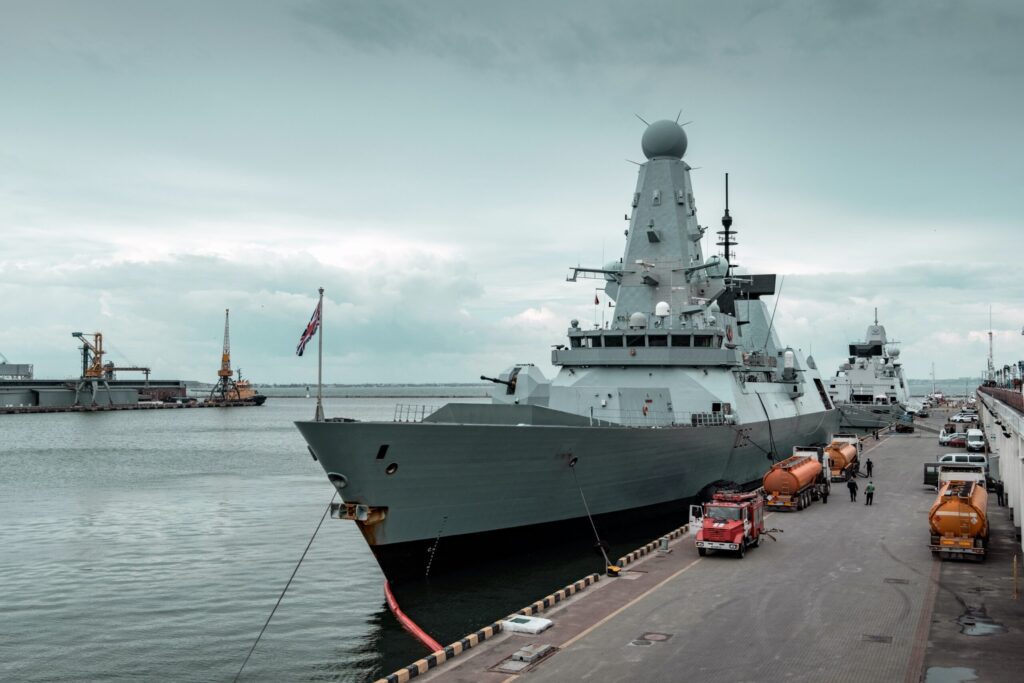
India’s recent naval deployment to Singapore for the “SIMBEX” bilateral combat exercise highlights the nation’s commitment to enhancing military interoperability in Southeast Asia. The participation of two advanced warships, a submarine, and a maritime patrol aircraft underscores India’s role in regional security efforts. This exercise, in its 30th edition, is the longest continuous naval engagement between India and any foreign nation. It encompasses a wide range of combat drills, from air defense exercises to anti-submarine warfare. India’s proactive engagement in the region reflects its concerns over regional stability and its commitment to building strong defense partnerships.
Orion Innovation and Cebuana Lhuillier Bank Forge a Path Towards Financial Inclusion in the Philippines

In a landmark move to empower marginalized communities, Orion Innovation and Cebuana Lhuillier Bank have united their strengths to spearhead financial inclusion in the Philippines. With a strategic partnership centered around implementing the advanced Temenos core banking platform, Cebuana Lhuillier Bank aims to revolutionize its operations and reach over 11 million customers within five years. This collaboration, amid the dynamic shifts in the financial landscape, reflects both institutions’ commitment to enhancing banking services, fostering innovation, and driving positive change for Filipinos, especially those residing in underserved regions. As the Philippines navigates its economic journey, this alliance holds the potential to reshape the future of financial accessibility and growth.
Oman Navigates Oil Export Challenges Amidst Changing Global Dynamics
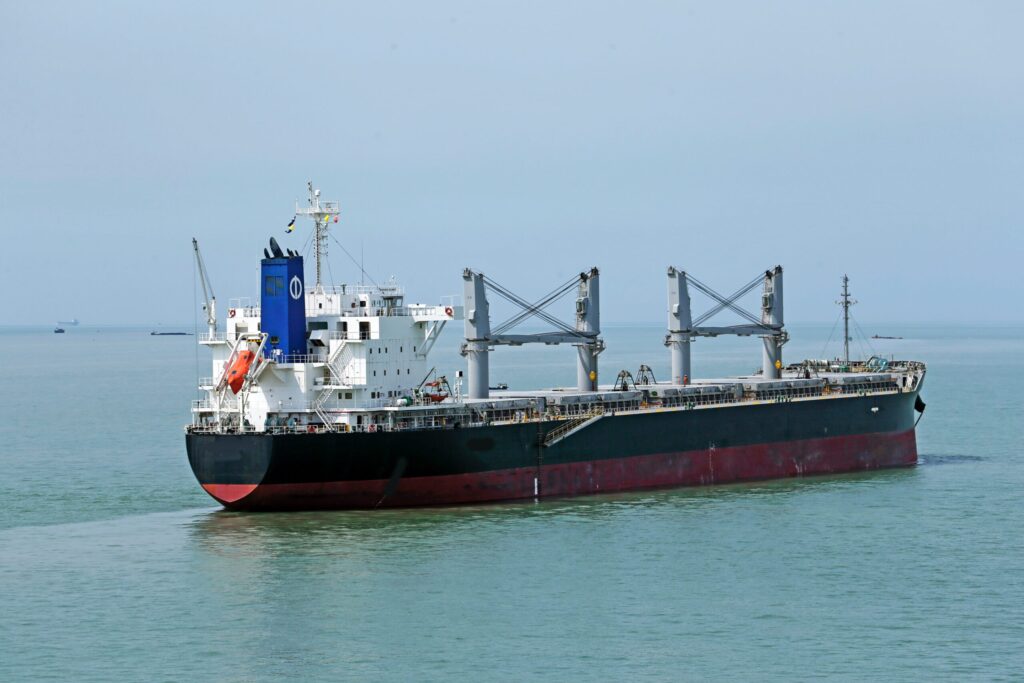
Oman, a significant player in the global oil market, is facing changing dynamics in its oil exports. The sultanate’s oil exports witnessed a 5.7% decline in the first seven months of 2023, primarily due to reduced shipments to India, a vital trade partner. The drop in exports to India by 90.1% is emblematic of shifting global trade preferences and the impact of geopolitical changes. On the other hand, Oman’s exports to China surged by 12.8%, emphasizing the strategic importance of maintaining strong relationships with key partners. Amidst these fluctuations, Oman’s stable oil production underscores its resilience in a volatile energy landscape.
Oman’s Minister Spearheads Global Economic Dialogue at G20 Summit

Qais al Yousef, Oman’s Minister of Commerce, Industry, and Investment Promotion, is leading a prominent delegation to the G20 Trade and Investment Ministerial Meeting in Jaipur, India, followed by the B20 Forum in New Delhi. Amidst the backdrop of ‘One Earth, One Family, One Future,’ the discussions will rejuvenate multilateral trade for global growth, leverage technology for seamless transactions, and fortify resilient trade mechanisms. Yousef’s participation underscores Oman’s commitment to fair, rules-based global trade, aligning with the visionary Oman Vision 2040 while emphasizing the pivotal role of technology in fostering inclusive economic progress and sustainable development.
India’s Diesel Exports Experience Shifts in August
India’s diesel export landscape is undergoing notable shifts in August, with rising volumes to Singapore and changing dynamics in Europe. The surge in diesel exports to Singapore, expected to reach a 19-month high, is driven by factors like lower freight costs and depleted inventories in the region. Conversely, diesel exports to Europe are predicted to hit their lowest levels this year, attributed to more lucrative economies in the East. While the current trend might be short-lived due to changing price spreads, the complex interplay between demand, economics, and regional dynamics showcases the dynamic nature of the global diesel market. This evolving scenario highlights the challenges and opportunities that exporters navigate to optimize their positions.
SEBI Aims to Streamline Grievance Redressal for Investors in India’s Financial Markets

SEBI, the guardian of India’s financial markets, is taking bold steps to empower investors and ensure their grievances are swiftly and fairly resolved. By integrating the SEBI Complaint Redress System (SCORES) with the Online Dispute Resolution Mechanism, SEBI provides a seamless platform for investors to seek redressal against regulated entities. This move, coupled with reduced timelines and a two-level review process, signifies SEBI’s commitment to enhancing transparency and accountability. Investors can now embark on their financial journey more confidently, knowing their concerns will be promptly addressed and their rights protected. SEBI’s initiatives lay the foundation for a thriving investment landscape where trust and integrity prevail.
NPCI Expands UPI Services to Gulf Countries:Paving the Way for Seamless Cross-Border Remittances

The National Payments Corporation of India (NPCI) is set to revolutionize cross-border remittances with its plans to extend the Unified Payments Interface (UPI) services to Gulf countries. This strategic move aims to simplify transferring funds between bank accounts across borders. With discussions in the early stages, NPCI has garnered significant interest from Gulf nations, showcasing the potential for seamless payment solutions. By leveraging UPI’s capabilities and collaborating with central banks and mission offices, NPCI aims to create a secure and efficient platform for cross-border transactions. As India’s UPI transactions surge, experts predict a milestone of 1 billion transactions per day by 2026-27, positioning UPI as the dominant player in the retail digital payments landscape. This expansion strengthens India’s global presence and highlights its commitment to fostering economic cooperation and financial inclusion in the digital era.
India and China Lead Russian Crude Oil Purchases, Shifting Global Dynamics

In a remarkable turn of events, India and China have emerged as dominant players in the global oil market, cementing their positions as major buyers of Russian crude oil. According to the International Energy Agency (IEA), these two Asian powerhouses accounted for a staggering 80 percent of Russia’s oil exports in May, signaling a significant shift in the dynamics of global energy trade. As the world’s fastest-growing economy, India’s increasing reliance on heavily discounted Russian oil aligns with its ambitious plans to meet its soaring energy demands. Meanwhile, China’s continued growth and robust oil consumption have solidified its position as a key player in the global oil market. With geopolitical developments and trade restrictions reshaping the landscape, Russia has redirected its seaborne crude exports to Asia, effectively pivoting away from its traditional European markets. This realignment highlights the changing dynamics of the oil industry and underscores Asia’s growing importance in meeting the world’s energy needs. As India and China assert their influence, the implications for the global oil trade and the future of energy markets remain compelling subjects of observation and analysis.
Sensex and Nifty Surge as Investors Await May Inflation Data and Fed’s Monetary Policy Decision

Indian stock market indices, Sensex and Nifty, opened on a positive trajectory today as investors eagerly awaited the release of May’s retail inflation data and monitored the US Federal Reserve’s monetary policy decision. The S&P BSE Sensex registered a rise of 0.19% at 9:16 am, reaching 62,741.42, while the NSE Nifty 50 climbed 0.18% to 18,597.08. The broader markets also showcased positive momentum, further reinforcing investor confidence.
Russia Emerges as India’s Dominant Oil Supplier, Surpassing Traditional Middle Eastern Sources
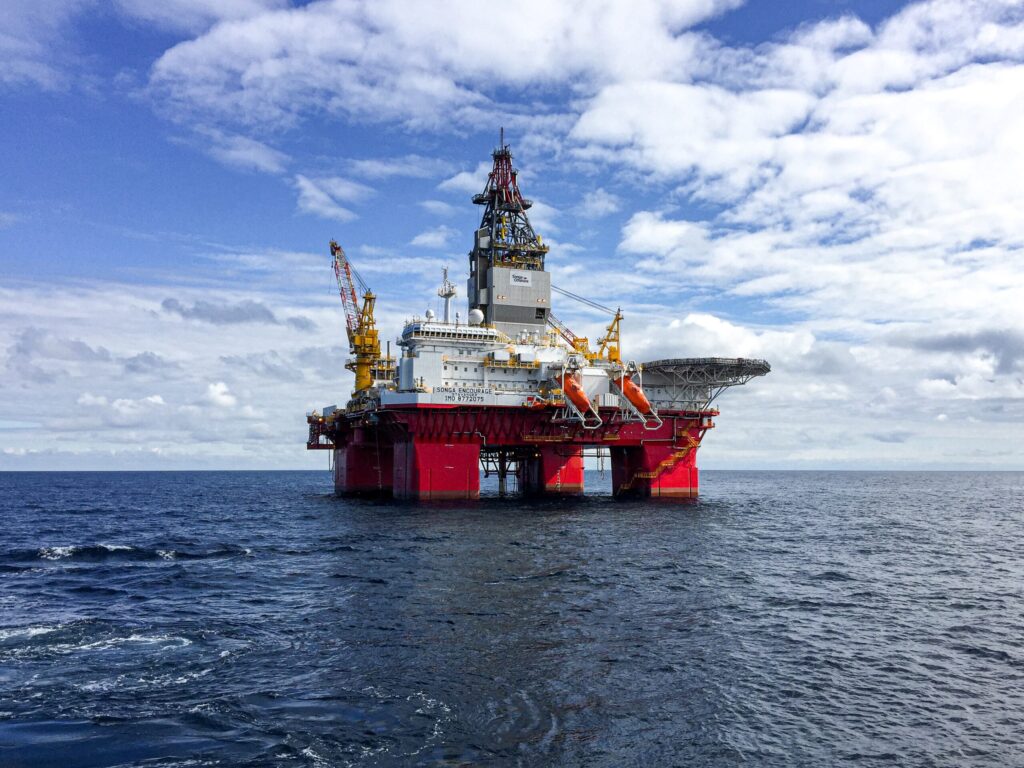
In a significant shift within India’s crude oil market, Russia has surpassed Saudi Arabia, Iraq, the UAE, and the US to become India’s top oil supplier. The import of Russian oil has reached unprecedented levels, reaching nearly 2 million barrels per day in May alone, accounting for approximately 42% of India’s total oil imports that month. This surge in Russia’s dominance has come at the expense of traditional Middle Eastern suppliers, with shipments from Saudi Arabia hitting their lowest level since February 2021.