

Singapore Stock Market Surges Amid Global Optimism and Positive Earnings Reports

The Singapore stock market showed resilience in the face of recent volatility, bouncing back on Wednesday with positive sentiment amid global economic optimism. After experiencing a dip in two of the past three trading days, the Straits Times Index (STI) is set to regain momentum, reflecting the upbeat outlook for interest rates.
Philippine Economy Leads Amidst Southeast Asian Growth Challenges

The Philippines is a shining example of resilience amidst challenging regional economic conditions. The ADB’s positive growth forecast for the country reflects the unwavering strength of its consumer spending and the potential for significant contributions from the tourism and BPO sectors. However, as Southeast Asia navigates the headwinds of weakening global demand and inflationary pressures, continued vigilance and innovative strategies will be crucial to sustaining growth and promoting economic prosperity in the region.
Philippines Faces Hot Money Outflows Amid Global Economic Uncertainty

Amidst a backdrop of global economic uncertainty, the Philippines has witnessed a notable outflow of speculative funds, totalling $805 million in the first five months of the year. As hot money investments decrease and concerns over inflation and interest rates persist, international investors reevaluate their positions. Despite these challenges, key sectors such as banking, food and beverage, and property continue to attract investments. With the Bangko Sentral ng Pilipinas (BSP) implementing measures to stabilize the economy and inflation, the country’s economic outlook remains cautiously optimistic.
The Monetary Authority of Singapore (MAS) Strengthens Insurance Deposit Coverage

Singapore has taken a significant step to fortify its banking system and safeguard small depositors with increased deposit insurance coverage. The Monetary Authority of Singapore (MAS) has proposed raising the coverage per depositor from $75,000 to $100,000, keeping pace with the growth in average deposit balances. This move aims to ensure that most smaller depositors remain fully covered in the event of a bank failure. The MAS also seeks to enhance operational efficiency and transparency within the deposit insurance scheme, emphasizing the importance of pre-emptive safeguards and effective risk management. If implemented, these measures will provide greater peace of mind for depositors and reinforce Singapore’s position as a stable and reliable financial hub.
Singapore’s Central Bank Penalize Major Financial Institutions for Anti-Money Laundering Breaches

Singapore’s central bank, the Monetary Authority of Singapore (MAS), has imposed fines totaling S$3.8 million on leading financial institutions Citibank, DBS, and OCBC, as well as insurer Swiss Life, for failing to meet anti-money laundering and countering terrorism financing requirements. The penalties come in the wake of an investigation into the involvement of Singapore-based individuals in the Wirecard fraud case. Wirecard’s collapse exposed a 1.9 billion euro accounting discrepancy and highlighted the need for stronger safeguards within the financial sector. The fines demonstrate MAS’s commitment to upholding regulatory standards and ensuring the integrity of Singapore’s financial system.
Impact of Singapore’s Economic Slowdown on Non-Resident Indians

Singapore’s economic slowdown and declining job market have raised concerns among non-resident Indians (NRIs) residing in the city-state. As the country faces challenges such as a contraction in the economy and declining exports, NRIs may find it more challenging to secure employment opportunities. However, amidst these difficulties, there are also opportunities to be found. Sectors like information and communication technologies and financial services continue to show resilience, indicating potential skill-specific job openings. To navigate this changing landscape, NRIs should focus on adapting their skills, networking, and staying updated with industry trends. By doing so, they can position themselves to overcome challenges and contribute meaningfully to Singapore’s economy.
NPCI Expands UPI Services to Gulf Countries:Paving the Way for Seamless Cross-Border Remittances

The National Payments Corporation of India (NPCI) is set to revolutionize cross-border remittances with its plans to extend the Unified Payments Interface (UPI) services to Gulf countries. This strategic move aims to simplify transferring funds between bank accounts across borders. With discussions in the early stages, NPCI has garnered significant interest from Gulf nations, showcasing the potential for seamless payment solutions. By leveraging UPI’s capabilities and collaborating with central banks and mission offices, NPCI aims to create a secure and efficient platform for cross-border transactions. As India’s UPI transactions surge, experts predict a milestone of 1 billion transactions per day by 2026-27, positioning UPI as the dominant player in the retail digital payments landscape. This expansion strengthens India’s global presence and highlights its commitment to fostering economic cooperation and financial inclusion in the digital era.
Japan’s Kirin Holdings to Acquire Blackmores Limited for $1.24 Billion

Kirin Holdings Co Ltd of Japan will buy Australia’s Blackmores Ltd for $1.24 billion, operating a natural health business in the Asia-Pacific region, the two companies announced on Thursday.
OCBC Bank Launches New Net-Zero Aligned Loan for Corporates
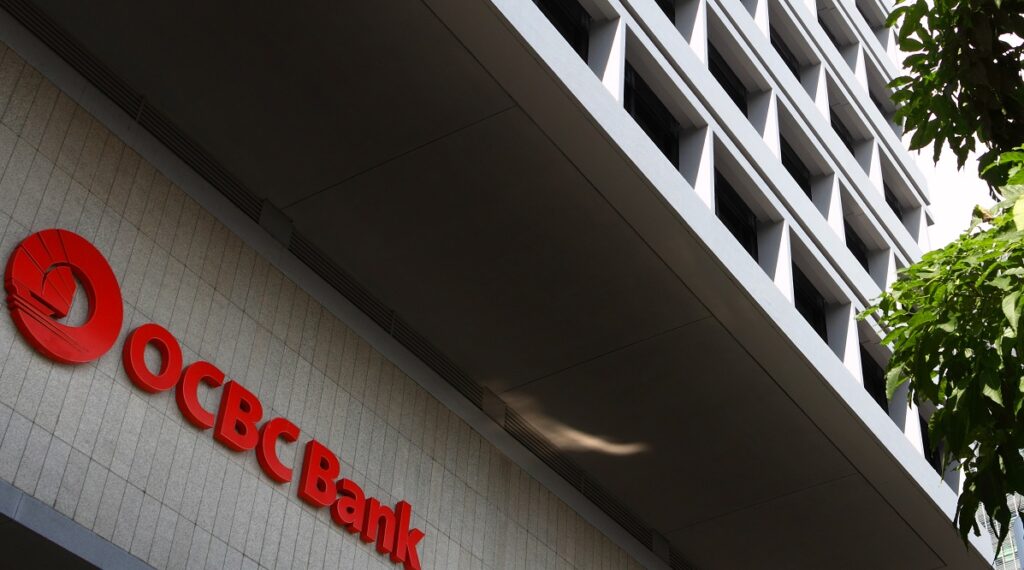
To encourage the corporate sector to reach net zero targets well in time, the Singapore-based Oversea-Chinese Banking Corporation (OCBC) has launched a new net-zero-aligned loan for corporates.
Dyson to Develop New Facilities in Singapore, UK and Philippines

The Singapore headquartered consumer electronics major Dyson on Wednesday announced that it will be building new manufacturing facilities and technological hubs at Tuas in region Singapore, the Philippines, and the UK as part of its ongoing five-year $3.4 billion global investment plan for the development of its software and AI capabilities.