
Morocco’s Economy, A Deep Dive into Growth and Reform Initiatives
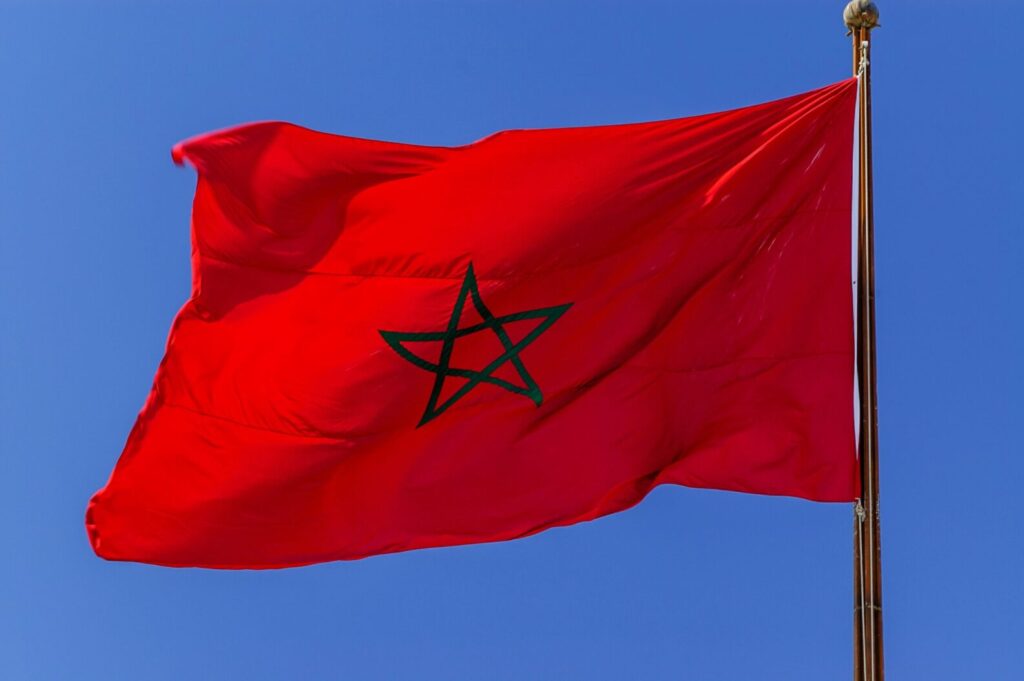
Morocco’s economic landscape is poised for resilience, with the International Monetary Fund (IMF) forecasting a 3.1% GDP growth in 2023, up from 0.8% in the previous year.
Jordan’s Economy Faces Setback, Prime Minister Highlights Impact of Gaza Conflict
Jordan’s Prime Minister, Bisher al Khasawneh, voiced concerns over the Gaza conflict’s impact on the nation’s once-promising economy. The disruption in Red Sea shipping due to Houthi attacks, coupled with a significant dip in tourism post the Oct. 7 Hamas attack, has thwarted Jordan’s economic growth trajectory. Shipping costs for cargo arriving at Aqaba’s Red Sea port have surged, sparking worries about potential inflation. Despite the challenges, Jordan remains focused on its economic modernization plan, seeking to enhance competitiveness. The recent IMF approval of a $1.2 billion loan program reflects international confidence in Jordan’s economic policies, providing a ray of hope for recovery.
Morocco’s Ambitious Plans to Revitalize Tourism Sector Post-Earthquake

Ambitious goals and attractive incentives for investors mark Morocco’s determined efforts to revitalize its tourism sector post-earthquake. With plans to double annual tourism investments to $2 billion by 2026, the country aims to welcome millions of tourists, create jobs, and boost foreign exchange earnings. Despite a recent earthquake, Morocco remains an alluring destination, offering diverse landscapes and competitive infrastructure. The nation’s strategic roadmap emphasizes the development of beach resorts and leisure attractions, diversifying its tourism offerings. As Morocco seeks investment from GCC, Asian, and African investors, its stability and global positioning make it a compelling destination for capital inflow.
Morocco’s Ambitious Recovery Plan: Rebuilding After the Earthquake
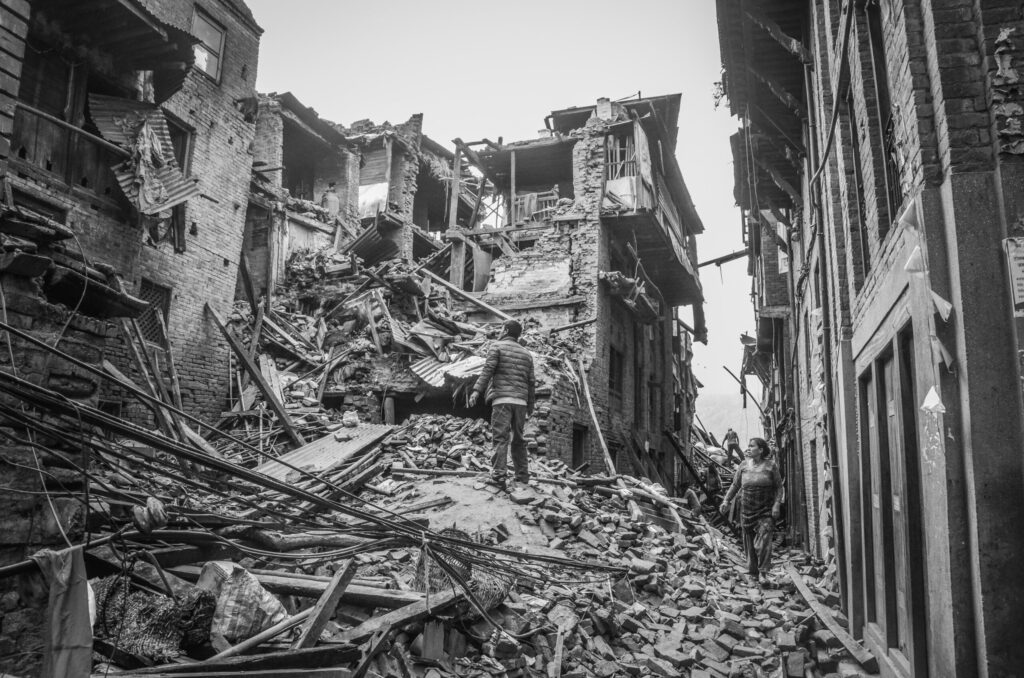
Morocco’s commitment to invest $11.7 billion in earthquake recovery and development over the next five years is a testament to its determination to rebuild after the devastating earthquake that struck in early September. The earthquake, the strongest in Morocco in 120 years, exposed vulnerabilities in several regions, leaving thousands without shelter and underscoring inequalities. This ambitious recovery plan, supported by both government funding and international aid, aims to not only reconstruct infrastructure but also reduce social disparities and enhance access to basic services in affected areas. The annual cost of this plan, around $2.3 billion, is a relatively small fraction of the country’s GDP, signaling Morocco’s dedication to economic growth and development. As the nation embarks on this journey to rebuild, global solidarity and support will be instrumental in achieving a more resilient and prosperous future for the affected communities.
Morocco Prepares to Host World Bank-IMF Meetings Amidst Earthquake Aftermath
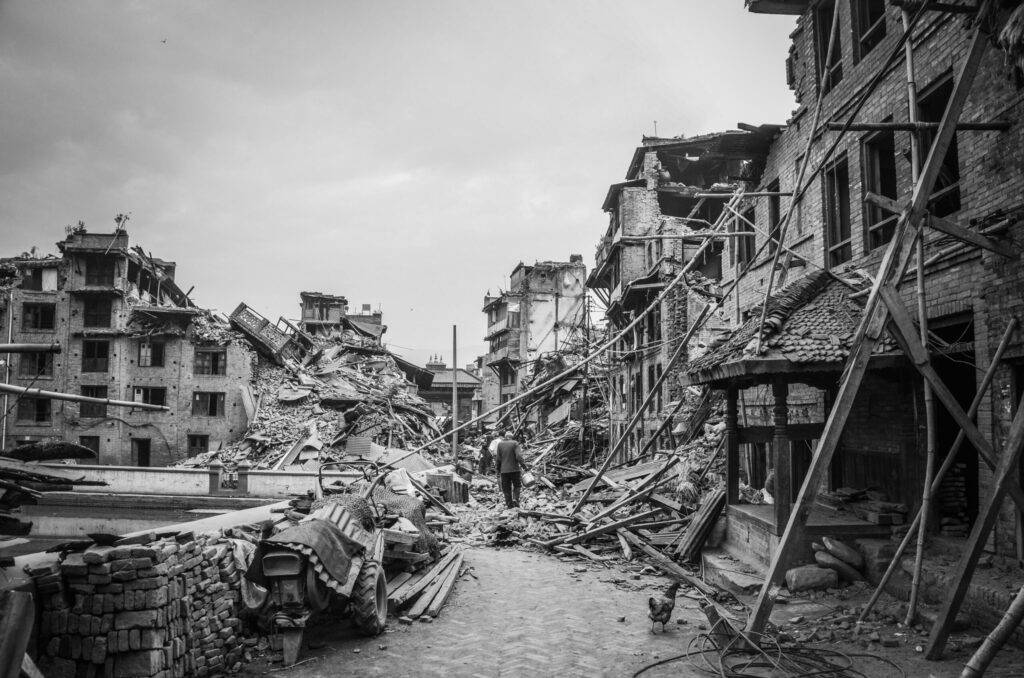
Morocco’s unwavering commitment to hosting the World Bank-IMF meetings in the wake of a devastating earthquake demonstrates remarkable resilience and dedication. With over 12,000 participants expected to attend, the country has spared no effort in preparing a world-class venue spanning 50 hectares. The earthquake’s impact assessment is underway to ensure that affected areas are rebuilt in a resilient and sustainable manner. Despite the tragic event, Moroccan officials emphasize that the designated venue remains untouched and fully operational. Marrakesh, the host city, is ready to showcase its achievements and reforms to a global audience, providing a vital platform for African nations to advocate for their long-term growth.
Morocco’s Central Bank Governor Promotes Multilateralism Amidst Global Challenges
Morocco’s central bank governor, Abdellatif Jouahri, has issued a compelling call to return to multilateralism as the world grapples with intricate economic and geopolitical dynamics. In a discussion with the IMF, Jouahri stressed the importance of assessing past multilateral efforts and building stronger institutions capable of addressing the increasingly complex global landscape. This plea comes as Morocco prepares to host the 2023 Annual Meetings of the World Bank Group and the IMF, where high-level delegates will gather to confront the challenges of a fragmented world. Jouahri’s emphasis on prioritization and effective evaluation of actions highlights the urgency of collective efforts to navigate an ever-changing global paradigm.
Bank of England Set to Tackle Inflationary Pressures with Potential Interest Rate Hike
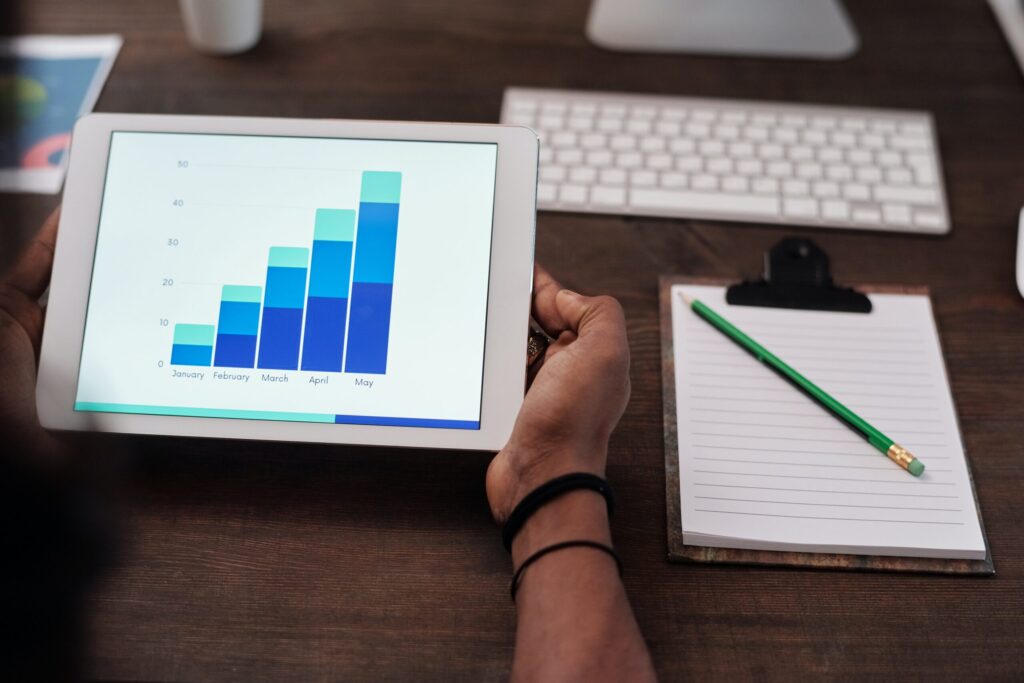
The Bank of England’s potential interest rate hike reflects its commitment to tackling inflationary challenges and ensuring economic stability. As global central banks grapple with rising inflation, striking the right balance between curbing consumer spending and supporting sustainable growth remains a top priority. The UK’s economic resilience, as forecasted by the IMF, presents a glimmer of hope amid uncertainties. The BoE’s measured approach in implementing interest rate adjustments will be instrumental in steering the economy towards a path of long-term prosperity and financial well-being.
Oil falls again as worries grow over global economy, China COVID cases
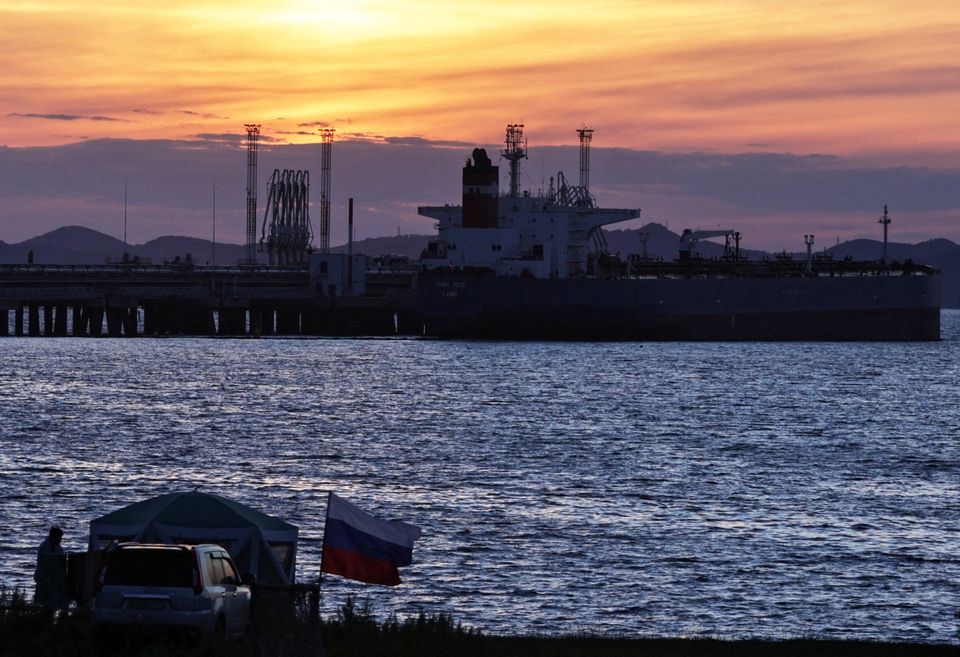
Oil edged lower on Wednesday after slumping in the previous session, weighed down by concerns about weak demand due to the state of the global economy and China’s rising COVID cases.
Germany’s half-a-trillion dollar energy bazooka may not be enough
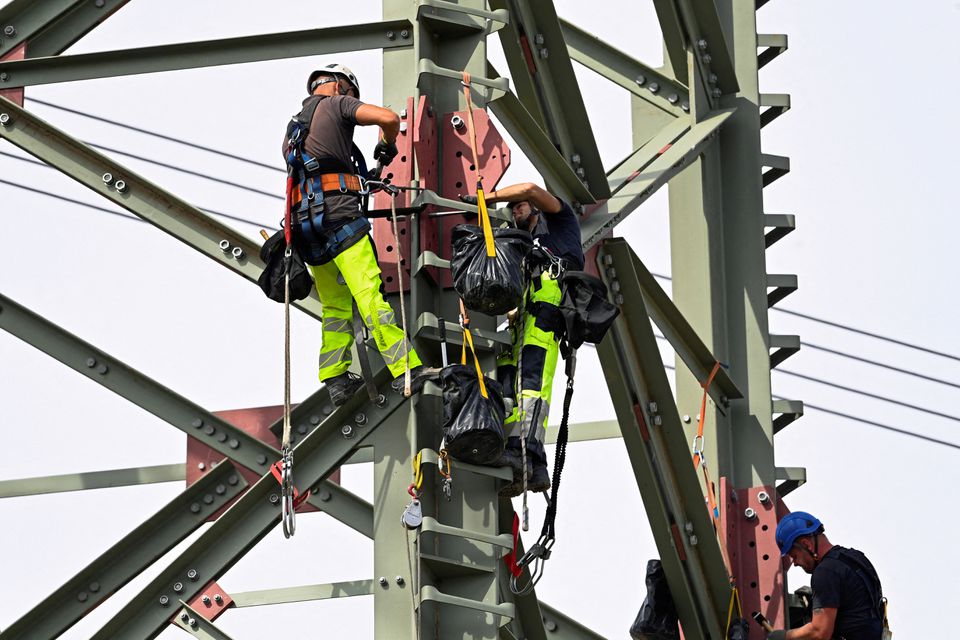
Germany is bleeding cash to keep the lights on. Almost half a trillion dollars, and counting, since the Ukraine war jolted it into an energy crisis nine months ago.
Sri Lanka announces budget aimed at clinching IMF deal, sees recovery by end-2023
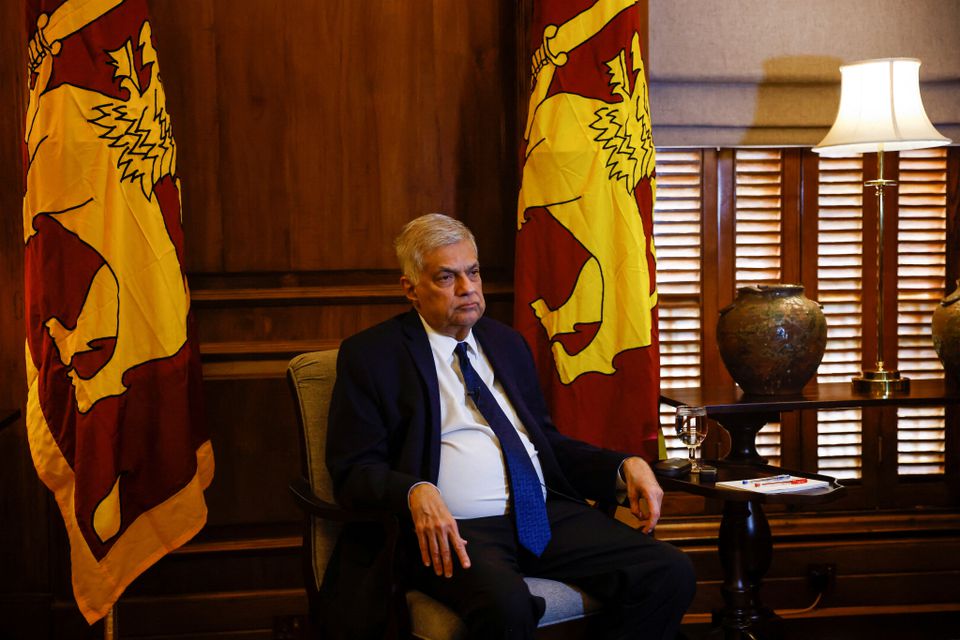
The crisis-hit Sri Lankan economy can turnaround by end of 2023 if budget policies, which are not limited to the International Monetary Fund’s recommendations, are followed, President Ranil Wickremesinghe said in the budget speech on Monday.