Kuwait Takes a Pioneering Leap Towards Power and Water Privatization

Kuwait’s announcement of plans to privatize its power and water assets signifies a pivotal moment in the nation’s quest for improved service delivery and economic efficiency. Backed by a comprehensive feasibility study, this transformational initiative is poised to drastically reduce the government’s annual expenditure on these essential services, which currently exceeds $19 billion in subsidies. By opening the doors to privatization, Kuwait aims to introduce competition, innovation, and private sector investment into its energy sector, thereby enhancing service quality and operational efficiency. While challenges lie ahead, including regulatory complexities and ensuring affordability for the general population, this move reflects Kuwait’s commitment to modernizing its infrastructure and embracing global standards.
Kraken’s Strategic Move; Expanding Reach Through BCM Acquisition

Kraken, a prominent player in the cryptocurrency exchange arena, has unveiled plans to bolster its European presence by acquiring Coin Meester BV (BCM) in the Netherlands. Founded in 2017, BCM has become a respected Dutch crypto broker, offering services for staking, buying, and selling over 170 cryptocurrencies with robust local funding rails.
This strategic move will provide BCM clients with access to Kraken’s extensive product offerings, 24/7 live support, top-tier security, and market-leading liquidity. Kraken aims to tap into the Netherlands’ advanced crypto adoption and innovation culture, strengthening its foothold in Europe. While the financial details remain undisclosed, this acquisition has stirred enthusiasm within the Dutch crypto community, anticipating positive developments in the crypto landscape.
India-Middle East-Europe Economic Corridor; A Pathway to Global Connectivity

The India-Middle East-Europe Economic Corridor, an initiative arising from India’s G20 presidency, is gaining momentum with international support. This corridor promises robust infrastructure investments, economic integration, and enhanced connectivity across Asia, West Asia, the Middle East, and Europe. It consists of two key corridors, emphasizing cross-border rail transit networks to boost trade and services. Additionally, the India-US Initiative on Critical and Emerging Technology (iCET) aims to strengthen technology partnerships and resilience in supply chains. These developments underscore India’s active role in global diplomacy and economic growth.
Oman LNG’s Flourishing Gas Supply Agreements in 2023 Signal Growth and Global Expansion

Oman LNG’s recent surge in gas supply agreements signifies a pivotal moment for the company and Oman’s energy landscape. With 14 binding long-term agreements inked in 2023 alone, Oman LNG solidifies its role as a major player in the liquefied natural gas market. These deals extend Oman’s reach into diverse global markets, including the Middle East, East Asia, and Europe. The commitment to supply 10.4 million metric tonnes of LNG annually from 2025 onwards underlines Oman LNG’s dedication to supporting the national economy and enhancing its strategic partnerships with international energy corporations. This impressive growth reflects Oman LNG’s efficiency and investor confidence, securing its place on the global energy stage.
Morocco’s Ambitious Plans to Revitalize Tourism Sector Post-Earthquake

Ambitious goals and attractive incentives for investors mark Morocco’s determined efforts to revitalize its tourism sector post-earthquake. With plans to double annual tourism investments to $2 billion by 2026, the country aims to welcome millions of tourists, create jobs, and boost foreign exchange earnings. Despite a recent earthquake, Morocco remains an alluring destination, offering diverse landscapes and competitive infrastructure. The nation’s strategic roadmap emphasizes the development of beach resorts and leisure attractions, diversifying its tourism offerings. As Morocco seeks investment from GCC, Asian, and African investors, its stability and global positioning make it a compelling destination for capital inflow.
Tensions Escalate in South China Sea as Philippines Challenges Chinese Barrier

The escalating tensions in the South China Sea have reached a critical point as the Philippines takes a stand against China’s installation of a floating barrier at Scarborough Shoal. This move has further strained the territorial disputes involving multiple nations in the region. The Philippines, backed by a 2016 UN arbitration decision, asserts its exclusive economic rights over Scarborough Shoal, which China continues to challenge. This development underscores the need for diplomatic efforts to address these complex disputes and prevent any escalation in the resource-rich South China Sea. The situation is particularly sensitive, given the involvement of the United States as a treaty ally of the Philippines, emphasizing the importance of finding peaceful resolutions.
Kuwait Seeks Support for UN Human Rights Council Membership

Kuwait’s Prime Minister, Sheikh Ahmad Nawaf Al-Ahmad Al-Jaber Al-Sabah, has passionately appealed to UN member states during the 78th UN General Assembly session in New York. His message urged countries to support Kuwait’s bid for membership in the UN Human Rights Council for the 2024-2026 term, with elections scheduled for October next year. Kuwait’s goal is to represent the developing world and work collaboratively to find equitable solutions to human rights issues in accordance with international law and UN resolutions. This move underscores Kuwait’s commitment to multilateralism and the principles of the United Nations Charter, focusing on international peace, security, and the well-being of humanity. Kuwait’s potential role in the UN Human Rights Council signifies its dedication to advancing global human rights efforts.
Economic Resilience Amidst Oil Output Cuts: GCC Growth Prospects
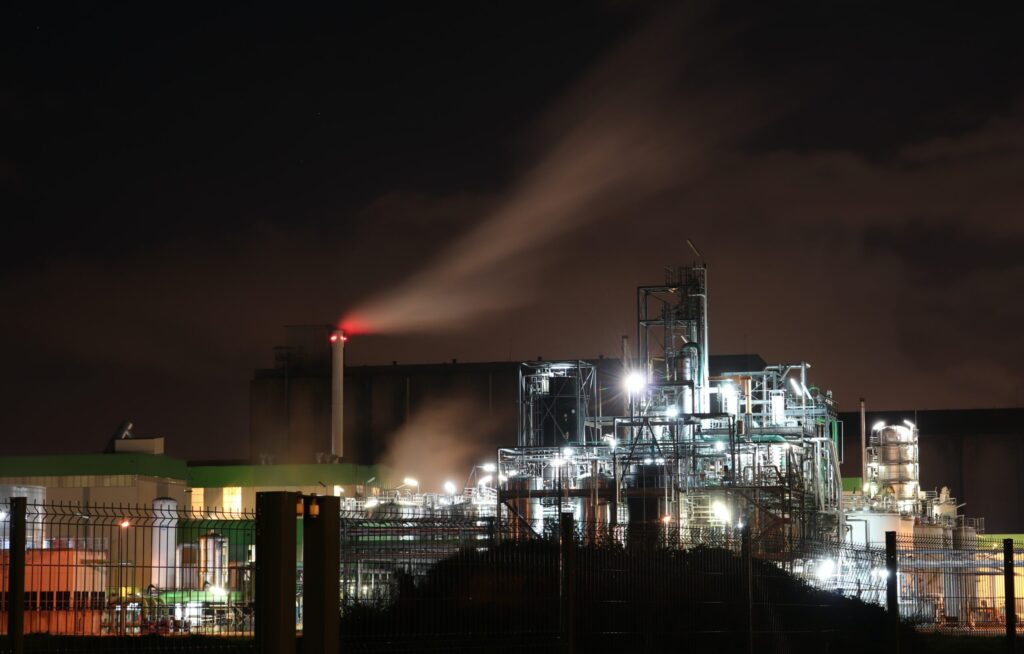
The Gulf Cooperation Council (GCC) economies faced an intricate economic landscape in the second quarter of 2023, marked by reduced oil production. This led to a 0.5 percentage point downward revision in growth forecasts for the GCC, setting the growth rate at 1.4% for the year. However, the region’s non-energy sectors have shown resilience, with robust growth in tourism-related industries. Rising energy prices, driven by global factors, have also played a pivotal role, with Brent oil reaching $90 per barrel. The impending inclusion of Saudi Arabia and the UAE into the BRICS group offers a ray of hope, fostering economic diversification and reducing reliance on the US dollar, setting the stage for a more optimistic future.
Unprecedented Plankton Bloom in Thailand’s Gulf Threatens Marine Life and Fisheries

An extraordinary plankton bloom off Thailand’s eastern coast is triggering concerns of a marine “dead zone,” posing a serious threat to local mussel farmers. The Gulf of Thailand is witnessing plankton levels over ten times the norm, turning the water vibrant green and decimating marine life. These blooms, usually brief, can unleash toxins and deplete oxygen and sunlight, harming the environment. In Chonburi, renowned for mussel farming, over 80% of nearly 300 plots are impacted, causing substantial losses for fishermen like Suchat Buwat, whose earnings have dropped by more than 500,000 baht ($14,000). Pollution and rising sea temperatures linked to climate change are suspected culprits behind this unprecedented event, emphasizing the need for sustainable resource management and climate action.
Navigating Cloud Security Challenges, South African Executives Seek Solutions

A recent survey among South African business leaders revealed that 89% are deeply concerned about cloud security, echoing global anxieties. The nation’s tech sector faces challenges stemming from a domestic skills crisis, with cybersecurity (37%) and a lack of technical skills (39%) cited as major barriers to cloud adoption. Interestingly, South Africa’s primary focus is on basic security risks, in contrast to more mature markets that grapple with advanced threats. The country’s cloud computing market is on the rise, with 35.8% of businesses hosting over 50% of their workload in the cloud. However, ensuring the right talent remains a challenge in this digital transformation journey.