
News

Tensions Escalate in South China Sea as Philippines Challenges Chinese Barrier

The escalating tensions in the South China Sea have reached a critical point as the Philippines takes a stand against China’s installation of a floating barrier at Scarborough Shoal. This move has further strained the territorial disputes involving multiple nations in the region. The Philippines, backed by a 2016 UN arbitration decision, asserts its exclusive economic rights over Scarborough Shoal, which China continues to challenge. This development underscores the need for diplomatic efforts to address these complex disputes and prevent any escalation in the resource-rich South China Sea. The situation is particularly sensitive, given the involvement of the United States as a treaty ally of the Philippines, emphasizing the importance of finding peaceful resolutions.

Kuwait Seeks Support for UN Human Rights Council Membership

Kuwait’s Prime Minister, Sheikh Ahmad Nawaf Al-Ahmad Al-Jaber Al-Sabah, has passionately appealed to UN member states during the 78th UN General Assembly session in New York. His message urged countries to support Kuwait’s bid for membership in the UN Human Rights Council for the 2024-2026 term, with elections scheduled for October next year. Kuwait’s goal is to represent the developing world and work collaboratively to find equitable solutions to human rights issues in accordance with international law and UN resolutions. This move underscores Kuwait’s commitment to multilateralism and the principles of the United Nations Charter, focusing on international peace, security, and the well-being of humanity. Kuwait’s potential role in the UN Human Rights Council signifies its dedication to advancing global human rights efforts.

Economic Resilience Amidst Oil Output Cuts: GCC Growth Prospects

The Gulf Cooperation Council (GCC) economies faced an intricate economic landscape in the second quarter of 2023, marked by reduced oil production. This led to a 0.5 percentage point downward revision in growth forecasts for the GCC, setting the growth rate at 1.4% for the year. However, the region’s non-energy sectors have shown resilience, with robust growth in tourism-related industries. Rising energy prices, driven by global factors, have also played a pivotal role, with Brent oil reaching $90 per barrel. The impending inclusion of Saudi Arabia and the UAE into the BRICS group offers a ray of hope, fostering economic diversification and reducing reliance on the US dollar, setting the stage for a more optimistic future.

Unprecedented Plankton Bloom in Thailand’s Gulf Threatens Marine Life and Fisheries

An extraordinary plankton bloom off Thailand’s eastern coast is triggering concerns of a marine “dead zone,” posing a serious threat to local mussel farmers. The Gulf of Thailand is witnessing plankton levels over ten times the norm, turning the water vibrant green and decimating marine life. These blooms, usually brief, can unleash toxins and deplete oxygen and sunlight, harming the environment. In Chonburi, renowned for mussel farming, over 80% of nearly 300 plots are impacted, causing substantial losses for fishermen like Suchat Buwat, whose earnings have dropped by more than 500,000 baht ($14,000). Pollution and rising sea temperatures linked to climate change are suspected culprits behind this unprecedented event, emphasizing the need for sustainable resource management and climate action.

India Strengthens Naval Presence in South East Asia to Bolster Regional Security

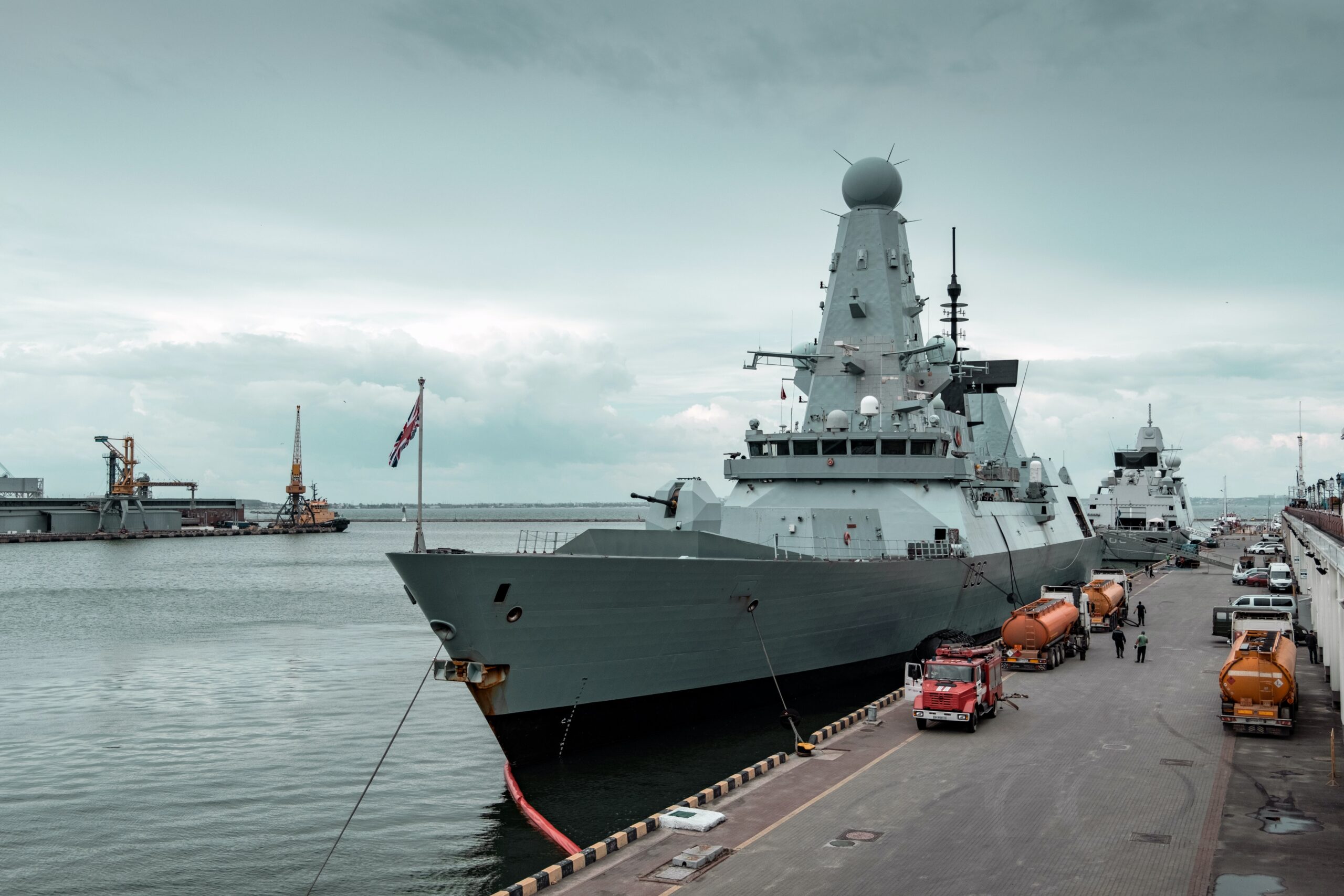
India’s recent naval deployment to Singapore for the “SIMBEX” bilateral combat exercise highlights the nation’s commitment to enhancing military interoperability in Southeast Asia. The participation of two advanced warships, a submarine, and a maritime patrol aircraft underscores India’s role in regional security efforts. This exercise, in its 30th edition, is the longest continuous naval engagement between India and any foreign nation. It encompasses a wide range of combat drills, from air defense exercises to anti-submarine warfare. India’s proactive engagement in the region reflects its concerns over regional stability and its commitment to building strong defense partnerships.

Qatar Airways Expands Its Saudi Arabian Network: New Destinations and Increased Frequencies

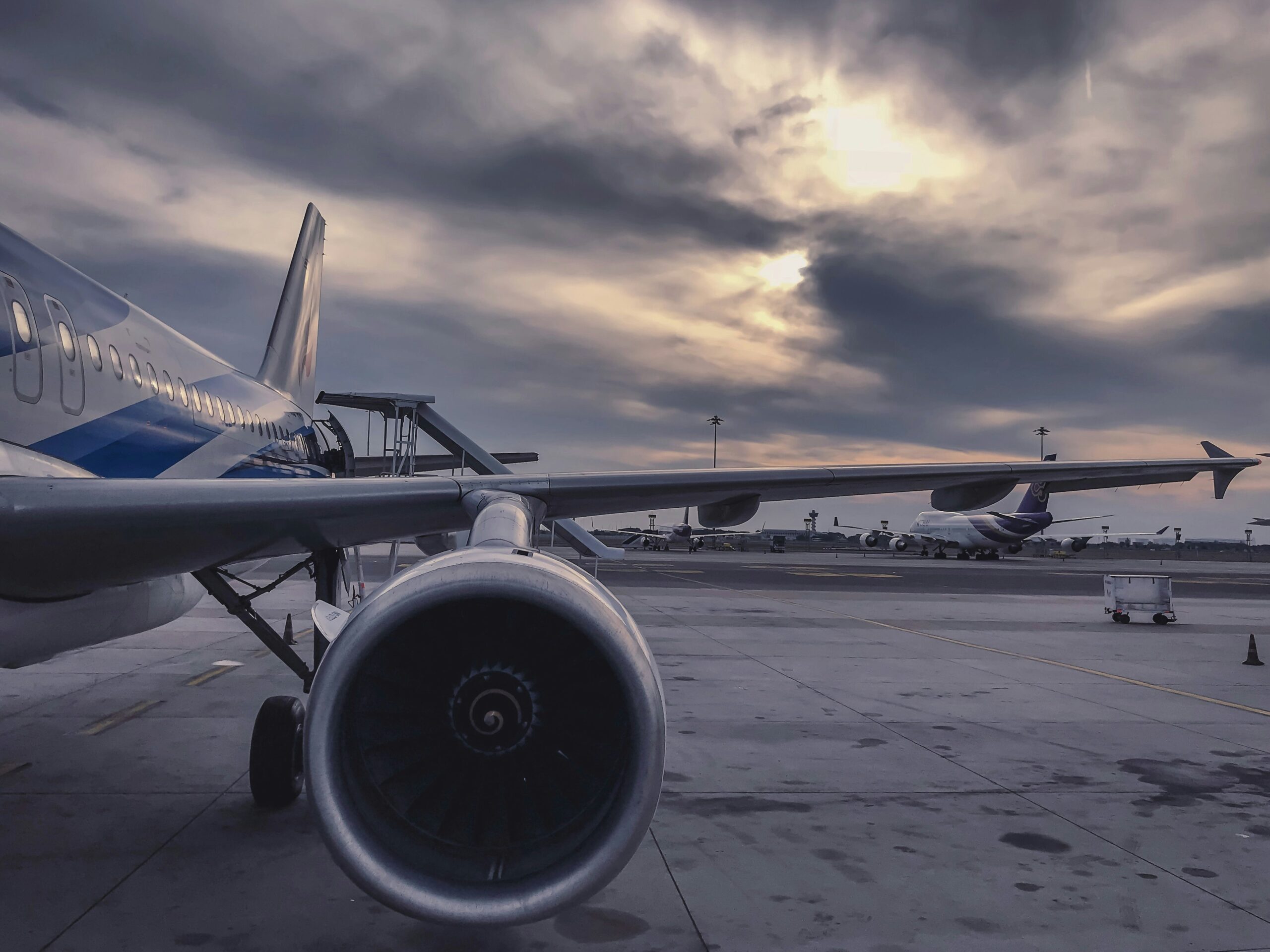
Qatar Airways is set to enhance its presence in Saudi Arabia, with plans to introduce new flights to AlUla, Tabuk, and the reopening of Yanbu. The airline’s expansion aims to provide travelers with more choices and convenient access to these Saudi cities, each offering unique cultural and natural attractions. With this strategic move, Qatar Airways solidifies its commitment to offering diverse travel options and strengthening connectivity within the Gulf region. Passengers can look forward to exploring AlUla’s rich history, the vibrant city of Yanbu, and the captivating allure of Tabuk. This expansion aligns with Qatar Airways’ global growth strategy, ensuring travelers enjoy seamless journeys worldwide.

Morocco’s Ambitious Recovery Plan: Rebuilding After the Earthquake

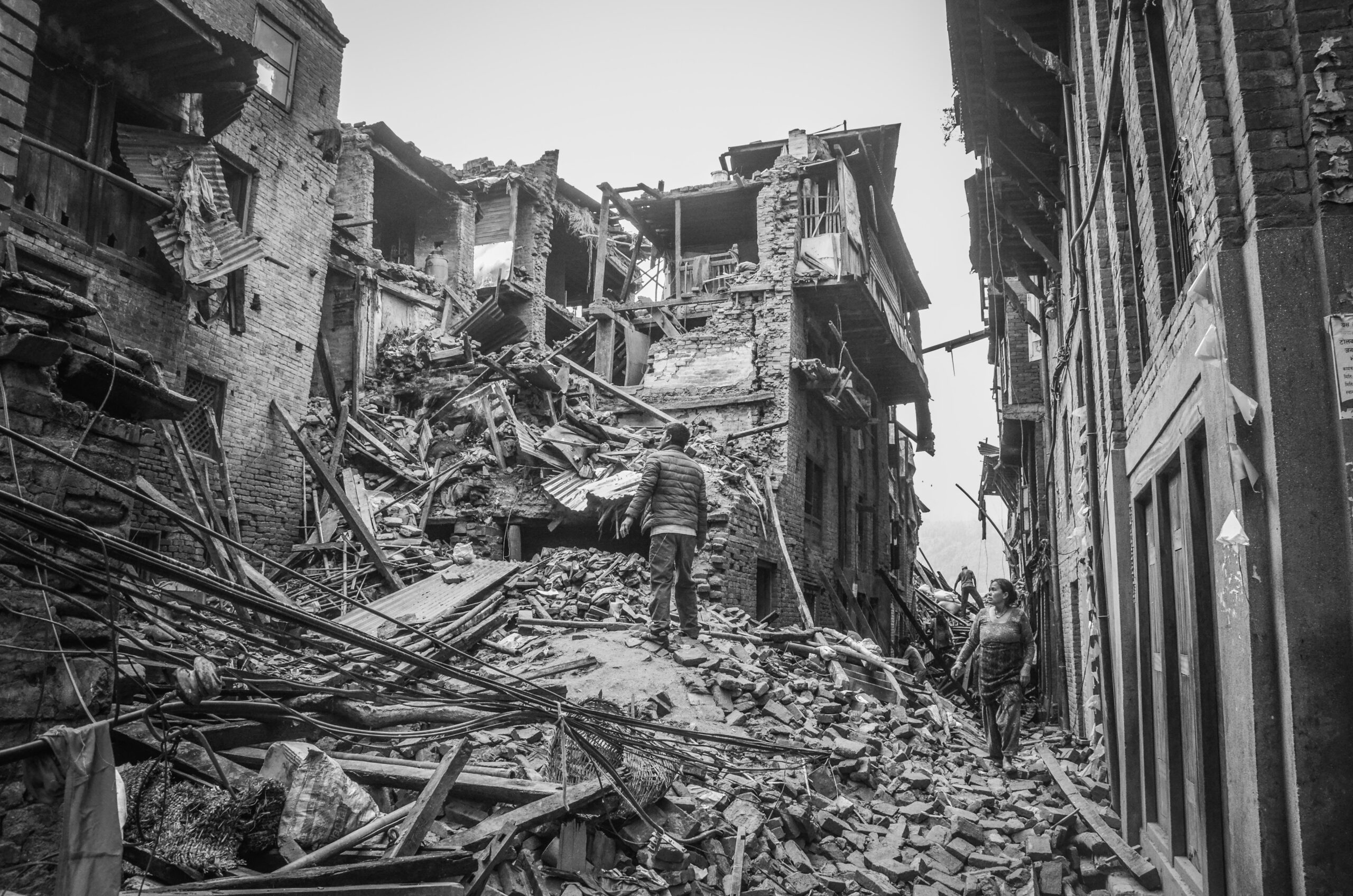
Morocco’s commitment to invest $11.7 billion in earthquake recovery and development over the next five years is a testament to its determination to rebuild after the devastating earthquake that struck in early September. The earthquake, the strongest in Morocco in 120 years, exposed vulnerabilities in several regions, leaving thousands without shelter and underscoring inequalities. This ambitious recovery plan, supported by both government funding and international aid, aims to not only reconstruct infrastructure but also reduce social disparities and enhance access to basic services in affected areas. The annual cost of this plan, around $2.3 billion, is a relatively small fraction of the country’s GDP, signaling Morocco’s dedication to economic growth and development. As the nation embarks on this journey to rebuild, global solidarity and support will be instrumental in achieving a more resilient and prosperous future for the affected communities.

Morocco’s Resilient Economic Outlook Amidst Structural Reforms

Amidst challenging economic circumstances, Morocco’s commitment to enacting structural reforms stands as a beacon of hope. Despite figures pointing to a widening budget deficit and high debt-to-GDP ratio, a closer look reveals a nuanced story. With a strategy that includes consolidating VAT rates, introducing a carbon tax, and curbing the public wage bill, Morocco’s approach shows a determined effort to secure its financial future. Backed by an IMF assistance program and a resilient spirit, the nation’s economic trajectory seems poised for positive growth. As Morocco navigates these complex waters, its dedication to reform highlights its potential to overcome obstacles and embrace prosperity.

Sun Life Grepa’s Empathetic Approach, Ensuring Filipinos’ Financial Confidence

Sun Life Grepa Financial, Inc. (Sun Life Grepa), a leading insurance provider in the Philippines, has unveiled its latest campaign, “We Get You, We Got You. Gets Ka Namin, Sagot Ka Namin.” The campaign caters to various segments of Sun Life Grepa’s clientele through relatable videos, ranging from entrepreneurs to overseas Filipino workers (OFWs). By offering personalized solutions and a range of life insurance products, the company aims to address the unique financial concerns of its customers. This initiative reflects Sun Life Grepa’s commitment to being more than an insurer, positioning itself as a partner in clients’ financial journeys, ensuring their security and peace of mind.

Oman’s Export Landscape, Navigating Shifting Markets and Emerging Trends

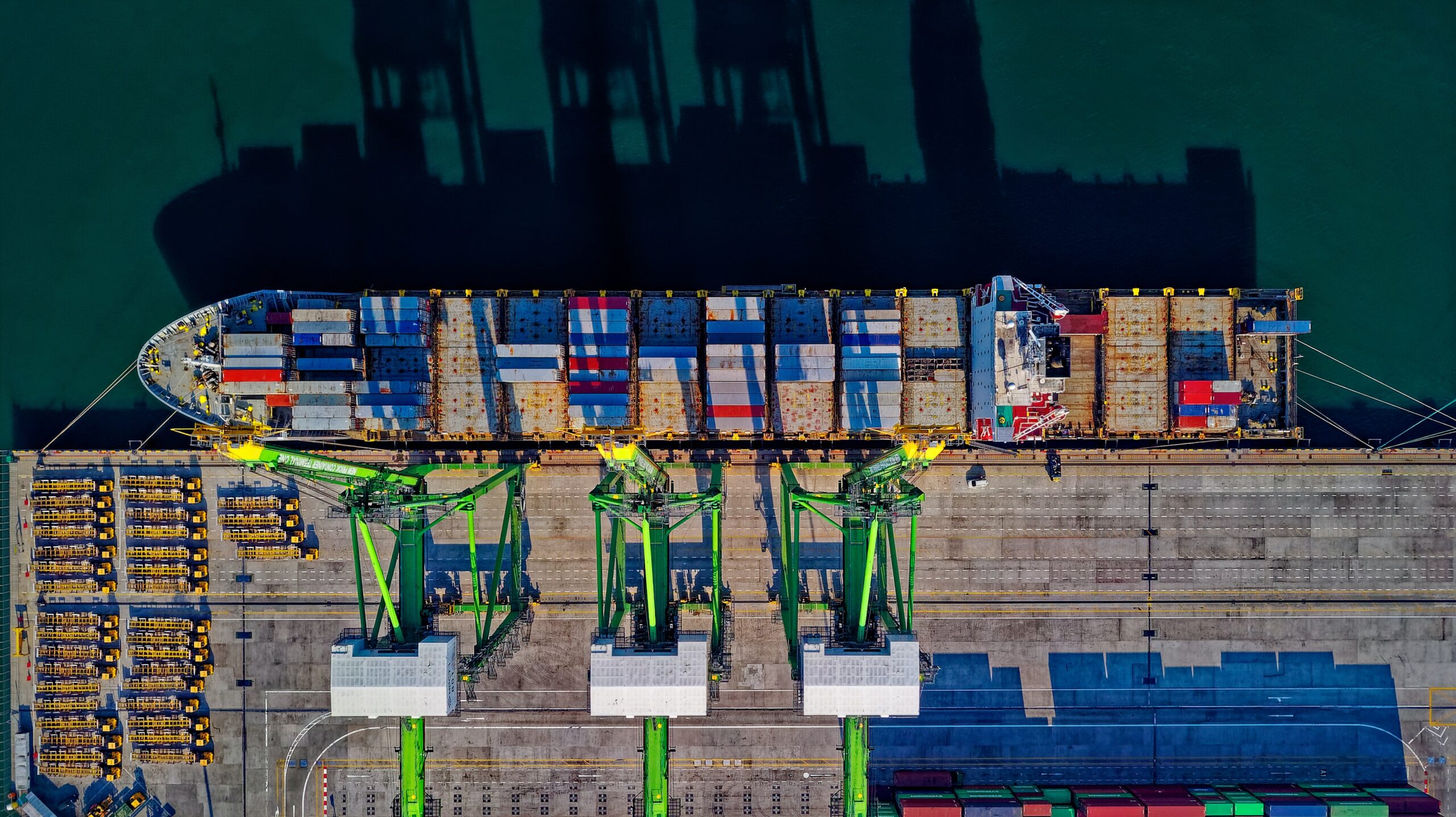
Oman’s export sector is undergoing a significant transformation, with recent data shedding light on its shifting trends and challenges. Non-oil exports have experienced a notable decline of nearly 12% in the first five months of 2023, attributed largely to reduced shipments to the United States. On the other hand, re-exports have surged by 28.7%, fueled by growing economic activity and demand in the Gulf region. As Oman navigates these changes, focusing on diversification, regional relationships, and sectoral adaptability remains crucial to ensuring a resilient export economy.

Tensions Escalate in South China Sea as Philippines Challenges Chinese Barrier

The escalating tensions in the South China Sea have reached a critical point as the Philippines takes a stand against China’s installation of a floating barrier at Scarborough Shoal. This move has further strained the territorial disputes involving multiple nations in the region. The Philippines, backed by a 2016 UN arbitration decision, asserts its exclusive economic rights over Scarborough Shoal, which China continues to challenge. This development underscores the need for diplomatic efforts to address these complex disputes and prevent any escalation in the resource-rich South China Sea. The situation is particularly sensitive, given the involvement of the United States as a treaty ally of the Philippines, emphasizing the importance of finding peaceful resolutions.

Kuwait Seeks Support for UN Human Rights Council Membership

Kuwait’s Prime Minister, Sheikh Ahmad Nawaf Al-Ahmad Al-Jaber Al-Sabah, has passionately appealed to UN member states during the 78th UN General Assembly session in New York. His message urged countries to support Kuwait’s bid for membership in the UN Human Rights Council for the 2024-2026 term, with elections scheduled for October next year. Kuwait’s goal is to represent the developing world and work collaboratively to find equitable solutions to human rights issues in accordance with international law and UN resolutions. This move underscores Kuwait’s commitment to multilateralism and the principles of the United Nations Charter, focusing on international peace, security, and the well-being of humanity. Kuwait’s potential role in the UN Human Rights Council signifies its dedication to advancing global human rights efforts.

Economic Resilience Amidst Oil Output Cuts: GCC Growth Prospects

The Gulf Cooperation Council (GCC) economies faced an intricate economic landscape in the second quarter of 2023, marked by reduced oil production. This led to a 0.5 percentage point downward revision in growth forecasts for the GCC, setting the growth rate at 1.4% for the year. However, the region’s non-energy sectors have shown resilience, with robust growth in tourism-related industries. Rising energy prices, driven by global factors, have also played a pivotal role, with Brent oil reaching $90 per barrel. The impending inclusion of Saudi Arabia and the UAE into the BRICS group offers a ray of hope, fostering economic diversification and reducing reliance on the US dollar, setting the stage for a more optimistic future.

Unprecedented Plankton Bloom in Thailand’s Gulf Threatens Marine Life and Fisheries

An extraordinary plankton bloom off Thailand’s eastern coast is triggering concerns of a marine “dead zone,” posing a serious threat to local mussel farmers. The Gulf of Thailand is witnessing plankton levels over ten times the norm, turning the water vibrant green and decimating marine life. These blooms, usually brief, can unleash toxins and deplete oxygen and sunlight, harming the environment. In Chonburi, renowned for mussel farming, over 80% of nearly 300 plots are impacted, causing substantial losses for fishermen like Suchat Buwat, whose earnings have dropped by more than 500,000 baht ($14,000). Pollution and rising sea temperatures linked to climate change are suspected culprits behind this unprecedented event, emphasizing the need for sustainable resource management and climate action.

India Strengthens Naval Presence in South East Asia to Bolster Regional Security

India’s recent naval deployment to Singapore for the “SIMBEX” bilateral combat exercise highlights the nation’s commitment to enhancing military interoperability in Southeast Asia. The participation of two advanced warships, a submarine, and a maritime patrol aircraft underscores India’s role in regional security efforts. This exercise, in its 30th edition, is the longest continuous naval engagement between India and any foreign nation. It encompasses a wide range of combat drills, from air defense exercises to anti-submarine warfare. India’s proactive engagement in the region reflects its concerns over regional stability and its commitment to building strong defense partnerships.

Qatar Airways Expands Its Saudi Arabian Network: New Destinations and Increased Frequencies

Qatar Airways is set to enhance its presence in Saudi Arabia, with plans to introduce new flights to AlUla, Tabuk, and the reopening of Yanbu. The airline’s expansion aims to provide travelers with more choices and convenient access to these Saudi cities, each offering unique cultural and natural attractions. With this strategic move, Qatar Airways solidifies its commitment to offering diverse travel options and strengthening connectivity within the Gulf region. Passengers can look forward to exploring AlUla’s rich history, the vibrant city of Yanbu, and the captivating allure of Tabuk. This expansion aligns with Qatar Airways’ global growth strategy, ensuring travelers enjoy seamless journeys worldwide.

Morocco’s Ambitious Recovery Plan: Rebuilding After the Earthquake

Morocco’s commitment to invest $11.7 billion in earthquake recovery and development over the next five years is a testament to its determination to rebuild after the devastating earthquake that struck in early September. The earthquake, the strongest in Morocco in 120 years, exposed vulnerabilities in several regions, leaving thousands without shelter and underscoring inequalities. This ambitious recovery plan, supported by both government funding and international aid, aims to not only reconstruct infrastructure but also reduce social disparities and enhance access to basic services in affected areas. The annual cost of this plan, around $2.3 billion, is a relatively small fraction of the country’s GDP, signaling Morocco’s dedication to economic growth and development. As the nation embarks on this journey to rebuild, global solidarity and support will be instrumental in achieving a more resilient and prosperous future for the affected communities.

Morocco’s Resilient Economic Outlook Amidst Structural Reforms

Amidst challenging economic circumstances, Morocco’s commitment to enacting structural reforms stands as a beacon of hope. Despite figures pointing to a widening budget deficit and high debt-to-GDP ratio, a closer look reveals a nuanced story. With a strategy that includes consolidating VAT rates, introducing a carbon tax, and curbing the public wage bill, Morocco’s approach shows a determined effort to secure its financial future. Backed by an IMF assistance program and a resilient spirit, the nation’s economic trajectory seems poised for positive growth. As Morocco navigates these complex waters, its dedication to reform highlights its potential to overcome obstacles and embrace prosperity.

Sun Life Grepa’s Empathetic Approach, Ensuring Filipinos’ Financial Confidence

Sun Life Grepa Financial, Inc. (Sun Life Grepa), a leading insurance provider in the Philippines, has unveiled its latest campaign, “We Get You, We Got You. Gets Ka Namin, Sagot Ka Namin.” The campaign caters to various segments of Sun Life Grepa’s clientele through relatable videos, ranging from entrepreneurs to overseas Filipino workers (OFWs). By offering personalized solutions and a range of life insurance products, the company aims to address the unique financial concerns of its customers. This initiative reflects Sun Life Grepa’s commitment to being more than an insurer, positioning itself as a partner in clients’ financial journeys, ensuring their security and peace of mind.

Oman’s Export Landscape, Navigating Shifting Markets and Emerging Trends

Oman’s export sector is undergoing a significant transformation, with recent data shedding light on its shifting trends and challenges. Non-oil exports have experienced a notable decline of nearly 12% in the first five months of 2023, attributed largely to reduced shipments to the United States. On the other hand, re-exports have surged by 28.7%, fueled by growing economic activity and demand in the Gulf region. As Oman navigates these changes, focusing on diversification, regional relationships, and sectoral adaptability remains crucial to ensuring a resilient export economy.

Categories