
India’s Export Landscape: Growth and Strategic Shifts in 2023–24
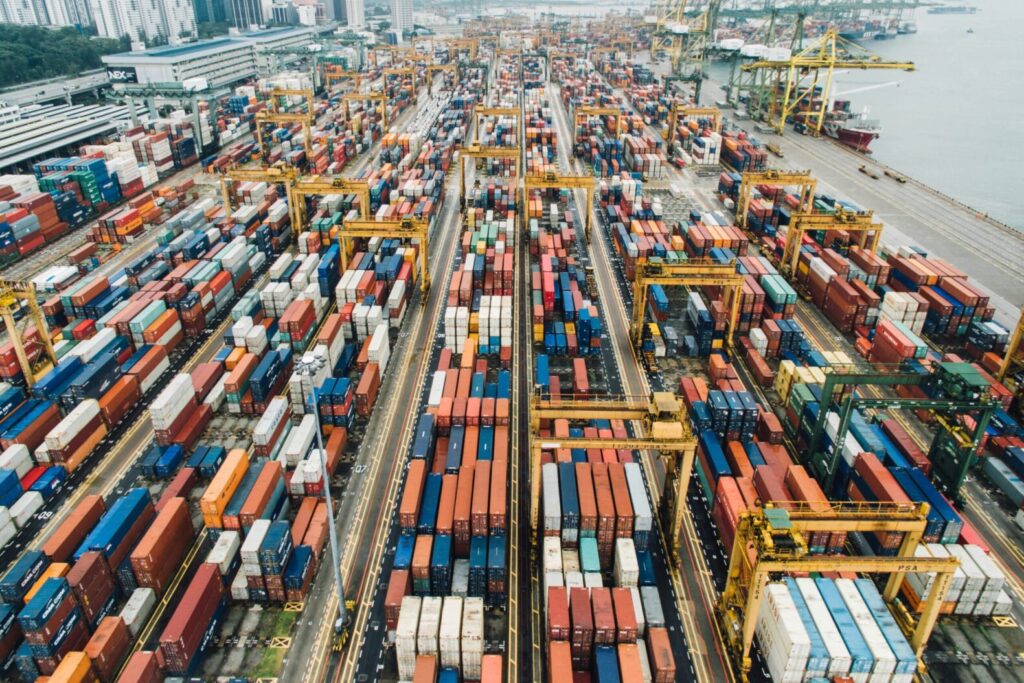
India’s exports to China, UAE, Russia, and Singapore rose in 2023-24, reaching USD 776.68 billion. Production incentives boosted key sectors like electronics
Economic Resilience Amidst Oil Output Cuts: GCC Growth Prospects
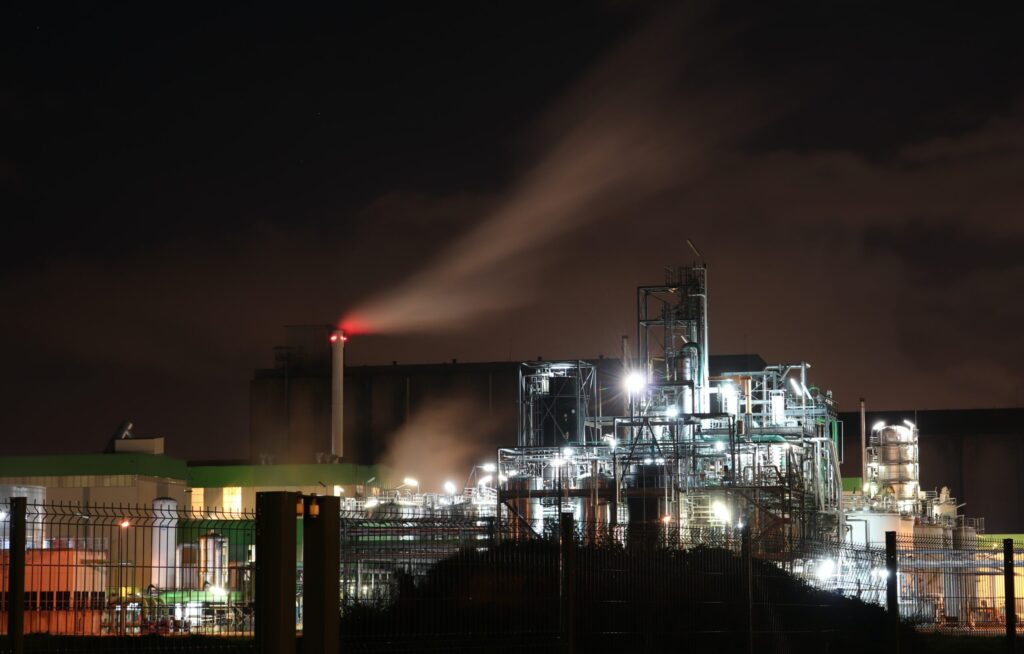
The Gulf Cooperation Council (GCC) economies faced an intricate economic landscape in the second quarter of 2023, marked by reduced oil production. This led to a 0.5 percentage point downward revision in growth forecasts for the GCC, setting the growth rate at 1.4% for the year. However, the region’s non-energy sectors have shown resilience, with robust growth in tourism-related industries. Rising energy prices, driven by global factors, have also played a pivotal role, with Brent oil reaching $90 per barrel. The impending inclusion of Saudi Arabia and the UAE into the BRICS group offers a ray of hope, fostering economic diversification and reducing reliance on the US dollar, setting the stage for a more optimistic future.
UK Businesses Defy Economic Headwinds with Surging Optimism Amid Inflation Concerns

Amidst a backdrop of economic complexities, the United Kingdom’s business landscape is witnessing an unexpected surge in confidence. Despite inflationary concerns and the trajectory of interest rate adjustments, British companies exhibit their highest optimism levels since a pivotal juncture preceding geopolitical tensions. The interplay between rising positivity, evolving wage dynamics, and pricing sentiments showcases the multifaceted nature of the business environment. As the nation treads the delicate balance between economic stability and inflation management, the resilience of UK businesses shines through, shaping a narrative of adaptability and growth. A collaborative approach between stakeholders will be instrumental in steering the nation’s economic course through these shifts.
Europe’s Shifting Stance on Nuclear Power and Its Impact on Clean Energy Goals
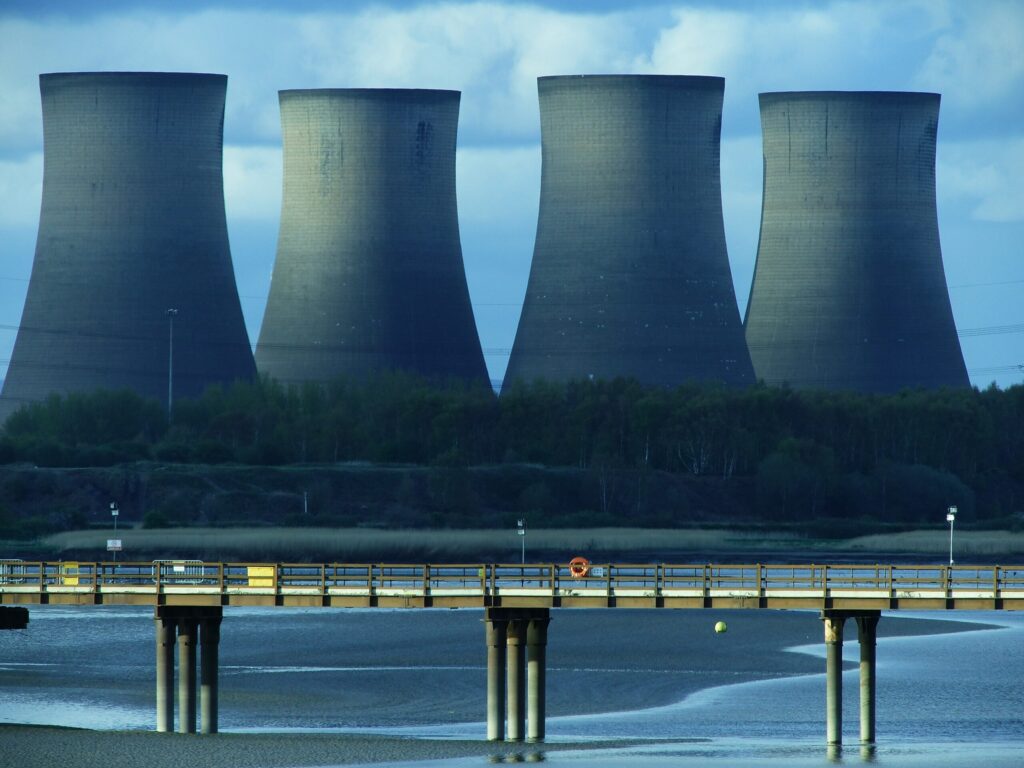
Europe’s evolving approach to nuclear power represents a significant shift in the continent’s clean energy strategy. The recent decision to allow nuclear energy for ammonia and hydrogen production is reshaping the conversation. While France stands to gain considerably due to its robust nuclear sector, the implications transcend its borders. This development has the potential to rejuvenate the nuclear industry across Europe as existing plants seek opportunities in the burgeoning hydrogen and ammonia markets. Despite persistent opposition, the decision underscores nuclear energy’s reemerging significance in Europe’s pursuit of cleaner energy solutions.
St. Petersburg Economic Forum Implements Tighter Security Following Drone Threat Concerns

To prioritize the safety of attendees and high-profile guests, organizers of the St. Petersburg International Economic Forum (SPIEF) have implemented enhanced security measures, including the temporary disruption of mobile web access. The decision comes amid growing concerns over potential drone attacks, especially targeting President Vladimir Putin. As recent incidents have highlighted Russia’s evolving drone threat landscape, security precautions have been significantly heightened, reflecting the need to address these emerging challenges. Such measures aim to ensure a secure environment for participants, underscoring the importance of proactive security protocols in an ever-changing world.
India and China Lead Russian Crude Oil Purchases, Shifting Global Dynamics
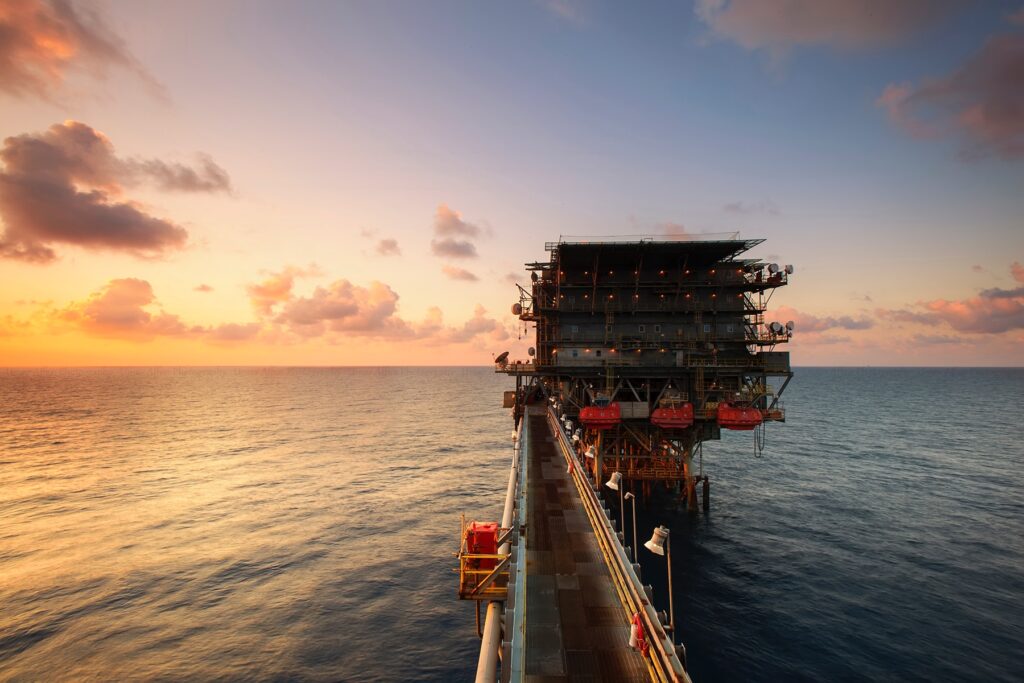
In a remarkable turn of events, India and China have emerged as dominant players in the global oil market, cementing their positions as major buyers of Russian crude oil. According to the International Energy Agency (IEA), these two Asian powerhouses accounted for a staggering 80 percent of Russia’s oil exports in May, signaling a significant shift in the dynamics of global energy trade. As the world’s fastest-growing economy, India’s increasing reliance on heavily discounted Russian oil aligns with its ambitious plans to meet its soaring energy demands. Meanwhile, China’s continued growth and robust oil consumption have solidified its position as a key player in the global oil market. With geopolitical developments and trade restrictions reshaping the landscape, Russia has redirected its seaborne crude exports to Asia, effectively pivoting away from its traditional European markets. This realignment highlights the changing dynamics of the oil industry and underscores Asia’s growing importance in meeting the world’s energy needs. As India and China assert their influence, the implications for the global oil trade and the future of energy markets remain compelling subjects of observation and analysis.
Russia Emerges as India’s Dominant Oil Supplier, Surpassing Traditional Middle Eastern Sources
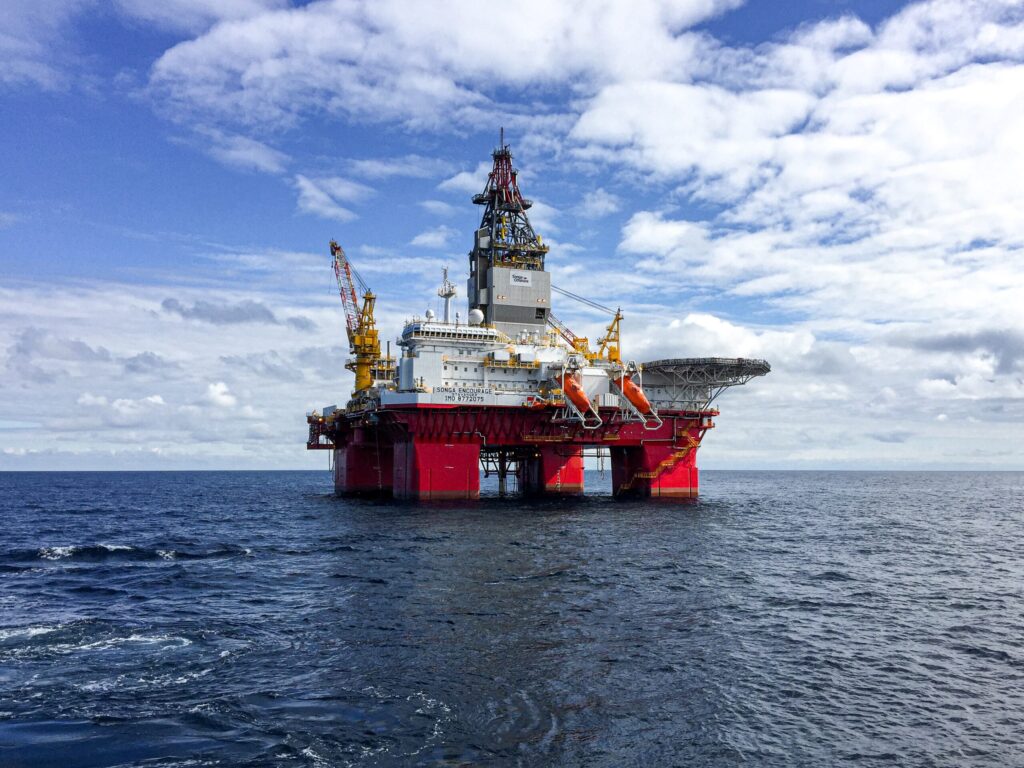
In a significant shift within India’s crude oil market, Russia has surpassed Saudi Arabia, Iraq, the UAE, and the US to become India’s top oil supplier. The import of Russian oil has reached unprecedented levels, reaching nearly 2 million barrels per day in May alone, accounting for approximately 42% of India’s total oil imports that month. This surge in Russia’s dominance has come at the expense of traditional Middle Eastern suppliers, with shipments from Saudi Arabia hitting their lowest level since February 2021.
Swedish Pensions Agency Suspends Three Eastern European Funds in Sweden
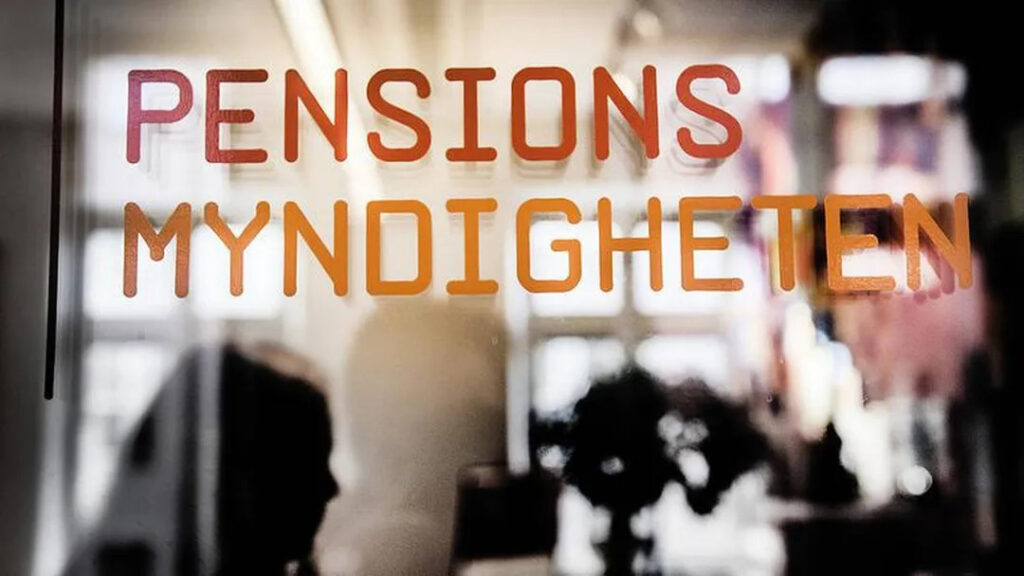
The Swedish Pensions Agency (SPA) on Monday announced that three Eastern European funds that were suspended due to the war in Ukraine have now been deregistered from its premium pension fund market.
Annual Investment Meeting 2023 kicks off at ADNEC in Abu Dhabi
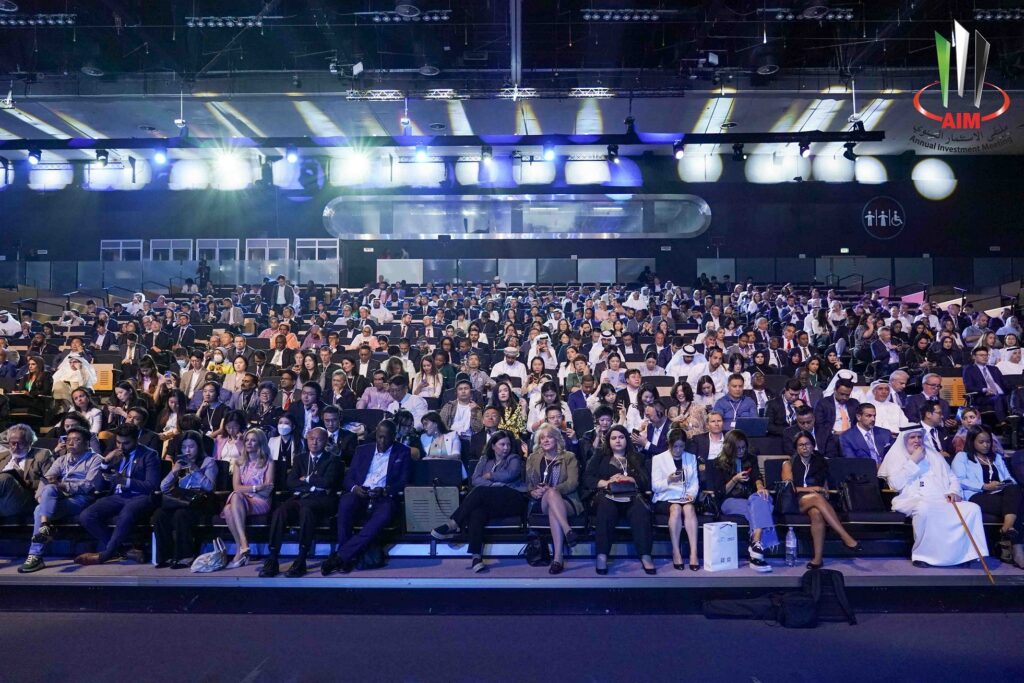
Under the patronage of His Highness Sheikh Khaled bin Mohamed bin Zayed Al Nahyan, Crown Prince of Abu Dhabi and Chairman of the Abu Dhabi Executive Council, the Annual Investment Meeting (AIM Global 2023) was inaugurated today (8 May) at the Abu Dhabi National Exhibition Centre (ADNEC) in Abu Dhabi.
How sanctions complicated day-to-day banking for Russians
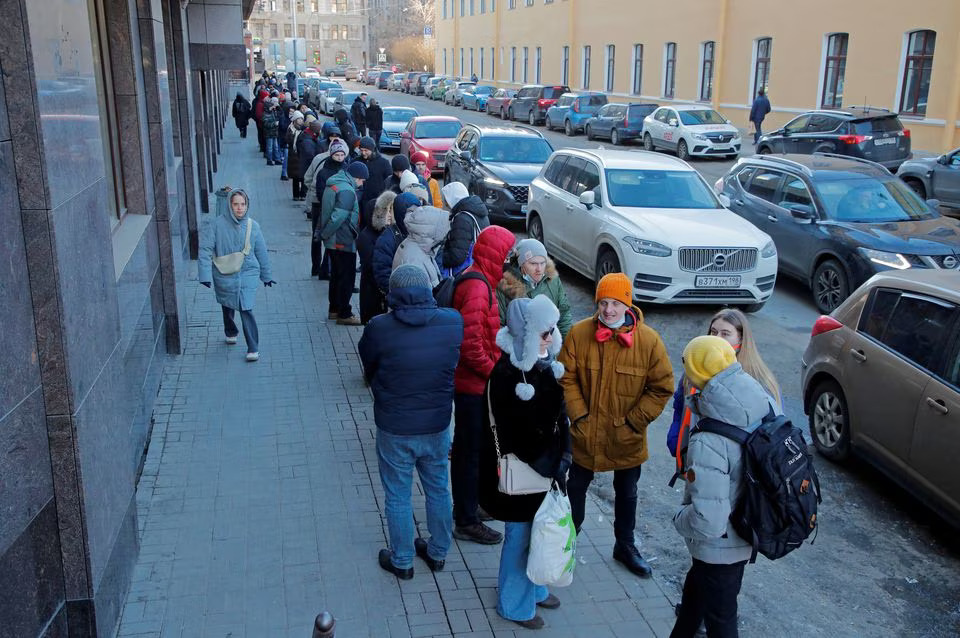
Financial sanctions against Russia have strangled its banks’ profits and wrecked many lenders’ international operations, but one year after Moscow sent its troops into Ukraine how much do they matter for average Russians?