Economic Resilience Amidst Oil Output Cuts: GCC Growth Prospects
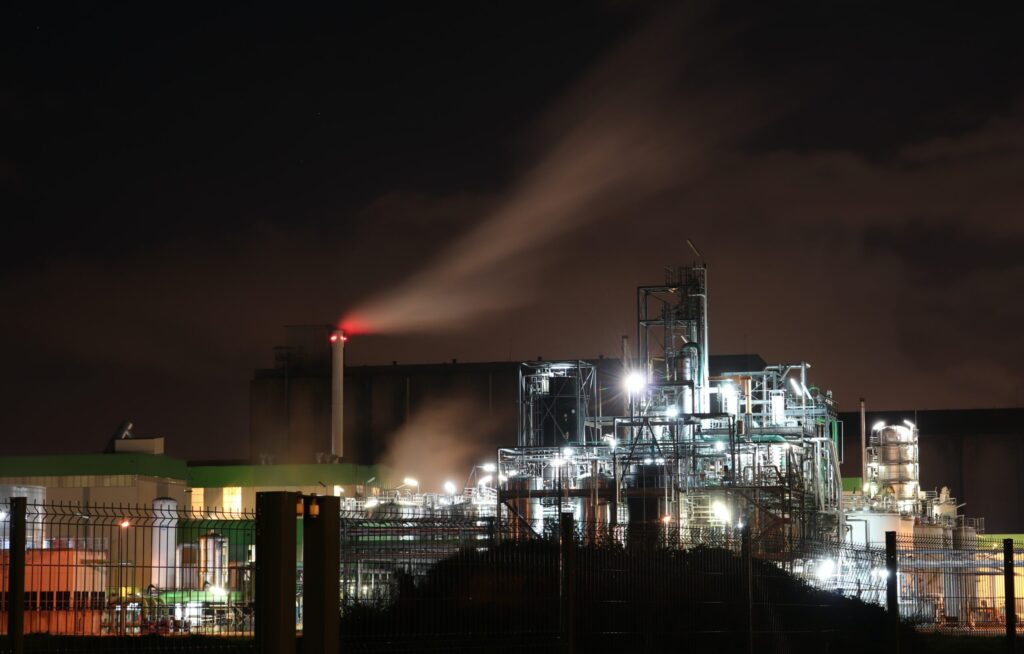
The Gulf Cooperation Council (GCC) economies faced an intricate economic landscape in the second quarter of 2023, marked by reduced oil production. This led to a 0.5 percentage point downward revision in growth forecasts for the GCC, setting the growth rate at 1.4% for the year. However, the region’s non-energy sectors have shown resilience, with robust growth in tourism-related industries. Rising energy prices, driven by global factors, have also played a pivotal role, with Brent oil reaching $90 per barrel. The impending inclusion of Saudi Arabia and the UAE into the BRICS group offers a ray of hope, fostering economic diversification and reducing reliance on the US dollar, setting the stage for a more optimistic future.
Qatar Airways Expands Its Saudi Arabian Network: New Destinations and Increased Frequencies

Qatar Airways is set to enhance its presence in Saudi Arabia, with plans to introduce new flights to AlUla, Tabuk, and the reopening of Yanbu. The airline’s expansion aims to provide travelers with more choices and convenient access to these Saudi cities, each offering unique cultural and natural attractions. With this strategic move, Qatar Airways solidifies its commitment to offering diverse travel options and strengthening connectivity within the Gulf region. Passengers can look forward to exploring AlUla’s rich history, the vibrant city of Yanbu, and the captivating allure of Tabuk. This expansion aligns with Qatar Airways’ global growth strategy, ensuring travelers enjoy seamless journeys worldwide.
Jordan’s Economic Resilience in the Face of Global Challenges
Jordan’s recent governmental forum on the shores of the Dead Sea highlighted the nation’s financial resilience in a turbulent global economy. Minister of Planning and International Cooperation Zina Touqan emphasized the importance of global economic trends in shaping Jordan’s fiscal strategies. The forum underlined the urgent need to fund the Jordanian response plan to the Syrian refugee crisis, with only 9 percent of requirements being met so far.
Morocco Prepares to Host World Bank-IMF Meetings Amidst Earthquake Aftermath
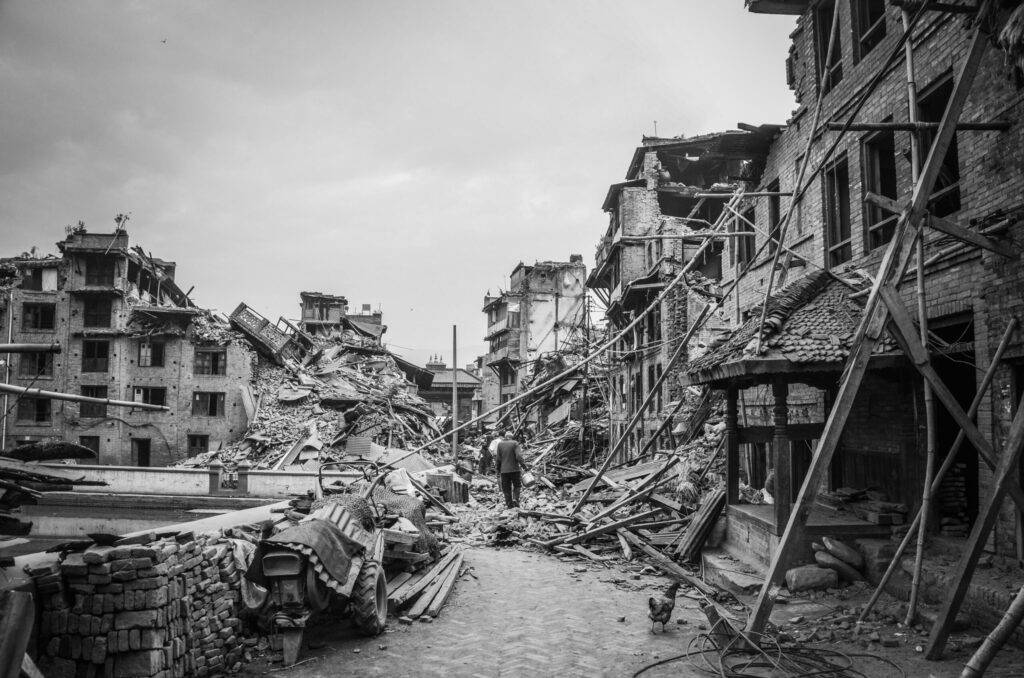
Morocco’s unwavering commitment to hosting the World Bank-IMF meetings in the wake of a devastating earthquake demonstrates remarkable resilience and dedication. With over 12,000 participants expected to attend, the country has spared no effort in preparing a world-class venue spanning 50 hectares. The earthquake’s impact assessment is underway to ensure that affected areas are rebuilt in a resilient and sustainable manner. Despite the tragic event, Moroccan officials emphasize that the designated venue remains untouched and fully operational. Marrakesh, the host city, is ready to showcase its achievements and reforms to a global audience, providing a vital platform for African nations to advocate for their long-term growth.
Financial Wealth in UAE to Reach $1.3 Trillion by 2027
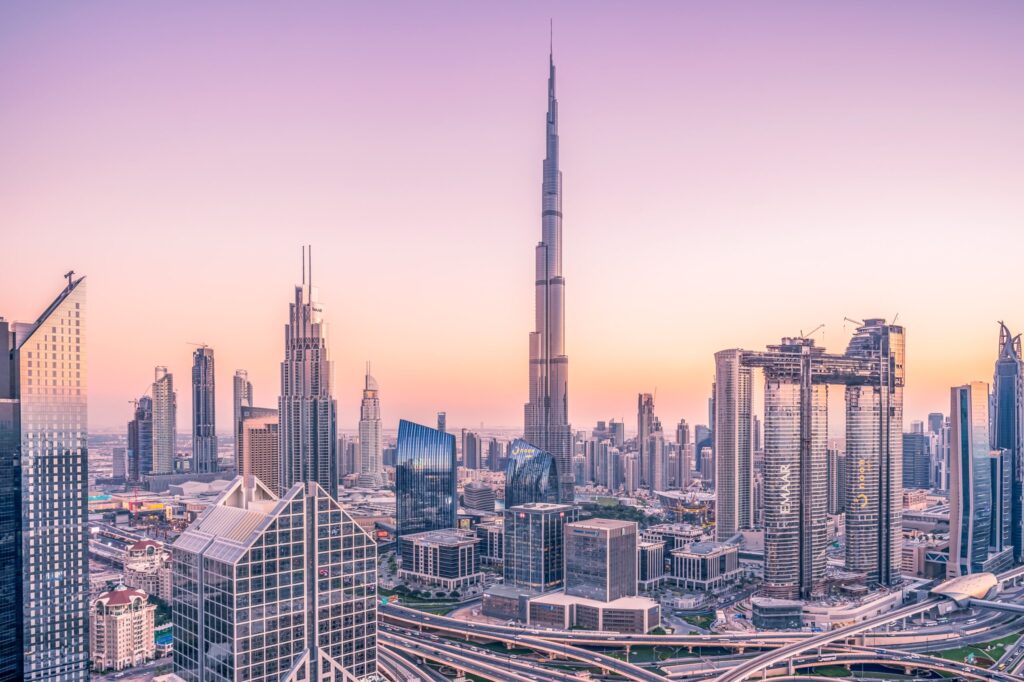
The UAE’s financial wealth is expected to increase to $1.3 trillion in five years from the present $1 trillion in five years, experiencing a Compound Annual Growth Rate (CAGR) of 5.5% between 2002 and 2027, strategic management firm Boston Consulting Group (BCG) said on Tuesday.
Oman LNG’s Flourishing Gas Supply Agreements in 2023 Signal Growth and Global Expansion
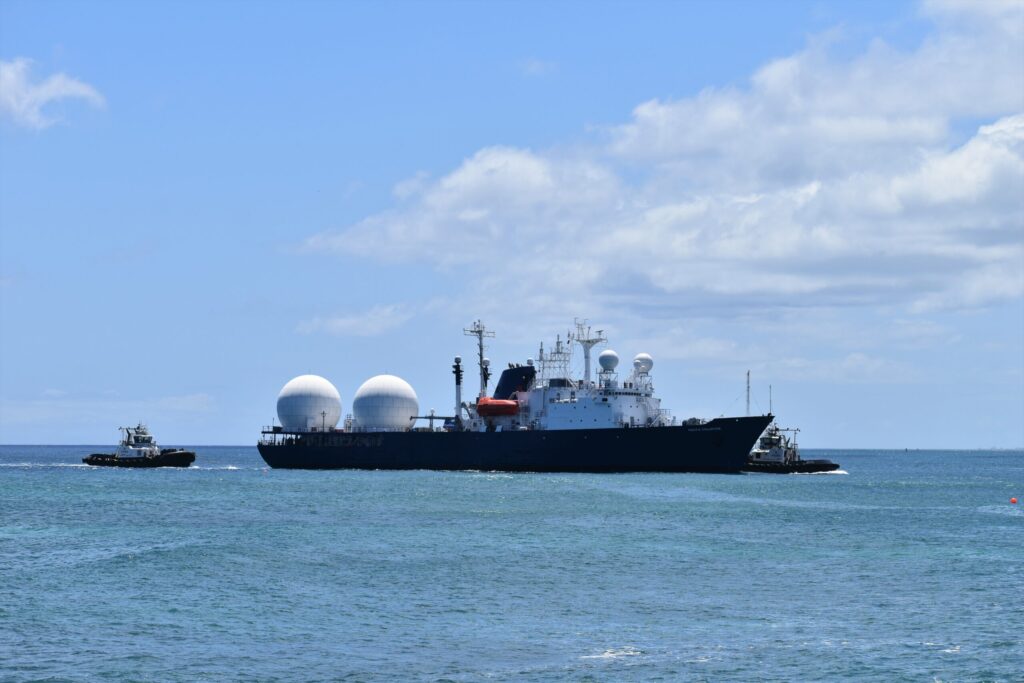
Oman LNG’s recent surge in gas supply agreements signifies a pivotal moment for the company and Oman’s energy landscape. With 14 binding long-term agreements inked in 2023 alone, Oman LNG solidifies its role as a major player in the liquefied natural gas market. These deals extend Oman’s reach into diverse global markets, including the Middle East, East Asia, and Europe. The commitment to supply 10.4 million metric tonnes of LNG annually from 2025 onwards underlines Oman LNG’s dedication to supporting the national economy and enhancing its strategic partnerships with international energy corporations. This impressive growth reflects Oman LNG’s efficiency and investor confidence, securing its place on the global energy stage.
Morocco’s Central Bank Governor Promotes Multilateralism Amidst Global Challenges

Morocco’s central bank governor, Abdellatif Jouahri, has issued a compelling call to return to multilateralism as the world grapples with intricate economic and geopolitical dynamics. In a discussion with the IMF, Jouahri stressed the importance of assessing past multilateral efforts and building stronger institutions capable of addressing the increasingly complex global landscape. This plea comes as Morocco prepares to host the 2023 Annual Meetings of the World Bank Group and the IMF, where high-level delegates will gather to confront the challenges of a fragmented world. Jouahri’s emphasis on prioritization and effective evaluation of actions highlights the urgency of collective efforts to navigate an ever-changing global paradigm.
Gulf Bank Partners with Coursera to Foster Employee Development and Achieve Talent Transformation

Gulf Bank and Coursera join forces to unlock boundless possibilities for employee growth and development. By teaming up with one of the world’s largest online learning platforms, Gulf Bank is empowering its workforce with access to a treasure trove of knowledge and prestigious certifications. This exciting collaboration sets the stage for a transformational journey, where employees can embrace lifelong learning and stay ahead in an ever-evolving business landscape. With interactive features and a wide range of courses, Coursera brings learning to life, enabling Gulf Bank’s employees to acquire new skills and achieve their professional aspirations. Together, Gulf Bank and Coursera are redefining the concept of employee development and propelling Kuwait’s banking industry toward a prosperous future.
Middle East’s Asset Management Industry Navigates Growth Challenges and Seeks New Avenues

The Middle East’s asset management industry defies economic headwinds with $1.3 trillion in assets under management, marking a remarkable 7 percent compound annual growth rate. While outperforming European and American peers, leaders in the region face a critical turning point. They must reassess strategies to regain profit growth and navigate a changing landscape. Prioritizing profitability, exploring high-growth alternative investments, and embracing technology for personalized client experiences are key strategies for success. The industry’s resilience and adaptability position it for continued growth in the Middle East’s dynamic market.
Siemens and Petrojet Strike a Strategic Partnership to Drive Technological Advancements in the Middle East

Siemens, a global leader in digital industries, and Petrojet, one of the Middle East’s largest construction groups, have formed a strategic partnership to drive technological advancements and innovation across industries in the Middle East. With a focus on supporting the Ministry of Petroleum and Mineral Resources’ digitalization strategy and contributing to Egypt’s Vision 2030, the collaboration will utilize Siemens’ cutting-edge digital solutions and Petrojet’s expertise in delivering large-scale projects. By combining forces, both companies seek to transform the industrial sector in Egypt and throughout the Middle East, fostering economic development and creating a competitive edge in the global market.