

The Bank of England’s Vigilant Monitoring of Interest Rates Maintains Stability in the Face of Economic Uncertainty

The Bank of England’s upcoming interest rate decision underscores the fine balance it must strike in managing inflation and supporting the economy in the post-pandemic era. Recent comments from officials suggest confidence in the impact of previous rate hikes on tempering inflation, but the economic landscape remains uncertain. With rising inflation and fluctuating economic data, the MPC faces the challenge of making a well-informed decision. While a majority is expected to favor unchanged rates, some more hawkish members will likely push for a slight rate hike. The decision aligns with global central banks’ efforts to combat inflation while nurturing economic growth.
Global Tensions and Rising Oil Prices Dent Indian Markets
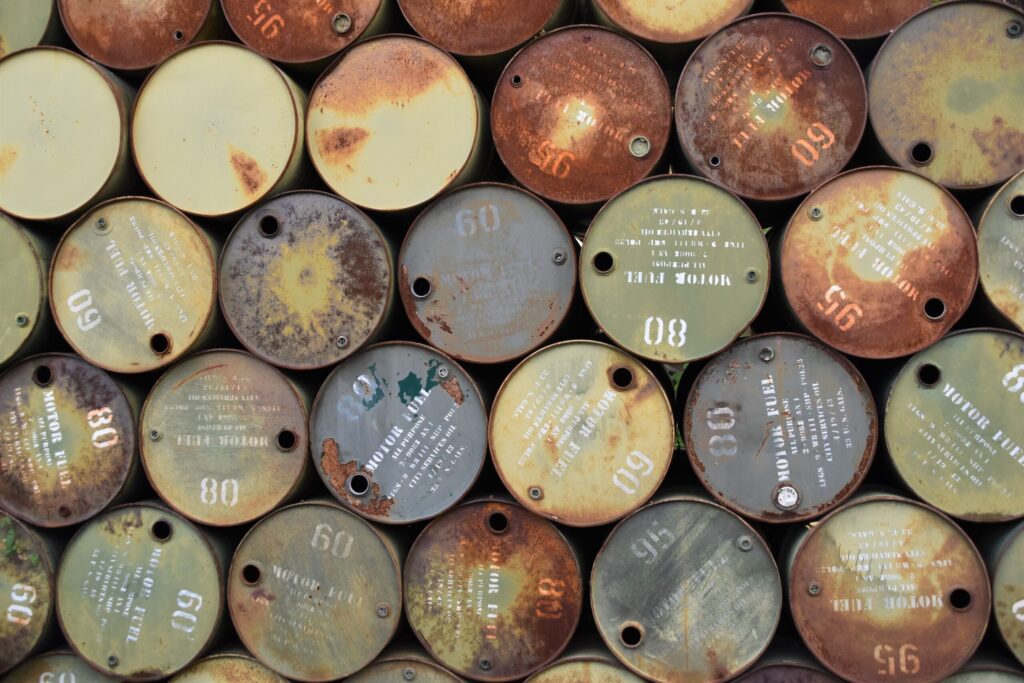
The Indian stock market faced a challenging start to the week, with global volatility and heightened oil prices stemming from escalating Middle East tensions taking a toll. Market indices, particularly the Nifty 50 and Sensex, experienced early declines, largely influenced by losses in financial services and banking sectors. Despite this, small- and mid-cap stocks held their ground, indicating domestic investors’ resilience. Concerns were raised about the potential ripple effects on India’s economy and markets if the Middle East conflict leads to a significant oil price surge. Individual stocks, like Avenue Supermarts and Delta Corp, were also impacted, while HDFC Bank’s eagerly awaited quarterly results added to the market’s uncertainty.
Bank Muscat Achieves Remarkable Growth with RO159mn Net Profit for the First Nine Months of 2023

Bank Muscat has reported a commendable 7.1% year-on-year growth in net profit for the first nine months of 2023, totaling RO158.88mn. This performance underscores the bank’s strength and ability to adapt to economic challenges. Its growth in net interest income and robust financial management signifies its commitment to financial excellence. Moreover, the bank’s responsible approach to managing operating expenses and addressing potential financial risks demonstrates its resilience. With increased customer deposits and a growing asset base, Bank Muscat remains a pivotal player in Oman’s financial sector.
Omantel’s Strategic Financial Moves; Postponement of Sukuk Issuance and Bridge Loan Acquisition

Omantel’s recent financial moves, including the postponement of the Sukuk issuance and the acquisition of a bridge loan, have caught the attention of the financial world. The decision to delay the Sukuk issuance is indicative of Omantel’s careful financial planning, showing its willingness to navigate through the complexities of ever-changing market conditions. While specific market challenges were not outlined in the announcement, the move reflects the company’s adaptability and prudence. Simultaneously, the bridge loan acquisition ensures the company’s immediate financial stability, alleviating concerns about the impending bond maturity. Omantel’s future financial endeavours will depend on its ability to monitor market conditions and seize opportunities when they arise.
Trudeau’s Policy Pivot; The Canadian Carbon Price Suspension and Its Implications

Prime Minister Justin Trudeau’s suspension of the carbon tax on home heating oil in Canada’s eastern provinces demonstrates a significant policy shift. This decision, a response to political pressure and the concerns of voters, grants residents in the Atlantic region a three-year window to transition to electric heat pumps. The move aims to alleviate the rising cost of living and energy expenses, particularly in the Atlantic provinces, where the carbon tax only recently came into effect. While the suspension signifies a deviation from Trudeau’s climate policies, it underscores the government’s commitment to supporting residents in adapting to cleaner heating methods. However, it also raises questions about the long-term effectiveness of carbon pricing in driving sustainable investments.
Renowned infrastructure investor joins metrofibre

Renowned infrastructure fund manager DIF Capital Partners has acquired a majority stake in metrofibre. The investment of the renowned financial investor in the fibre optic project developer metrofibre is a clear commitment and the starting signal for the roll-out of the successful ruhrfibre model to other cities. Intensive talks with other cities are already underway.
Unlocking Business Success Through Digital Solutions in Canada

In Canada, the future of business growth hinges on various factors, including digital transformation, innovation, green economy initiatives, global trade expansion, and sustainability efforts. These elements collectively shape a conducive environment for business development. Furthermore, digital marketing solutions, such as SEO, PPC, content marketing, and social media marketing, significantly contribute to this growth by enhancing online visibility and customer engagement. These strategies are pivotal for success as businesses adapt to the evolving digital landscape.
Football World Grapples With Response to Israel-Palestine Conflict

In a world where sports and politics often intersect, the recent Israel-Palestine conflict has posed a challenging question to the football community. England’s choice to hold a minute’s silence and don black armbands during a match with Australia has sparked conversations about how the sport should respond to geopolitical crises. The decision not to illuminate Wembley Arch in Israel’s colors has ignited a debate about whether football should take a stance. Balancing the humanitarian concern for the victims of violence with potential political implications creates a complex dilemma, prompting calls for a thoughtful and unified approach across football authorities, clubs, and players.
Akasa Air Takes Flight; Nod for International Operations to Saudi Arabia, Kuwait, and Qatar

In a groundbreaking move, Akasa Air has received the government’s approval to extend its flight operations beyond India’s borders, signaling the airline’s entry into the international market. The destinations initially granted are Saudi Arabia, Kuwait, and Qatar, heralding a new era for this low-cost carrier. This development aligns with India’s modified 0/20 rule, facilitating international flights once an airline possesses a minimum of 20 aircraft in its fleet without any time-based constraints, a shift from the previous 5/20 rule. However, a notable challenge for Akasa Air lies in securing access to destinations like Dubai, where existing bilateral agreements have nearly been exhausted, underscoring the intricacies of international aviation regulations. The airline’s upcoming journey abroad will undoubtedly shape its role in the global aviation landscape.
Growing Appetite for Home-Grown Olive Oil Drives Australian Producers’ Success

In a delightful turn of events, Australian olive oil is experiencing a resurgence in popularity driven by surging international prices. Home-grown olive oil has become more competitively priced, enabling it to capture an expanding market share. Michael Southan, CEO of the Australian Olive Association, notes that consumers increasingly value the origin of extra-virgin olive oil and are happy to pay a premium for quality. Despite a minor dip in olive oil sales, this shift toward Australian-produced varieties significantly boosts the industry. The rising preference for local olive oil emphasizes the importance of quality over quantity in consumers’ choices.