
The Philippine Economic Landscape, Challenges and Prospects Amidst Shifting Tides
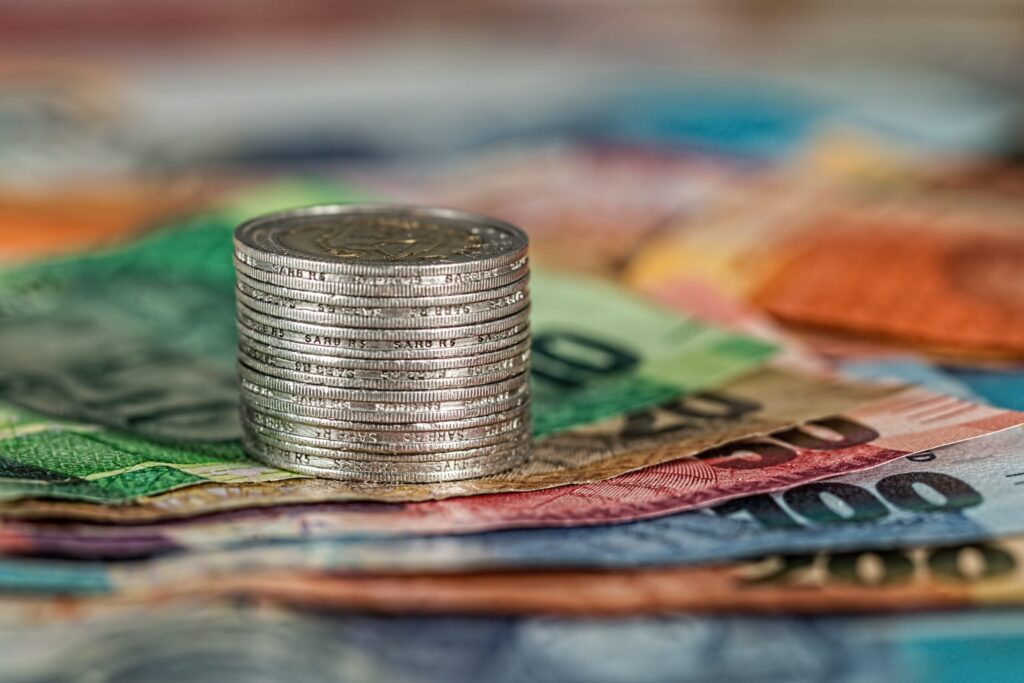
As highlighted by recent OECD adjustments, the Philippine economy stands at a crossroads in 2023. A slightly lowered growth projection of 5.6% reflects the intricate interplay of factors, including the impact of high interest rates on pent-up demand. The first quarter’s robust economic expansion was juxtaposed with higher inflation and borrowing costs, resulting from assertive monetary tightening. The role of government spending is expected to drive recovery in the second semester, countering a second-quarter contraction. Meanwhile, influenced by various factors, inflation dynamics add complexity to the economic landscape, necessitating a careful balance between growth and inflation control.
Oman’s Tourism Boom, A Catalyst for Economic Growth and Foreign Exploration

Oman’s tourism sector experienced a remarkable resurgence in 2022, with a 47.3% increase in income, soaring to RO1.9 billion. Domestic tourism contributed a substantial 68% to the sector’s income. Inbound tourism also surged, welcoming 2.9 million visitors, a 348% increase from the previous year. This influx of travellers brought diverse purposes, with leisure and recreation leading at 43.5%. Meanwhile, an unexpected surge in outbound tourism saw 5.2 million Omanis exploring international destinations, significantly impacting Oman’s tourism balance and underscoring the nation’s growing economic narrative.
The Delicate Balancing Act of Interest Rates, Bank of England’s Dilemma Amidst Persistent Inflation

Navigating the complexities of persistent inflation, the Bank of England faces a crucial dilemma. While some economists argue for sustained higher interest rates to combat firmly-rooted inflationary pressures, others predict this may lead to a mild recession. The Bank’s cautious approach, likened to the steady ascent of Table Mountain, aims to strike a balance between inflation control and economic stability. Recent economic resilience, with a 0.5% growth in July, muddles the picture, suggesting that a premature rate reduction might not be warranted. As the Bank monitors these variables, the path forward remains nuanced and pivotal for the UK’s economic trajectory.
Rethinking the Role of Wage Growth in the UK’s Economic Recovery
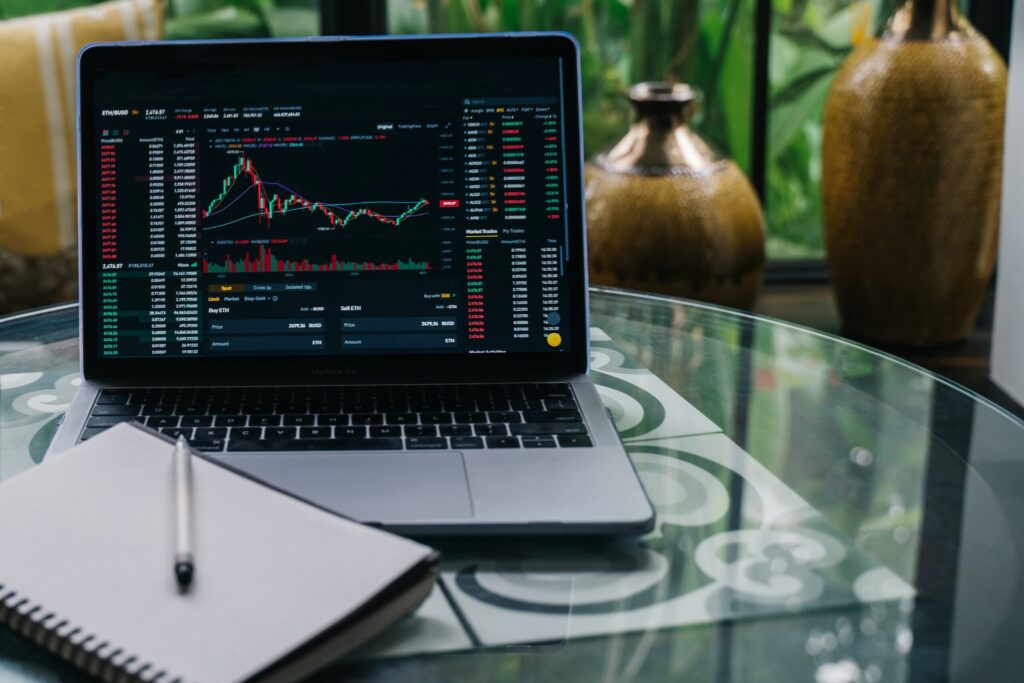
Given the evolving economic landscape, the Bank of England’s current emphasis on restraining wage growth warrants reconsideration. As inflation and the cost of living crisis loom, the approach to curtailing wage increases may need adjustment. Rising import prices, driven by global factors, initially contributed to inflation but have since reversed course. This shift should prompt a broader economic strategy that accounts for various dynamics, including demand, inflation, and policy implications. The Bank of England’s approach must adapt to navigate the intricate factors in the UK’s economic recovery.
Bank of England Empowers Stablecoin Supervision in Financial Paradigm Shift
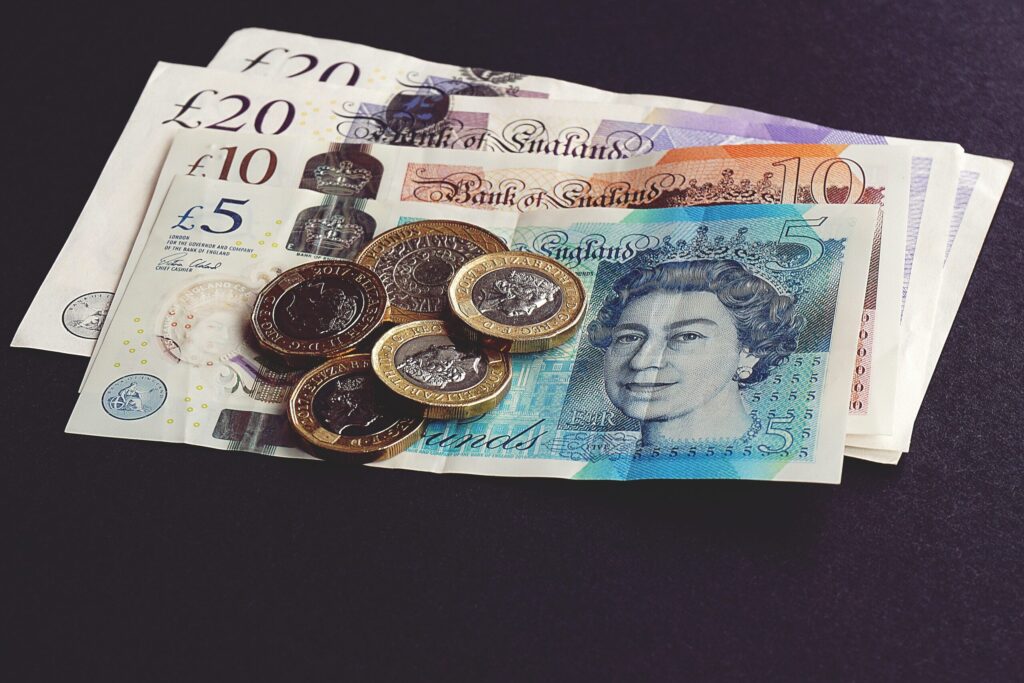
The Bank of England is taking a prominent role in reshaping the landscape of stablecoin regulations, marking a significant shift in the financial regulatory landscape. The British government’s response to a comprehensive consultation process underscores this recalibration, favoring the BoE over the Financial Conduct Authority (FCA). The approach centers around a collaborative supervisory framework involving both entities for “systemically important stablecoins.” This move reflects the evolving dynamics of digital finance and emphasizes the BoE’s commitment to ensuring financial stability in an increasingly complex environment. The BoE’s influence in driving these changes signals a pivotal step toward shaping the future of stablecoin regulations.
Legal Battle Over Student Loan Forgiveness Intensifies as Conservative Groups Challenge Biden’s Plan

A legal battle is heating up as conservative groups challenge the Biden administration’s move to cancel $39 billion in student loans for more than 800,000 borrowers. The groups argue that the administration overstepped its authority with the forgiveness plan, sparking a debate about the scope of presidential power and the proper channels for enacting significant policy changes. This clash reflects the complexity of student loan relief efforts and their potential impacts on borrowers and the broader economy. As the lawsuit unfolds, it brings to the forefront questions about the future of student debt relief and its implications for borrowers and policymakers alike.
Tensions Rise as Kuwait and LebanonClash Over Minister’s Comments
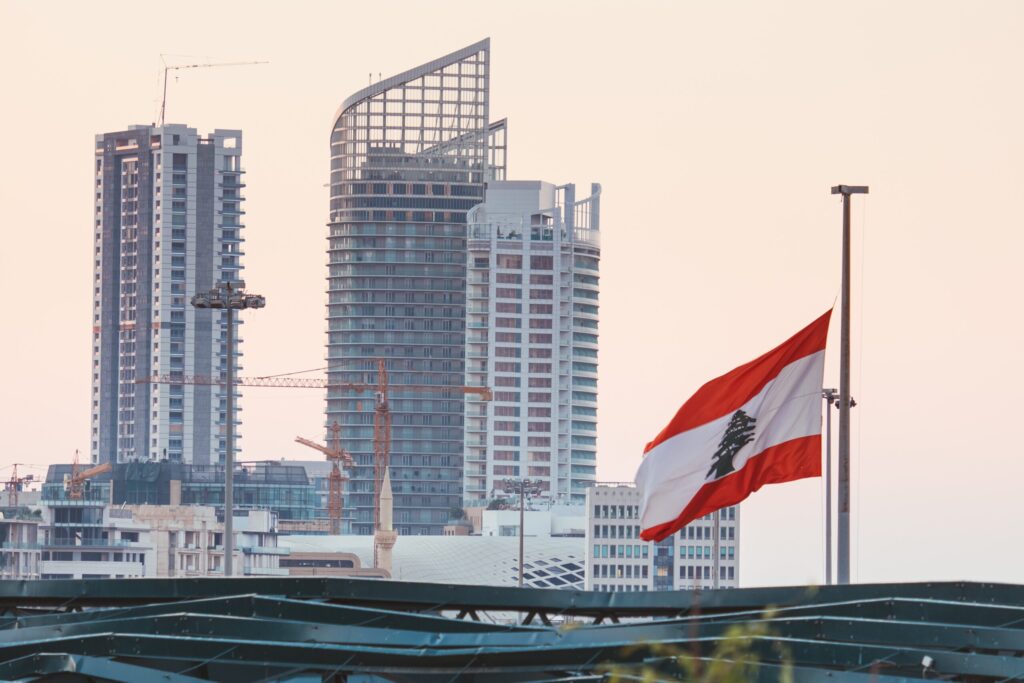
A diplomatic disagreement has unfolded between Kuwait and Lebanon, sparked by comments made by Lebanon’s caretaker Economy Minister, Amin Salam. The issue revolves around Salam’s suggestion that Kuwait should fund the rebuilding of a portion of Beirut’s port, specifically the main wheat silos, destroyed in the devastating 2020 port explosion. Kuwait’s Foreign Minister, Sheikh Salem Abdullah Al-Jaber Al-Sabah, criticized Salam’s remarks, stating they deviated from diplomatic norms and could jeopardize bilateral relations. This incident highlights the delicate nature of international relations and the potential impact of seemingly innocuous statements on political ties.
PDO’s Nimr Cluster Celebrates Historic Milestone with 1,500th Well Drilled

Petroleum Development Oman (PDO) reaches a significant milestone as it drills its 1,500th well at the Nimr Oil Field, marking a historic moment for Oman’s oil and gas sector. The newly drilled well, NM-1500, is part of the expansive Nimr cluster, contributing over 12% of PDO’s production and holding immense hydrocarbon growth potential. The achievement underscores PDO’s commitment to sustainable growth and optimizing value for Oman’s economy, backed by efficient collaboration and operational excellence. With an efficient well-factory producing over 130 new wells annually, PDO’s success at Nimr showcases its prowess in extracting oil from challenging subsurface environments.
Hyundai and Kia Recall 91,000 US Vehicles Over Fire Risks
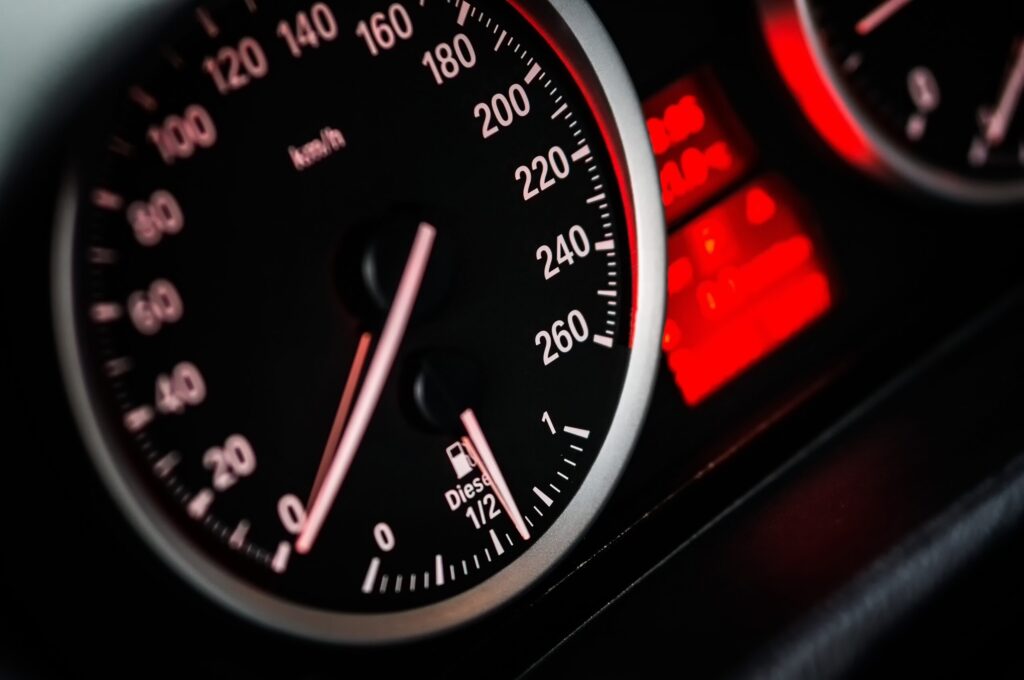
Hyundai Motor and Kia have issued a recall for over 91,000 vehicles in the US due to fire risks. The companies have identified potential issues with electronic controllers in the Idle Stop & Go oil pump assembly. Owners are urged to park their vehicles outside and away from structures until repairs are completed. Both manufacturers are committed to ensuring customer safety and will inspect and replace the electric oil pump controller as needed. This proactive approach demonstrates their dedication to addressing potential risks and prioritizing consumer well-being.
BPI’s Vybe E-Wallet Emerges as a Game-Changer in the Philippine Banking Landscape

BPI, the Bank of the Philippine Islands, aims for exponential growth with the launch of Vybe, its innovative mobile wallet. The Ayala Group-owned bank plans to attract over 50 million customers by 2028, leveraging Vybe’s convenient payments and rewards system. As the banking sector thrives amidst rising interest rates, BPI reports a record-breaking net income of P39.6 billion in 2022. With the official release scheduled for October, Vybe will compete with other e-wallets like GCash, further enriching the digital banking landscape in the Philippines. BPI’s strategic approach to digital expansion positions them as a leader in the country’s financial sector.