

Omani Banks Receive Fitch Ratings Upgrade; A Positive Turn for the Banking Sector

Fitch Ratings has recently upgraded five major Omani banks’ long-term issuer default ratings (IDRs). Bank Muscat, BankDhofar, NBO, Ahlibank, and Sohar International Bank have improved their ratings, signalling growing confidence in Oman’s banking sector. This move follows Oman’s sovereign rating upgrade in September 2023, reflecting the improved likelihood of government support for these banks. The upgrades also indicate that the banks’ overall business conditions are on a positive trajectory, with Oman’s authorities displaying a strong commitment to supporting the nation’s banking sector despite certain limitations in financial flexibility.
Jordanian Dinar Shows Resilience; Exchange Rate Trends in 2022

The Jordanian Dinar showcased its resilience in 2022, with a notable rise in its exchange rate against major global currencies. The annual report from the Jordanian Central Bank unveiled an increase of 6.9 percent against the Euro, 9.1 percent against the British Pound, and a significant 18.6 percent against the Japanese Yen. This positive trend reflects Jordan’s stable economic foundation and well-considered monetary policies. The Central Bank’s steadfast commitment to a fixed exchange rate policy against the US Dollar since 1995 has bolstered economic stability and instilled investor confidence in the country’s financial landscape.
Wirecard Scandal Unravels, EY Faces Scrutiny for Gullibility in Audit

The Wirecard scandal is a cautionary tale for the financial world, shedding light on the potential consequences of lax oversight and reliance on fabricated documents. As investigations continue, the role of auditors, in this case, EY, has come under scrutiny. The fallout from Wirecard’s collapse is a stark reminder of the importance of robust auditing practices and stringent checks to safeguard against fraud and deception in the corporate world.
SEBI Aims to Streamline Grievance Redressal for Investors in India’s Financial Markets

SEBI, the guardian of India’s financial markets, is taking bold steps to empower investors and ensure their grievances are swiftly and fairly resolved. By integrating the SEBI Complaint Redress System (SCORES) with the Online Dispute Resolution Mechanism, SEBI provides a seamless platform for investors to seek redressal against regulated entities. This move, coupled with reduced timelines and a two-level review process, signifies SEBI’s commitment to enhancing transparency and accountability. Investors can now embark on their financial journey more confidently, knowing their concerns will be promptly addressed and their rights protected. SEBI’s initiatives lay the foundation for a thriving investment landscape where trust and integrity prevail.
The Monetary Authority of Singapore (MAS) Strengthens Insurance Deposit Coverage

Singapore has taken a significant step to fortify its banking system and safeguard small depositors with increased deposit insurance coverage. The Monetary Authority of Singapore (MAS) has proposed raising the coverage per depositor from $75,000 to $100,000, keeping pace with the growth in average deposit balances. This move aims to ensure that most smaller depositors remain fully covered in the event of a bank failure. The MAS also seeks to enhance operational efficiency and transparency within the deposit insurance scheme, emphasizing the importance of pre-emptive safeguards and effective risk management. If implemented, these measures will provide greater peace of mind for depositors and reinforce Singapore’s position as a stable and reliable financial hub.
Singapore’s Central Bank Penalize Major Financial Institutions for Anti-Money Laundering Breaches

Singapore’s central bank, the Monetary Authority of Singapore (MAS), has imposed fines totaling S$3.8 million on leading financial institutions Citibank, DBS, and OCBC, as well as insurer Swiss Life, for failing to meet anti-money laundering and countering terrorism financing requirements. The penalties come in the wake of an investigation into the involvement of Singapore-based individuals in the Wirecard fraud case. Wirecard’s collapse exposed a 1.9 billion euro accounting discrepancy and highlighted the need for stronger safeguards within the financial sector. The fines demonstrate MAS’s commitment to upholding regulatory standards and ensuring the integrity of Singapore’s financial system.
Gulf Bank Employees Recognized and Empowered in KFAS Innovation Challenge Program

Gulf Bank’s recent recognition of its employees’ participation in the KFAS Innovation Challenge Program reflects the organization’s unwavering commitment to fostering innovation and nurturing talent within Kuwait’s private and banking sectors. By collaborating with prestigious institutions like the Kuwait Foundation for the Advancement of Sciences and the London Business School, Gulf Bank demonstrates its dedication to promoting creativity and driving economic growth. This program provides employees with invaluable experiences and tools to become future business leaders, contributing to the bank’s vision of being the leading Kuwaiti Bank of the Future. As Gulf Bank continues to empower its workforce and embrace a culture of innovation, it sets a remarkable example for the entire banking industry in Kuwait.
US FED Hikes Interest Rate for Tenth Time in a Row
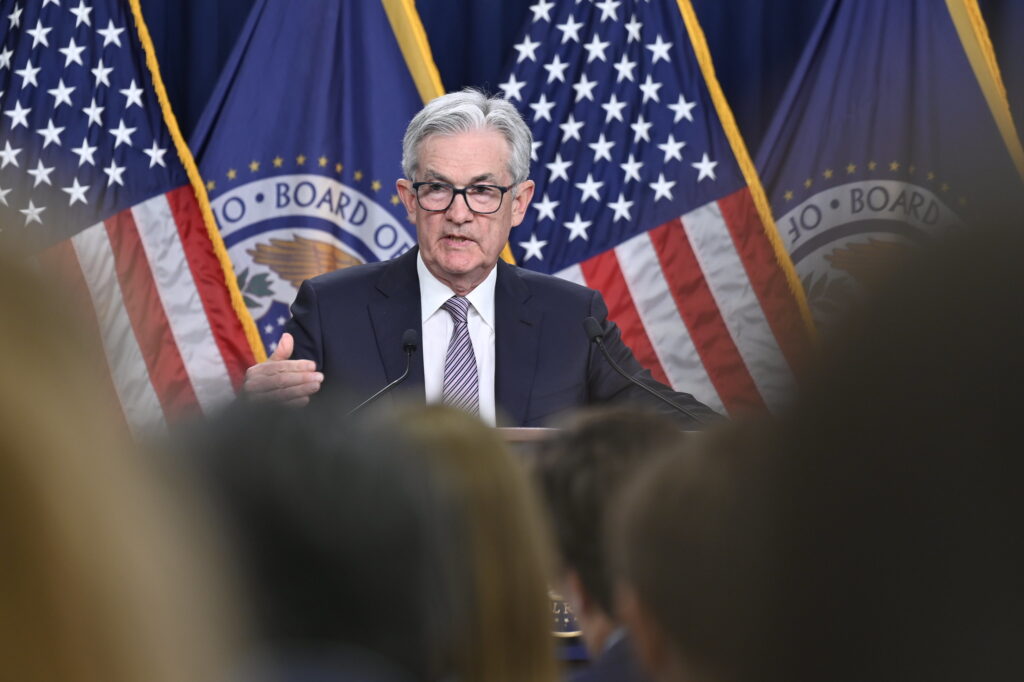
The US Federal Reserve (US FED) has hiked interest rates for the tenth time in a row, bringing the key lending rate to its highest level since 2007. However, the US FED signalled it could pause further rate hikes, as inflation eases and turmoil continues to spread across the American banking sector.
Euro zone banks not facing up to reality of downturn, ECB says
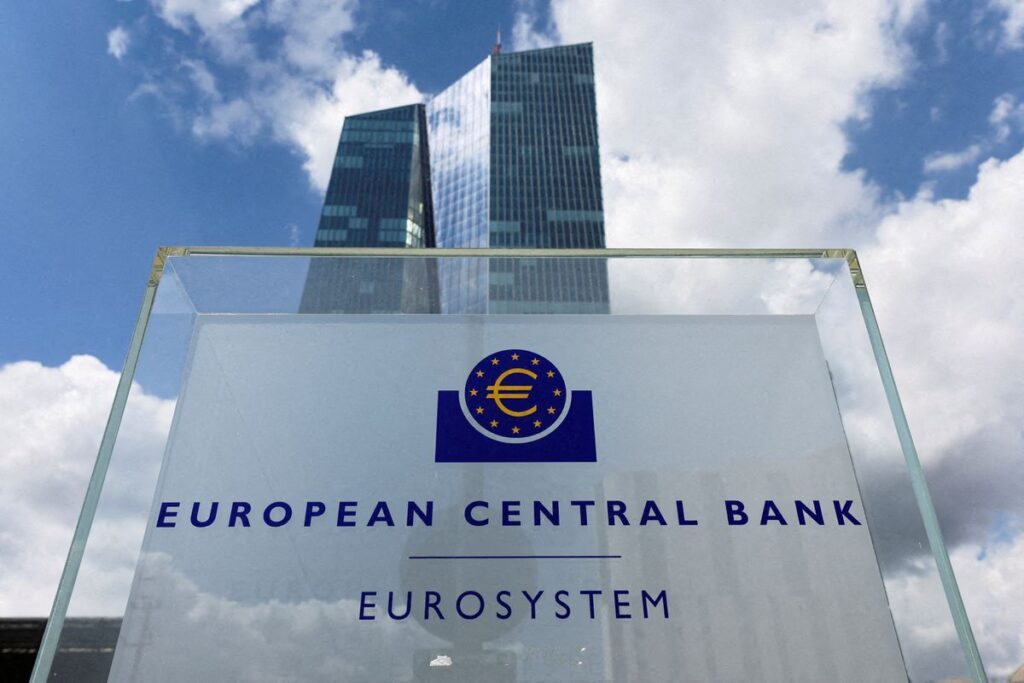
Euro zone banks have not yet fully faced up to the reality of an economic downturn, so finance industry supervisors will need to force them to be more conservative in managing capital, ECB supervisory chief Andrea Enria said on Thursday.
Singapore announces 2022 budget proposals
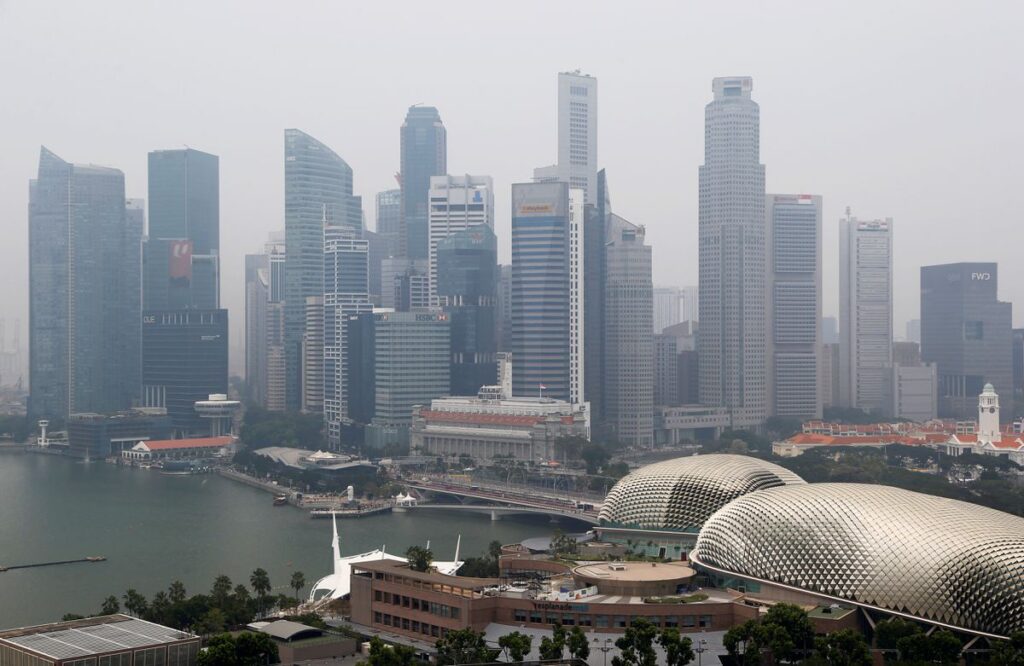
Following are some excerpts taken from Singapore’s 2022 budget proposals announced by Finance Minister Lawrence Wong to parliament on Friday.