

The Bank of England’s Vigilant Monitoring of Interest Rates Maintains Stability in the Face of Economic Uncertainty

The Bank of England’s upcoming interest rate decision underscores the fine balance it must strike in managing inflation and supporting the economy in the post-pandemic era. Recent comments from officials suggest confidence in the impact of previous rate hikes on tempering inflation, but the economic landscape remains uncertain. With rising inflation and fluctuating economic data, the MPC faces the challenge of making a well-informed decision. While a majority is expected to favor unchanged rates, some more hawkish members will likely push for a slight rate hike. The decision aligns with global central banks’ efforts to combat inflation while nurturing economic growth.
UK Businesses Defy Economic Headwinds with Surging Optimism Amid Inflation Concerns

Amidst a backdrop of economic complexities, the United Kingdom’s business landscape is witnessing an unexpected surge in confidence. Despite inflationary concerns and the trajectory of interest rate adjustments, British companies exhibit their highest optimism levels since a pivotal juncture preceding geopolitical tensions. The interplay between rising positivity, evolving wage dynamics, and pricing sentiments showcases the multifaceted nature of the business environment. As the nation treads the delicate balance between economic stability and inflation management, the resilience of UK businesses shines through, shaping a narrative of adaptability and growth. A collaborative approach between stakeholders will be instrumental in steering the nation’s economic course through these shifts.
Oman Navigates Oil Export Challenges Amidst Changing Global Dynamics
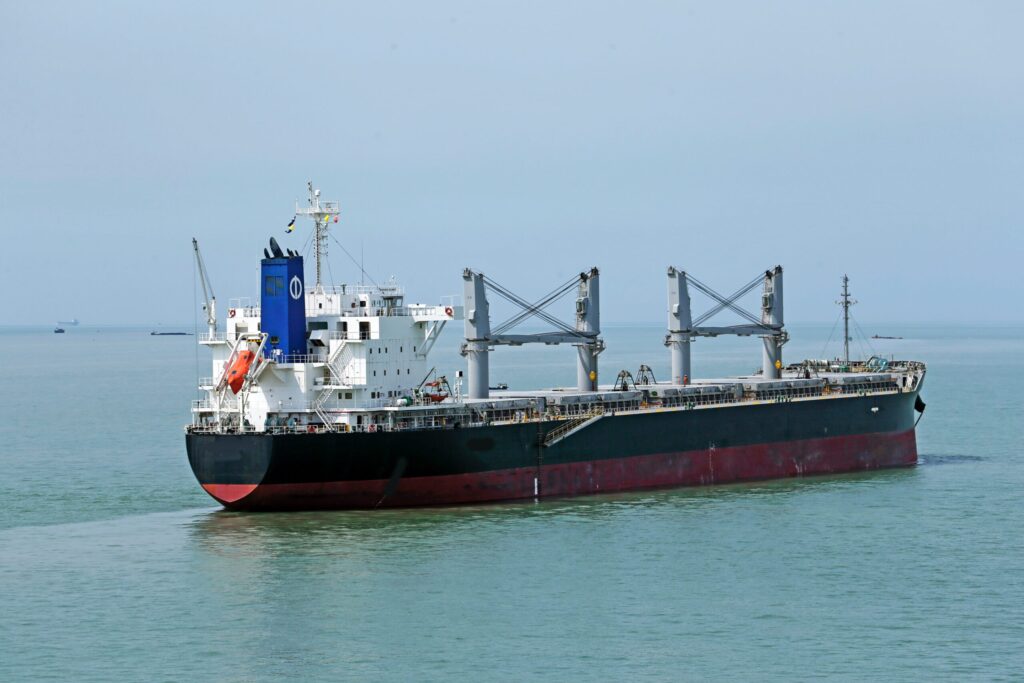
Oman, a significant player in the global oil market, is facing changing dynamics in its oil exports. The sultanate’s oil exports witnessed a 5.7% decline in the first seven months of 2023, primarily due to reduced shipments to India, a vital trade partner. The drop in exports to India by 90.1% is emblematic of shifting global trade preferences and the impact of geopolitical changes. On the other hand, Oman’s exports to China surged by 12.8%, emphasizing the strategic importance of maintaining strong relationships with key partners. Amidst these fluctuations, Oman’s stable oil production underscores its resilience in a volatile energy landscape.
Jordanian Dinar Shows Resilience; Exchange Rate Trends in 2022
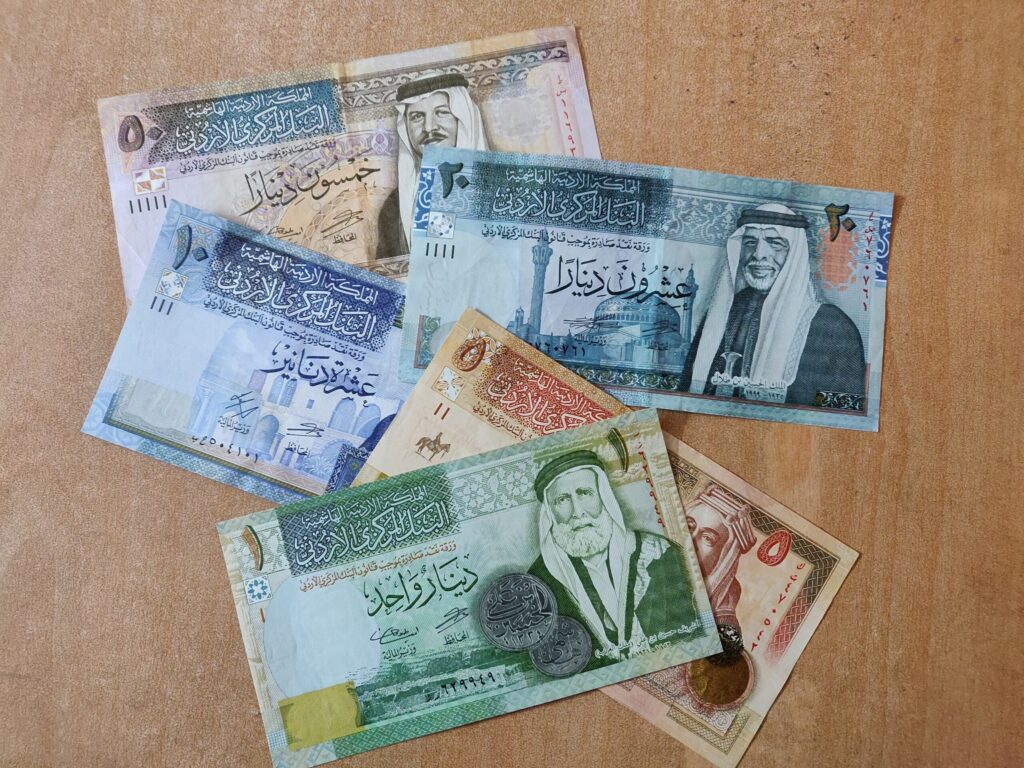
The Jordanian Dinar showcased its resilience in 2022, with a notable rise in its exchange rate against major global currencies. The annual report from the Jordanian Central Bank unveiled an increase of 6.9 percent against the Euro, 9.1 percent against the British Pound, and a significant 18.6 percent against the Japanese Yen. This positive trend reflects Jordan’s stable economic foundation and well-considered monetary policies. The Central Bank’s steadfast commitment to a fixed exchange rate policy against the US Dollar since 1995 has bolstered economic stability and instilled investor confidence in the country’s financial landscape.
UK Government Appoints Experienced Economist to Budget Responsibility Committee

The UK’s pursuit of economic stability takes a step forward as Finance Minister Jeremy Hunt nominates Tom Josephs for a vital role in the Office for Budget Responsibility (OBR). Josephs’s diverse background, including his current position as Director of Private Pensions at the Department for Work and Pensions, makes him a prime candidate to join the Budget Responsibility Committee (BRC). His experience in domestic and international economic analysis and history at the OBR positions him to provide valuable insights into the country’s fiscal planning. With approval from the Treasury Committee, Josephs’s potential appointment adds a knowledgeable voice to the economic forefront.
Malaysia’s Strategic Positioning to Attract Global Investors Amid Shifting Supply Chains
Malaysia’s proactive approach to attracting global investors in the midst of shifting supply chains reflects a keen understanding of evolving economic dynamics. With multinational companies increasingly diversifying their production hubs in Asia, Malaysia’s strategic positioning couldn’t be more timely. Minister Tengku Zafrul’s emphasis on leveraging this trend underscores the nation’s commitment to economic growth. The comprehensive Halal Industry Master Plan 2030 and the New Industrial Master Plan 2030 serve as cornerstones for nurturing talent, enhancing competitiveness, and embracing sustainability principles in the halal industry. Malaysia’s remarkable 64% growth in halal exports in 2022 showcases the industry’s resilience and its pivotal role in the nation’s economic landscape.
Oman’s Banking Sector, Anticipating Revitalized Credit Landscape in 2023

Oman’s financial landscape is primed for positive shifts, as indicated by the Central Bank of Oman’s Credit Conditions Survey. Forecasts for 2023 highlight increased credit demand across households, corporates, and SMEs, underpinned by a potential surge in lending growth. The survey echoes a robust appetite for corporate credit, especially in sectors like services, manufacturing, and transportation. Additionally, the SME sector is expected to thrive, reflecting the government’s commitment to entrepreneurial support. Overall, Oman’s banking realm seems poised for a buoyant trajectory in the year ahead.
The Philippine Economic Landscape, Challenges and Prospects Amidst Shifting Tides

As highlighted by recent OECD adjustments, the Philippine economy stands at a crossroads in 2023. A slightly lowered growth projection of 5.6% reflects the intricate interplay of factors, including the impact of high interest rates on pent-up demand. The first quarter’s robust economic expansion was juxtaposed with higher inflation and borrowing costs, resulting from assertive monetary tightening. The role of government spending is expected to drive recovery in the second semester, countering a second-quarter contraction. Meanwhile, influenced by various factors, inflation dynamics add complexity to the economic landscape, necessitating a careful balance between growth and inflation control.
Rethinking the Role of Wage Growth in the UK’s Economic Recovery

Given the evolving economic landscape, the Bank of England’s current emphasis on restraining wage growth warrants reconsideration. As inflation and the cost of living crisis loom, the approach to curtailing wage increases may need adjustment. Rising import prices, driven by global factors, initially contributed to inflation but have since reversed course. This shift should prompt a broader economic strategy that accounts for various dynamics, including demand, inflation, and policy implications. The Bank of England’s approach must adapt to navigate the intricate factors in the UK’s economic recovery.
Bank of England Set to Tackle Inflationary Pressures with Potential Interest Rate Hike

The Bank of England’s potential interest rate hike reflects its commitment to tackling inflationary challenges and ensuring economic stability. As global central banks grapple with rising inflation, striking the right balance between curbing consumer spending and supporting sustainable growth remains a top priority. The UK’s economic resilience, as forecasted by the IMF, presents a glimmer of hope amid uncertainties. The BoE’s measured approach in implementing interest rate adjustments will be instrumental in steering the economy towards a path of long-term prosperity and financial well-being.