
Impact of Singapore’s Economic Slowdown on Non-Resident Indians
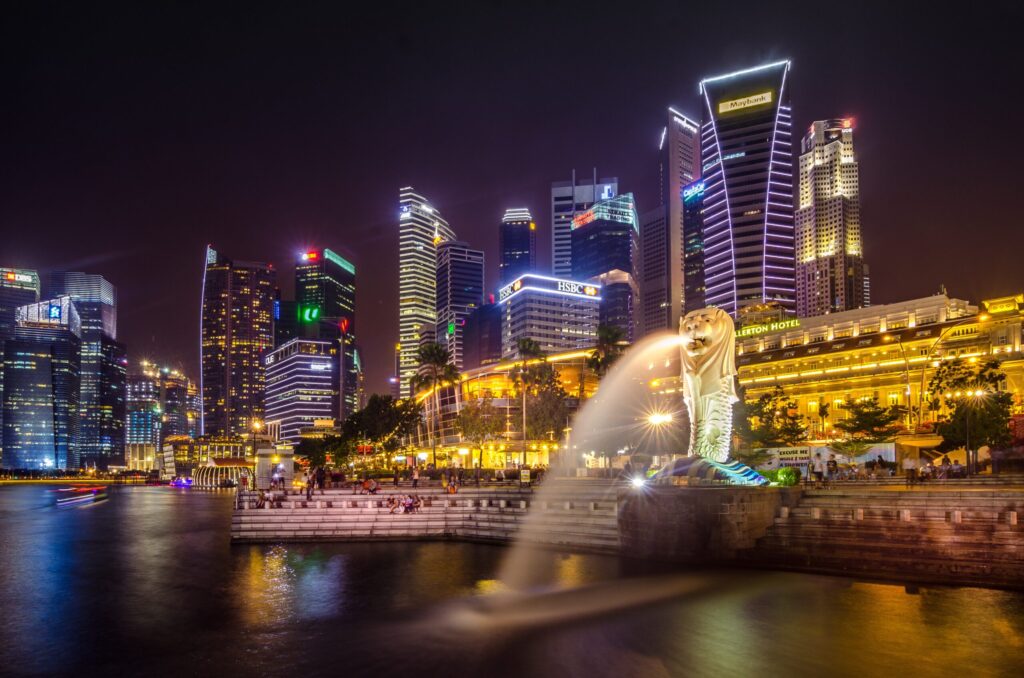
Singapore’s economic slowdown and declining job market have raised concerns among non-resident Indians (NRIs) residing in the city-state. As the country faces challenges such as a contraction in the economy and declining exports, NRIs may find it more challenging to secure employment opportunities. However, amidst these difficulties, there are also opportunities to be found. Sectors like information and communication technologies and financial services continue to show resilience, indicating potential skill-specific job openings. To navigate this changing landscape, NRIs should focus on adapting their skills, networking, and staying updated with industry trends. By doing so, they can position themselves to overcome challenges and contribute meaningfully to Singapore’s economy.
Gulf Bank Employees Recognized and Empowered in KFAS Innovation Challenge Program

Gulf Bank’s recent recognition of its employees’ participation in the KFAS Innovation Challenge Program reflects the organization’s unwavering commitment to fostering innovation and nurturing talent within Kuwait’s private and banking sectors. By collaborating with prestigious institutions like the Kuwait Foundation for the Advancement of Sciences and the London Business School, Gulf Bank demonstrates its dedication to promoting creativity and driving economic growth. This program provides employees with invaluable experiences and tools to become future business leaders, contributing to the bank’s vision of being the leading Kuwaiti Bank of the Future. As Gulf Bank continues to empower its workforce and embrace a culture of innovation, it sets a remarkable example for the entire banking industry in Kuwait.
U.S. Secretary of State Antony Blinken Visits Beijing to Mend U.S.-China Relations
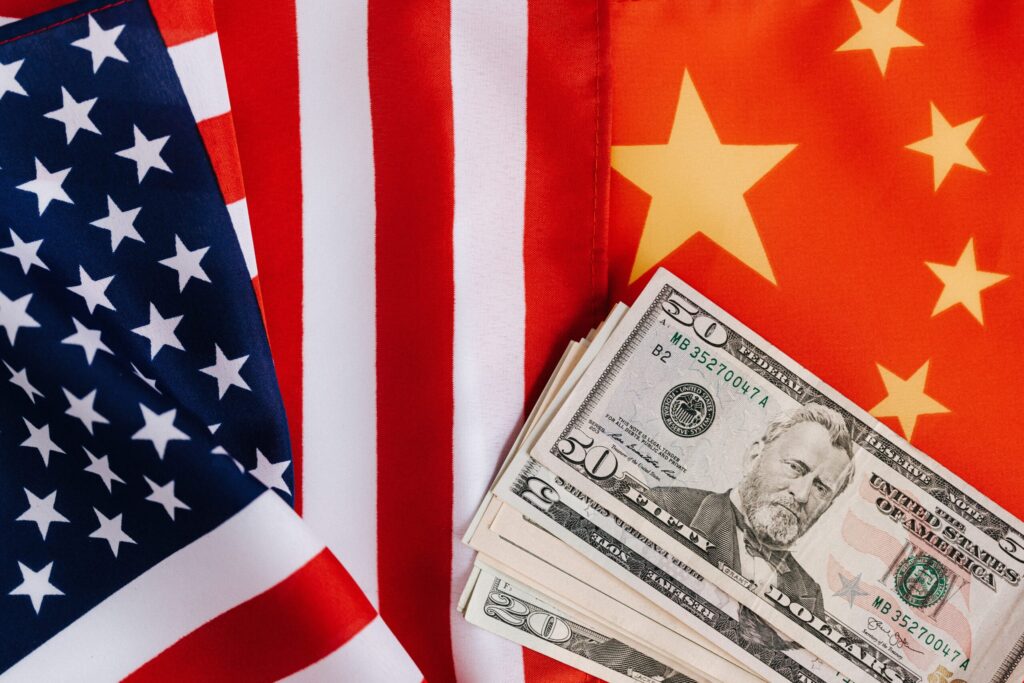
In a significant diplomatic effort to mend the strained relations between the United States and China, U.S. Secretary of State Antony Blinken embarked on a crucial visit to Beijing. This historic trip, the first by a U.S. secretary of state in nearly five years, aims to foster open communication and address bilateral concerns. During his meetings with Chinese Foreign Minister Qin Gang, Secretary Blinken emphasized the United States’ commitment to the interests and values of the American people while exploring opportunities for cooperation. The invitation for further discussions and the commitment to sustained engagement signal a shared desire to improve U.S.-China relations. Though immediate expectations for a significant breakthrough remain modest, this visit sets a positive tone for future meetings and highlights the importance of continued dialogue. As the world watches, this diplomatic endeavor holds the potential to pave the way for collaboration on global challenges and contribute to a more cooperative international landscape.
Oman Emerges as a Global Leader in Green Hydrogen Production
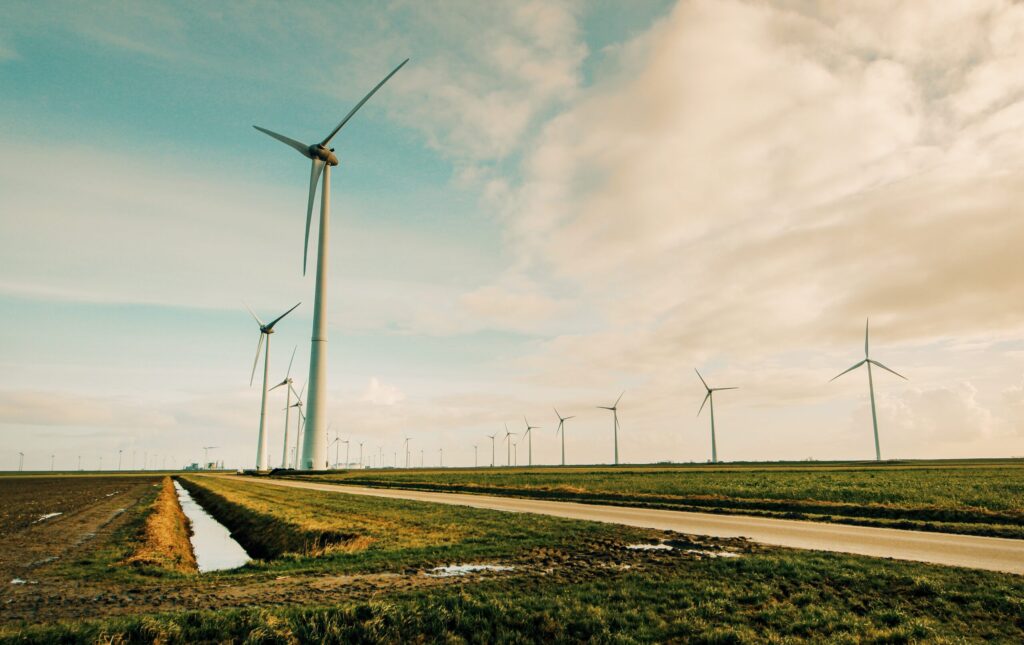
Oman is making significant strides in the global green hydrogen market, positioning itself as a leader in sustainable energy production. Hydrogen Oman (Hydrom), a subsidiary of Energy Development Oman (EDO), has signed three groundbreaking agreements that mark a major milestone in the country’s pursuit of becoming a hub for green hydrogen production. These agreements, backed by visionary leadership and strong government support, demonstrate Oman’s commitment to renewable energy and attract global investment. With a focus on green steel production, ammonia production, and export, these projects showcase Oman’s potential and contribute to economic diversification. The substantial investments, estimated at over $20 billion, reflect international confidence in Oman’s renewable energy potential and its attractiveness as a business destination. Furthermore, the government’s commitment to a robust regulatory framework and infrastructure development, as well as strategic collaborations and research partnerships, positions Oman as a global player in green hydrogen production. As Oman advances in this sector, it emerges as a beacon of hope and innovation in the global transition to clean energy, demonstrating its dedication to global environmental goals and sustainable development.
NPCI Expands UPI Services to Gulf Countries:Paving the Way for Seamless Cross-Border Remittances

The National Payments Corporation of India (NPCI) is set to revolutionize cross-border remittances with its plans to extend the Unified Payments Interface (UPI) services to Gulf countries. This strategic move aims to simplify transferring funds between bank accounts across borders. With discussions in the early stages, NPCI has garnered significant interest from Gulf nations, showcasing the potential for seamless payment solutions. By leveraging UPI’s capabilities and collaborating with central banks and mission offices, NPCI aims to create a secure and efficient platform for cross-border transactions. As India’s UPI transactions surge, experts predict a milestone of 1 billion transactions per day by 2026-27, positioning UPI as the dominant player in the retail digital payments landscape. This expansion strengthens India’s global presence and highlights its commitment to fostering economic cooperation and financial inclusion in the digital era.
St. Petersburg Economic Forum Implements Tighter Security Following Drone Threat Concerns

To prioritize the safety of attendees and high-profile guests, organizers of the St. Petersburg International Economic Forum (SPIEF) have implemented enhanced security measures, including the temporary disruption of mobile web access. The decision comes amid growing concerns over potential drone attacks, especially targeting President Vladimir Putin. As recent incidents have highlighted Russia’s evolving drone threat landscape, security precautions have been significantly heightened, reflecting the need to address these emerging challenges. Such measures aim to ensure a secure environment for participants, underscoring the importance of proactive security protocols in an ever-changing world.
India and China Lead Russian Crude Oil Purchases, Shifting Global Dynamics

In a remarkable turn of events, India and China have emerged as dominant players in the global oil market, cementing their positions as major buyers of Russian crude oil. According to the International Energy Agency (IEA), these two Asian powerhouses accounted for a staggering 80 percent of Russia’s oil exports in May, signaling a significant shift in the dynamics of global energy trade. As the world’s fastest-growing economy, India’s increasing reliance on heavily discounted Russian oil aligns with its ambitious plans to meet its soaring energy demands. Meanwhile, China’s continued growth and robust oil consumption have solidified its position as a key player in the global oil market. With geopolitical developments and trade restrictions reshaping the landscape, Russia has redirected its seaborne crude exports to Asia, effectively pivoting away from its traditional European markets. This realignment highlights the changing dynamics of the oil industry and underscores Asia’s growing importance in meeting the world’s energy needs. As India and China assert their influence, the implications for the global oil trade and the future of energy markets remain compelling subjects of observation and analysis.
GCC Governments Spearhead Efforts to Foster Inclusive Growth and Curtail Shadow Economy

The Gulf Cooperation Council (GCC) countries have made remarkable strides in managing their shadow economies, surpassing the global average significantly. Recent reports indicate that informal businesses in the region account for only 18% of the total GDP, showcasing the success of integration efforts. These achievements reflect the government’s commitment to foster inclusive growth and prioritize small and medium-sized enterprises (SMEs) as key drivers of economic prosperity. The GCC nations are positioning themselves as global leaders in curbing the shadow economy and creating a sustainable economic landscape through effective policies, such as enhanced tax enforcement, digitalization, and financial inclusion. By empowering SMEs and embracing an inclusive growth approach, the region is poised for long-term success and resilience.
Unlocking Potential in Untapped Sedimentary Basins of Morocco

Predator Oil & Gas Holdings, a Jersey-based oil and gas company, has made a remarkable discovery in Morocco’s untapped sedimentary basin. The company’s recent interim drilling update revealed the identification of two potential gas reservoirs, adding a new chapter to their exploration efforts. This unexpected breakthrough brings renewed hope for unlocking the vast gas reserves in the Guercif Petroleum Agreement. With cautious yet determined steps, Predator Oil & Gas is poised to evaluate and test these findings, offering promising prospects for the future of the company and the broader oil and gas industry.
Oman Witnesses A Surging Demand for Postpaid Mobile and Internet Subscriptions

In a remarkable shift, Oman’s telecommunications sector has experienced a surge in postpaid mobile and internet subscriptions, signaling a change in consumer preferences and a rising demand for data usage. With an impressive growth of nearly 24% in postpaid mobile subscribers and a corresponding 9.3% increase in prepaid subscribers, telecom operators have quickly adapted to this evolving landscape. As Oman embraces the digital era, the expansion of international internet bandwidth capacity and the robust growth of domestic telecom giants like Omantel and Ooredoo Oman paint a promising picture for the future.