
Oman’s Fiscal Renaissance, A Testament to Economic Resilience and Strategic Reforms

Under the wise leadership of His Majesty Sultan Haitham bin Tarik, Oman has orchestrated a remarkable fiscal resurgence, achieving substantial milestones amid global economic challenges. Rigorous fiscal reforms, spending control, and revenue diversification have propelled the sultanate’s fiscal performance, showcasing a surplus of RO931mn in 2023, defying initial deficit projections. Notably, the reduction in public debt from RO17.6bn in 2022 to RO15.2bn in 2023, steering the debt-to-GDP ratio to 35%, has fortified Oman’s credit ratings. Major credit agencies like Moody’s, S&P Global Ratings, and Fitch Ratings have lauded Oman’s fiscal prudence, upgrading its sovereign credit ratings and endorsing the effectiveness of strategic financial policies. This fiscal renaissance underscores Oman’s resilience and strategic insight in navigating economic complexities.
Oman’s Fiscal Turnaround, A Deep Dive into the 2023 Debt Reduction and 2024 Budgetary Plans

In a noteworthy fiscal turnaround, Oman’s public debt has seen a substantial reduction, dropping to 35% of the GDP in 2023 from nearly 70% in 2020. This commendable shift is attributed to the sultanate’s fiscal reforms and a boost from higher-than-expected oil prices. The 2023 debt-to-GDP ratio of 35% reflects Oman’s commitment to responsible financial management, marking a significant improvement from previous years. The unexpected surplus of approximately RO931 million in the 2023 budget underscores the success of proactive measures and prudent fiscal policies. Looking ahead, Oman’s 2024 budget prioritizes stability, debt reduction, and strategic deficit financing to strengthen the nation’s economic resilience further.
Redefining the Bank of England’s Role-A Deeper Look at the Resolution Foundation’s Proposals

The Resolution Foundation’s bold proposals for reshaping the Bank of England’s role could mark a significant turning point in the UK’s economic strategy. Their call to increase the inflation target to 3% seeks to equip the bank with enhanced tools to manage future economic shocks effectively. Although unconventional, the notion of employing negative interest rates as a monetary policy tool could potentially breathe new life into the country’s economic recovery efforts. However, this transformation would mark a radical shift, potentially significantly reshaping the financial landscape. As the world grapples with ongoing economic uncertainties, the call for a “policy reset” echoes the necessity for adaptability and resilience in a rapidly changing financial environment.
Shaping a Healthier, Longer, and Better Future for Filipinos – AIA Philippines’ Enduring Legacy

With over 75 years of heritage in the Philippines, AIA Philippines, formerly Philam Life, stands as a paragon of endurance. Evolving in sync with the shifting needs of its patrons, it now encompasses a comprehensive suite of services. Through subsidiaries like BPI AIA, AIA Investment Management, and MediCard Philippines, it aspires to provide protection, savings, and innovative healthcare solutions to the Filipino populace. AIA Philippines’ commitment to nurturing a healthier, longer, and better life for all is the cornerstone of its enduring legacy.
Bank Muscat Achieves Remarkable Growth with RO159mn Net Profit for the First Nine Months of 2023

Bank Muscat has reported a commendable 7.1% year-on-year growth in net profit for the first nine months of 2023, totaling RO158.88mn. This performance underscores the bank’s strength and ability to adapt to economic challenges. Its growth in net interest income and robust financial management signifies its commitment to financial excellence. Moreover, the bank’s responsible approach to managing operating expenses and addressing potential financial risks demonstrates its resilience. With increased customer deposits and a growing asset base, Bank Muscat remains a pivotal player in Oman’s financial sector.
Morocco’s Ambitious Plans to Revitalize Tourism Sector Post-Earthquake

Ambitious goals and attractive incentives for investors mark Morocco’s determined efforts to revitalize its tourism sector post-earthquake. With plans to double annual tourism investments to $2 billion by 2026, the country aims to welcome millions of tourists, create jobs, and boost foreign exchange earnings. Despite a recent earthquake, Morocco remains an alluring destination, offering diverse landscapes and competitive infrastructure. The nation’s strategic roadmap emphasizes the development of beach resorts and leisure attractions, diversifying its tourism offerings. As Morocco seeks investment from GCC, Asian, and African investors, its stability and global positioning make it a compelling destination for capital inflow.
Economic Resilience Amidst Oil Output Cuts: GCC Growth Prospects
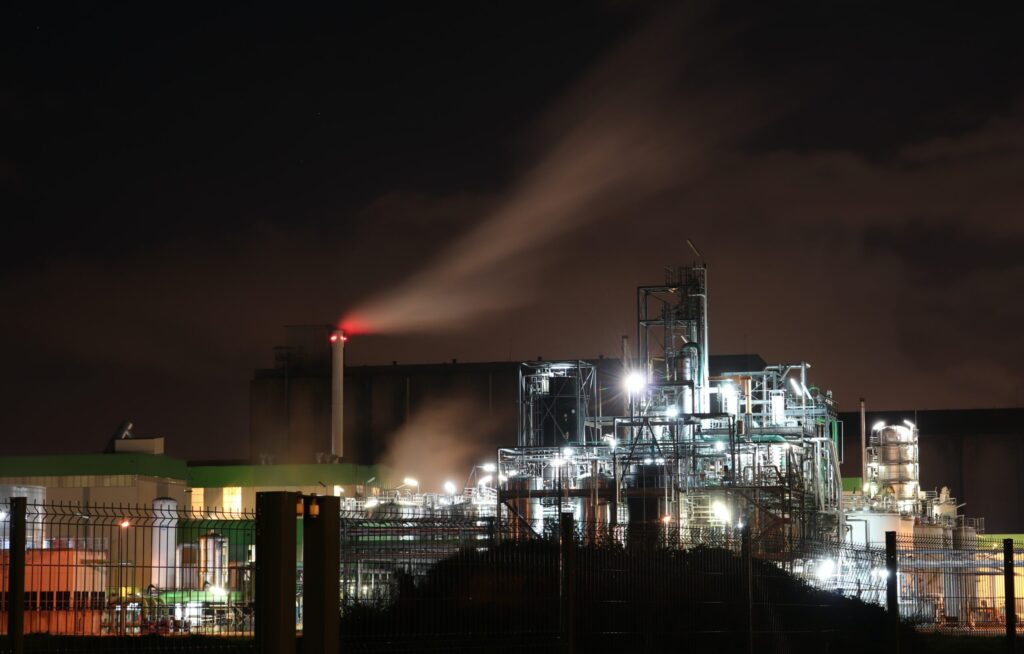
The Gulf Cooperation Council (GCC) economies faced an intricate economic landscape in the second quarter of 2023, marked by reduced oil production. This led to a 0.5 percentage point downward revision in growth forecasts for the GCC, setting the growth rate at 1.4% for the year. However, the region’s non-energy sectors have shown resilience, with robust growth in tourism-related industries. Rising energy prices, driven by global factors, have also played a pivotal role, with Brent oil reaching $90 per barrel. The impending inclusion of Saudi Arabia and the UAE into the BRICS group offers a ray of hope, fostering economic diversification and reducing reliance on the US dollar, setting the stage for a more optimistic future.
Oman Navigates Oil Export Challenges Amidst Changing Global Dynamics
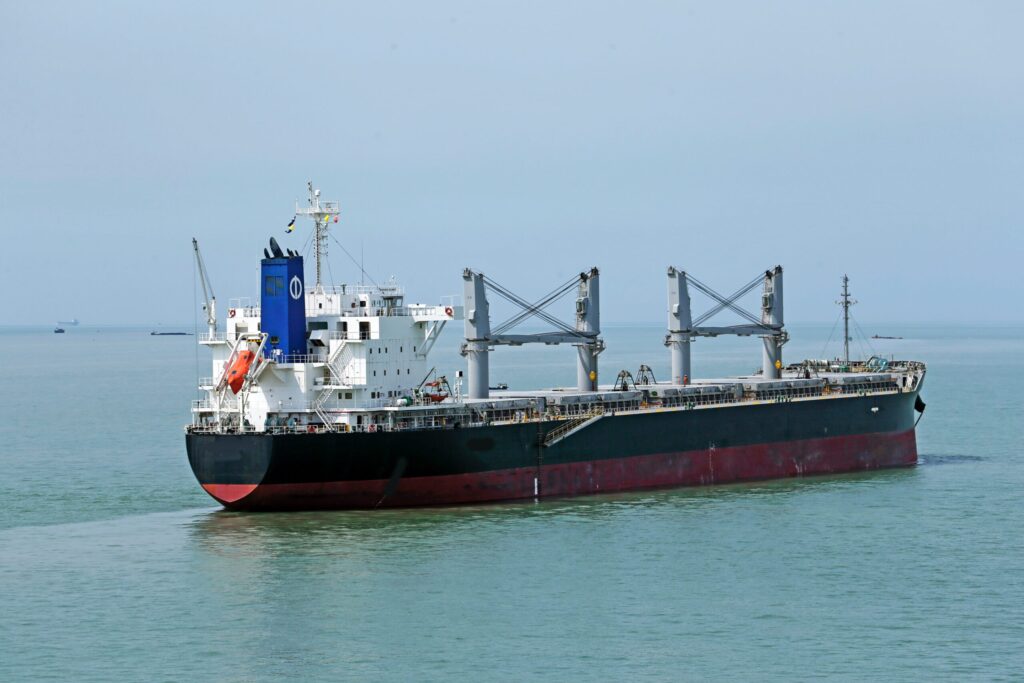
Oman, a significant player in the global oil market, is facing changing dynamics in its oil exports. The sultanate’s oil exports witnessed a 5.7% decline in the first seven months of 2023, primarily due to reduced shipments to India, a vital trade partner. The drop in exports to India by 90.1% is emblematic of shifting global trade preferences and the impact of geopolitical changes. On the other hand, Oman’s exports to China surged by 12.8%, emphasizing the strategic importance of maintaining strong relationships with key partners. Amidst these fluctuations, Oman’s stable oil production underscores its resilience in a volatile energy landscape.
Jordan’s Economic Resilience in the Face of Global Challenges

Jordan’s recent governmental forum on the shores of the Dead Sea highlighted the nation’s financial resilience in a turbulent global economy. Minister of Planning and International Cooperation Zina Touqan emphasized the importance of global economic trends in shaping Jordan’s fiscal strategies. The forum underlined the urgent need to fund the Jordanian response plan to the Syrian refugee crisis, with only 9 percent of requirements being met so far.
Jordanian Dinar Shows Resilience; Exchange Rate Trends in 2022
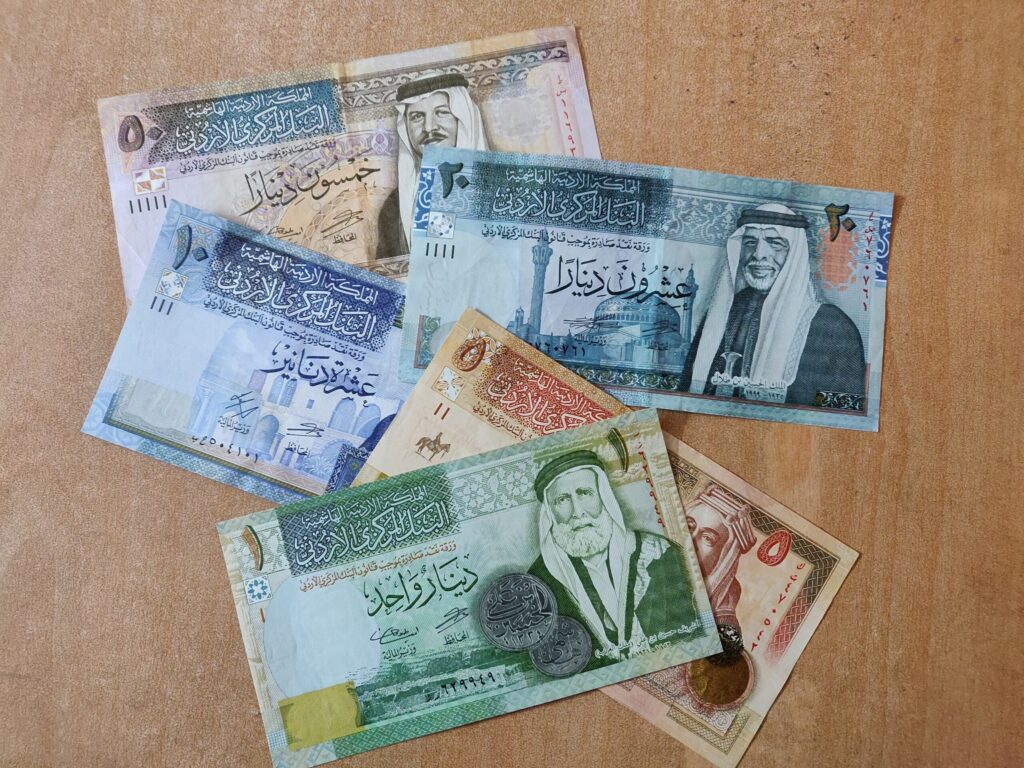
The Jordanian Dinar showcased its resilience in 2022, with a notable rise in its exchange rate against major global currencies. The annual report from the Jordanian Central Bank unveiled an increase of 6.9 percent against the Euro, 9.1 percent against the British Pound, and a significant 18.6 percent against the Japanese Yen. This positive trend reflects Jordan’s stable economic foundation and well-considered monetary policies. The Central Bank’s steadfast commitment to a fixed exchange rate policy against the US Dollar since 1995 has bolstered economic stability and instilled investor confidence in the country’s financial landscape.