

Jordan’s Economy Faces Setback, Prime Minister Highlights Impact of Gaza Conflict

Jordan’s Prime Minister, Bisher al Khasawneh, voiced concerns over the Gaza conflict’s impact on the nation’s once-promising economy. The disruption in Red Sea shipping due to Houthi attacks, coupled with a significant dip in tourism post the Oct. 7 Hamas attack, has thwarted Jordan’s economic growth trajectory. Shipping costs for cargo arriving at Aqaba’s Red Sea port have surged, sparking worries about potential inflation. Despite the challenges, Jordan remains focused on its economic modernization plan, seeking to enhance competitiveness. The recent IMF approval of a $1.2 billion loan program reflects international confidence in Jordan’s economic policies, providing a ray of hope for recovery.
Senegal and Morocco Celebrate Strengthened Bilateral Ties

Senegal’s Prime Minister, Amadou Ba, lauds the enduring and strengthened ties with Morocco, hailing the Kingdom as a “privileged partner” across diverse sectors. The acknowledgment came during the 50th Conference of the International Francophone Press Union (UPF) in Dakar, emphasizing the historical and reciprocal nature of the relationship. Prime Minister Ba highlights Morocco’s significant investments in Senegal, particularly in banking, insurance, and various sectors, underscoring the positive impact on economic cooperation. The UPF conference served as a platform for fostering international collaboration, showcasing Morocco’s integral role in the Francophone community. The commendation reflects a broader trend in African nations seeking robust intra-continental partnerships for mutual growth and development.
England’s Junior Doctors Stage Unprecedented Six-Day Strike Amid Soaring Inflation

In an unprecedented move, England’s junior doctors, represented by the British Medical Association, are commencing a historic six-day strike, posing a formidable challenge to the National Health Service (NHS) during its winter peak. The strike, fueled by the demand for improved pay amid soaring inflation, adds strain to an NHS that has already canceled 1.2 million appointments in 2023 due to earlier strikes. Despite the government’s offer of an 8-10% pay increase, the BMA’s rejection in favor of a 35% raise underscores a deepening crisis within the healthcare sector. With over 7.7 million patients on waiting lists, the strikes heighten concerns about the NHS’s ability to handle the simultaneous pressures of Covid, flu, and staff shortages. The discontent among junior doctors reflects broader issues of underinvestment, record waiting lists, and a decade of pay erosion, signaling a critical juncture for the UK’s healthcare system.
Junior Doctors in England Announce Historic Strike During Christmas Period

In a historic move, England’s junior doctors have announced a prolonged strike over the Christmas season, escalating a year-long dispute over pay amid a national cost of living crisis. The British Medical Association (BMA) confirmed the unprecedented action, with strikes planned from December 20 to 23 and January 3 to 9. Despite the government offering a 3.0% average pay rise, junior doctors argue it falls short amid soaring inflation. The decision to strike during the busiest time of the year has raised concerns about its potential impact on NHS services. The move reflects a broader trend of UK workers resorting to industrial action amid economic challenges.
India’s Stance in West Asia West AsiaWest Asiaand Jordan’s Call for Collaboration

In the complex realm of international diplomacy, India’s abstention from a UN vote on the Israel-Hamas conflict sparks nuanced discussions. Jordan’s envoy, Mohamed Salam Jameel A.F. El-Kayed, highlights the respect for sovereign decisions, acknowledging India’s evolving role as an “emerging power” capable of contributing to conflict resolution. Amidst the diplomatic discourse, Jordan’s proactive humanitarian aid efforts and condemnation of Israeli bombardment underscore its commitment to alleviating the crisis. The recent IDF strike targeting a key figure in Hamas’s weapons manufacturing adds a layer of complexity to the unfolding events. As nations grapple with their roles, the hope for a peaceful resolution remains central in addressing the urgent humanitarian concerns in Gaza.
Trudeau’s Policy Pivot; The Canadian Carbon Price Suspension and Its Implications

Prime Minister Justin Trudeau’s suspension of the carbon tax on home heating oil in Canada’s eastern provinces demonstrates a significant policy shift. This decision, a response to political pressure and the concerns of voters, grants residents in the Atlantic region a three-year window to transition to electric heat pumps. The move aims to alleviate the rising cost of living and energy expenses, particularly in the Atlantic provinces, where the carbon tax only recently came into effect. While the suspension signifies a deviation from Trudeau’s climate policies, it underscores the government’s commitment to supporting residents in adapting to cleaner heating methods. However, it also raises questions about the long-term effectiveness of carbon pricing in driving sustainable investments.
Thailand’s New Prime Minister Pledges Swift Action on Economic Challenges
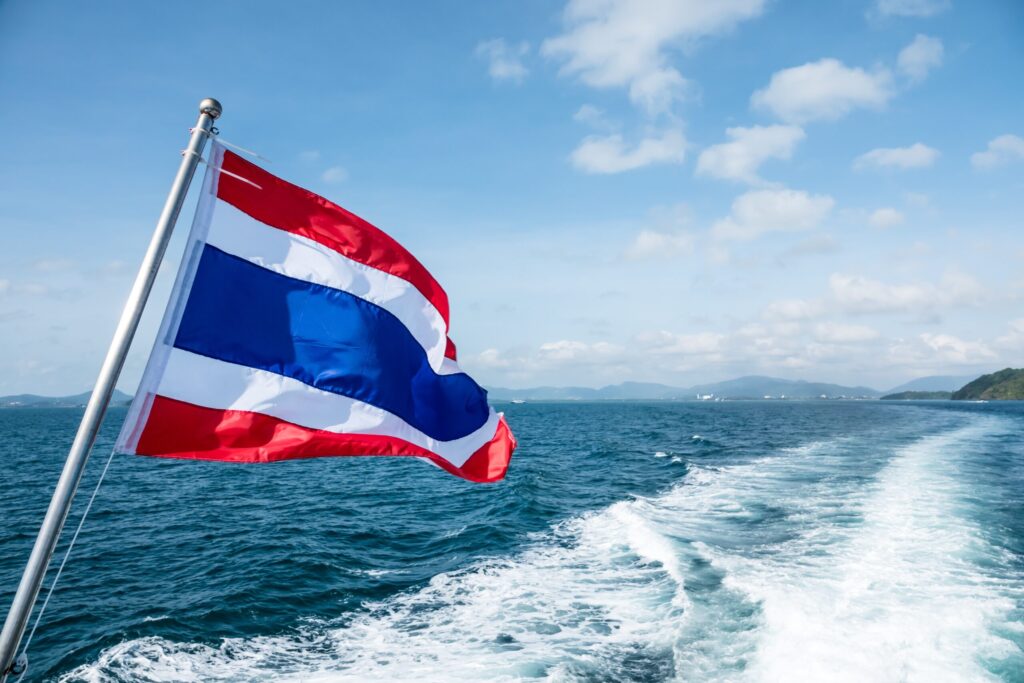
In his inaugural address to Parliament, Thailand’s new Prime Minister, Srettha Thavisin, has set a proactive agenda for addressing the nation’s economic woes. With the pandemic’s impact on the vital tourism industry and rising debt levels, he emphasized the urgency of these measures. Of particular note is the proposed 10,000-baht ($280) handout to stimulate short-term spending, though its long-term effectiveness remains a subject of debate. The government also outlined ambitious long-term goals, including bolstering international trade, supporting start-ups, and enhancing agricultural production, signaling a comprehensive approach to economic revitalization. Additionally, plans for political reforms, particularly involving the military’s role, were diplomatically addressed to ensure transparency and cooperation.
Jordan Advances Key Legislative Changes in Recent Cabinet Session

In a significant development, Jordan’s Cabinet, led by Prime Minister Bisher Al-Khasawneh, convened on September 13, 2023, to approve several crucial bylaws and regulations aimed at improving various aspects of governance and society. Expanding Access to Healthcare One of the major highlights of this session was the approval of an amended Civil Health Insurance Bylaw […]
Moroccan Senate President’s Historic Visit to Israel Delayed Due to Medical Emergency

The unexpected delay in Moroccan Senate President Enaam Mayara’s historic visit to Israel due to a medical emergency has cast a momentary pause on burgeoning diplomatic relations between the two nations. Mayara’s intended visit to Israel’s Knesset was poised to mark a pivotal moment, as he would have been one of the few Muslim leaders to enter the Israeli parliament. This delay comes against the backdrop of the 2020 Abraham Accords, which normalized relations between Israel and Morocco, among other Arab nations. Despite regional tensions, Israel’s relations with Morocco remain robust, with strong trade ties and shared interests. This delay serves as a temporary interruption in a promising diplomatic journey.
Tensions Rise as Kuwait and LebanonClash Over Minister’s Comments
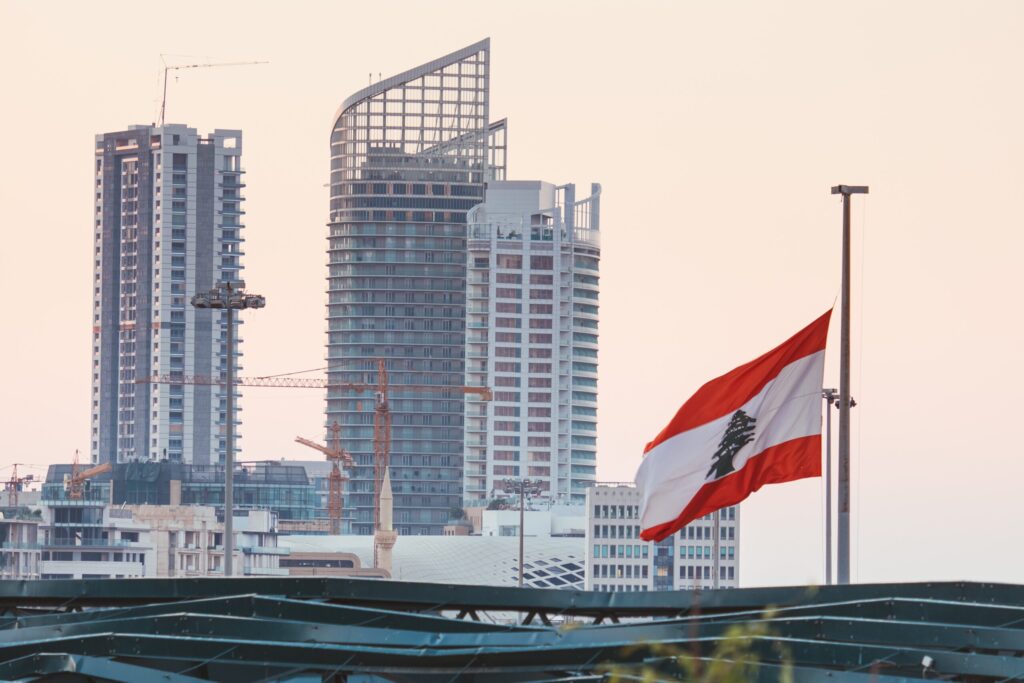
A diplomatic disagreement has unfolded between Kuwait and Lebanon, sparked by comments made by Lebanon’s caretaker Economy Minister, Amin Salam. The issue revolves around Salam’s suggestion that Kuwait should fund the rebuilding of a portion of Beirut’s port, specifically the main wheat silos, destroyed in the devastating 2020 port explosion. Kuwait’s Foreign Minister, Sheikh Salem Abdullah Al-Jaber Al-Sabah, criticized Salam’s remarks, stating they deviated from diplomatic norms and could jeopardize bilateral relations. This incident highlights the delicate nature of international relations and the potential impact of seemingly innocuous statements on political ties.