

Yield Curve Inversion Raises Concerns and Signals Economic Shifts

In a rare occurrence with potentially far-reaching consequences, the U.S. yield curve has experienced its deepest inversion since 1981. This inversion, where short-term Treasury bond yields surpass long-term yields, has historically been associated with economic downturns. Investors and experts are closely monitoring this development, questioning its implications and whether it could signal an upcoming recession. While an inverted yield curve is not unheard of, the magnitude of this inversion is catching attention and prompting careful analysis. Experts suggest that factors such as expectations of further interest rate hikes and concerns about inflation are contributing to this unique situation. As the financial landscape continues to evolve, market participants remain watchful, looking for signs of stabilization or potential shifts that could impact the broader economy.
Morning Bid: Oil and jobs
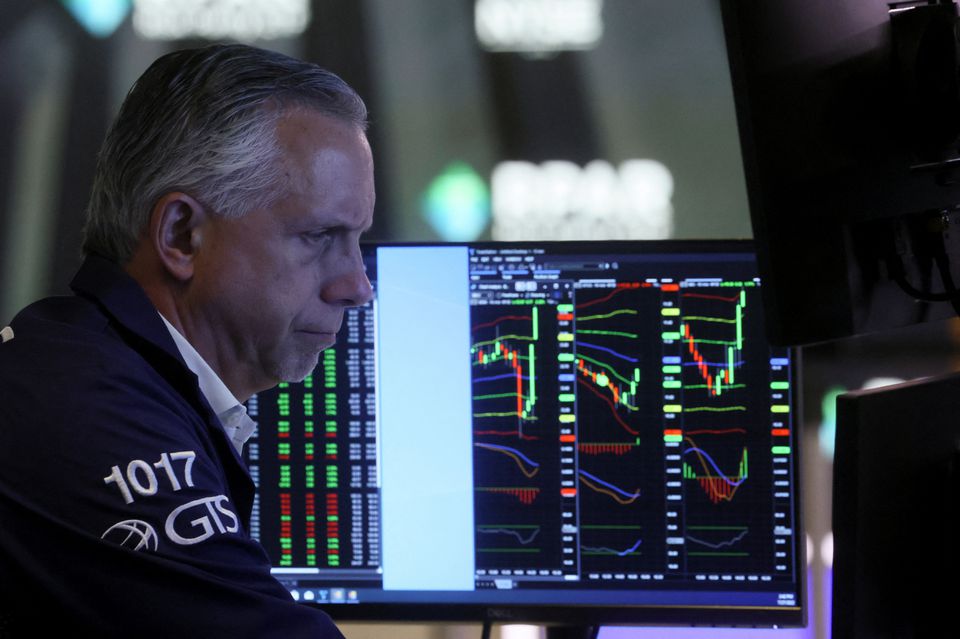
World markets calmed a bit on Wednesday after a tumultuous couple of weeks – but a focus on energy prices and U.S. employment promised more tension ahead.
Euro slips vs dollar ahead of expected red-hot U.S. inflation
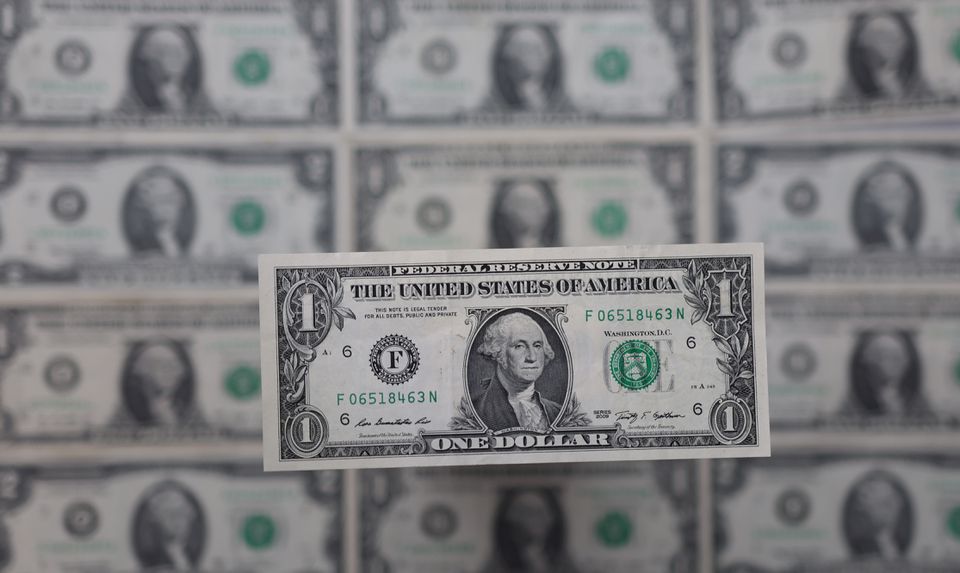
The euro fell on Tuesday unable to hold on to the post-French election gains, as the dollar held firm supported by high U.S. yields ahead of inflation data expected to reinforce bets of aggressive monetary tightening.
Indonesia’s GDP speeds up on easing COVID-19 curbs, brisk exports

Indonesia’s economic growth accelerated in the final quarter of last year as consumption perked up following the easing of anti-virus mobility restrictions and as stronger commodity prices pushed exports to record highs.
Futures slump on fresh Omicron worries after vaccine warning

U.S. stock index futures fell sharply on Tuesday after a warning from vaccine maker Moderna’s chief executive on the effectiveness of COVID-19 shots against the Omicron variant hammered travel, energy and banking shares.
Aussie jumps as inflation data sparks rate hike talk, yen becalmed before BOJ

The Aussie dollar jumped on Wednesday as surprisingly strong inflation data raised the possibility of sooner-than-planned rate hikes, while the yen was calm as Japan’s central bank is seen retaining its easy monetary policy stance later this week.
Analysis: Investors pivot to Powell after more hot U.S. inflation data

The biggest rise in U.S. consumer prices in 13 years has intensified investor focus on messaging from the Federal Reserve, with the central bank’s chairman set to speak before Congress on Wednesday.
U.S. dollar share of global reserves rises in Q1; euro share slips
The U.S. dollar’s share of currency reserves reported to the International Monetary Fund edged up to 59.5% in the first quarter of the year, from 58.9% in the previous quarter, IMF data showed on Wednesday.
Asian shares start on cautious note amid rise in COVID-19 cases
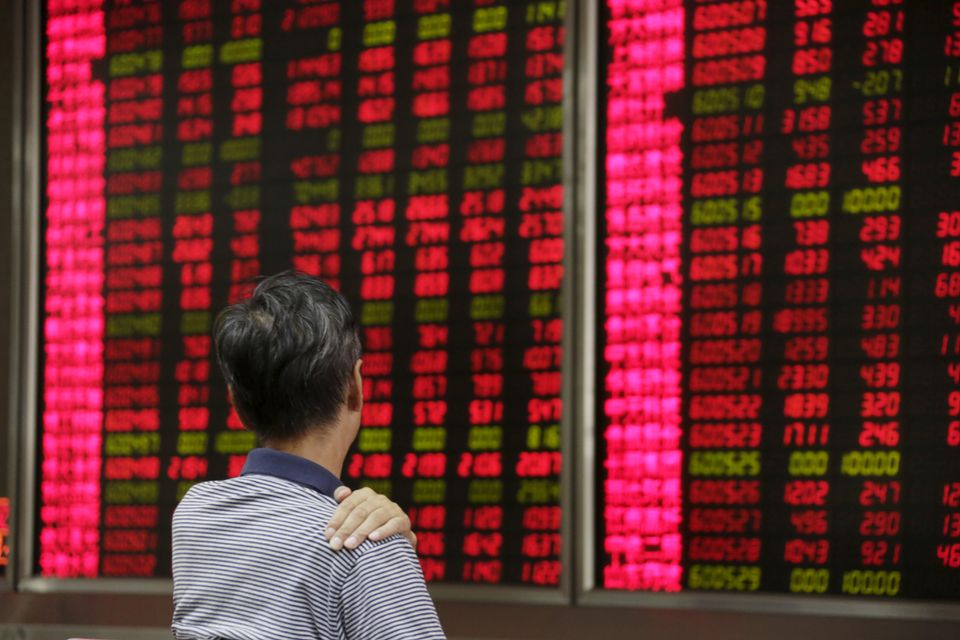
Asian shares got the week off to a cautious start on Monday as a spike in coronavirus cases across Asia over the weekend hurt investor sentiment while oil hovered around 2-1/2 year highs.
Japan’s wholesale prices rise at fastest pace in 13 years on commodities surge

Japan’s wholesale prices rose at their fastest annual pace in 13 years reflecting higher commodity costs, data showed on Thursday, a sign global inflationary pressures are pinching firms already struggling amid the coronavirus pandemic.