

Salalah Free Zone Attracts RO44mn Investment in Five New Deals
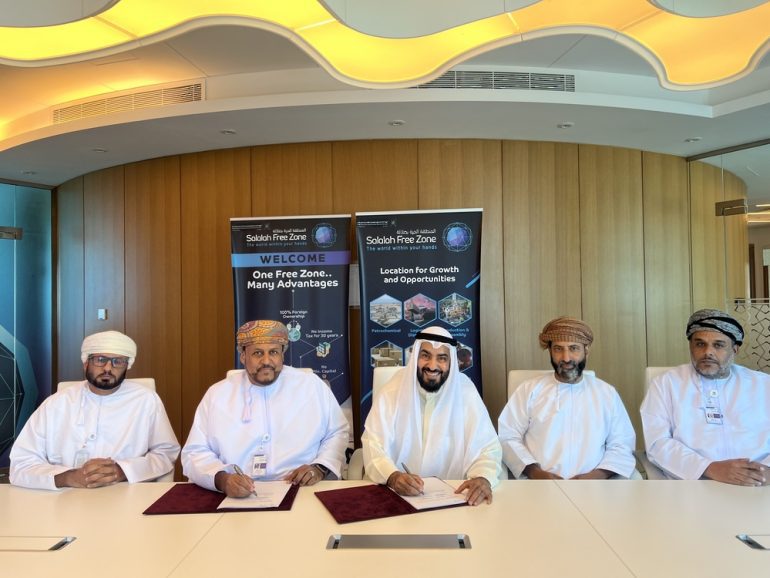
Salalah Free Zone has inked five new investment deals worth RO44mn, involving investors from Kuwait, Iraq, Jordan, and Hong Kong. The agreements span various sectors, including paper tissues, air conditioning devices, blood sugar test strips, frankincense derivatives, and potash fertilizers.
Akasa Air Takes Flight; Nod for International Operations to Saudi Arabia, Kuwait, and Qatar
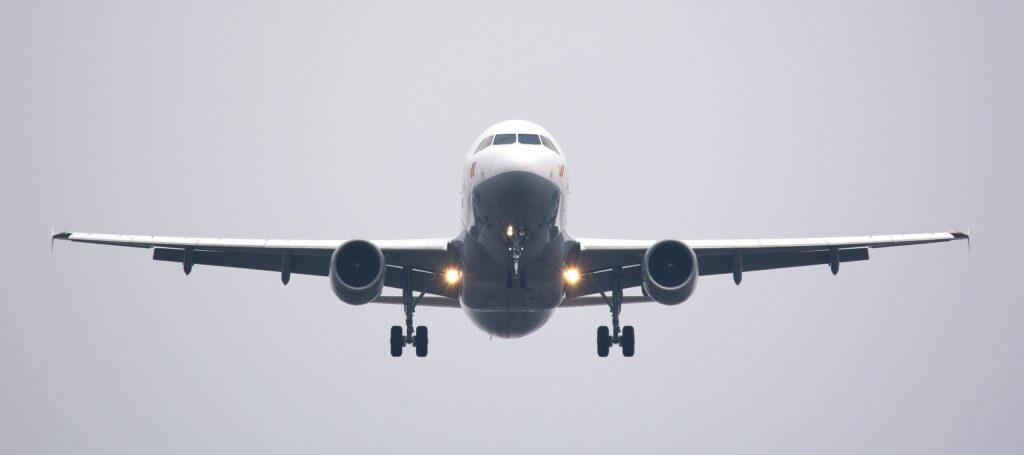
In a groundbreaking move, Akasa Air has received the government’s approval to extend its flight operations beyond India’s borders, signaling the airline’s entry into the international market. The destinations initially granted are Saudi Arabia, Kuwait, and Qatar, heralding a new era for this low-cost carrier. This development aligns with India’s modified 0/20 rule, facilitating international flights once an airline possesses a minimum of 20 aircraft in its fleet without any time-based constraints, a shift from the previous 5/20 rule. However, a notable challenge for Akasa Air lies in securing access to destinations like Dubai, where existing bilateral agreements have nearly been exhausted, underscoring the intricacies of international aviation regulations. The airline’s upcoming journey abroad will undoubtedly shape its role in the global aviation landscape.
Kuwait Takes a Pioneering Leap Towards Power and Water Privatization

Kuwait’s announcement of plans to privatize its power and water assets signifies a pivotal moment in the nation’s quest for improved service delivery and economic efficiency. Backed by a comprehensive feasibility study, this transformational initiative is poised to drastically reduce the government’s annual expenditure on these essential services, which currently exceeds $19 billion in subsidies. By opening the doors to privatization, Kuwait aims to introduce competition, innovation, and private sector investment into its energy sector, thereby enhancing service quality and operational efficiency. While challenges lie ahead, including regulatory complexities and ensuring affordability for the general population, this move reflects Kuwait’s commitment to modernizing its infrastructure and embracing global standards.
Kuwait Seeks Support for UN Human Rights Council Membership

Kuwait’s Prime Minister, Sheikh Ahmad Nawaf Al-Ahmad Al-Jaber Al-Sabah, has passionately appealed to UN member states during the 78th UN General Assembly session in New York. His message urged countries to support Kuwait’s bid for membership in the UN Human Rights Council for the 2024-2026 term, with elections scheduled for October next year. Kuwait’s goal is to represent the developing world and work collaboratively to find equitable solutions to human rights issues in accordance with international law and UN resolutions. This move underscores Kuwait’s commitment to multilateralism and the principles of the United Nations Charter, focusing on international peace, security, and the well-being of humanity. Kuwait’s potential role in the UN Human Rights Council signifies its dedication to advancing global human rights efforts.
Oman’s Export Landscape, Navigating Shifting Markets and Emerging Trends
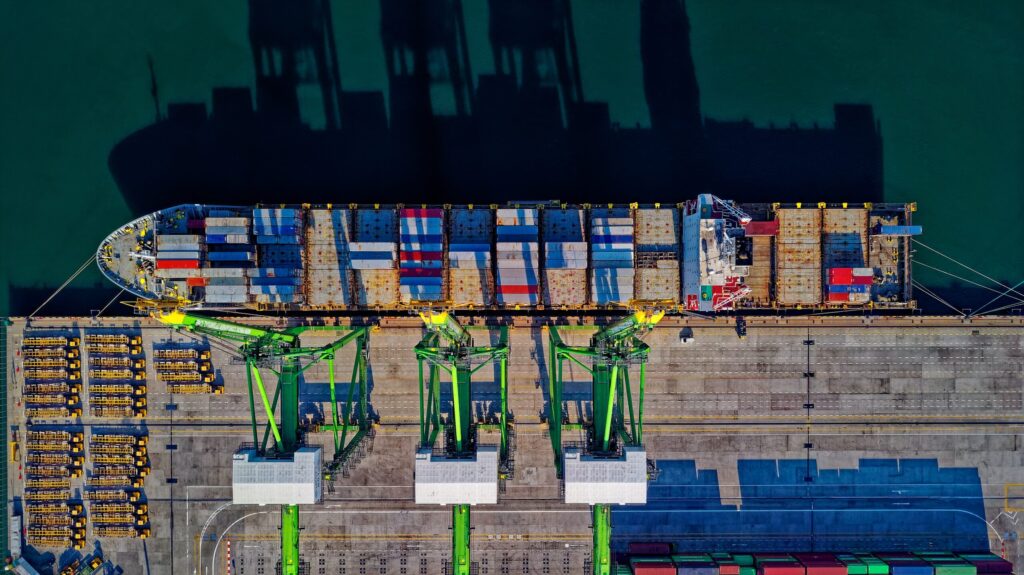
Oman’s export sector is undergoing a significant transformation, with recent data shedding light on its shifting trends and challenges. Non-oil exports have experienced a notable decline of nearly 12% in the first five months of 2023, attributed largely to reduced shipments to the United States. On the other hand, re-exports have surged by 28.7%, fueled by growing economic activity and demand in the Gulf region. As Oman navigates these changes, focusing on diversification, regional relationships, and sectoral adaptability remains crucial to ensuring a resilient export economy.
Brazil-Arab Trade Continues to Flourish, Bilateral Commerce Hits $10.61 Billion in 2023
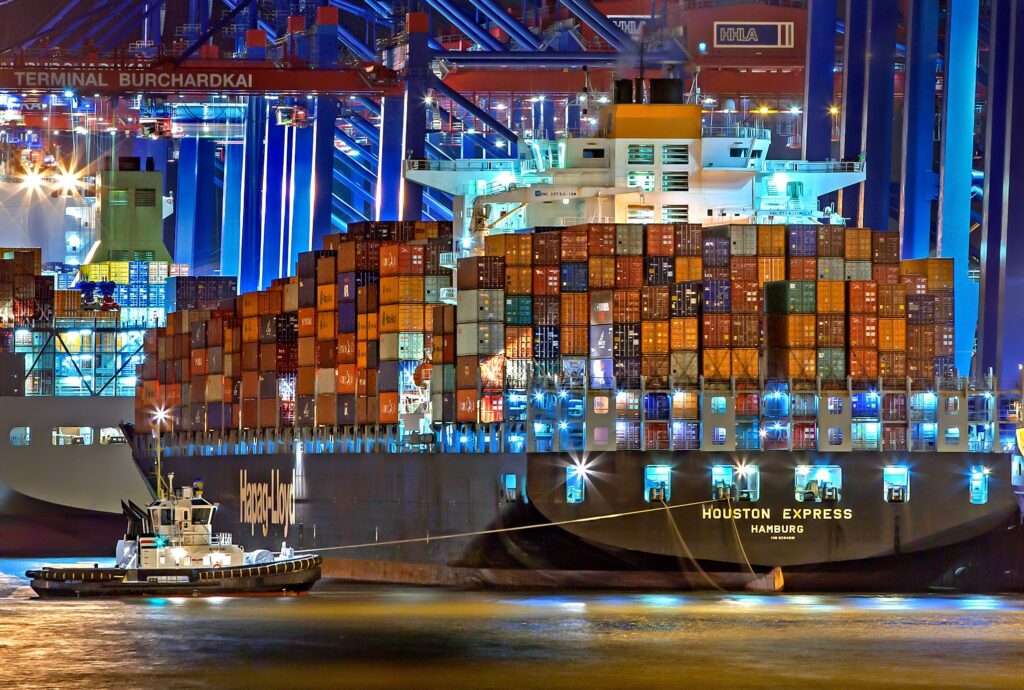
Brazil’s robust trade relationship with the Arab world is flourishing, as evident from an eight percent surge in Brazilian exports to Arab nations during the first seven months of 2023. The Arab Brazilian Chamber of Commerce (ABCC) reported that this growth has led to a total trade value of $10.61 billion, showcasing the strong economic ties between the two regions. Key trade partners, such as Saudi Arabia and the UAE, have significantly contributed to this growth, with exports reaching $1.873 billion and $1.646 billion, respectively. The ABCC’s role in fostering this collaboration and promoting bilateral economic cooperation has driven this growth.
Unlocking the Truth, The Safety of Kuwait’s Tap Water

In a surprising revelation, Kuwait’s tap water emerges as a safe and clean choice for residents and visitors alike. The Ministry of Commerce and Industry’s decision to mandate tap water offerings in restaurants and cafes has shed light on the high quality of Kuwait’s water supply. Behind this assurance lies a meticulous process at the Water Resources Development Center involving daily water testing from various institutions across the country. Swift action against any contamination underscores Kuwait’s commitment to water safety. While responsibility for clean water extends up to the building meter, building owners are urged to address any internal plumbing issues, with water filters serving as a viable solution.
Financial Wealth in UAE to Reach $1.3 Trillion by 2027
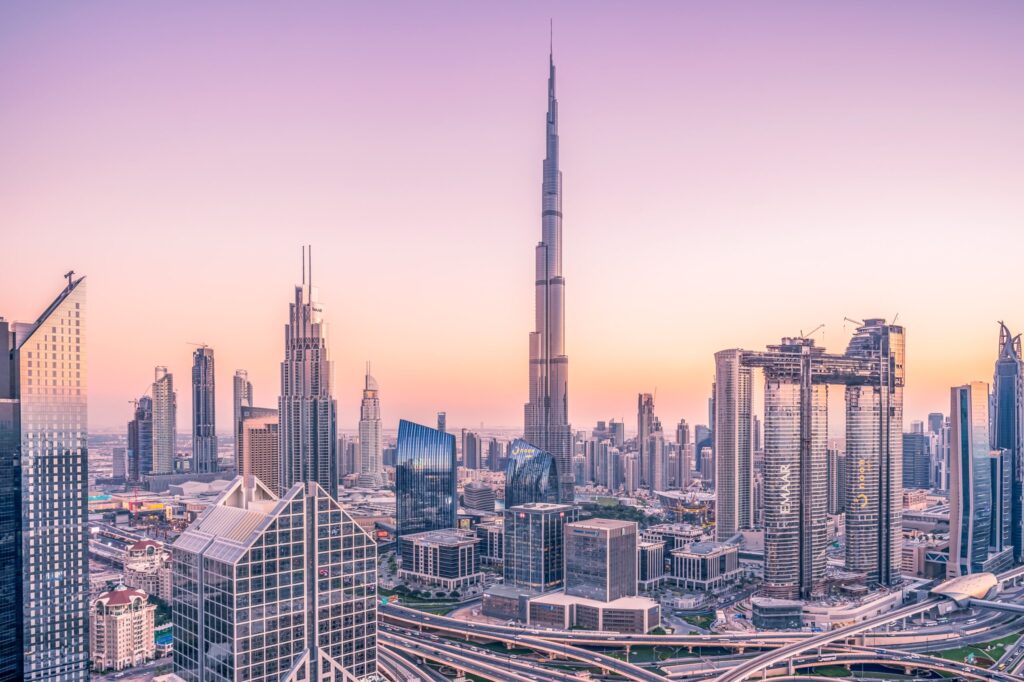
The UAE’s financial wealth is expected to increase to $1.3 trillion in five years from the present $1 trillion in five years, experiencing a Compound Annual Growth Rate (CAGR) of 5.5% between 2002 and 2027, strategic management firm Boston Consulting Group (BCG) said on Tuesday.
Kuwait’s Ambitious Drive to Energize Oil and Gas Sector with $5.6 Billion Investment

Kuwait’s strategic investment of $5.6 billion in its oil and gas sector signals an unwavering commitment to secure its energy future. With aspirations to raise crude oil production to 3.5 million barrels per day by 2030, Kuwait aims to play a pivotal role in global energy markets. The surge in capital spending by the Kuwait Oil Company (KOC), driven by robust expansion projects, aligns with the nation’s vision for energy self-sufficiency. KOC’s financial strength has reached historic levels, bolstered by soaring crude oil prices, providing a robust foundation for its strategic objectives. This initiative reinforces Kuwait’s energy prowess and charts a course toward a sustainable and prosperous energy landscape.
Tensions Rise as Kuwait and LebanonClash Over Minister’s Comments
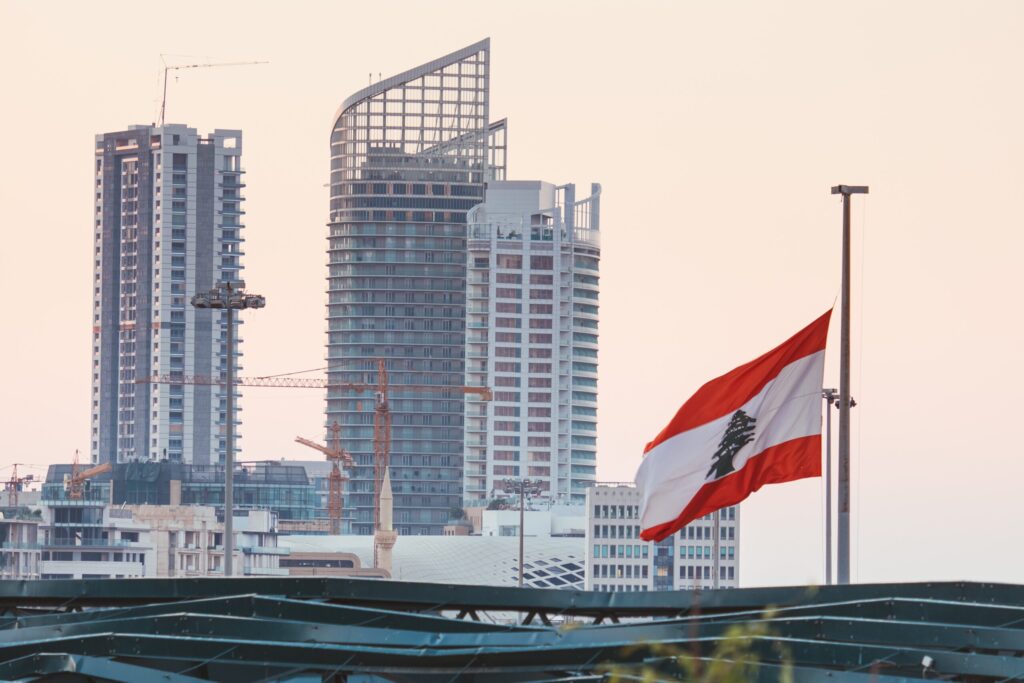
A diplomatic disagreement has unfolded between Kuwait and Lebanon, sparked by comments made by Lebanon’s caretaker Economy Minister, Amin Salam. The issue revolves around Salam’s suggestion that Kuwait should fund the rebuilding of a portion of Beirut’s port, specifically the main wheat silos, destroyed in the devastating 2020 port explosion. Kuwait’s Foreign Minister, Sheikh Salem Abdullah Al-Jaber Al-Sabah, criticized Salam’s remarks, stating they deviated from diplomatic norms and could jeopardize bilateral relations. This incident highlights the delicate nature of international relations and the potential impact of seemingly innocuous statements on political ties.