Yield Curve Inversion Raises Concerns and Signals Economic Shifts

In a rare occurrence with potentially far-reaching consequences, the U.S. yield curve has experienced its deepest inversion since 1981. This inversion, where short-term Treasury bond yields surpass long-term yields, has historically been associated with economic downturns. Investors and experts are closely monitoring this development, questioning its implications and whether it could signal an upcoming recession. While an inverted yield curve is not unheard of, the magnitude of this inversion is catching attention and prompting careful analysis. Experts suggest that factors such as expectations of further interest rate hikes and concerns about inflation are contributing to this unique situation. As the financial landscape continues to evolve, market participants remain watchful, looking for signs of stabilization or potential shifts that could impact the broader economy.
Market Outlook: Bank Nifty Eyes New Highs While Nifty Consolidates

Markets soar as Bank Nifty aims for new highs and Nifty 50 takes a breather! The Bank Nifty’s recent breakthrough has ignited a surge of optimism among investors, propelling it towards the 45,400 mark. Meanwhile, the Nifty 50, though consolidating, still hints at further upside potential. Traders are closely monitoring the action as the index future segment sees record-long positions by foreign institutional investors. Stay tuned for an exhilarating ride ahead as the market gears up for potential new records and exciting developments in the coming weeks!
Fidelity Bank Empowering Nigerian Businesses and Facilitating Global Trade Connections

Fidelity Bank’s FITCC Houston is set to ignite the global trade scene and empower Nigerian businesses. With a focus on promoting export trade and facilitating partnerships, this event promises to be a game-changer for entrepreneurs and industry leaders. FITCC Houston opens doors to new horizons and positions Nigerian businesses on the international map by providing a platform for collaboration, investment opportunities, and market access. Take advantage of this exceptional opportunity to expand your business, network with industry experts, and showcase your innovations to a global audience. The countdown to FITCC Houston has begun, and the stage is set for Nigerian businesses to shine on the world stage.
Kuwait International Bank Empowers Fintech Innovation through Visa Ready Program

Kuwait International Bank (KIB) is paving the way for a revolutionary transformation in the banking landscape of Kuwait through its collaboration with Visa in the Visa Ready for Fintech Enablement program. By joining Visa, KIB became the first bank in Kuwait to offer cutting-edge solutions to traditional issuers and FinTechs, unleashing a new era of digital empowerment and customer-centric strategies. This strategic move is set to accelerate the time to market for innovative financial services, enhancing the overall banking experience for partners and customers alike. With a focus on fostering financial inclusivity and embracing advanced technologies, KIB is leading the charge towards building a more innovative, accessible, and customer-centric banking sector in Kuwait.
Philippines Faces Hot Money Outflows Amid Global Economic Uncertainty
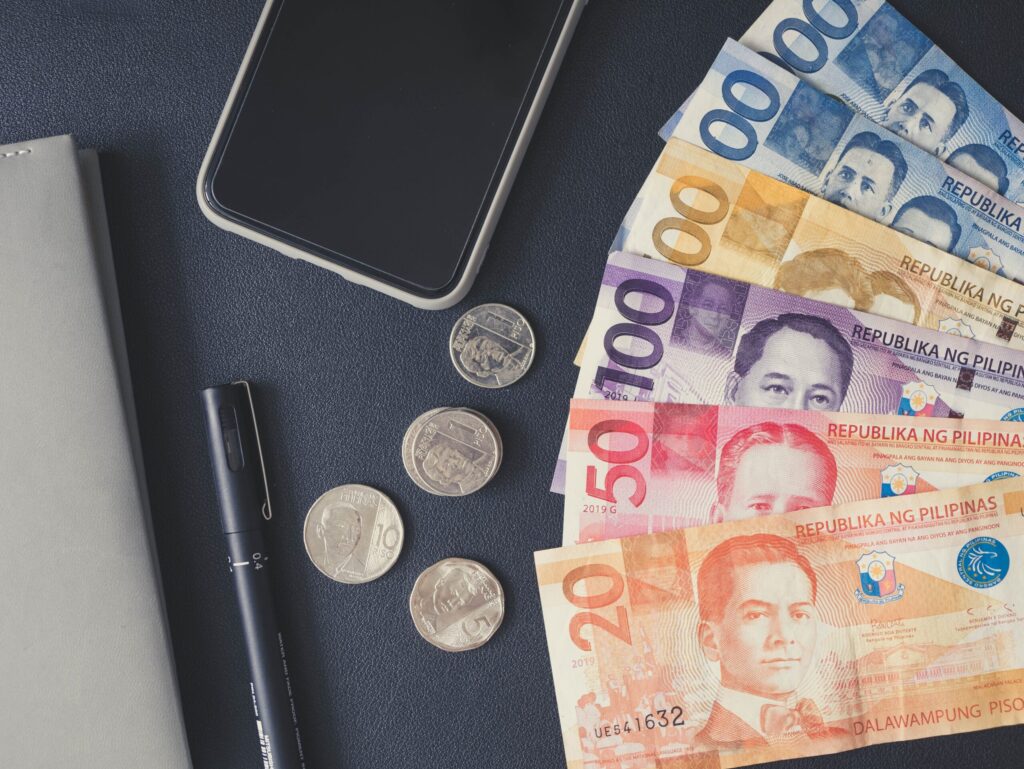
Amidst a backdrop of global economic uncertainty, the Philippines has witnessed a notable outflow of speculative funds, totalling $805 million in the first five months of the year. As hot money investments decrease and concerns over inflation and interest rates persist, international investors reevaluate their positions. Despite these challenges, key sectors such as banking, food and beverage, and property continue to attract investments. With the Bangko Sentral ng Pilipinas (BSP) implementing measures to stabilize the economy and inflation, the country’s economic outlook remains cautiously optimistic.
SEBI Aims to Streamline Grievance Redressal for Investors in India’s Financial Markets

SEBI, the guardian of India’s financial markets, is taking bold steps to empower investors and ensure their grievances are swiftly and fairly resolved. By integrating the SEBI Complaint Redress System (SCORES) with the Online Dispute Resolution Mechanism, SEBI provides a seamless platform for investors to seek redressal against regulated entities. This move, coupled with reduced timelines and a two-level review process, signifies SEBI’s commitment to enhancing transparency and accountability. Investors can now embark on their financial journey more confidently, knowing their concerns will be promptly addressed and their rights protected. SEBI’s initiatives lay the foundation for a thriving investment landscape where trust and integrity prevail.
Bulgaria’s Path to Strengthening the Economy and Embracing Sustainability

Bulgaria is on the cusp of a historic transformation as it strides towards adopting the euro and joining the Eurozone. With a thriving banking system and a strategic focus on sustainability, the nation is primed to unlock new opportunities and propel its economy forward. As Bulgaria prepares to embrace the single European currency, it sets its sights on a greener future and accelerated recovery. Discover how euro adoption promises to revolutionize Bulgaria’s economic landscape, empower businesses, and foster a more sustainable society.
The Monetary Authority of Singapore (MAS) Strengthens Insurance Deposit Coverage

Singapore has taken a significant step to fortify its banking system and safeguard small depositors with increased deposit insurance coverage. The Monetary Authority of Singapore (MAS) has proposed raising the coverage per depositor from $75,000 to $100,000, keeping pace with the growth in average deposit balances. This move aims to ensure that most smaller depositors remain fully covered in the event of a bank failure. The MAS also seeks to enhance operational efficiency and transparency within the deposit insurance scheme, emphasizing the importance of pre-emptive safeguards and effective risk management. If implemented, these measures will provide greater peace of mind for depositors and reinforce Singapore’s position as a stable and reliable financial hub.
Middle East’s Asset Management Industry Navigates Growth Challenges and Seeks New Avenues

The Middle East’s asset management industry defies economic headwinds with $1.3 trillion in assets under management, marking a remarkable 7 percent compound annual growth rate. While outperforming European and American peers, leaders in the region face a critical turning point. They must reassess strategies to regain profit growth and navigate a changing landscape. Prioritizing profitability, exploring high-growth alternative investments, and embracing technology for personalized client experiences are key strategies for success. The industry’s resilience and adaptability position it for continued growth in the Middle East’s dynamic market.
Germany’s Battle to End the Ongoing Recession and Energy Crisis

Germany once hailed as an economic powerhouse, now finds itself at a crossroads. Business leaders and experts are sounding the alarm as the nation grapples with a weakening economy and the challenges of transitioning to green energy. Soaring inflation, sluggish export markets, and high energy costs loom over Germany’s economic landscape, raising concerns about its future. Amid these difficulties, Chancellor Olaf Scholz envisions a new era of economic growth through the transition to renewable energy. However, skepticism remains as experts question the immediate benefits and exorbitant costs associated with this green revolution. Germany must confront its structural weaknesses, such as bureaucracy and an ageing population while addressing industry concerns and shifting dynamics. The road ahead may be challenging, but Germany’s resilience and adaptability will determine its success in securing a prosperous future.