
Oman LNG’s Flourishing Gas Supply Agreements in 2023 Signal Growth and Global Expansion

Oman LNG’s recent surge in gas supply agreements signifies a pivotal moment for the company and Oman’s energy landscape. With 14 binding long-term agreements inked in 2023 alone, Oman LNG solidifies its role as a major player in the liquefied natural gas market. These deals extend Oman’s reach into diverse global markets, including the Middle East, East Asia, and Europe. The commitment to supply 10.4 million metric tonnes of LNG annually from 2025 onwards underlines Oman LNG’s dedication to supporting the national economy and enhancing its strategic partnerships with international energy corporations. This impressive growth reflects Oman LNG’s efficiency and investor confidence, securing its place on the global energy stage.
Global Financial Landscape Awaits Bank of England’s Decision Amid US Rate Hikes

As economic observers hold their breath, the Bank of England stands at a critical crossroads, its response poised to resonate worldwide. After a series of interest rate hikes over the last two years, the Bank faces the prospect of aligning its policies with the potential rate increases by the US Federal Reserve. This juncture underscores the intricate dance of central banks in grappling with inflation and economic stability. The synchronicity between these key institutions amplifies the significance of their decisions, impacting currencies, trade, and investment strategies on a global scale. In an era of interconnected financial systems, the choices made by these central banks extend far beyond their borders.
Jordan’s Economic Resilience in the Face of Global Challenges

Jordan’s recent governmental forum on the shores of the Dead Sea highlighted the nation’s financial resilience in a turbulent global economy. Minister of Planning and International Cooperation Zina Touqan emphasized the importance of global economic trends in shaping Jordan’s fiscal strategies. The forum underlined the urgent need to fund the Jordanian response plan to the Syrian refugee crisis, with only 9 percent of requirements being met so far.
Jordanian Dinar Shows Resilience; Exchange Rate Trends in 2022
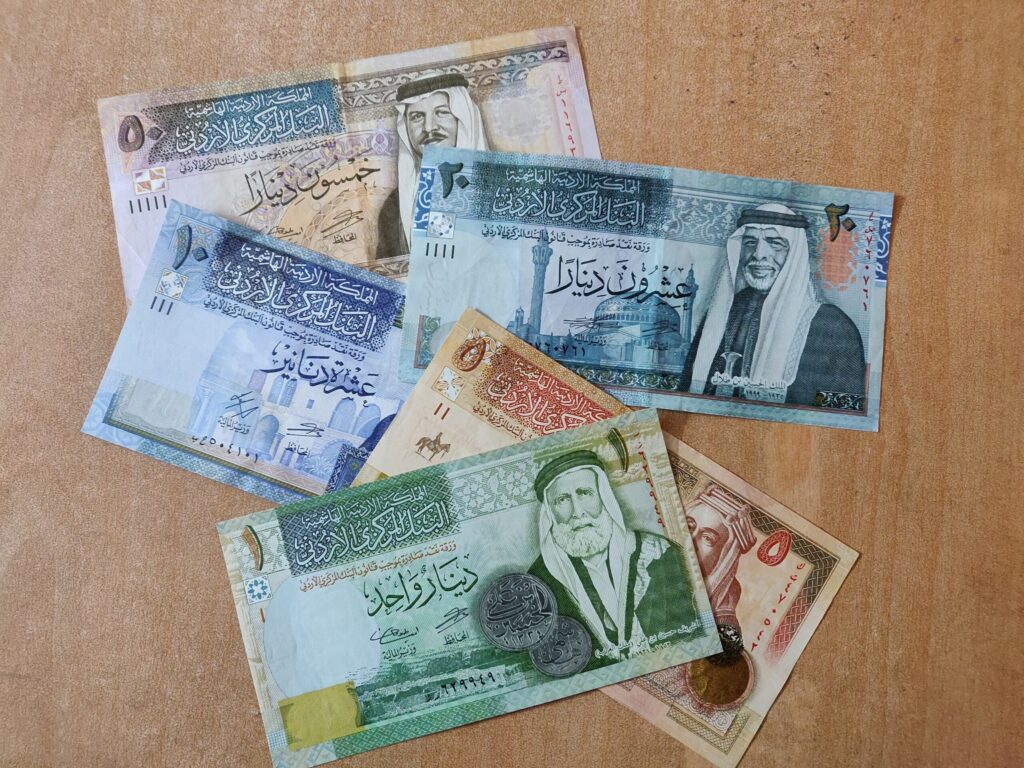
The Jordanian Dinar showcased its resilience in 2022, with a notable rise in its exchange rate against major global currencies. The annual report from the Jordanian Central Bank unveiled an increase of 6.9 percent against the Euro, 9.1 percent against the British Pound, and a significant 18.6 percent against the Japanese Yen. This positive trend reflects Jordan’s stable economic foundation and well-considered monetary policies. The Central Bank’s steadfast commitment to a fixed exchange rate policy against the US Dollar since 1995 has bolstered economic stability and instilled investor confidence in the country’s financial landscape.
Oman’s Ministry of Labour Opens Doors to Over 900 Government Job Vacancies

The Ministry of Labour’s latest announcement of 909 government job vacancies is a significant stride towards enhancing employment opportunities in Oman. These diverse positions, spanning various educational qualifications, underscore the government’s commitment to inclusivity and skills development. It’s noteworthy that this announcement is part of a well-thought-out strategy to meet the genuine staffing needs of government units, aligning with the country’s growth vision. By offering opportunities to candidates ranging from bachelor’s degree holders to those with general education diplomas, the MoL promotes a dynamic and adaptable workforce. This move is a testament to Oman’s dedication to nurturing its human capital and sustaining economic development.
Thailand’s New Prime Minister Pledges Swift Action on Economic Challenges

In his inaugural address to Parliament, Thailand’s new Prime Minister, Srettha Thavisin, has set a proactive agenda for addressing the nation’s economic woes. With the pandemic’s impact on the vital tourism industry and rising debt levels, he emphasized the urgency of these measures. Of particular note is the proposed 10,000-baht ($280) handout to stimulate short-term spending, though its long-term effectiveness remains a subject of debate. The government also outlined ambitious long-term goals, including bolstering international trade, supporting start-ups, and enhancing agricultural production, signaling a comprehensive approach to economic revitalization. Additionally, plans for political reforms, particularly involving the military’s role, were diplomatically addressed to ensure transparency and cooperation.
Malaysia’s Strategic Positioning to Attract Global Investors Amid Shifting Supply Chains
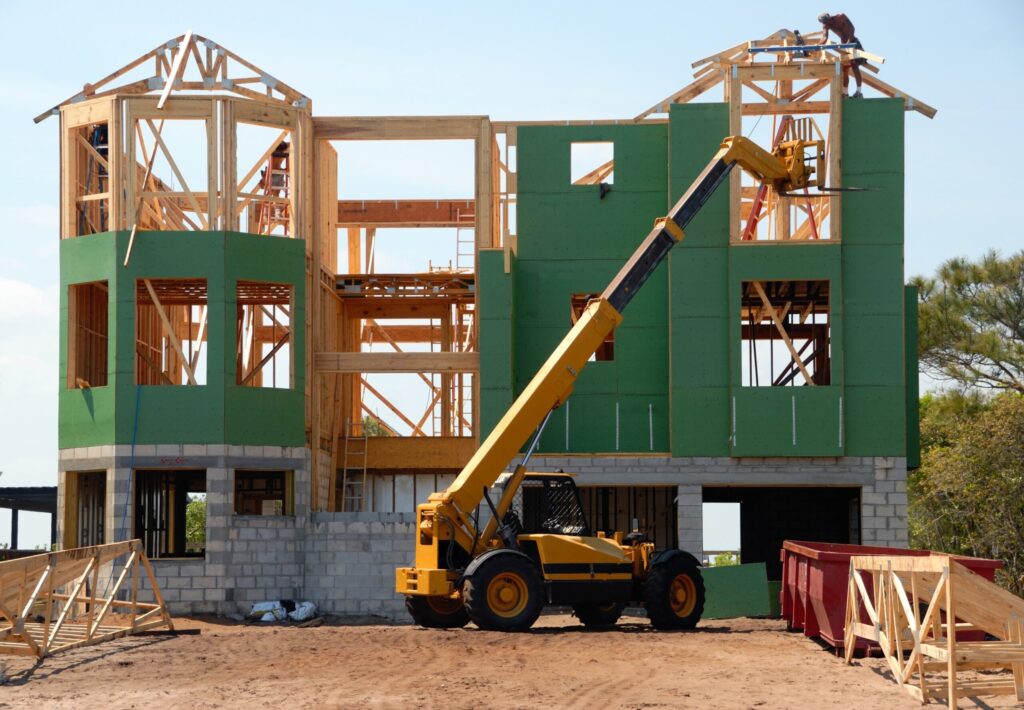
Malaysia’s proactive approach to attracting global investors in the midst of shifting supply chains reflects a keen understanding of evolving economic dynamics. With multinational companies increasingly diversifying their production hubs in Asia, Malaysia’s strategic positioning couldn’t be more timely. Minister Tengku Zafrul’s emphasis on leveraging this trend underscores the nation’s commitment to economic growth. The comprehensive Halal Industry Master Plan 2030 and the New Industrial Master Plan 2030 serve as cornerstones for nurturing talent, enhancing competitiveness, and embracing sustainability principles in the halal industry. Malaysia’s remarkable 64% growth in halal exports in 2022 showcases the industry’s resilience and its pivotal role in the nation’s economic landscape.
Oman’s Economic Growth, Financial Wealth Projected to Reach $141 Billion by 2027
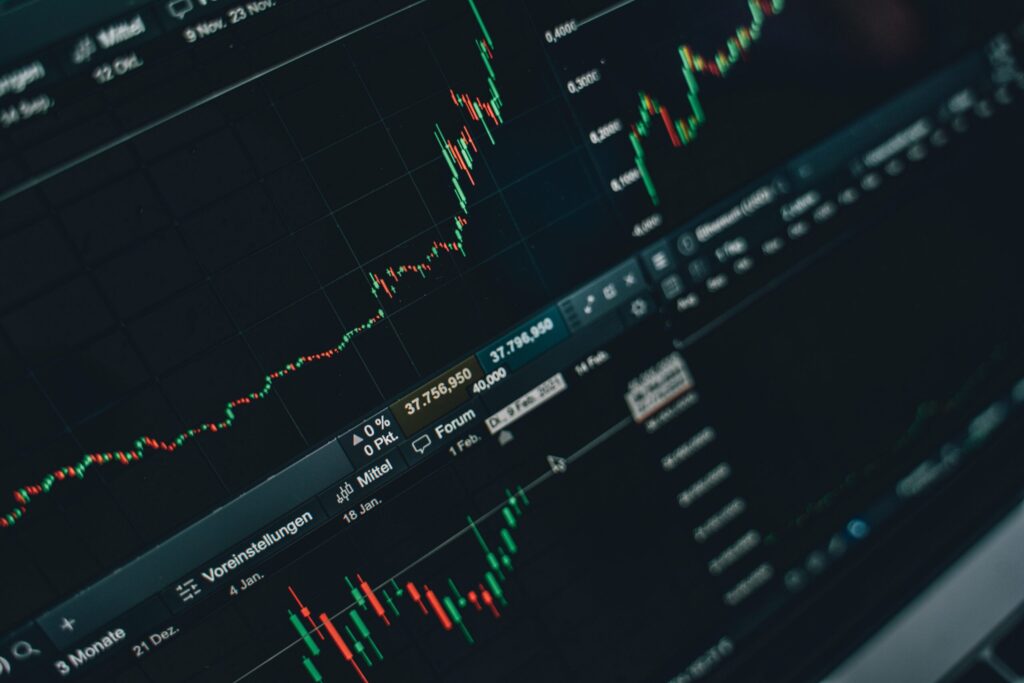
Oman’s financial wealth is poised for robust growth, with a projected CAGR of 4.7%, reaching $141 billion by 2027, according to a report by Boston Consulting Group. This growth signifies Oman’s economic resilience and strength. Ultra high-net-worth individuals play a significant role in contributing to the nation’s wealth, with their share expected to rise. Real assets in Oman, though experiencing a recent decline, are anticipated to rebound, while liabilities are set to grow, reflecting Oman’s calculated risk-taking. Wealth managers are advised to embrace technology and strategic cost management for sustainable profitability.
Philippines Navigates Pension Reform to Safeguard Investment Grade Rating

The Philippines is confronting a pressing challenge as it contemplates reforming its military and uniformed personnel (MUP) pension system to safeguard its investment grade rating. Finance Secretary Benjamin Diokno has voiced the urgency of addressing the current “unsustainable” system, warning that failure could compromise the nation’s ability to manage its debt and deficit. President Ferdinand Marcos Jr’s administration prioritises fiscal consolidation to enable crucial infrastructure investments. The country’s financial stability hinges on navigating the delicate balance between pension reform, fiscal responsibility, and maintaining its hard-earned investment-grade status.
Global Markets React to Economic Data, Igniting Fears of Rate Hikes

Global markets experienced a sudden downturn fueled by a mix of conflicting economic indicators, triggering apprehensions about potential interest rate hikes by central banks. Asian stock markets, including Hong Kong, Shanghai, Tokyo, and Sydney, faced notable declines as investors grappled with uncertainty. The Philippine Stock Exchange index (PSEi) also witnessed a dip, partly attributed to disappointing second-quarter economic growth figures. The intricacies of this situation were exacerbated by the contrasting data emerging from the United States, particularly around inflation rates. The prevailing market sentiment now hinges on forthcoming data, which could either quell or amplify concerns regarding central banks’ responses to inflation and economic stability.