

FTC’s Crackdown on False ‘Made in USA’ Labels: Upholding Transparency in Consumer Choices

In a bid to preserve consumer trust, the Federal Trade Commission (FTC) is actively tackling deceptive “Made in USA” claims, as exemplified by the recent case involving Chaucer Accessories. This legal scrutiny echoes a broader crackdown on misleading advertising, with historical cases involving Electrowarmth Products and Instant Brands. The stringent requirements for “Made in USA” labeling demand that manufacturers ensure transparency about a product’s origin, aiming to empower consumers with accurate information. Chaucer’s attempt to comply by labeling products as “Made in USA from Global Materials” faced challenges, underscoring the complexities of adhering to regulatory standards. Beyond legal ramifications, these actions highlight the broader impact of deceptive claims on both consumers and honest businesses striving for transparency in a global marketplace.
Inflation Eases in October, A Glimmer of Hope for Consumers Amidst Economic Uncertainties

In October, consumer prices in the U.S. rose by 3.2% compared to the previous year, signaling a noteworthy slowdown and offering respite for consumers. The data reflects a 0.5% decline from September, showcasing progress in the Federal Reserve’s campaign to curb inflation. While the drop in gas prices contributed to this decline, core inflation, excluding food and energy prices, only slightly decreased to 4.0% in October. The positive development comes amid robust economic growth, with the GDP expanding at a rate of 4.9% over the three months ending in September. However, challenges such as rising long-term borrowing costs and record-high credit card debt pose potential risks to sustained economic growth.
The Case for Lowering Interest Rates Amidst Inflation Concerns

In a delicate economic balancing act, the Bank of England faces a pivotal decision on interest rates. The prevailing debate centers on whether to raise the Bank Rate to 5.5% or keep it at the current 5.25%. However, this discussion may be misdirected. The critical question at hand should be whether a cut to 5% or maintaining the status quo is the more reasonable course of action. This article presents a compelling case for an interest rate cut in a bid to counterbalance the challenges posed by inflation while averting the looming risk of an economic recession.
Unlocking Business Success Through Digital Solutions in Canada

In Canada, the future of business growth hinges on various factors, including digital transformation, innovation, green economy initiatives, global trade expansion, and sustainability efforts. These elements collectively shape a conducive environment for business development. Furthermore, digital marketing solutions, such as SEO, PPC, content marketing, and social media marketing, significantly contribute to this growth by enhancing online visibility and customer engagement. These strategies are pivotal for success as businesses adapt to the evolving digital landscape.
Growing Appetite for Home-Grown Olive Oil Drives Australian Producers’ Success

In a delightful turn of events, Australian olive oil is experiencing a resurgence in popularity driven by surging international prices. Home-grown olive oil has become more competitively priced, enabling it to capture an expanding market share. Michael Southan, CEO of the Australian Olive Association, notes that consumers increasingly value the origin of extra-virgin olive oil and are happy to pay a premium for quality. Despite a minor dip in olive oil sales, this shift toward Australian-produced varieties significantly boosts the industry. The rising preference for local olive oil emphasizes the importance of quality over quantity in consumers’ choices.
Lenskart Partners with ETML to Boost Middle East Expansion

Eyewear retail giant Lenskart has joined forces with ETML, a growth advertising and analytics firm, to enhance its performance marketing efforts in the Middle East. With a focus on data and analytics, ETML aims to deliver significant value to Lenskart as the brand expands its international footprint. Aina Garg, Managing Director-Middle East at Lenskart, expressed optimism about achieving marketing goals through this partnership. Lenskart, known for its tech-driven approach, operates over 2000 physical stores, including 500 abroad, reflecting its commitment to global growth.
Global Companies Under Scrutiny for Alleged Forced Labour Connections

Amid increasing concerns about ethical business practices, Ralph Lauren’s Canada unit is facing an investigation by Canada’s corporate ethics watchdog. The inquiry stems from allegations that the fashion retailer’s supply chain in China involves or benefits from Uyghur forced labour. This move follows complaints lodged by a coalition of civil society organizations, prompting the Canadian Ombudsperson for Responsible Enterprise (CORE) to take action. The investigation mirrors similar probes into Nike Canada and Dynasty Gold, signifying a global push for greater transparency and accountability in supply chains. As the corporate world navigates these allegations, it underscores the broader challenge of upholding human rights across borders and industries.
Bank of America Agrees to Pay $250 Million in Refunds and Fines

Bank of America, one of the largest banks in the United States, has agreed to pay over $250 million in refunds and fines following revelations of unethical consumer practices. The Consumer Financial Protection Bureau (CFPB) found that the bank systematically overcharged customers, withheld promised bonuses, and opened accounts without customer approval. These actions not only violated banking regulations but also eroded customer trust. The settlement serves as a reminder of the importance of transparency and accountability in the banking industry. As customers, it is crucial to remain vigilant and informed about banking transactions while advocating for stronger consumer protections.
China’s trade suffers worst slump in 2-1/2 yrs as COVID woes, feeble demand take toll
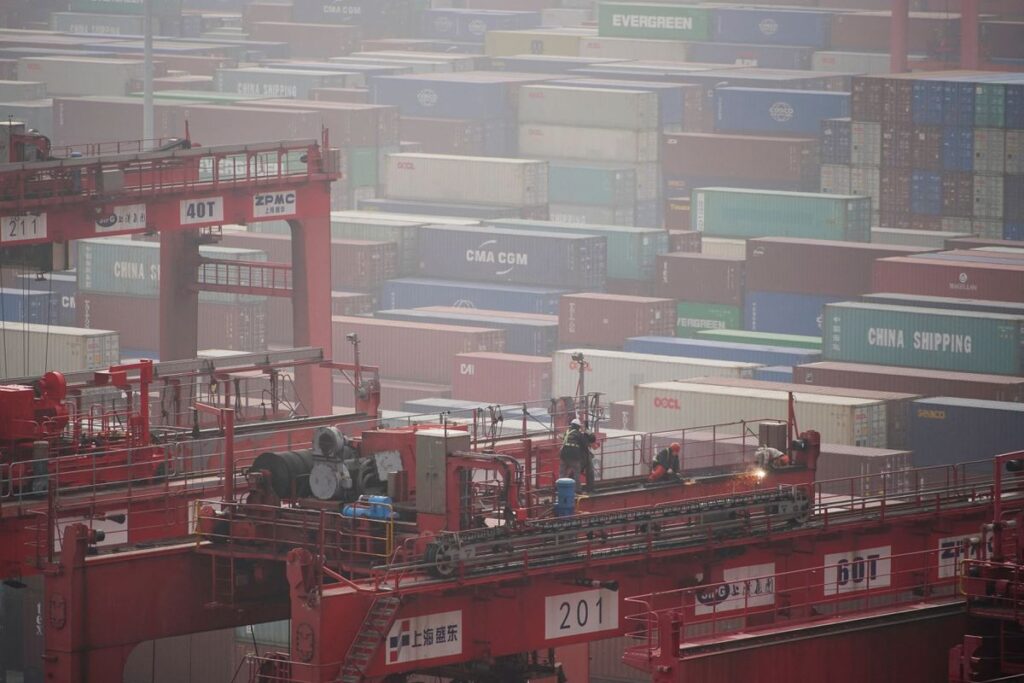
China’s exports and imports shrank at their steepest pace in at least 2-1/2 years in November, as feeble global and domestic demand, COVID-led production disruptions and a property slump at home piled pressure on the world’s second-biggest economy.
Analysis: Russian gas supply gap casts chill in Europe as winter nears
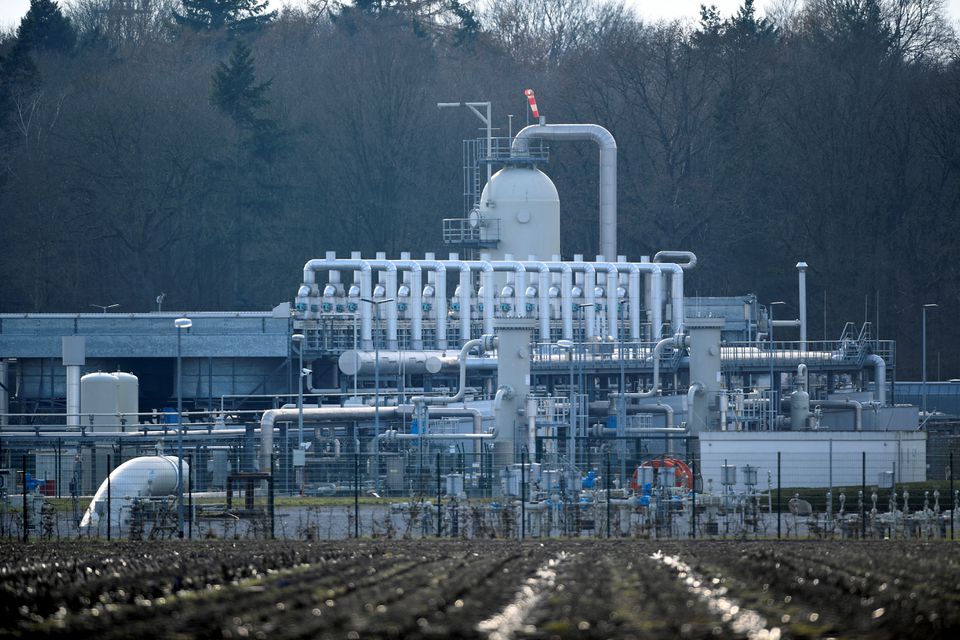
Europe needs to pay up to import liquefied natural gas, pray for a mild winter and cut energy demand as any sabotage of infrastructure or even deeper cuts to Russian supply would make power rationing or blackouts all but inevitable.