

PwC Predicts a Turning Point for the UK

In a nuanced economic landscape, PwC’s 2024 forecast offers a beacon of hope for the UK, anticipating an upturn from the challenges of the post-pandemic era. Despite a dip in M&A activity in 2023, the projection outlines a positive shift with improvements in household finances, real incomes, and regional growth. The corporate sector, however, faces a potential rise in insolvencies, particularly affecting smaller businesses. Global defense orders surge amidst geopolitical tensions, adding a layer of complexity to economic predictions. Market dynamics, including a strengthened pound and energy price fluctuations, further contribute to the intricate economic tapestry awaiting the UK in the upcoming year.
The Bank of England’s Vigilant Monitoring of Interest Rates Maintains Stability in the Face of Economic Uncertainty

The Bank of England’s upcoming interest rate decision underscores the fine balance it must strike in managing inflation and supporting the economy in the post-pandemic era. Recent comments from officials suggest confidence in the impact of previous rate hikes on tempering inflation, but the economic landscape remains uncertain. With rising inflation and fluctuating economic data, the MPC faces the challenge of making a well-informed decision. While a majority is expected to favor unchanged rates, some more hawkish members will likely push for a slight rate hike. The decision aligns with global central banks’ efforts to combat inflation while nurturing economic growth.
Jordan’s Economic Resilience in the Face of Global Challenges

Jordan’s recent governmental forum on the shores of the Dead Sea highlighted the nation’s financial resilience in a turbulent global economy. Minister of Planning and International Cooperation Zina Touqan emphasized the importance of global economic trends in shaping Jordan’s fiscal strategies. The forum underlined the urgent need to fund the Jordanian response plan to the Syrian refugee crisis, with only 9 percent of requirements being met so far.
Bank of England Faces Dilemma as Inflation Unexpectedly Falls in August

The unexpected drop in UK inflation for August has thrown the Bank of England’s upcoming interest rate decision into uncertainty. Official data revealed a slight decrease in the consumer price index (CPI), from 6.8 percent in July to 6.7 percent, contrary to economists’ predictions of a seven percent figure. This surprising decline is attributed to lower food prices and reduced costs for overnight accommodation, somewhat offsetting the rising energy expenses. Core inflation, which excludes volatile components, experienced a more significant drop, falling to 6.2 percent in August. As the Bank of England faces this dilemma, observers are keen to see how they will balance economic recovery with inflation management.
The Delicate Balancing Act of Interest Rates, Bank of England’s Dilemma Amidst Persistent Inflation

Navigating the complexities of persistent inflation, the Bank of England faces a crucial dilemma. While some economists argue for sustained higher interest rates to combat firmly-rooted inflationary pressures, others predict this may lead to a mild recession. The Bank’s cautious approach, likened to the steady ascent of Table Mountain, aims to strike a balance between inflation control and economic stability. Recent economic resilience, with a 0.5% growth in July, muddles the picture, suggesting that a premature rate reduction might not be warranted. As the Bank monitors these variables, the path forward remains nuanced and pivotal for the UK’s economic trajectory.
Philippine Economy Leads Amidst Southeast Asian Growth Challenges

The Philippines is a shining example of resilience amidst challenging regional economic conditions. The ADB’s positive growth forecast for the country reflects the unwavering strength of its consumer spending and the potential for significant contributions from the tourism and BPO sectors. However, as Southeast Asia navigates the headwinds of weakening global demand and inflationary pressures, continued vigilance and innovative strategies will be crucial to sustaining growth and promoting economic prosperity in the region.
India’s retail inflation breaches RBI’s tolerance level first time since October

India’s annual retail inflation in January rose above the central bank’s upper threshold for the first time in three months, on higher food prices, vindicating last week’s hawkish monetary policy stance
Bank of Japan makes surprise policy tweak

The Bank of Japan has slightly loosened the shackles on its 10-year yield target and said it will review the operation of its yield-curve control policy, surprising financial markets and sending the yen sharply higher.
ECB to slow rate hikes and lay out plans to drain cash
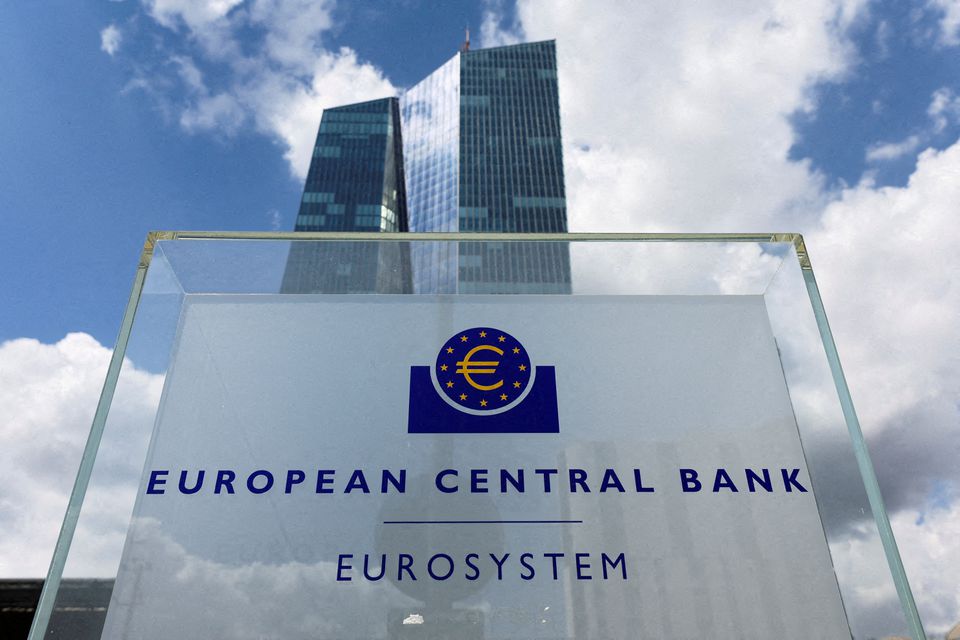
The European Central Bank is set to raise interest rates for the fourth time in a row on Thursday, although by less than at its last two meetings, and lay out plans to drain cash from the financial system as it fights runaway inflation.
China’s trade suffers worst slump in 2-1/2 yrs as COVID woes, feeble demand take toll
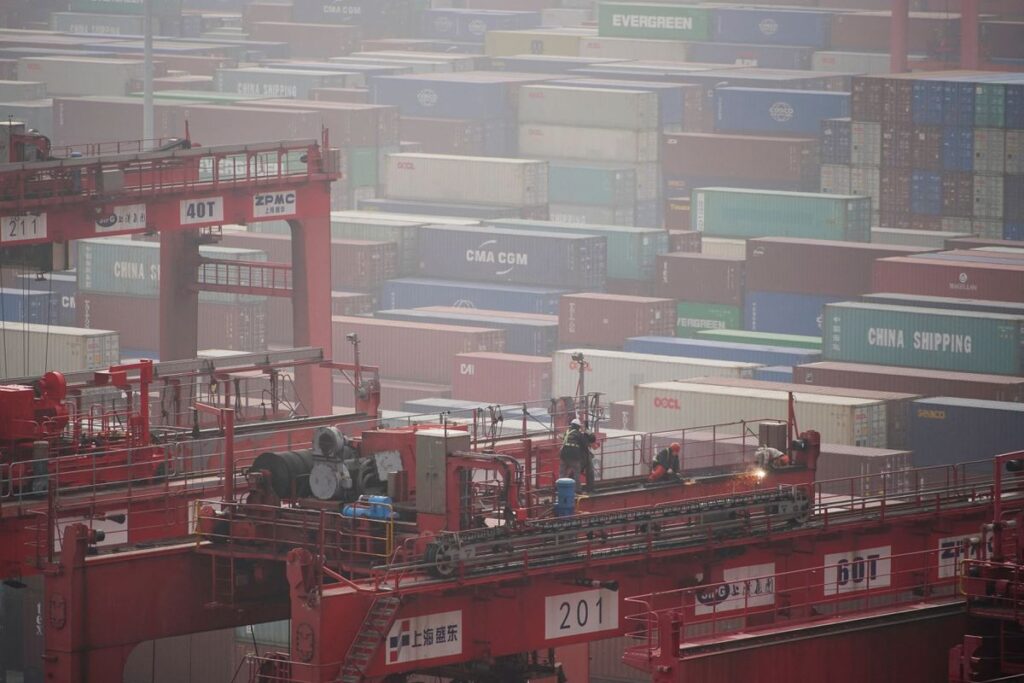
China’s exports and imports shrank at their steepest pace in at least 2-1/2 years in November, as feeble global and domestic demand, COVID-led production disruptions and a property slump at home piled pressure on the world’s second-biggest economy.