

Jordan’s Economy Faces Setback, Prime Minister Highlights Impact of Gaza Conflict

Jordan’s Prime Minister, Bisher al Khasawneh, voiced concerns over the Gaza conflict’s impact on the nation’s once-promising economy. The disruption in Red Sea shipping due to Houthi attacks, coupled with a significant dip in tourism post the Oct. 7 Hamas attack, has thwarted Jordan’s economic growth trajectory. Shipping costs for cargo arriving at Aqaba’s Red Sea port have surged, sparking worries about potential inflation. Despite the challenges, Jordan remains focused on its economic modernization plan, seeking to enhance competitiveness. The recent IMF approval of a $1.2 billion loan program reflects international confidence in Jordan’s economic policies, providing a ray of hope for recovery.
Oman’s Banking Sector Flourishes, Lending Surges and Deposits Skyrocket in 2023

In a testament to Oman’s economic vigor, the banking sector has displayed remarkable resilience and growth in lending and deposits throughout 2023. According to the Central Bank of Oman, total lending surged by 5.2%, hitting RO30.4 billion, with private sector credit witnessing a substantial 6.2% year-on-year increase. Simultaneously, deposits soared by an impressive 10.1%, reaching RO28.2 billion, with conventional banks contributing significantly. The robust performance extends to Islamic banking, with total assets climbing to RO7.1 billion, signaling its growing prominence. Oman’s banking sector’s strategic outlook appears promising, reflecting economic stability and adaptability.
Oman’s Fiscal Turnaround, A Deep Dive into the 2023 Debt Reduction and 2024 Budgetary Plans

In a noteworthy fiscal turnaround, Oman’s public debt has seen a substantial reduction, dropping to 35% of the GDP in 2023 from nearly 70% in 2020. This commendable shift is attributed to the sultanate’s fiscal reforms and a boost from higher-than-expected oil prices. The 2023 debt-to-GDP ratio of 35% reflects Oman’s commitment to responsible financial management, marking a significant improvement from previous years. The unexpected surplus of approximately RO931 million in the 2023 budget underscores the success of proactive measures and prudent fiscal policies. Looking ahead, Oman’s 2024 budget prioritizes stability, debt reduction, and strategic deficit financing to strengthen the nation’s economic resilience further.
Sohar Port and Freezone, A Pillar of Economic Growth Surpassing $27 Billion in Investments

Sohar Port and Freezone exceptional growth, surpassing $27 billion in investments over two decades, cements its position as a vital force in Oman’s economic development. With an annual contribution of 2.1% to Oman’s GDP, the industrial complex has become a linchpin in the nation’s trade dynamics, representing 45% of the total trade exchange. The port’s recent achievements, including a 13% increase in liquid bulk volume and a rise in ship calls, underscore its operational prowess and efficiency. The formation of the SOHAR Net-Zero Alliance further positions Sohar Port and Freezone as pioneers in driving sustainability and carbon neutrality in Oman. As new investments flow in and agreements are signed, the port continues to play a pivotal role in shaping Oman’s economic future.
Navigating the India-Canada Visa Row- A Path to Peaceful Resolution

The ongoing diplomatic tensions between India and Canada, triggered by serious allegations, have posed significant challenges for both nations. The partial resumption of visa services by India is a glimmer of hope amidst the turmoil, indicating a possible path toward reconciliation. Travel restrictions and visa suspensions have disrupted the lives of citizens on both sides, affecting not only tourists and business travelers but also students and professionals. The economic implications of this dispute could be far-reaching, potentially impacting trade and cooperation. Balancing security concerns with the need for diplomatic solutions is essential, and the free movement of people remains crucial for fostering economic growth and fostering strong bilateral relations.
Global Tensions and Rising Oil Prices Dent Indian Markets
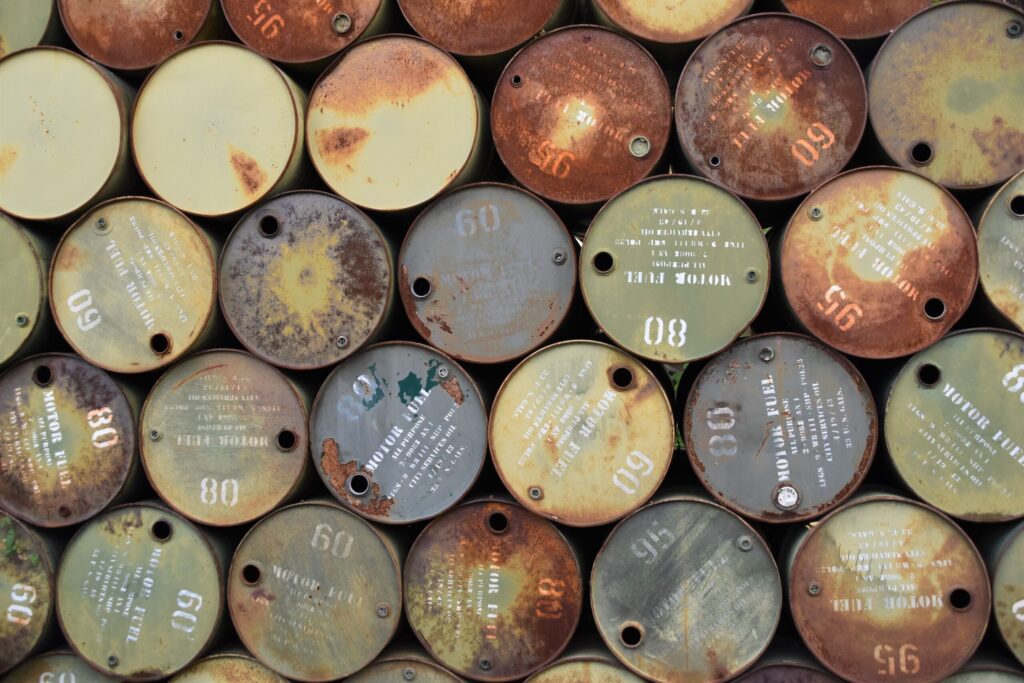
The Indian stock market faced a challenging start to the week, with global volatility and heightened oil prices stemming from escalating Middle East tensions taking a toll. Market indices, particularly the Nifty 50 and Sensex, experienced early declines, largely influenced by losses in financial services and banking sectors. Despite this, small- and mid-cap stocks held their ground, indicating domestic investors’ resilience. Concerns were raised about the potential ripple effects on India’s economy and markets if the Middle East conflict leads to a significant oil price surge. Individual stocks, like Avenue Supermarts and Delta Corp, were also impacted, while HDFC Bank’s eagerly awaited quarterly results added to the market’s uncertainty.
Renowned infrastructure investor joins metrofibre

Renowned infrastructure fund manager DIF Capital Partners has acquired a majority stake in metrofibre. The investment of the renowned financial investor in the fibre optic project developer metrofibre is a clear commitment and the starting signal for the roll-out of the successful ruhrfibre model to other cities. Intensive talks with other cities are already underway.
Middle East Tensions Roil Global Markets as Oil Prices Surge

The sudden escalation of conflict in the Middle East sent shockwaves across global markets. Oil prices surged by almost $5 a barrel as concerns grew over potential disruptions to crucial oil supplies due to the involvement of neighbouring Middle Eastern countries. The New York Stock Exchange saw initial declines, with defence companies like Lockheed Martin experiencing gains, while travel and leisure sectors faced setbacks due to service suspensions. Israel’s stock market remained volatile, prompting intervention by its Central Bank to stabilize the shekel. The unfolding situation in the Middle East continues to unsettle global markets, raising concerns about inflation and economic growth.
Kuwait Takes a Pioneering Leap Towards Power and Water Privatization
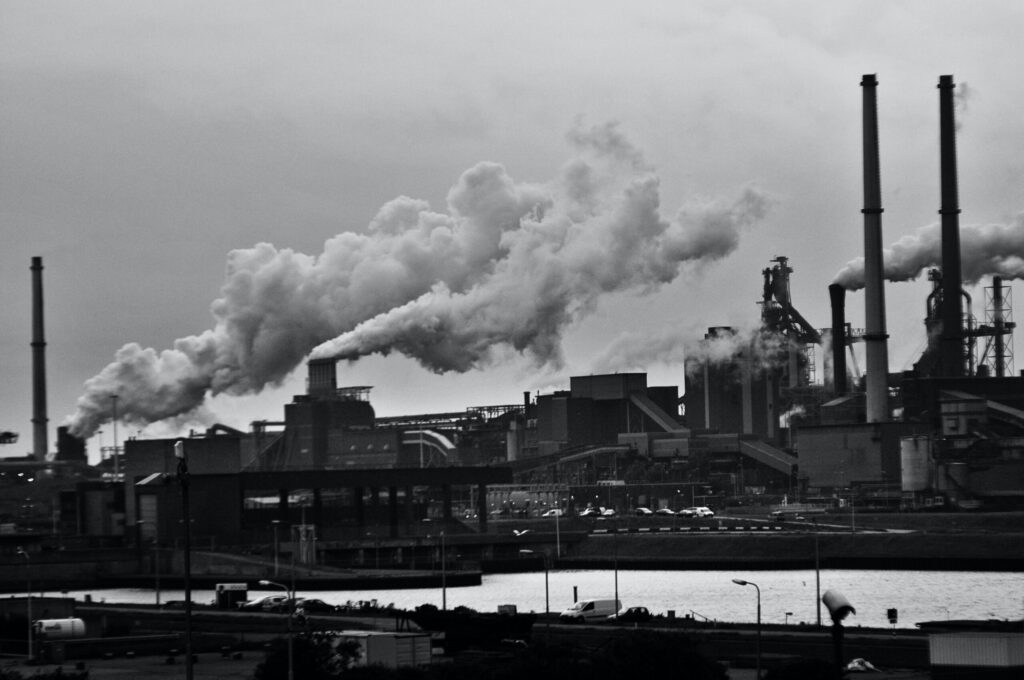
Kuwait’s announcement of plans to privatize its power and water assets signifies a pivotal moment in the nation’s quest for improved service delivery and economic efficiency. Backed by a comprehensive feasibility study, this transformational initiative is poised to drastically reduce the government’s annual expenditure on these essential services, which currently exceeds $19 billion in subsidies. By opening the doors to privatization, Kuwait aims to introduce competition, innovation, and private sector investment into its energy sector, thereby enhancing service quality and operational efficiency. While challenges lie ahead, including regulatory complexities and ensuring affordability for the general population, this move reflects Kuwait’s commitment to modernizing its infrastructure and embracing global standards.
Brazil-Arab Trade Continues to Flourish, Bilateral Commerce Hits $10.61 Billion in 2023
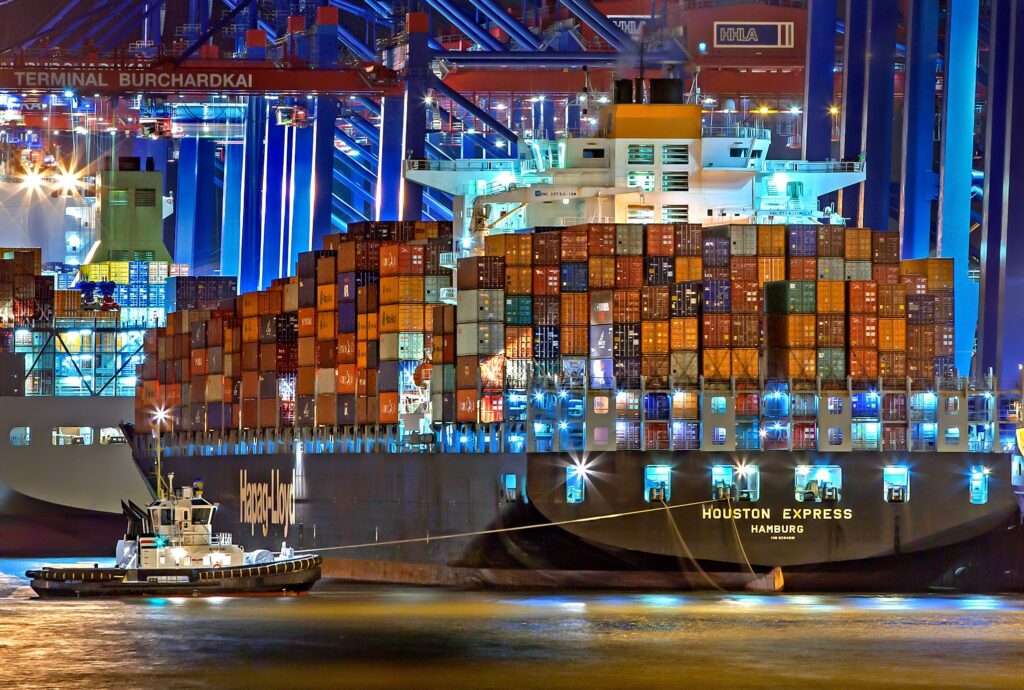
Brazil’s robust trade relationship with the Arab world is flourishing, as evident from an eight percent surge in Brazilian exports to Arab nations during the first seven months of 2023. The Arab Brazilian Chamber of Commerce (ABCC) reported that this growth has led to a total trade value of $10.61 billion, showcasing the strong economic ties between the two regions. Key trade partners, such as Saudi Arabia and the UAE, have significantly contributed to this growth, with exports reaching $1.873 billion and $1.646 billion, respectively. The ABCC’s role in fostering this collaboration and promoting bilateral economic cooperation has driven this growth.