

Bank of England Faces Dilemma as Inflation Unexpectedly Falls in August

The unexpected drop in UK inflation for August has thrown the Bank of England’s upcoming interest rate decision into uncertainty. Official data revealed a slight decrease in the consumer price index (CPI), from 6.8 percent in July to 6.7 percent, contrary to economists’ predictions of a seven percent figure. This surprising decline is attributed to lower food prices and reduced costs for overnight accommodation, somewhat offsetting the rising energy expenses. Core inflation, which excludes volatile components, experienced a more significant drop, falling to 6.2 percent in August. As the Bank of England faces this dilemma, observers are keen to see how they will balance economic recovery with inflation management.
Vistry Group’s Strategic Move, Merging Affordable Housing and House Building Divisions

Vistry Group’s strategic decision to merge its affordable-housing business with its Housebuilding operations marks a pivotal moment in the UK’s housing industry. With interest rate hikes affecting profit margins and affordability concerns plaguing the market, Vistry proactively addresses these challenges while maintaining its annual profit forecast. CEO Greg Fitzgerald emphasized the critical need for affordable mixed-tenure housing in the country, positioning Vistry as a leader in partnership housing. This consolidation aims to enhance operational efficiency and streamline affordable housing development, benefiting the company and the growing demand for affordable homes in the UK. Vistry’s adaptability and commitment to addressing housing needs highlight its resilience in a challenging market environment.
Bank of England Governor Suggests Peak in Interest Rates Nearing Amid Stubborn Inflation

In Governor Andrew Bailey’s recent statement, we see the Bank of England navigating a challenging economic terrain, striving to combat surging inflation while maintaining economic stability. Bailey’s acknowledgement that the peak in interest rates is drawing near reflects the central bank’s cautious approach to rate hikes. The UK’s persistent inflation pressures have necessitated 14 consecutive rate increases, with another one expected soon. The delicate dance between taming inflation and sustaining robust wage growth remains a central concern for policymakers. Swati Dhingra’s dissenting viewpoint underscores the complexities of the policy decisions ahead as the BoE seeks to strike the right balance.
The Delicate Balancing Act of Interest Rates, Bank of England’s Dilemma Amidst Persistent Inflation

Navigating the complexities of persistent inflation, the Bank of England faces a crucial dilemma. While some economists argue for sustained higher interest rates to combat firmly-rooted inflationary pressures, others predict this may lead to a mild recession. The Bank’s cautious approach, likened to the steady ascent of Table Mountain, aims to strike a balance between inflation control and economic stability. Recent economic resilience, with a 0.5% growth in July, muddles the picture, suggesting that a premature rate reduction might not be warranted. As the Bank monitors these variables, the path forward remains nuanced and pivotal for the UK’s economic trajectory.
Rethinking the Role of Wage Growth in the UK’s Economic Recovery

Given the evolving economic landscape, the Bank of England’s current emphasis on restraining wage growth warrants reconsideration. As inflation and the cost of living crisis loom, the approach to curtailing wage increases may need adjustment. Rising import prices, driven by global factors, initially contributed to inflation but have since reversed course. This shift should prompt a broader economic strategy that accounts for various dynamics, including demand, inflation, and policy implications. The Bank of England’s approach must adapt to navigate the intricate factors in the UK’s economic recovery.
Bank of England Empowers Stablecoin Supervision in Financial Paradigm Shift

The Bank of England is taking a prominent role in reshaping the landscape of stablecoin regulations, marking a significant shift in the financial regulatory landscape. The British government’s response to a comprehensive consultation process underscores this recalibration, favoring the BoE over the Financial Conduct Authority (FCA). The approach centers around a collaborative supervisory framework involving both entities for “systemically important stablecoins.” This move reflects the evolving dynamics of digital finance and emphasizes the BoE’s commitment to ensuring financial stability in an increasingly complex environment. The BoE’s influence in driving these changes signals a pivotal step toward shaping the future of stablecoin regulations.
Bank of England Set to Tackle Inflationary Pressures with Potential Interest Rate Hike

The Bank of England’s potential interest rate hike reflects its commitment to tackling inflationary challenges and ensuring economic stability. As global central banks grapple with rising inflation, striking the right balance between curbing consumer spending and supporting sustainable growth remains a top priority. The UK’s economic resilience, as forecasted by the IMF, presents a glimmer of hope amid uncertainties. The BoE’s measured approach in implementing interest rate adjustments will be instrumental in steering the economy towards a path of long-term prosperity and financial well-being.
UK Banks Show Resilience Amid Rising Interest Rates, Offering Support to Struggling Households

The Bank of England’s recent assessment provides reassurance that major UK banks are well-positioned to support struggling households amid rising interest rates. With a focus on managing potential risks and offering financial options to borrowers, the banking sector aims to mitigate the impact of increasing debt burdens. As individuals navigate the changing landscape, proactive financial management and open communication with lenders will play a significant role in achieving stability and mitigating potential hardships.
European stocks hit six-week high, investors focus on Fed
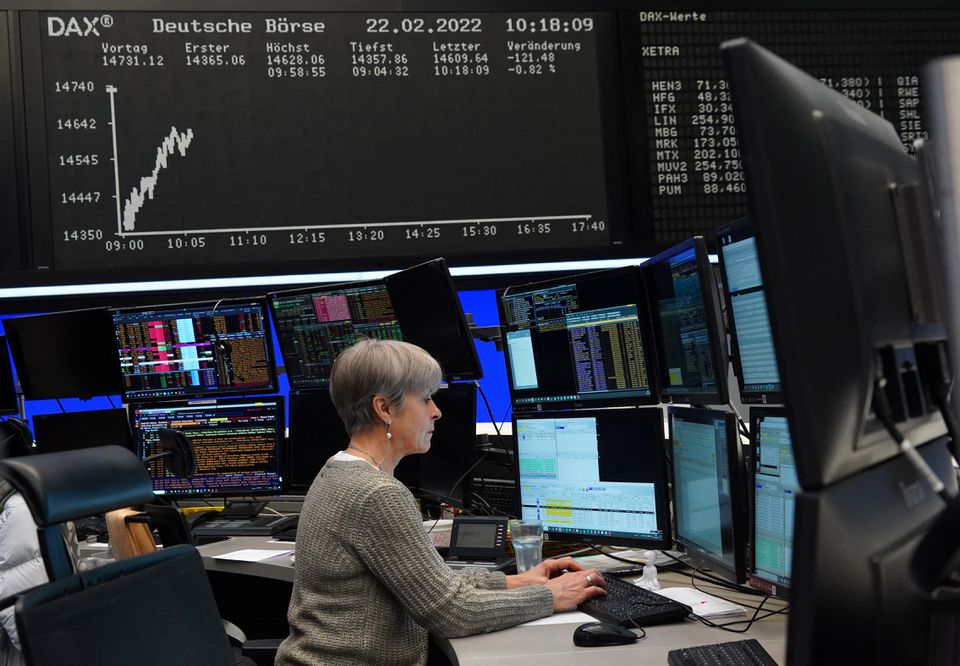
European stocks rose in early trading on Tuesday, supported by speculation among investors that central banks could come to the end of their rate-hiking cycles.
NatWest shares plunge after warning on rising costs
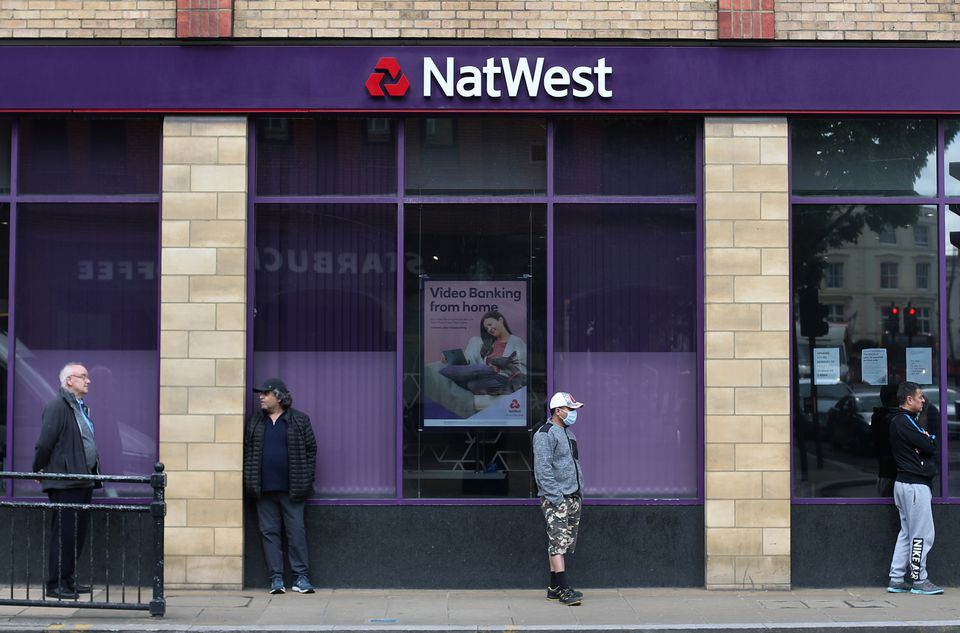
NatWest’s shares fell as much as 9% on Friday after the British bank warned of rising costs, and as its third-quarter results were hit by a deteriorating UK economic outlook that prompted an increase in bad debt provisions.