Morocco’s Ambitious Recovery Plan: Rebuilding After the Earthquake

Morocco’s commitment to invest $11.7 billion in earthquake recovery and development over the next five years is a testament to its determination to rebuild after the devastating earthquake that struck in early September. The earthquake, the strongest in Morocco in 120 years, exposed vulnerabilities in several regions, leaving thousands without shelter and underscoring inequalities. This ambitious recovery plan, supported by both government funding and international aid, aims to not only reconstruct infrastructure but also reduce social disparities and enhance access to basic services in affected areas. The annual cost of this plan, around $2.3 billion, is a relatively small fraction of the country’s GDP, signaling Morocco’s dedication to economic growth and development. As the nation embarks on this journey to rebuild, global solidarity and support will be instrumental in achieving a more resilient and prosperous future for the affected communities.
Oman-Etihad Rail Project Advances with Call for Bids

Oman-Etihad Rail Company, a joint venture between Oman Rail and UAE’s Etihad Rail, has significantly developed the Oman-UAE Rail Network. The company has invited pre-qualification bids for constructing passenger stations, freight facilities, and depots, marking progress towards the ambitious rail project connecting Sohar Port with the UAE National Rail Network. This move highlights the commitment to engaging specialized contractors with the necessary expertise for the successful execution of this crucial infrastructure endeavor. The project’s impact on economic growth, trade, and connectivity across the region cannot be understated.
UK Businesses Seek Clarity Amidst Net Zero Challenge

Amidst the UK’s ambitious net zero carbon emissions target by 2050, a recent survey has shed light on the struggle small businesses face to comprehend and embrace the necessary changes. With just 8% of surveyed companies claiming a comprehensive understanding of the net zero implications, the British Chambers of Commerce (BCC) has urged the government for consistent guidance and an end to the “fog of conflicting information.” While more giant corporations are progressively disclosing their climate adaptation strategies, smaller entities are grappling with barriers such as EV charging infrastructure and renewable energy adoption. As the nation strives to achieve its net zero goal, collaboration and clarity are essential to empower businesses of all sizes.
BPI’s Vybe E-Wallet Emerges as a Game-Changer in the Philippine Banking Landscape

BPI, the Bank of the Philippine Islands, aims for exponential growth with the launch of Vybe, its innovative mobile wallet. The Ayala Group-owned bank plans to attract over 50 million customers by 2028, leveraging Vybe’s convenient payments and rewards system. As the banking sector thrives amidst rising interest rates, BPI reports a record-breaking net income of P39.6 billion in 2022. With the official release scheduled for October, Vybe will compete with other e-wallets like GCash, further enriching the digital banking landscape in the Philippines. BPI’s strategic approach to digital expansion positions them as a leader in the country’s financial sector.
Coca-Cola Europacific Partners Sets Sights on Becoming the World’s Largest Bottler

The proposed acquisition of Coca-Cola’s Philippines business marks a significant milestone for CCEP and AEV. The joint venture represents a powerful alliance that unlocks growth opportunities, enhances customer experiences, and solidifies their positions in the global beverage market. As the deal progresses, the industry awaits the unfolding of this transformational move that could redefine the landscape of Coca-Cola bottlers worldwide.
OCBC Bank Launches New Net-Zero Aligned Loan for Corporates
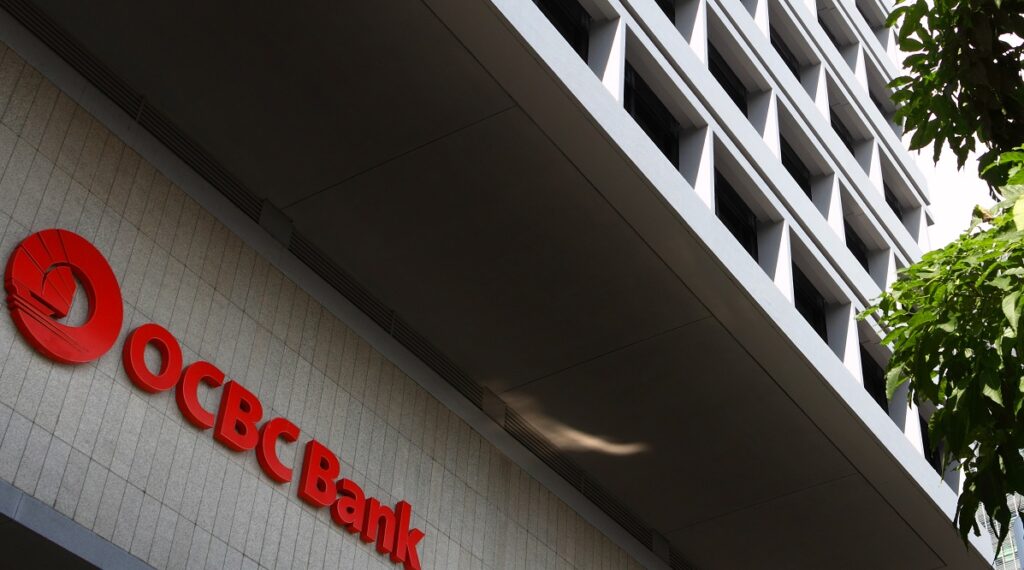
To encourage the corporate sector to reach net zero targets well in time, the Singapore-based Oversea-Chinese Banking Corporation (OCBC) has launched a new net-zero-aligned loan for corporates.