Analysis: High energy prices could sink U.S. stocks during earnings season
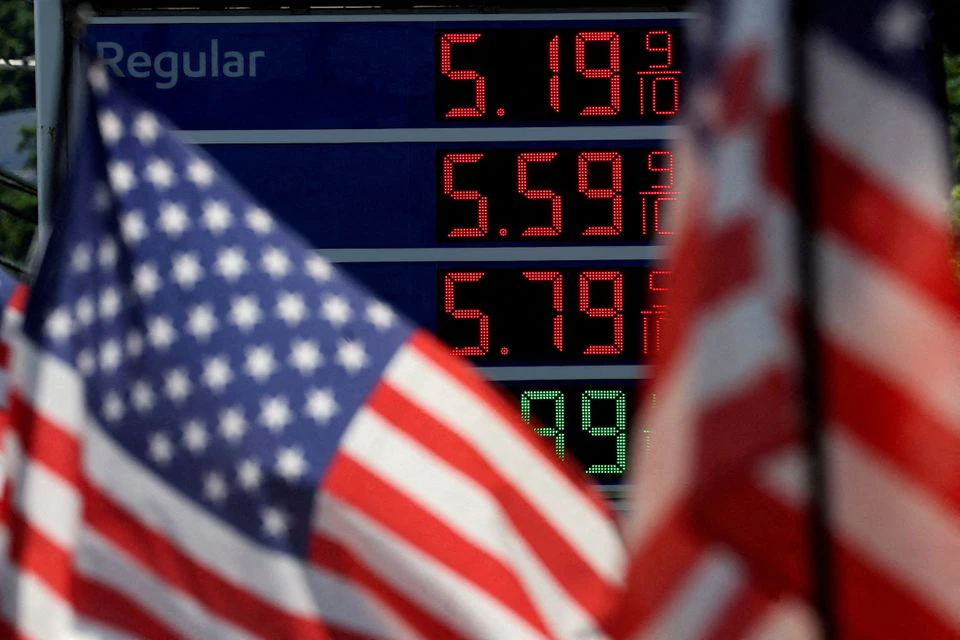
Sky-high oil prices pose yet another obstacle to U.S. corporate earnings, and some on Wall Street are worried this could sink stock prices even deeper into the red.
Sky-high oil prices pose yet another obstacle to U.S. corporate earnings, and some on Wall Street are worried this could sink stock prices even deeper into the red.
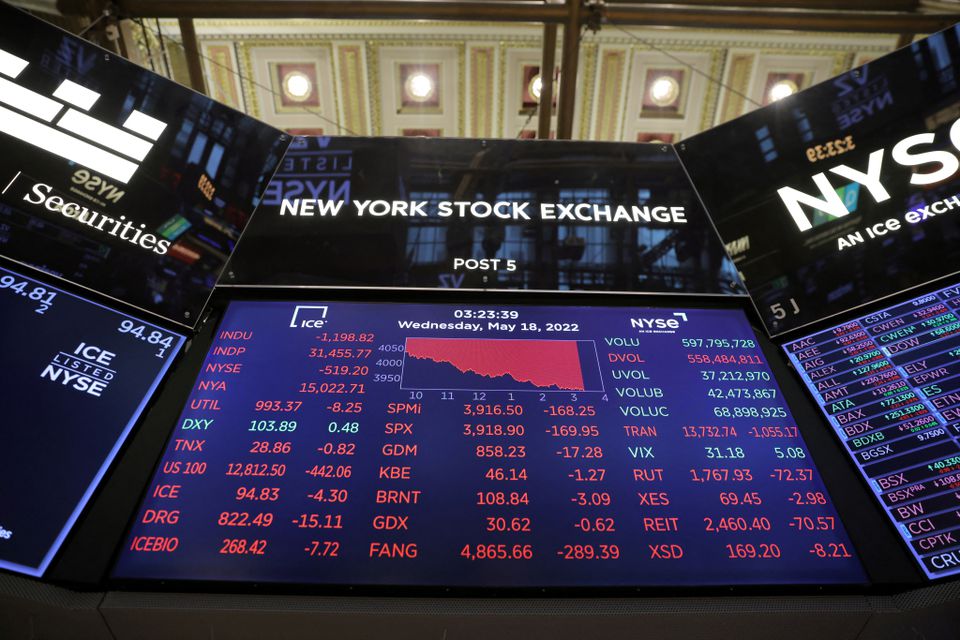
Investors in the volatile U.S. stock market are preparing for what may be one of the heaviest trading days of the year on Friday, as FTSE Russell completes the rebalancing of indexes that are tracked by trillions of dollars in investor funds.
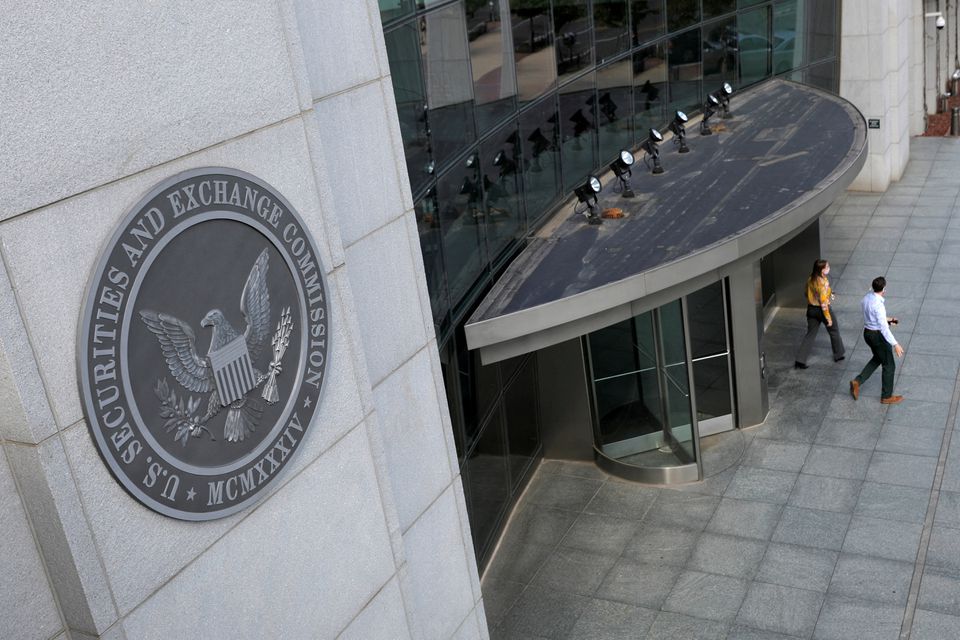
Business associations for top U.S.-listed companies have pushed back against a landmark proposal by the Securities and Exchange Commission (SEC) to make corporate America disclose a range of greenhouse gas emission figures.
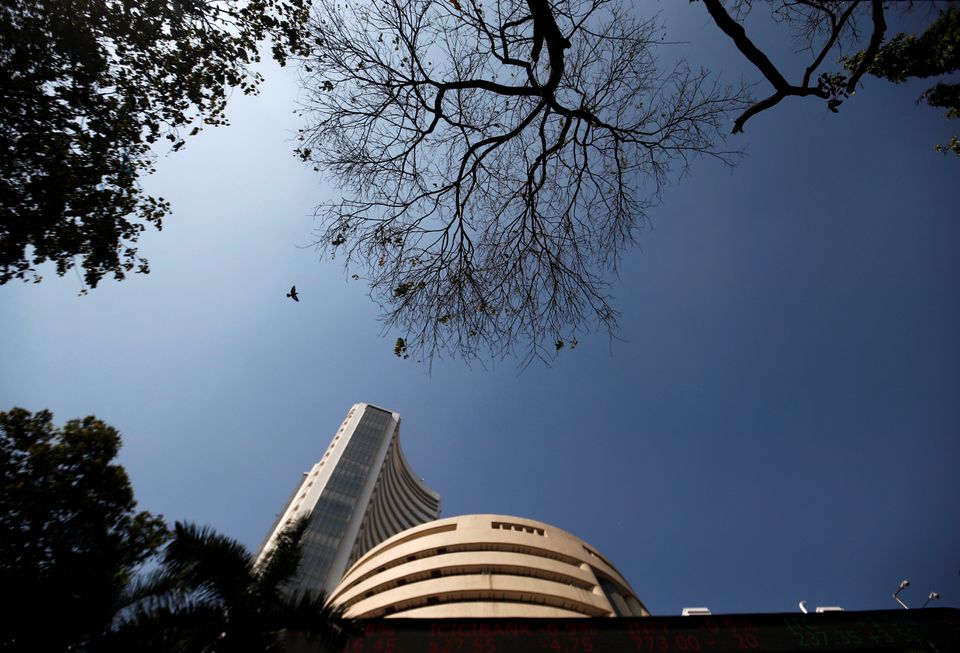
Sequoia Capital-backed Indian skincare startup Mamaearth is in talks to raise at least $300 million in a planned IPO next year and is seeking a valuation of around $3 billion, three people with direct knowledge of the company’s plans told Reuters
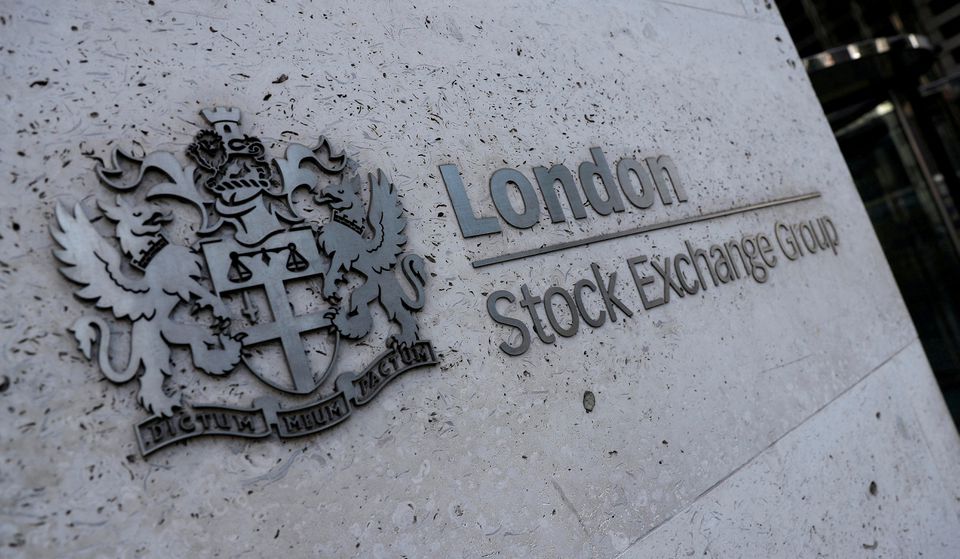
European shares opened higher on Tuesday, recovering slightly from last week’s 17-month lows as the selloff paused, but major central banks’ rate hike plans and global recession risks kept investors cautious.
Stock markets chalked up modest gains on Monday after last week’s hefty losses as investors braced for a host of U.S. Federal Reserve speakers this week, where they could underline a commitment to fight inflation whatever rate pain required.
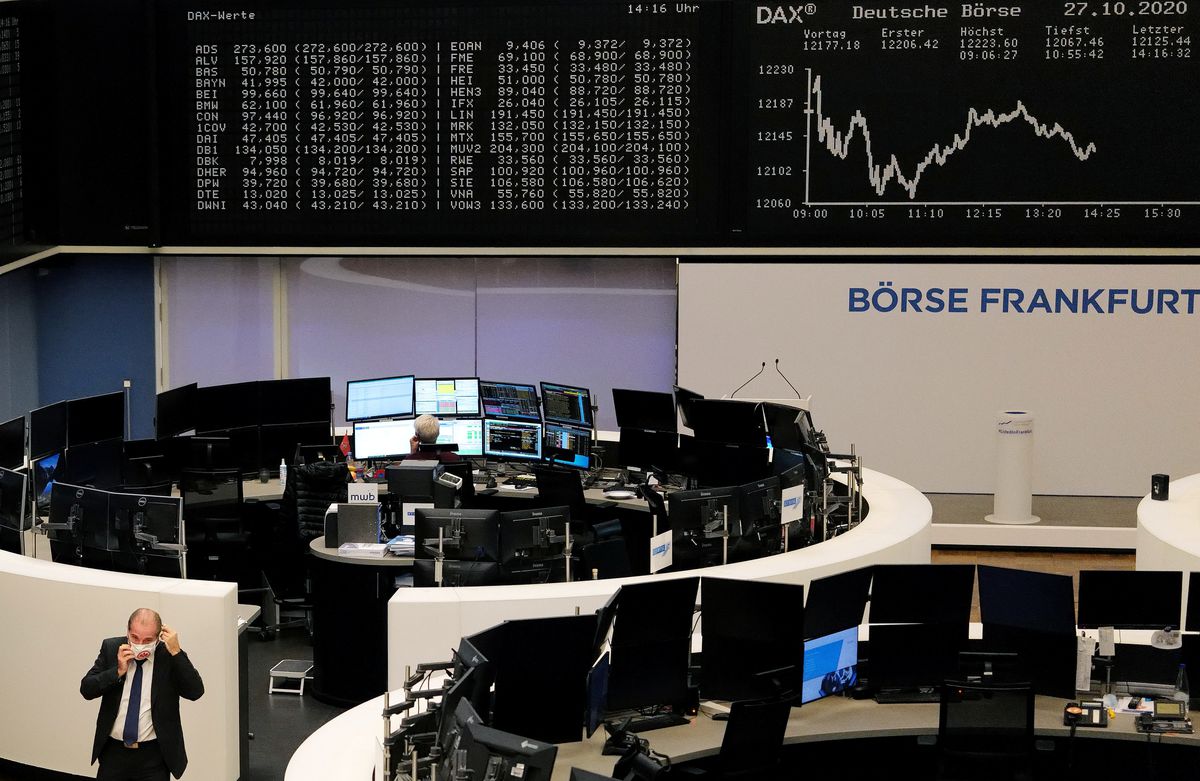
On top of surging inflation, rising interest rates and growing global recession risks, markets in Europe are waking up on Monday to the prospect of heightened uncertainty in France — the euro area’s second biggest economy.

A plunge in shares in Italian banks, sparked by rising government bond yields, has reawakened memories of the 2011-12 debt crisis and rekindled concerns over lenders’ vulnerability to sovereign risks.
A series of surprise actions by some of the world’s largest central banks fretting about runaway inflation has left bond investors battered. Now, a growing chorus of investors is calling on policymakers to move fast to end the uncertainty.
Large U.S. banks are optimistic they will receive a clean bill of health from the Federal Reserve this week, freeing them up to distribute billions of dollars in excess capital to investors.
Sky-high oil prices pose yet another obstacle to U.S. corporate earnings, and some on Wall Street are worried this could sink stock prices even deeper into the red.
Investors in the volatile U.S. stock market are preparing for what may be one of the heaviest trading days of the year on Friday, as FTSE Russell completes the rebalancing of indexes that are tracked by trillions of dollars in investor funds.
Business associations for top U.S.-listed companies have pushed back against a landmark proposal by the Securities and Exchange Commission (SEC) to make corporate America disclose a range of greenhouse gas emission figures.
Sequoia Capital-backed Indian skincare startup Mamaearth is in talks to raise at least $300 million in a planned IPO next year and is seeking a valuation of around $3 billion, three people with direct knowledge of the company’s plans told Reuters
European shares opened higher on Tuesday, recovering slightly from last week’s 17-month lows as the selloff paused, but major central banks’ rate hike plans and global recession risks kept investors cautious.
Stock markets chalked up modest gains on Monday after last week’s hefty losses as investors braced for a host of U.S. Federal Reserve speakers this week, where they could underline a commitment to fight inflation whatever rate pain required.
On top of surging inflation, rising interest rates and growing global recession risks, markets in Europe are waking up on Monday to the prospect of heightened uncertainty in France — the euro area’s second biggest economy.
A plunge in shares in Italian banks, sparked by rising government bond yields, has reawakened memories of the 2011-12 debt crisis and rekindled concerns over lenders’ vulnerability to sovereign risks.
A series of surprise actions by some of the world’s largest central banks fretting about runaway inflation has left bond investors battered. Now, a growing chorus of investors is calling on policymakers to move fast to end the uncertainty.
Large U.S. banks are optimistic they will receive a clean bill of health from the Federal Reserve this week, freeing them up to distribute billions of dollars in excess capital to investors.