
Finance

Morocco’s Resilient Economic Outlook Amidst Structural Reforms

Amidst challenging economic circumstances, Morocco’s commitment to enacting structural reforms stands as a beacon of hope. Despite figures pointing to a widening budget deficit and high debt-to-GDP ratio, a closer look reveals a nuanced story. With a strategy that includes consolidating VAT rates, introducing a carbon tax, and curbing the public wage bill, Morocco’s approach shows a determined effort to secure its financial future. Backed by an IMF assistance program and a resilient spirit, the nation’s economic trajectory seems poised for positive growth. As Morocco navigates these complex waters, its dedication to reform highlights its potential to overcome obstacles and embrace prosperity.

Sun Life Grepa’s Empathetic Approach, Ensuring Filipinos’ Financial Confidence

Sun Life Grepa Financial, Inc. (Sun Life Grepa), a leading insurance provider in the Philippines, has unveiled its latest campaign, “We Get You, We Got You. Gets Ka Namin, Sagot Ka Namin.” The campaign caters to various segments of Sun Life Grepa’s clientele through relatable videos, ranging from entrepreneurs to overseas Filipino workers (OFWs). By offering personalized solutions and a range of life insurance products, the company aims to address the unique financial concerns of its customers. This initiative reflects Sun Life Grepa’s commitment to being more than an insurer, positioning itself as a partner in clients’ financial journeys, ensuring their security and peace of mind.

Oman’s Export Landscape, Navigating Shifting Markets and Emerging Trends

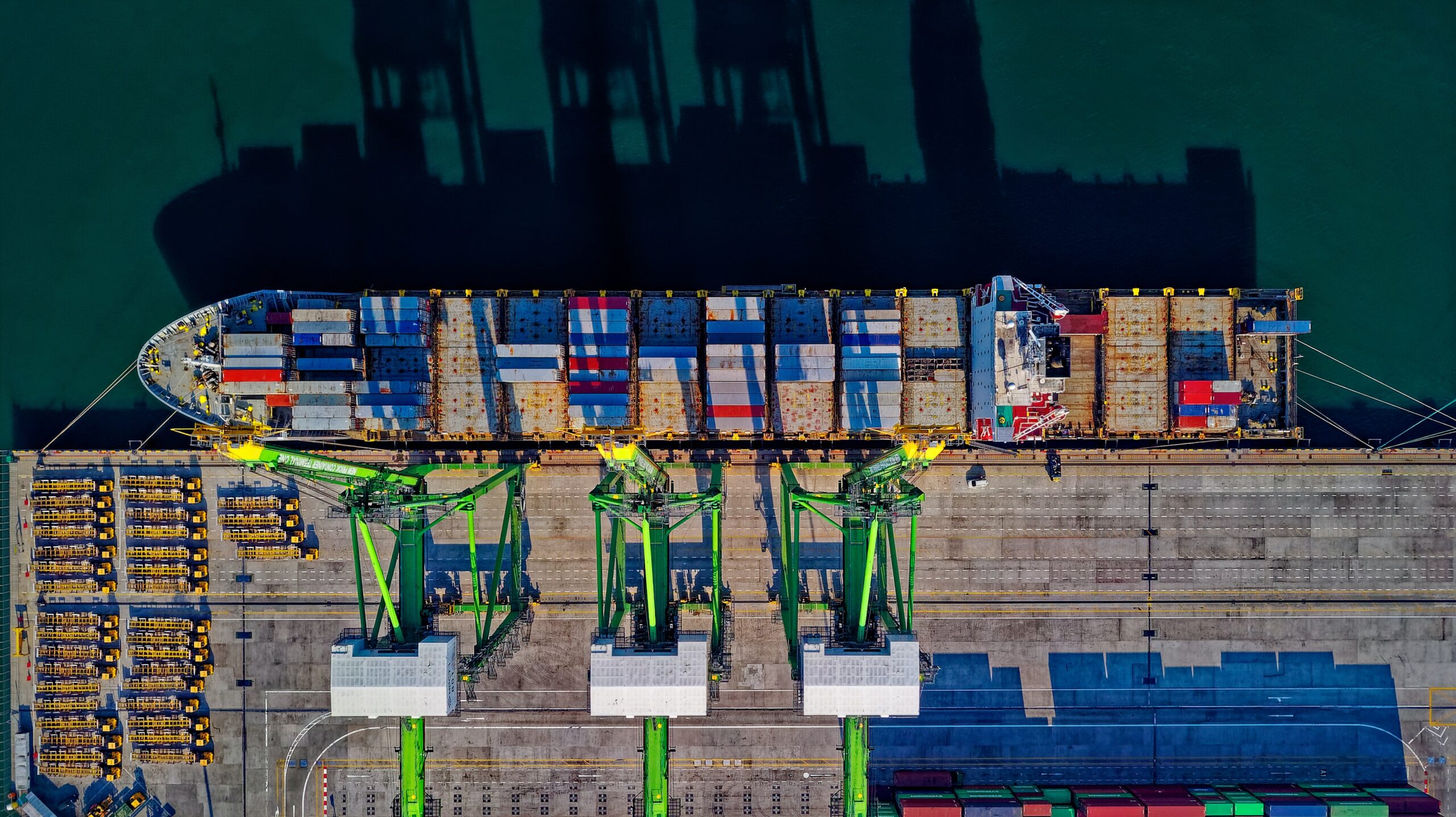
Oman’s export sector is undergoing a significant transformation, with recent data shedding light on its shifting trends and challenges. Non-oil exports have experienced a notable decline of nearly 12% in the first five months of 2023, attributed largely to reduced shipments to the United States. On the other hand, re-exports have surged by 28.7%, fueled by growing economic activity and demand in the Gulf region. As Oman navigates these changes, focusing on diversification, regional relationships, and sectoral adaptability remains crucial to ensuring a resilient export economy.

Global Financial Landscape Awaits Bank of England’s Decision Amid US Rate Hikes

As economic observers hold their breath, the Bank of England stands at a critical crossroads, its response poised to resonate worldwide. After a series of interest rate hikes over the last two years, the Bank faces the prospect of aligning its policies with the potential rate increases by the US Federal Reserve. This juncture underscores the intricate dance of central banks in grappling with inflation and economic stability. The synchronicity between these key institutions amplifies the significance of their decisions, impacting currencies, trade, and investment strategies on a global scale. In an era of interconnected financial systems, the choices made by these central banks extend far beyond their borders.

Jordanian Dinar Shows Resilience; Exchange Rate Trends in 2022

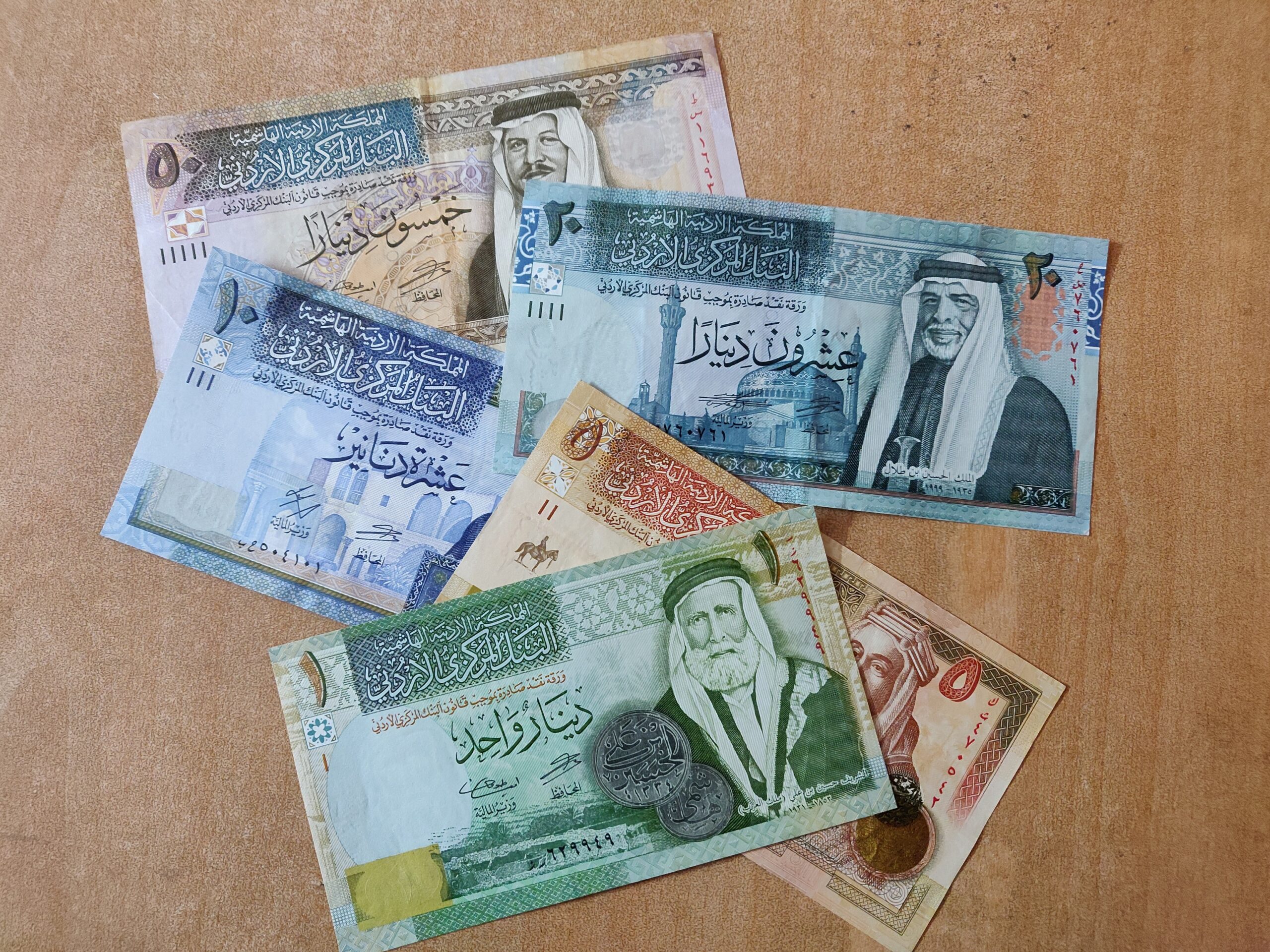
The Jordanian Dinar showcased its resilience in 2022, with a notable rise in its exchange rate against major global currencies. The annual report from the Jordanian Central Bank unveiled an increase of 6.9 percent against the Euro, 9.1 percent against the British Pound, and a significant 18.6 percent against the Japanese Yen. This positive trend reflects Jordan’s stable economic foundation and well-considered monetary policies. The Central Bank’s steadfast commitment to a fixed exchange rate policy against the US Dollar since 1995 has bolstered economic stability and instilled investor confidence in the country’s financial landscape.

Bank of England Faces Dilemma as Inflation Unexpectedly Falls in August

The unexpected drop in UK inflation for August has thrown the Bank of England’s upcoming interest rate decision into uncertainty. Official data revealed a slight decrease in the consumer price index (CPI), from 6.8 percent in July to 6.7 percent, contrary to economists’ predictions of a seven percent figure. This surprising decline is attributed to lower food prices and reduced costs for overnight accommodation, somewhat offsetting the rising energy expenses. Core inflation, which excludes volatile components, experienced a more significant drop, falling to 6.2 percent in August. As the Bank of England faces this dilemma, observers are keen to see how they will balance economic recovery with inflation management.

UK Government Aims to Enhance Access to Cash Facilities for All

The UK government has introduced a plan to ensure that citizens have convenient access to cash facilities despite the growing shift towards digital transactions. The new framework proposes that most individuals and businesses should have access to cash withdrawal and deposit services within a three-mile radius. Banks failing to meet these standards could face fines imposed by the Financial Conduct Authority (FCA). The move aims to balance the rise of online banking with the continued importance of physical cash access, particularly for rural residents and older people. This initiative reflects the government’s commitment to catering to diverse financial needs.

Omantel Group Achieves Strong H1 Performance with 31% Profit Growth

Omantel Group, a leading telecommunications company in Oman, has reported a substantial 31.3% year-on-year increase in its net profit for the first half of 2023, reaching RO168.9 million. This growth has been attributed to factors such as incorporating Zain Group’s business and sustainable revenue expansion. Despite competitive challenges, Omantel’s ability to maintain net profit stability in its domestic operations showcases its strategic resilience. The partnership with Zain Group has also contributed to subscriber growth and increased revenues, underlining the company’s pivotal role in Oman’s evolving telecom sector.

Philippines Navigates Pension Reform to Safeguard Investment Grade Rating

The Philippines is confronting a pressing challenge as it contemplates reforming its military and uniformed personnel (MUP) pension system to safeguard its investment grade rating. Finance Secretary Benjamin Diokno has voiced the urgency of addressing the current “unsustainable” system, warning that failure could compromise the nation’s ability to manage its debt and deficit. President Ferdinand Marcos Jr’s administration prioritises fiscal consolidation to enable crucial infrastructure investments. The country’s financial stability hinges on navigating the delicate balance between pension reform, fiscal responsibility, and maintaining its hard-earned investment-grade status.

Philippines Implements Measures to Tackle Inflation and Rice Prices

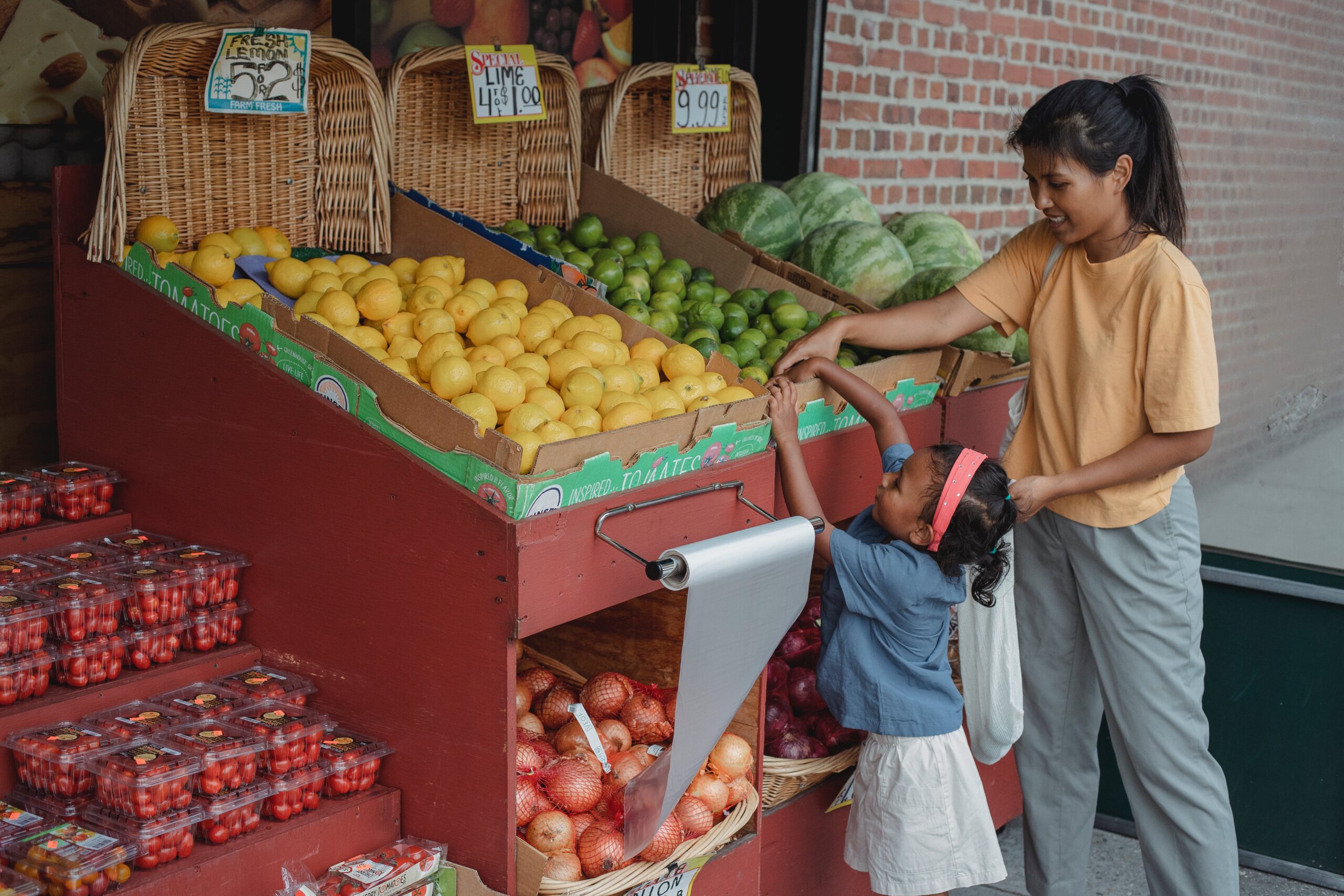
The Philippines is taking proactive measures to combat rising inflation and stabilize rice prices, a significant staple. Among these measures, a proposed reduction in rice import tariffs aims to lower consumer costs. The government also encourages private-sector-driven rice imports while expediting shipment clearance processes, ensuring sufficient rice supply. To address potential crop losses due to El Niño, the farm ministry recommends additional rice imports of 500,000 metric tons. Despite recent inflation challenges, authorities are optimistic about price stability as farmers prepare to harvest around five million metric tons of rice in the coming months, contributing to the country’s annual target.

Morocco’s Resilient Economic Outlook Amidst Structural Reforms

Amidst challenging economic circumstances, Morocco’s commitment to enacting structural reforms stands as a beacon of hope. Despite figures pointing to a widening budget deficit and high debt-to-GDP ratio, a closer look reveals a nuanced story. With a strategy that includes consolidating VAT rates, introducing a carbon tax, and curbing the public wage bill, Morocco’s approach shows a determined effort to secure its financial future. Backed by an IMF assistance program and a resilient spirit, the nation’s economic trajectory seems poised for positive growth. As Morocco navigates these complex waters, its dedication to reform highlights its potential to overcome obstacles and embrace prosperity.

Sun Life Grepa’s Empathetic Approach, Ensuring Filipinos’ Financial Confidence

Sun Life Grepa Financial, Inc. (Sun Life Grepa), a leading insurance provider in the Philippines, has unveiled its latest campaign, “We Get You, We Got You. Gets Ka Namin, Sagot Ka Namin.” The campaign caters to various segments of Sun Life Grepa’s clientele through relatable videos, ranging from entrepreneurs to overseas Filipino workers (OFWs). By offering personalized solutions and a range of life insurance products, the company aims to address the unique financial concerns of its customers. This initiative reflects Sun Life Grepa’s commitment to being more than an insurer, positioning itself as a partner in clients’ financial journeys, ensuring their security and peace of mind.

Oman’s Export Landscape, Navigating Shifting Markets and Emerging Trends

Oman’s export sector is undergoing a significant transformation, with recent data shedding light on its shifting trends and challenges. Non-oil exports have experienced a notable decline of nearly 12% in the first five months of 2023, attributed largely to reduced shipments to the United States. On the other hand, re-exports have surged by 28.7%, fueled by growing economic activity and demand in the Gulf region. As Oman navigates these changes, focusing on diversification, regional relationships, and sectoral adaptability remains crucial to ensuring a resilient export economy.

Global Financial Landscape Awaits Bank of England’s Decision Amid US Rate Hikes

As economic observers hold their breath, the Bank of England stands at a critical crossroads, its response poised to resonate worldwide. After a series of interest rate hikes over the last two years, the Bank faces the prospect of aligning its policies with the potential rate increases by the US Federal Reserve. This juncture underscores the intricate dance of central banks in grappling with inflation and economic stability. The synchronicity between these key institutions amplifies the significance of their decisions, impacting currencies, trade, and investment strategies on a global scale. In an era of interconnected financial systems, the choices made by these central banks extend far beyond their borders.

Jordanian Dinar Shows Resilience; Exchange Rate Trends in 2022

The Jordanian Dinar showcased its resilience in 2022, with a notable rise in its exchange rate against major global currencies. The annual report from the Jordanian Central Bank unveiled an increase of 6.9 percent against the Euro, 9.1 percent against the British Pound, and a significant 18.6 percent against the Japanese Yen. This positive trend reflects Jordan’s stable economic foundation and well-considered monetary policies. The Central Bank’s steadfast commitment to a fixed exchange rate policy against the US Dollar since 1995 has bolstered economic stability and instilled investor confidence in the country’s financial landscape.

Bank of England Faces Dilemma as Inflation Unexpectedly Falls in August

The unexpected drop in UK inflation for August has thrown the Bank of England’s upcoming interest rate decision into uncertainty. Official data revealed a slight decrease in the consumer price index (CPI), from 6.8 percent in July to 6.7 percent, contrary to economists’ predictions of a seven percent figure. This surprising decline is attributed to lower food prices and reduced costs for overnight accommodation, somewhat offsetting the rising energy expenses. Core inflation, which excludes volatile components, experienced a more significant drop, falling to 6.2 percent in August. As the Bank of England faces this dilemma, observers are keen to see how they will balance economic recovery with inflation management.

UK Government Aims to Enhance Access to Cash Facilities for All

The UK government has introduced a plan to ensure that citizens have convenient access to cash facilities despite the growing shift towards digital transactions. The new framework proposes that most individuals and businesses should have access to cash withdrawal and deposit services within a three-mile radius. Banks failing to meet these standards could face fines imposed by the Financial Conduct Authority (FCA). The move aims to balance the rise of online banking with the continued importance of physical cash access, particularly for rural residents and older people. This initiative reflects the government’s commitment to catering to diverse financial needs.

Omantel Group Achieves Strong H1 Performance with 31% Profit Growth

Omantel Group, a leading telecommunications company in Oman, has reported a substantial 31.3% year-on-year increase in its net profit for the first half of 2023, reaching RO168.9 million. This growth has been attributed to factors such as incorporating Zain Group’s business and sustainable revenue expansion. Despite competitive challenges, Omantel’s ability to maintain net profit stability in its domestic operations showcases its strategic resilience. The partnership with Zain Group has also contributed to subscriber growth and increased revenues, underlining the company’s pivotal role in Oman’s evolving telecom sector.

Philippines Navigates Pension Reform to Safeguard Investment Grade Rating

The Philippines is confronting a pressing challenge as it contemplates reforming its military and uniformed personnel (MUP) pension system to safeguard its investment grade rating. Finance Secretary Benjamin Diokno has voiced the urgency of addressing the current “unsustainable” system, warning that failure could compromise the nation’s ability to manage its debt and deficit. President Ferdinand Marcos Jr’s administration prioritises fiscal consolidation to enable crucial infrastructure investments. The country’s financial stability hinges on navigating the delicate balance between pension reform, fiscal responsibility, and maintaining its hard-earned investment-grade status.

Philippines Implements Measures to Tackle Inflation and Rice Prices

The Philippines is taking proactive measures to combat rising inflation and stabilize rice prices, a significant staple. Among these measures, a proposed reduction in rice import tariffs aims to lower consumer costs. The government also encourages private-sector-driven rice imports while expediting shipment clearance processes, ensuring sufficient rice supply. To address potential crop losses due to El Niño, the farm ministry recommends additional rice imports of 500,000 metric tons. Despite recent inflation challenges, authorities are optimistic about price stability as farmers prepare to harvest around five million metric tons of rice in the coming months, contributing to the country’s annual target.

Categories