Interest rates are likely to be raised by the Federal Reserve
The crisis in Russia-Ukraine continues to dominate the market. Investors

The crisis in Russia-Ukraine continues to dominate the market. Investors
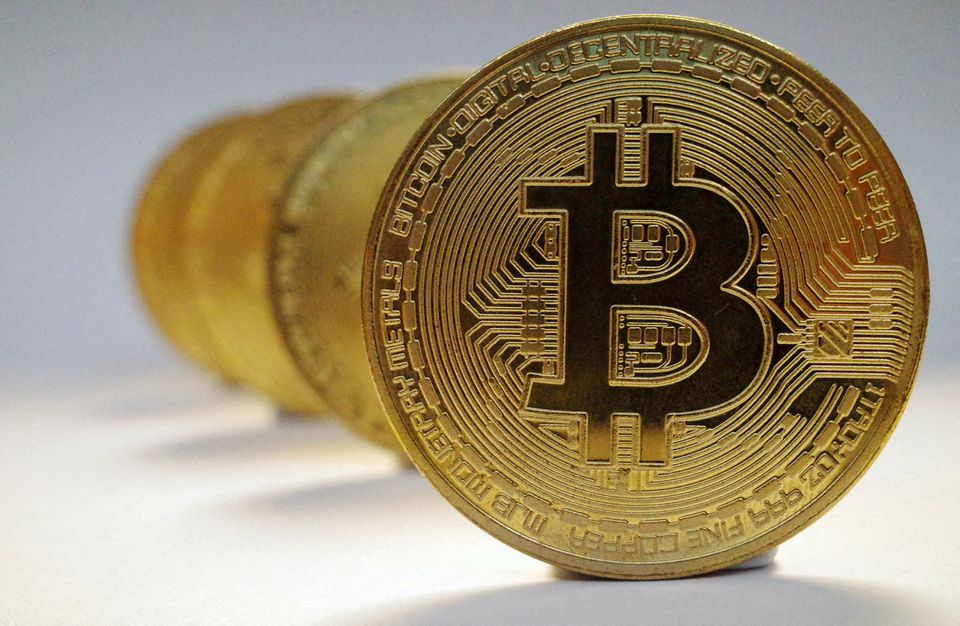
Cryptocurrency evangelists are on the defensive amid warnings from U.S. and European lawmakers that digital asset companies are not up to the task of complying with Western sanctions imposed on Russia following the country’s invasion of Ukraine.
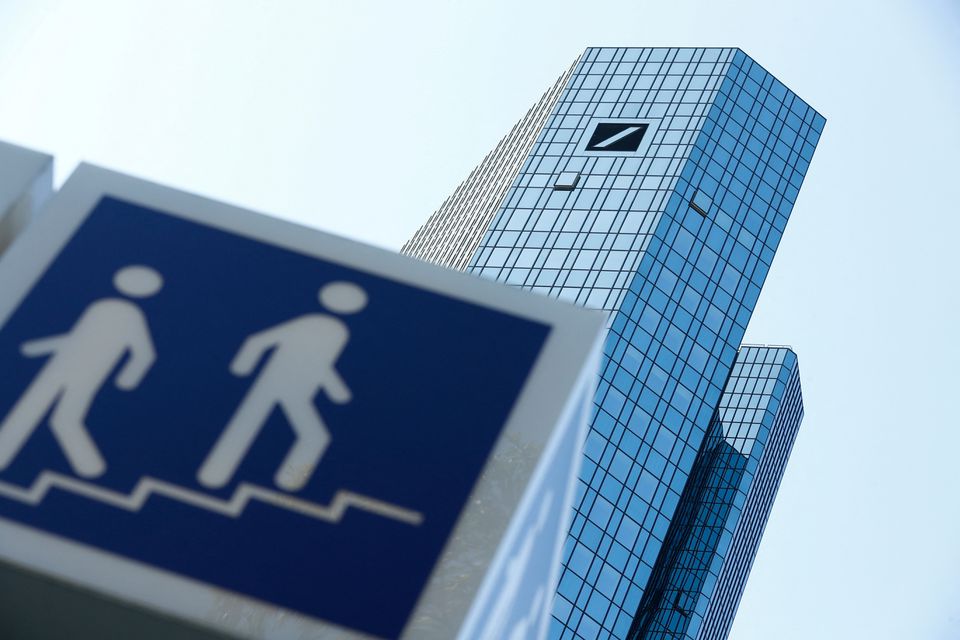
Deutsche Bank (DBKGn.DE) faced criticism on Friday for its continued ties to Russia after saying that leaving would go against its values, as other banks cut links with the country.
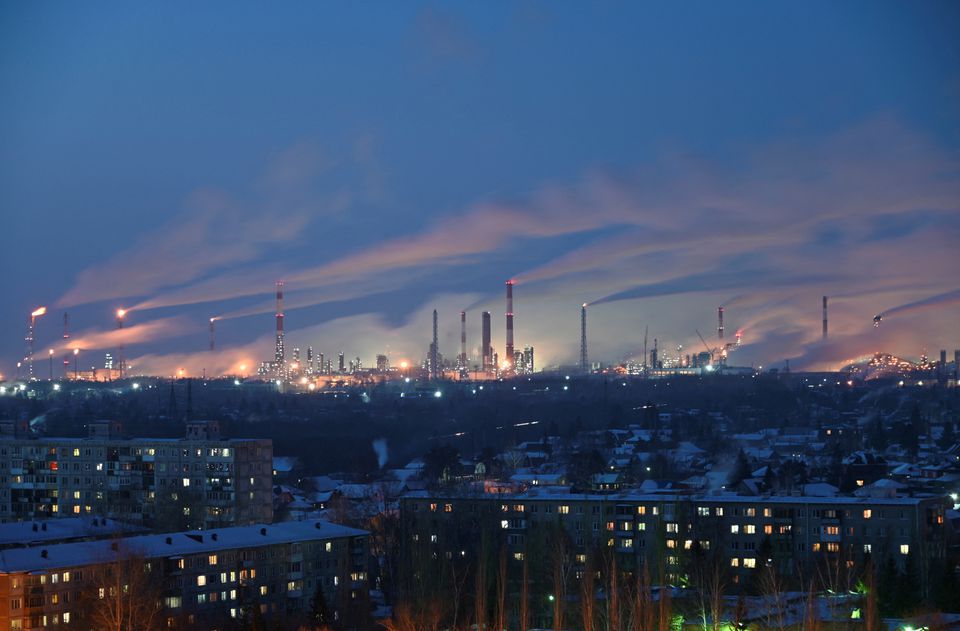
Oil prices rose on Friday but were on track for their biggest weekly declines since November after see-sawing on fears of escalating bans on Russian oil versus efforts to bring more supply to market from other major producers.
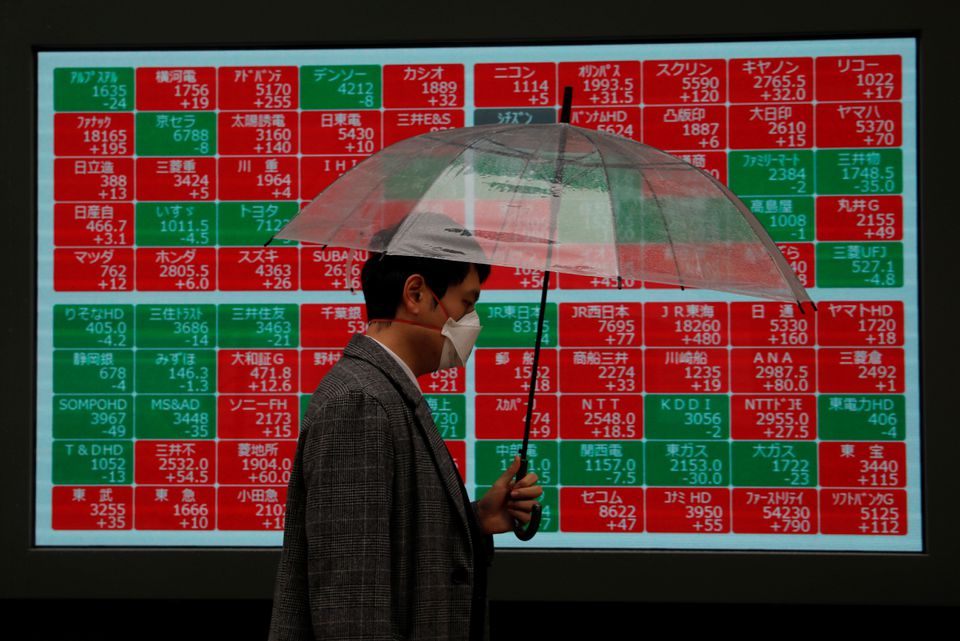
Asian shares extended a global slump on Friday after the fastest U.S. inflation rate in four decades bolstered expectations for more aggressive rate hikes, while Chinese equity markets recovered early losses on regulatory assurance over U.S.-listed mainland firms.
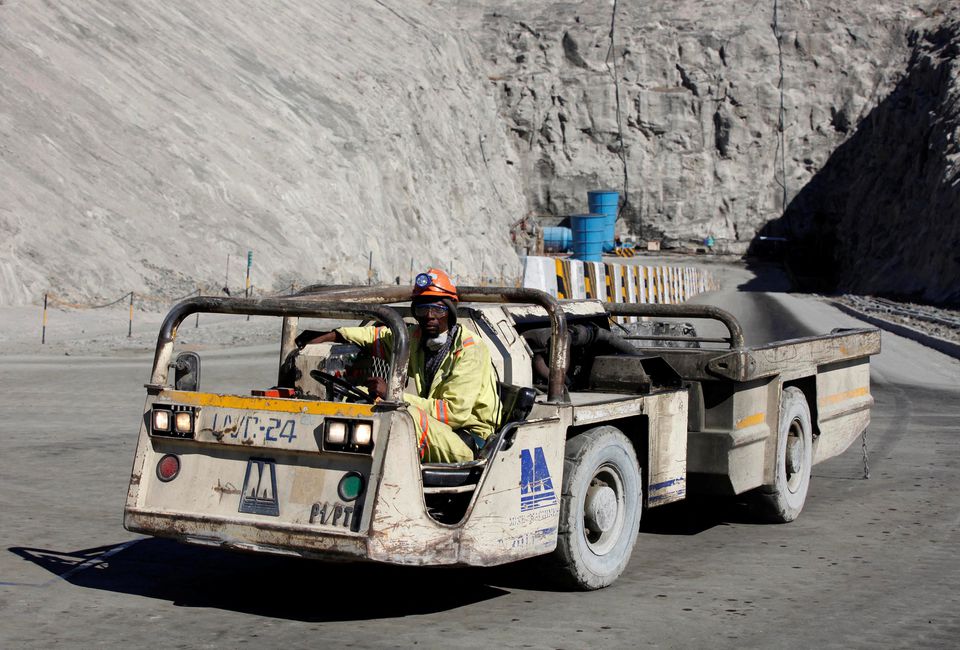
Australian and South African miners are exploring ways to supply coal and metals consumers in Europe scrambling for alternative sources to Russian supply, but logistics and cost constraints make it difficult to rapidly boost output, companies said.
Goldman Sachs Group Inc (GS.N)and JPMorgan Chase & Co (JPM.N) on Thursday announced they were unwinding their Russian businesses, becoming the first major U.S. banks to exit following Russia’s invasion of Ukraine and putting pressure on rivals to follow.
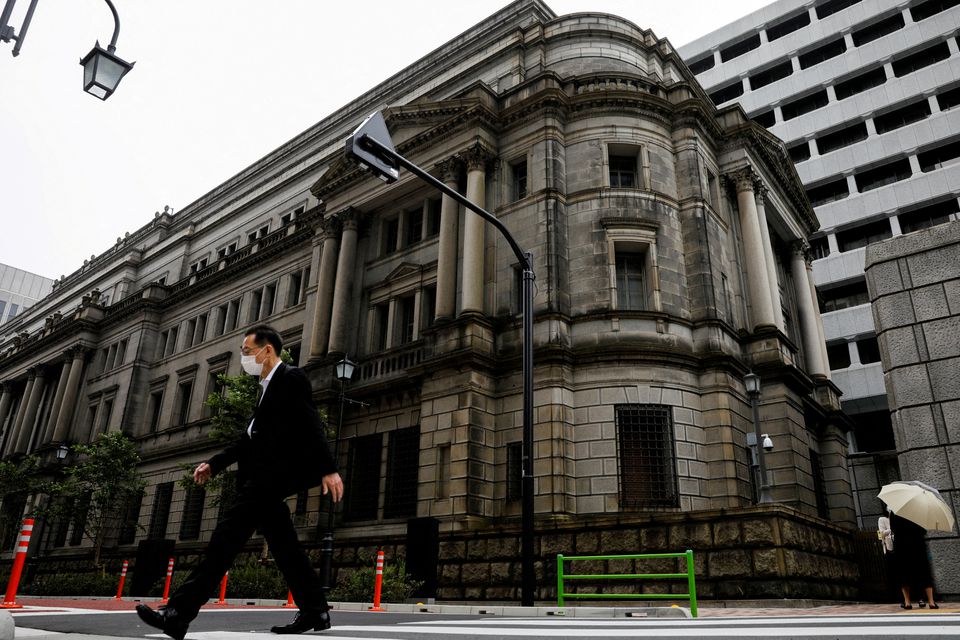
The crisis in Ukraine is giving the Bank of Japan a headache not facing other major central banks, forcing it to maintain a more dovish stance on monetary policy despite rising inflationary pressures and a dearth of tools to combat another economic downturn.
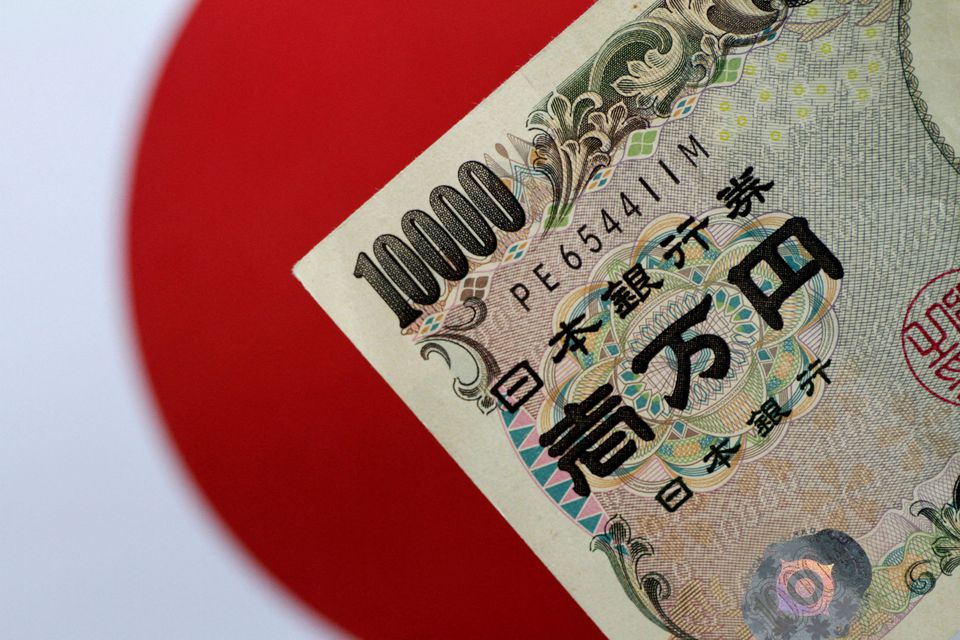
Japanese investors in February sold the most overseas debt in a month in nearly two years on concerns over monetary tightening by the world’s major central banks and an escalation in Russia-Ukraine conflict.
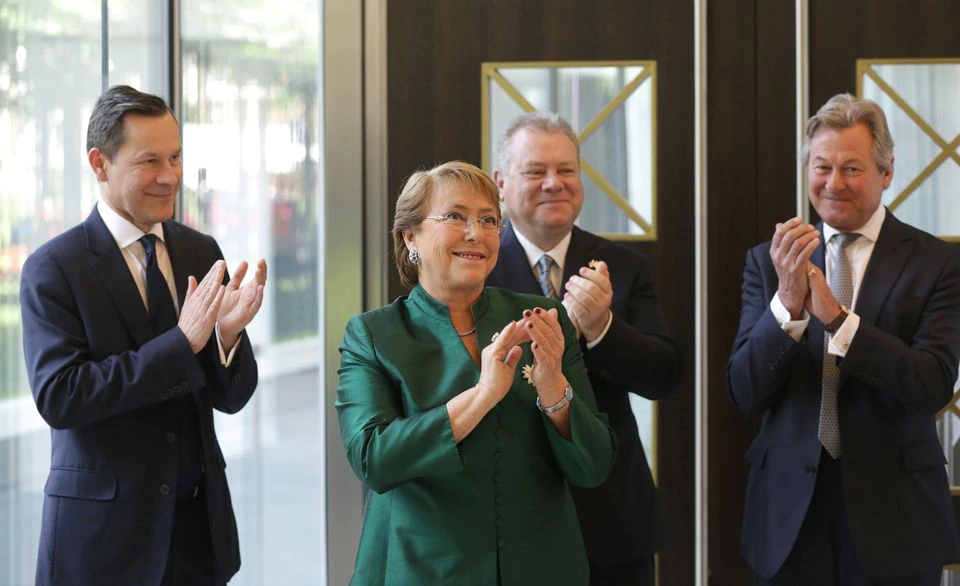
The London Metal Exchange (LME) took emergency measures to halt trading in nickel on Tuesday as prices doubled to more than $100,000 a tonne.
The crisis in Russia-Ukraine continues to dominate the market. Investors
Cryptocurrency evangelists are on the defensive amid warnings from U.S. and European lawmakers that digital asset companies are not up to the task of complying with Western sanctions imposed on Russia following the country’s invasion of Ukraine.
Deutsche Bank (DBKGn.DE) faced criticism on Friday for its continued ties to Russia after saying that leaving would go against its values, as other banks cut links with the country.
Oil prices rose on Friday but were on track for their biggest weekly declines since November after see-sawing on fears of escalating bans on Russian oil versus efforts to bring more supply to market from other major producers.
Asian shares extended a global slump on Friday after the fastest U.S. inflation rate in four decades bolstered expectations for more aggressive rate hikes, while Chinese equity markets recovered early losses on regulatory assurance over U.S.-listed mainland firms.
Australian and South African miners are exploring ways to supply coal and metals consumers in Europe scrambling for alternative sources to Russian supply, but logistics and cost constraints make it difficult to rapidly boost output, companies said.
Goldman Sachs Group Inc (GS.N)and JPMorgan Chase & Co (JPM.N) on Thursday announced they were unwinding their Russian businesses, becoming the first major U.S. banks to exit following Russia’s invasion of Ukraine and putting pressure on rivals to follow.
The crisis in Ukraine is giving the Bank of Japan a headache not facing other major central banks, forcing it to maintain a more dovish stance on monetary policy despite rising inflationary pressures and a dearth of tools to combat another economic downturn.
Japanese investors in February sold the most overseas debt in a month in nearly two years on concerns over monetary tightening by the world’s major central banks and an escalation in Russia-Ukraine conflict.
The London Metal Exchange (LME) took emergency measures to halt trading in nickel on Tuesday as prices doubled to more than $100,000 a tonne.