

Bank of America Faces Congressional Probe Over January 6 Information-Sharing

In the latest development surrounding the investigation into banks’ handling of customer information during the January 6, 2021, Capitol attack, House Judiciary Committee Chairman Jim Jordan has issued a subpoena to Bank of America. This move is part of a broader inquiry into the information-sharing practices between financial institutions and the FBI. Despite some documents being provided, the bank has yet to share the complete filing submitted to the FBI. The investigation, initiated in May, raises concerns about the delicate balance between national security imperatives and consumer privacy rights, potentially influencing future legislation on data privacy in the financial sector. The outcome of these inquiries could set crucial precedents for the handling and sharing of customer information by financial institutions.
Inflation Eases in October, A Glimmer of Hope for Consumers Amidst Economic Uncertainties

In October, consumer prices in the U.S. rose by 3.2% compared to the previous year, signaling a noteworthy slowdown and offering respite for consumers. The data reflects a 0.5% decline from September, showcasing progress in the Federal Reserve’s campaign to curb inflation. While the drop in gas prices contributed to this decline, core inflation, excluding food and energy prices, only slightly decreased to 4.0% in October. The positive development comes amid robust economic growth, with the GDP expanding at a rate of 4.9% over the three months ending in September. However, challenges such as rising long-term borrowing costs and record-high credit card debt pose potential risks to sustained economic growth.
China’s Disputed Shoal Encounter Prompts Tensions with Philippines

An incident at the Scarborough Shoal has ratcheted tensions between the Philippines and China as conflicting accounts of a naval encounter emerged. The disputed shoal remains a flashpoint for sovereignty and fishing rights despite international efforts to address these disputes. The ongoing rivalries in the South China Sea pose a significant challenge to regional stability, involving nations like the Philippines, China, Vietnam, and Taiwan. The incident underscores the need for diplomatic solutions to avoid further escalation in this strategically vital and resource-rich region. President Ferdinand Marcos’s pro-U.S. stance adds complexity to the Philippines-China relationship, making this dispute a focal point in the ongoing struggle for control and influence.
Bank of England’s Monetary Policy Holds Steady Amid Economic Uncertainty

The Bank of England has opted to keep the Bank Rate at 5.25% until at least July, marking a pause in its tightening cycle, according to a Reuters poll of economists. This decision comes after last week’s surprising move by the BoE to hold rates, citing a slowing economy and lower-than-expected inflation. The central bank has gradually increased rates by 515 basis points in 14 consecutive moves since December 2021 to combat soaring inflation. While the recent decision may offer some respite to borrowers, there’s still a divided opinion among experts on whether further rate hikes are necessary later this year.
Tensions Escalate in South China Sea as Philippines Challenges Chinese Barrier

The escalating tensions in the South China Sea have reached a critical point as the Philippines takes a stand against China’s installation of a floating barrier at Scarborough Shoal. This move has further strained the territorial disputes involving multiple nations in the region. The Philippines, backed by a 2016 UN arbitration decision, asserts its exclusive economic rights over Scarborough Shoal, which China continues to challenge. This development underscores the need for diplomatic efforts to address these complex disputes and prevent any escalation in the resource-rich South China Sea. The situation is particularly sensitive, given the involvement of the United States as a treaty ally of the Philippines, emphasizing the importance of finding peaceful resolutions.
Economic Resilience Amidst Oil Output Cuts: GCC Growth Prospects

The Gulf Cooperation Council (GCC) economies faced an intricate economic landscape in the second quarter of 2023, marked by reduced oil production. This led to a 0.5 percentage point downward revision in growth forecasts for the GCC, setting the growth rate at 1.4% for the year. However, the region’s non-energy sectors have shown resilience, with robust growth in tourism-related industries. Rising energy prices, driven by global factors, have also played a pivotal role, with Brent oil reaching $90 per barrel. The impending inclusion of Saudi Arabia and the UAE into the BRICS group offers a ray of hope, fostering economic diversification and reducing reliance on the US dollar, setting the stage for a more optimistic future.
Navigating Cloud Security Challenges, South African Executives Seek Solutions

A recent survey among South African business leaders revealed that 89% are deeply concerned about cloud security, echoing global anxieties. The nation’s tech sector faces challenges stemming from a domestic skills crisis, with cybersecurity (37%) and a lack of technical skills (39%) cited as major barriers to cloud adoption. Interestingly, South Africa’s primary focus is on basic security risks, in contrast to more mature markets that grapple with advanced threats. The country’s cloud computing market is on the rise, with 35.8% of businesses hosting over 50% of their workload in the cloud. However, ensuring the right talent remains a challenge in this digital transformation journey.
Qatar Airways Expands Its Saudi Arabian Network: New Destinations and Increased Frequencies

Qatar Airways is set to enhance its presence in Saudi Arabia, with plans to introduce new flights to AlUla, Tabuk, and the reopening of Yanbu. The airline’s expansion aims to provide travelers with more choices and convenient access to these Saudi cities, each offering unique cultural and natural attractions. With this strategic move, Qatar Airways solidifies its commitment to offering diverse travel options and strengthening connectivity within the Gulf region. Passengers can look forward to exploring AlUla’s rich history, the vibrant city of Yanbu, and the captivating allure of Tabuk. This expansion aligns with Qatar Airways’ global growth strategy, ensuring travelers enjoy seamless journeys worldwide.
Oman’s Export Landscape, Navigating Shifting Markets and Emerging Trends
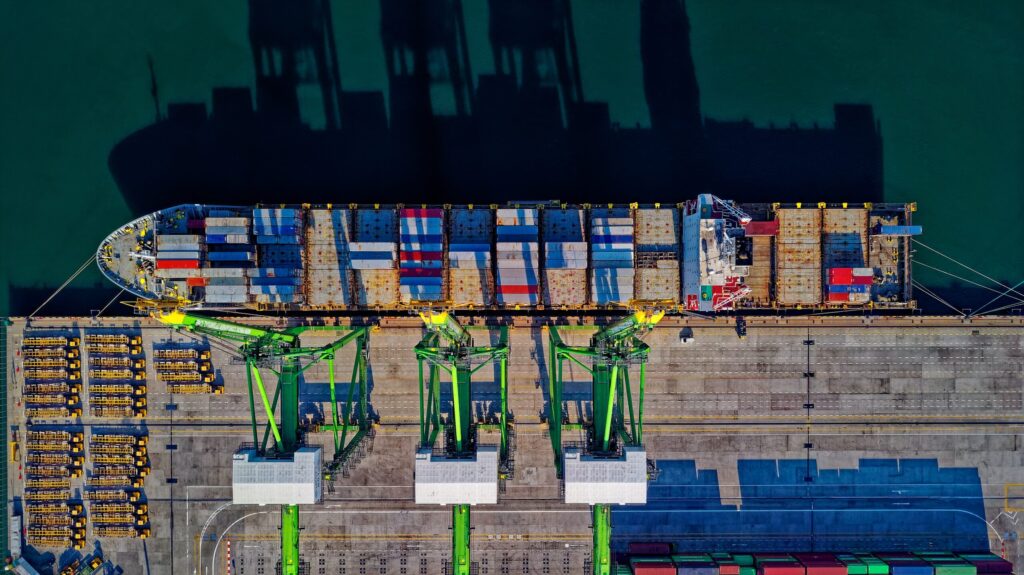
Oman’s export sector is undergoing a significant transformation, with recent data shedding light on its shifting trends and challenges. Non-oil exports have experienced a notable decline of nearly 12% in the first five months of 2023, attributed largely to reduced shipments to the United States. On the other hand, re-exports have surged by 28.7%, fueled by growing economic activity and demand in the Gulf region. As Oman navigates these changes, focusing on diversification, regional relationships, and sectoral adaptability remains crucial to ensuring a resilient export economy.
US-ASEAN Business Council and Philippines Forge Defense Partnership Amidst Rising Tensions

The United States-Asean Business Council (US-ABC) is taking a proactive stance by engaging in a collaborative effort with the Philippines to enhance the nation’s defense capabilities amidst growing tensions in the West Philippine Sea. Discussions involving Defense Secretary Gilbert “Gibo” Teodoro Jr. and the US-ABC delegation, led by President and CEO Ted Osius, have explored various avenues of cooperation to strengthen defense and security sectors. This strategic move aligns with the US-ABC’s commitment to fostering partnerships between the US and ASEAN nations, from cybersecurity and healthcare initiatives to technological advancements and sustainable energy solutions. The initiative addresses immediate security concerns and emphasizes the significance of international collaborations in maintaining stability and innovation in a complex geopolitical landscape.