

The Case for Lowering Interest Rates Amidst Inflation Concerns

In a delicate economic balancing act, the Bank of England faces a pivotal decision on interest rates. The prevailing debate centers on whether to raise the Bank Rate to 5.5% or keep it at the current 5.25%. However, this discussion may be misdirected. The critical question at hand should be whether a cut to 5% or maintaining the status quo is the more reasonable course of action. This article presents a compelling case for an interest rate cut in a bid to counterbalance the challenges posed by inflation while averting the looming risk of an economic recession.
The Bank of England’s Vigilant Monitoring of Interest Rates Maintains Stability in the Face of Economic Uncertainty

The Bank of England’s upcoming interest rate decision underscores the fine balance it must strike in managing inflation and supporting the economy in the post-pandemic era. Recent comments from officials suggest confidence in the impact of previous rate hikes on tempering inflation, but the economic landscape remains uncertain. With rising inflation and fluctuating economic data, the MPC faces the challenge of making a well-informed decision. While a majority is expected to favor unchanged rates, some more hawkish members will likely push for a slight rate hike. The decision aligns with global central banks’ efforts to combat inflation while nurturing economic growth.
The Delicate Balancing Act of Interest Rates, Bank of England’s Dilemma Amidst Persistent Inflation

Navigating the complexities of persistent inflation, the Bank of England faces a crucial dilemma. While some economists argue for sustained higher interest rates to combat firmly-rooted inflationary pressures, others predict this may lead to a mild recession. The Bank’s cautious approach, likened to the steady ascent of Table Mountain, aims to strike a balance between inflation control and economic stability. Recent economic resilience, with a 0.5% growth in July, muddles the picture, suggesting that a premature rate reduction might not be warranted. As the Bank monitors these variables, the path forward remains nuanced and pivotal for the UK’s economic trajectory.
Bank of England Set to Tackle Inflationary Pressures with Potential Interest Rate Hike

The Bank of England’s potential interest rate hike reflects its commitment to tackling inflationary challenges and ensuring economic stability. As global central banks grapple with rising inflation, striking the right balance between curbing consumer spending and supporting sustainable growth remains a top priority. The UK’s economic resilience, as forecasted by the IMF, presents a glimmer of hope amid uncertainties. The BoE’s measured approach in implementing interest rate adjustments will be instrumental in steering the economy towards a path of long-term prosperity and financial well-being.
Yield Curve Inversion Raises Concerns and Signals Economic Shifts

In a rare occurrence with potentially far-reaching consequences, the U.S. yield curve has experienced its deepest inversion since 1981. This inversion, where short-term Treasury bond yields surpass long-term yields, has historically been associated with economic downturns. Investors and experts are closely monitoring this development, questioning its implications and whether it could signal an upcoming recession. While an inverted yield curve is not unheard of, the magnitude of this inversion is catching attention and prompting careful analysis. Experts suggest that factors such as expectations of further interest rate hikes and concerns about inflation are contributing to this unique situation. As the financial landscape continues to evolve, market participants remain watchful, looking for signs of stabilization or potential shifts that could impact the broader economy.
US FED Hikes Interest Rate for Tenth Time in a Row
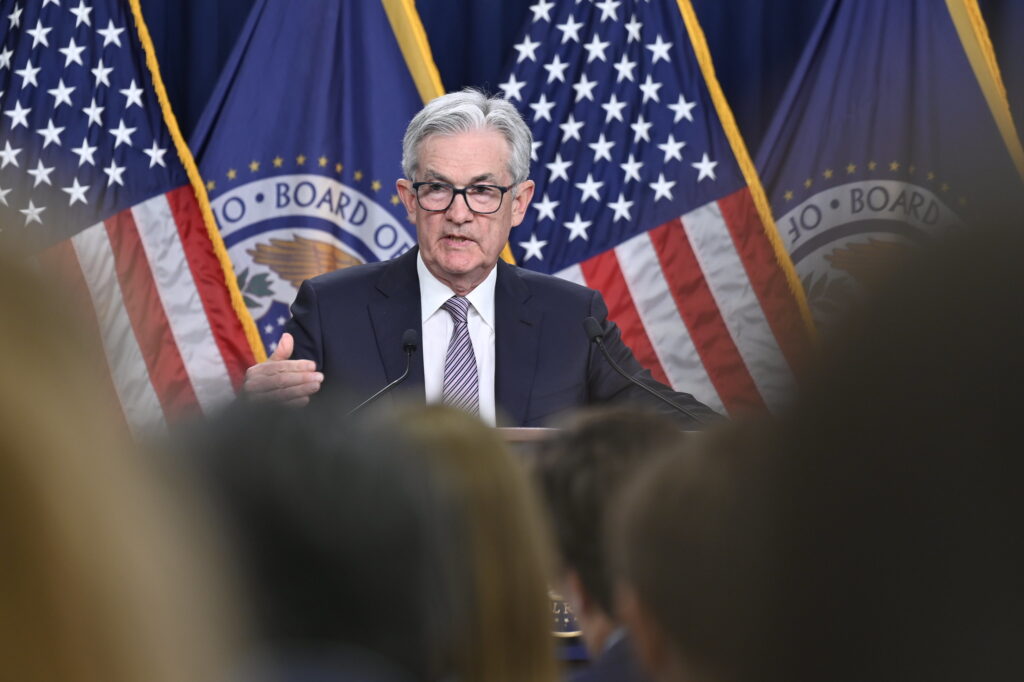
The US Federal Reserve (US FED) has hiked interest rates for the tenth time in a row, bringing the key lending rate to its highest level since 2007. However, the US FED signalled it could pause further rate hikes, as inflation eases and turmoil continues to spread across the American banking sector.
IBM cuts 3,900 jobs, misses annual cash target
IBM Corp on Wednesday announced 3,900 layoffs as part of some asset divestments and missed its annual cash target, dampening cheer around beating revenue expectations in the fourth quarter.
Morning Bid: No Messi magic for markets
Soccer fans enjoyed an extraordinary final of the World Cup on Sunday as high emotion and intense drama gave way to Lionel Messi leading Argentina to victory against France in a penalty shootout.
ECB to slow rate hikes and lay out plans to drain cash
The European Central Bank is set to raise interest rates for the fourth time in a row on Thursday, although by less than at its last two meetings, and lay out plans to drain cash from the financial system as it fights runaway inflation.
Exclusive: Morgan Stanley to slash 2022 banker bonuses in Asia by up to half
Morgan Stanley plans to slash investment bankers’ annual bonuses by as much as 50% in Asia, said two people with direct knowledge of the matter, as the Wall Street firm reins in costs to tackle tough market conditions that have hit its revenue.