SEBI Aims to Streamline Grievance Redressal for Investors in India’s Financial Markets
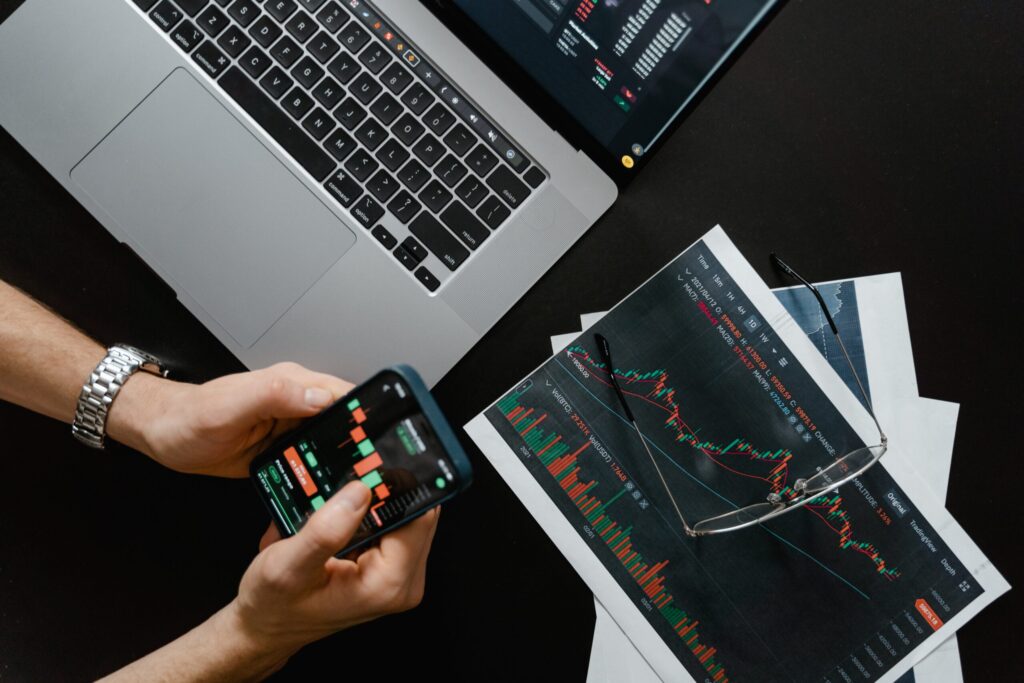
SEBI, the guardian of India’s financial markets, is taking bold steps to empower investors and ensure their grievances are swiftly and fairly resolved. By integrating the SEBI Complaint Redress System (SCORES) with the Online Dispute Resolution Mechanism, SEBI provides a seamless platform for investors to seek redressal against regulated entities. This move, coupled with reduced timelines and a two-level review process, signifies SEBI’s commitment to enhancing transparency and accountability. Investors can now embark on their financial journey more confidently, knowing their concerns will be promptly addressed and their rights protected. SEBI’s initiatives lay the foundation for a thriving investment landscape where trust and integrity prevail.
Bulgaria’s Path to Strengthening the Economy and Embracing Sustainability

Bulgaria is on the cusp of a historic transformation as it strides towards adopting the euro and joining the Eurozone. With a thriving banking system and a strategic focus on sustainability, the nation is primed to unlock new opportunities and propel its economy forward. As Bulgaria prepares to embrace the single European currency, it sets its sights on a greener future and accelerated recovery. Discover how euro adoption promises to revolutionize Bulgaria’s economic landscape, empower businesses, and foster a more sustainable society.
The Monetary Authority of Singapore (MAS) Strengthens Insurance Deposit Coverage

Singapore has taken a significant step to fortify its banking system and safeguard small depositors with increased deposit insurance coverage. The Monetary Authority of Singapore (MAS) has proposed raising the coverage per depositor from $75,000 to $100,000, keeping pace with the growth in average deposit balances. This move aims to ensure that most smaller depositors remain fully covered in the event of a bank failure. The MAS also seeks to enhance operational efficiency and transparency within the deposit insurance scheme, emphasizing the importance of pre-emptive safeguards and effective risk management. If implemented, these measures will provide greater peace of mind for depositors and reinforce Singapore’s position as a stable and reliable financial hub.
Middle East’s Asset Management Industry Navigates Growth Challenges and Seeks New Avenues

The Middle East’s asset management industry defies economic headwinds with $1.3 trillion in assets under management, marking a remarkable 7 percent compound annual growth rate. While outperforming European and American peers, leaders in the region face a critical turning point. They must reassess strategies to regain profit growth and navigate a changing landscape. Prioritizing profitability, exploring high-growth alternative investments, and embracing technology for personalized client experiences are key strategies for success. The industry’s resilience and adaptability position it for continued growth in the Middle East’s dynamic market.
Germany’s Battle to End the Ongoing Recession and Energy Crisis

Germany once hailed as an economic powerhouse, now finds itself at a crossroads. Business leaders and experts are sounding the alarm as the nation grapples with a weakening economy and the challenges of transitioning to green energy. Soaring inflation, sluggish export markets, and high energy costs loom over Germany’s economic landscape, raising concerns about its future. Amid these difficulties, Chancellor Olaf Scholz envisions a new era of economic growth through the transition to renewable energy. However, skepticism remains as experts question the immediate benefits and exorbitant costs associated with this green revolution. Germany must confront its structural weaknesses, such as bureaucracy and an ageing population while addressing industry concerns and shifting dynamics. The road ahead may be challenging, but Germany’s resilience and adaptability will determine its success in securing a prosperous future.
Kuwait’s Money Supply Shows Modest Increase, Reflecting Stable Economic Outlook
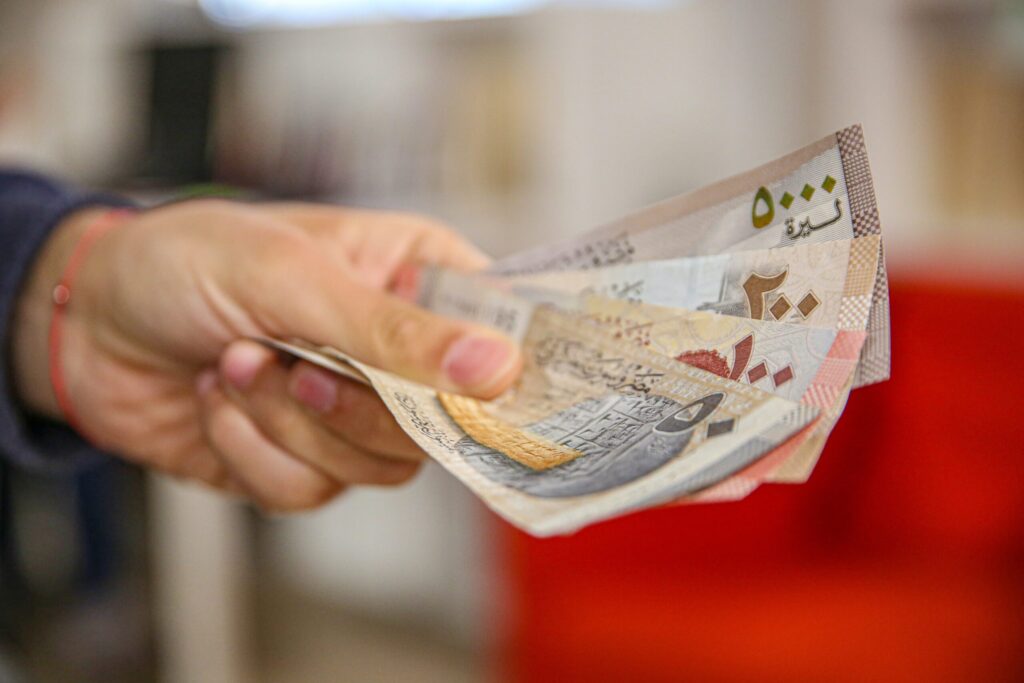
Kuwait’s Central Bank has reported a modest increase in the country’s money supply, highlighting stable economic conditions and positive trends within the financial sector. Despite a decline in foreign currency deposits, the rise in private sector deposits demonstrates growing confidence in Kuwait’s banking system. The central bank’s prudent monetary policies and consistent interest rates contribute to the country’s economic resilience and attractiveness to domestic and international investors. As Kuwait continues strengthening its position as a regional financial hub, these indicators bode well for sustained growth and stability.
Singapore’s Central Bank Penalize Major Financial Institutions for Anti-Money Laundering Breaches

Singapore’s central bank, the Monetary Authority of Singapore (MAS), has imposed fines totaling S$3.8 million on leading financial institutions Citibank, DBS, and OCBC, as well as insurer Swiss Life, for failing to meet anti-money laundering and countering terrorism financing requirements. The penalties come in the wake of an investigation into the involvement of Singapore-based individuals in the Wirecard fraud case. Wirecard’s collapse exposed a 1.9 billion euro accounting discrepancy and highlighted the need for stronger safeguards within the financial sector. The fines demonstrate MAS’s commitment to upholding regulatory standards and ensuring the integrity of Singapore’s financial system.
Siemens and Petrojet Strike a Strategic Partnership to Drive Technological Advancements in the Middle East

Siemens, a global leader in digital industries, and Petrojet, one of the Middle East’s largest construction groups, have formed a strategic partnership to drive technological advancements and innovation across industries in the Middle East. With a focus on supporting the Ministry of Petroleum and Mineral Resources’ digitalization strategy and contributing to Egypt’s Vision 2030, the collaboration will utilize Siemens’ cutting-edge digital solutions and Petrojet’s expertise in delivering large-scale projects. By combining forces, both companies seek to transform the industrial sector in Egypt and throughout the Middle East, fostering economic development and creating a competitive edge in the global market.
US Corporations Eager to Invest in Iraq’s Growing Opportunities

American businesses are urged to seize the growing investment opportunities in Iraq, marking a significant turn in the country’s economic recovery after years of strife. During a recent visit, Dilawar Syed, the special representative for commercial and business affairs at the US State Department, expressed his excitement about participating in Iraq’s rebuilding efforts. With a record-breaking national budget of $150 billion allocated for infrastructure and other crucial expenses, Iraq is witnessing a momentous transformation. The visit aimed to establish a strategic framework for cooperation between the two nations, with a delegation of 47 US-based companies exploring prospects in various sectors. Syed highlighted the potential in education and technology, underscoring Iraq’s conducive environment for US companies and entrepreneurs. Although challenges such as safety concerns exist, the delegation’s presence was intended to provide assurances and foster confidence among US interests. The focus on fair competition, transparency, and standards-based processes aims to uplift Iraq’s economic landscape while benefiting both countries. The delegation’s collaboration with Iraq’s Health Ministry on cancer research showcases the potential for productive partnerships. As Iraq invests heavily in its future, US businesses can compete for significant projects, contributing to Iraq’s growth and development. This growing investment and collaboration between the United States and Iraq paved the way for a promising era of shared prosperity.
Australia’s Housing Market Remains Resilient to Rate Hikes, S&P Analysis Reveals

Australia’s housing market continues to display strength and resilience, as highlighted by a recent analysis conducted by S&P Global Ratings. The report suggests that the country’s home-loan market is well-prepared to handle potential interest-rate hikes without experiencing a significant surge in mortgage arrears. A robust economy, low unemployment rates, and sound financial management contribute to the market’s stability. While challenges may arise in the future, the findings provide valuable insights into the current state of Australia’s housing market and its ability to withstand economic pressures.