Addressing Global Economic Challenges: The Impact of US Policy Divergence
Global economies face uncertainty as US policy divergence sparks market volatility. Collaboration is key for stability and growth
Oman’s Export Landscape, Navigating Shifting Markets and Emerging Trends
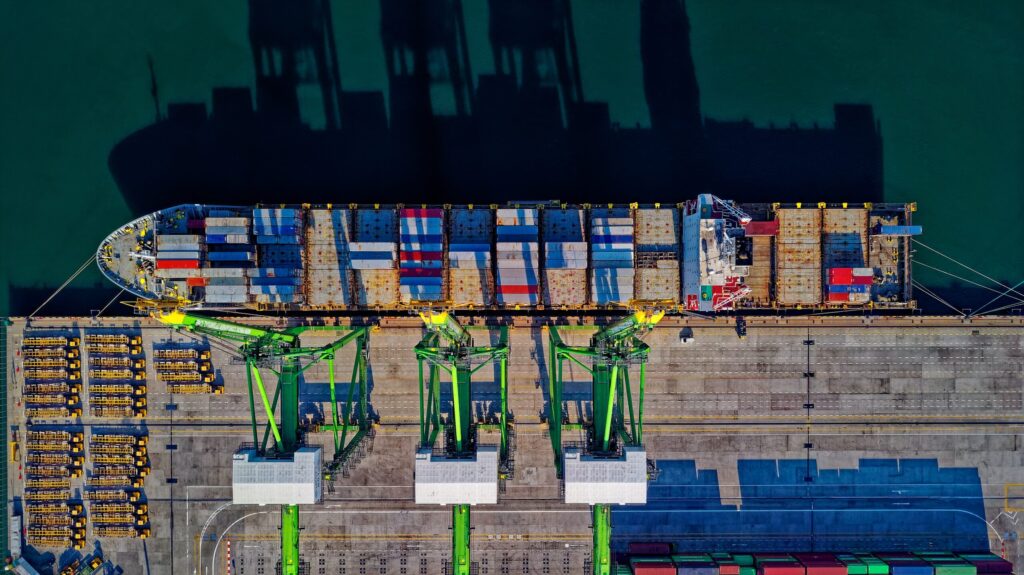
Oman’s export sector is undergoing a significant transformation, with recent data shedding light on its shifting trends and challenges. Non-oil exports have experienced a notable decline of nearly 12% in the first five months of 2023, attributed largely to reduced shipments to the United States. On the other hand, re-exports have surged by 28.7%, fueled by growing economic activity and demand in the Gulf region. As Oman navigates these changes, focusing on diversification, regional relationships, and sectoral adaptability remains crucial to ensuring a resilient export economy.
Jordan’s Economic Resilience in the Face of Global Challenges

Jordan’s recent governmental forum on the shores of the Dead Sea highlighted the nation’s financial resilience in a turbulent global economy. Minister of Planning and International Cooperation Zina Touqan emphasized the importance of global economic trends in shaping Jordan’s fiscal strategies. The forum underlined the urgent need to fund the Jordanian response plan to the Syrian refugee crisis, with only 9 percent of requirements being met so far.
Oman’s Minister Spearheads Global Economic Dialogue at G20 Summit

Qais al Yousef, Oman’s Minister of Commerce, Industry, and Investment Promotion, is leading a prominent delegation to the G20 Trade and Investment Ministerial Meeting in Jaipur, India, followed by the B20 Forum in New Delhi. Amidst the backdrop of ‘One Earth, One Family, One Future,’ the discussions will rejuvenate multilateral trade for global growth, leverage technology for seamless transactions, and fortify resilient trade mechanisms. Yousef’s participation underscores Oman’s commitment to fair, rules-based global trade, aligning with the visionary Oman Vision 2040 while emphasizing the pivotal role of technology in fostering inclusive economic progress and sustainable development.
Jordanian Dinar Shows Resilience; Exchange Rate Trends in 2022
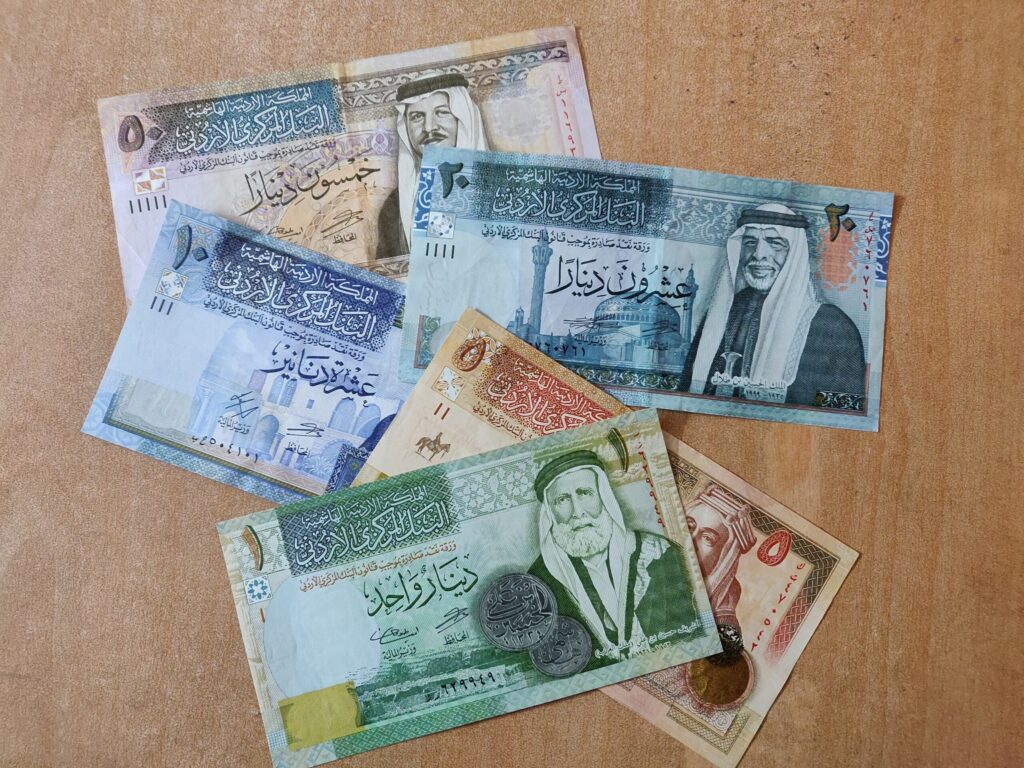
The Jordanian Dinar showcased its resilience in 2022, with a notable rise in its exchange rate against major global currencies. The annual report from the Jordanian Central Bank unveiled an increase of 6.9 percent against the Euro, 9.1 percent against the British Pound, and a significant 18.6 percent against the Japanese Yen. This positive trend reflects Jordan’s stable economic foundation and well-considered monetary policies. The Central Bank’s steadfast commitment to a fixed exchange rate policy against the US Dollar since 1995 has bolstered economic stability and instilled investor confidence in the country’s financial landscape.
The Philippine Economic Landscape, Challenges and Prospects Amidst Shifting Tides

As highlighted by recent OECD adjustments, the Philippine economy stands at a crossroads in 2023. A slightly lowered growth projection of 5.6% reflects the intricate interplay of factors, including the impact of high interest rates on pent-up demand. The first quarter’s robust economic expansion was juxtaposed with higher inflation and borrowing costs, resulting from assertive monetary tightening. The role of government spending is expected to drive recovery in the second semester, countering a second-quarter contraction. Meanwhile, influenced by various factors, inflation dynamics add complexity to the economic landscape, necessitating a careful balance between growth and inflation control.
Bank of England Set to Tackle Inflationary Pressures with Potential Interest Rate Hike

The Bank of England’s potential interest rate hike reflects its commitment to tackling inflationary challenges and ensuring economic stability. As global central banks grapple with rising inflation, striking the right balance between curbing consumer spending and supporting sustainable growth remains a top priority. The UK’s economic resilience, as forecasted by the IMF, presents a glimmer of hope amid uncertainties. The BoE’s measured approach in implementing interest rate adjustments will be instrumental in steering the economy towards a path of long-term prosperity and financial well-being.
Philippines Faces Hot Money Outflows Amid Global Economic Uncertainty
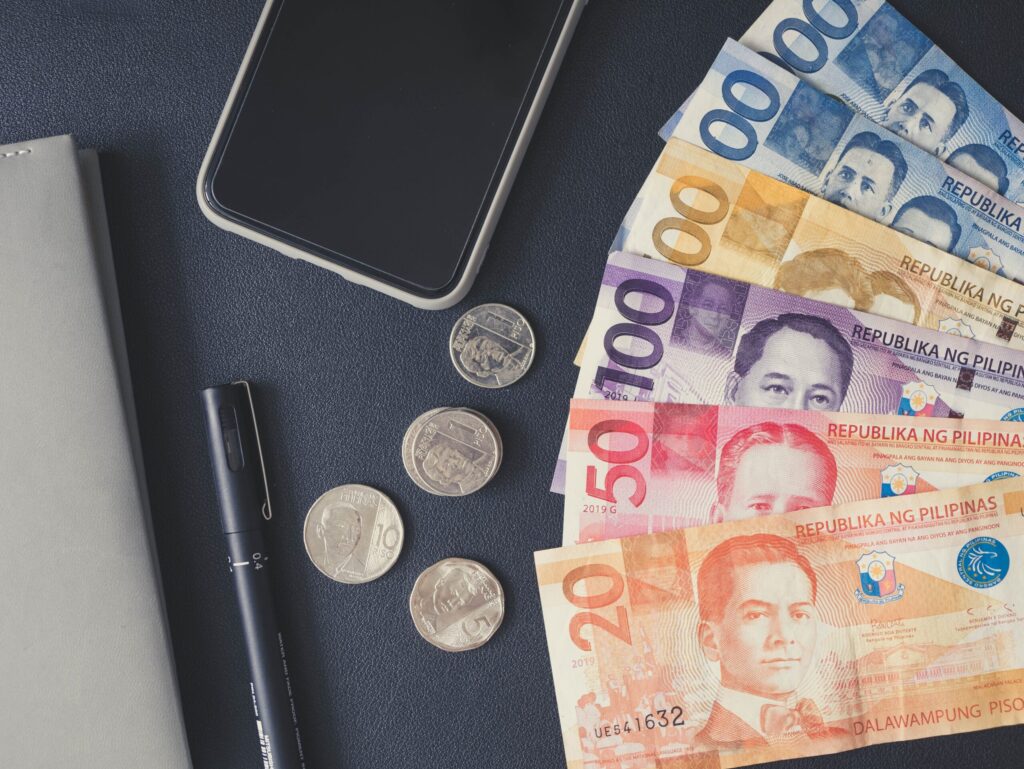
Amidst a backdrop of global economic uncertainty, the Philippines has witnessed a notable outflow of speculative funds, totalling $805 million in the first five months of the year. As hot money investments decrease and concerns over inflation and interest rates persist, international investors reevaluate their positions. Despite these challenges, key sectors such as banking, food and beverage, and property continue to attract investments. With the Bangko Sentral ng Pilipinas (BSP) implementing measures to stabilize the economy and inflation, the country’s economic outlook remains cautiously optimistic.
Middle East’s Asset Management Industry Navigates Growth Challenges and Seeks New Avenues

The Middle East’s asset management industry defies economic headwinds with $1.3 trillion in assets under management, marking a remarkable 7 percent compound annual growth rate. While outperforming European and American peers, leaders in the region face a critical turning point. They must reassess strategies to regain profit growth and navigate a changing landscape. Prioritizing profitability, exploring high-growth alternative investments, and embracing technology for personalized client experiences are key strategies for success. The industry’s resilience and adaptability position it for continued growth in the Middle East’s dynamic market.
Middle East’s Asset Management Industry Outperforms Global Trends, Fosters Transformation

In a remarkable feat, the asset management industry in the Middle East has defied global economic challenges, recording a growth rate of 7% in 2022 and reaching a staggering $1.3 trillion in assets under management. This accomplishment starkly contrasts the global trend, where the asset management industry witnessed a decline of 10%. According to a Boston Consulting Group (BCG) report, asset managers in the region are urged to transform their businesses in the face of market uncertainties, fee compression, rising costs, and technological advancements. The Middle East’s positive growth outlook, driven by higher oil income and favourable equity market developments, sets it apart from its global counterparts. However, the report emphasizes the need for asset managers to adapt and diversify their revenue streams while leveraging technology to create unique client experiences. This transformation is crucial for sustained profitability in an ever-changing market landscape. By embracing change and exploring alternative investments, asset managers in the Middle East can position themselves as leaders in the global market.