

Global Tensions and Rising Oil Prices Dent Indian Markets

The Indian stock market faced a challenging start to the week, with global volatility and heightened oil prices stemming from escalating Middle East tensions taking a toll. Market indices, particularly the Nifty 50 and Sensex, experienced early declines, largely influenced by losses in financial services and banking sectors. Despite this, small- and mid-cap stocks held their ground, indicating domestic investors’ resilience. Concerns were raised about the potential ripple effects on India’s economy and markets if the Middle East conflict leads to a significant oil price surge. Individual stocks, like Avenue Supermarts and Delta Corp, were also impacted, while HDFC Bank’s eagerly awaited quarterly results added to the market’s uncertainty.
Middle East Tensions Roil Global Markets as Oil Prices Surge

The sudden escalation of conflict in the Middle East sent shockwaves across global markets. Oil prices surged by almost $5 a barrel as concerns grew over potential disruptions to crucial oil supplies due to the involvement of neighbouring Middle Eastern countries. The New York Stock Exchange saw initial declines, with defence companies like Lockheed Martin experiencing gains, while travel and leisure sectors faced setbacks due to service suspensions. Israel’s stock market remained volatile, prompting intervention by its Central Bank to stabilize the shekel. The unfolding situation in the Middle East continues to unsettle global markets, raising concerns about inflation and economic growth.
Global Financial Landscape Awaits Bank of England’s Decision Amid US Rate Hikes

As economic observers hold their breath, the Bank of England stands at a critical crossroads, its response poised to resonate worldwide. After a series of interest rate hikes over the last two years, the Bank faces the prospect of aligning its policies with the potential rate increases by the US Federal Reserve. This juncture underscores the intricate dance of central banks in grappling with inflation and economic stability. The synchronicity between these key institutions amplifies the significance of their decisions, impacting currencies, trade, and investment strategies on a global scale. In an era of interconnected financial systems, the choices made by these central banks extend far beyond their borders.
Philippines Faces Hot Money Outflows Amid Global Economic Uncertainty

Amidst a backdrop of global economic uncertainty, the Philippines has witnessed a notable outflow of speculative funds, totalling $805 million in the first five months of the year. As hot money investments decrease and concerns over inflation and interest rates persist, international investors reevaluate their positions. Despite these challenges, key sectors such as banking, food and beverage, and property continue to attract investments. With the Bangko Sentral ng Pilipinas (BSP) implementing measures to stabilize the economy and inflation, the country’s economic outlook remains cautiously optimistic.
SEBI Aims to Streamline Grievance Redressal for Investors in India’s Financial Markets

SEBI, the guardian of India’s financial markets, is taking bold steps to empower investors and ensure their grievances are swiftly and fairly resolved. By integrating the SEBI Complaint Redress System (SCORES) with the Online Dispute Resolution Mechanism, SEBI provides a seamless platform for investors to seek redressal against regulated entities. This move, coupled with reduced timelines and a two-level review process, signifies SEBI’s commitment to enhancing transparency and accountability. Investors can now embark on their financial journey more confidently, knowing their concerns will be promptly addressed and their rights protected. SEBI’s initiatives lay the foundation for a thriving investment landscape where trust and integrity prevail.
Middle East’s Asset Management Industry Outperforms Global Trends, Fosters Transformation

In a remarkable feat, the asset management industry in the Middle East has defied global economic challenges, recording a growth rate of 7% in 2022 and reaching a staggering $1.3 trillion in assets under management. This accomplishment starkly contrasts the global trend, where the asset management industry witnessed a decline of 10%. According to a Boston Consulting Group (BCG) report, asset managers in the region are urged to transform their businesses in the face of market uncertainties, fee compression, rising costs, and technological advancements. The Middle East’s positive growth outlook, driven by higher oil income and favourable equity market developments, sets it apart from its global counterparts. However, the report emphasizes the need for asset managers to adapt and diversify their revenue streams while leveraging technology to create unique client experiences. This transformation is crucial for sustained profitability in an ever-changing market landscape. By embracing change and exploring alternative investments, asset managers in the Middle East can position themselves as leaders in the global market.
US Crypto Crackdown Regulators Target Coinbase and Binance, Raising Calls for Comprehensive Regulation

US regulators have intensified their scrutiny of major players to assert greater control over the burgeoning cryptocurrency industry. The Securities and Exchange Commission (SEC) recently filed a lawsuit against Coinbase, the largest digital currency trading platform in the United States, for failing to register as a securities exchange venue. This legal action comes just a day after similar charges were brought against Binance, a prominent cryptocurrency exchange, and its founder, Changpeng Zhao.
Analysis: Brazil central bank autonomy becomes political punching bag for Lula
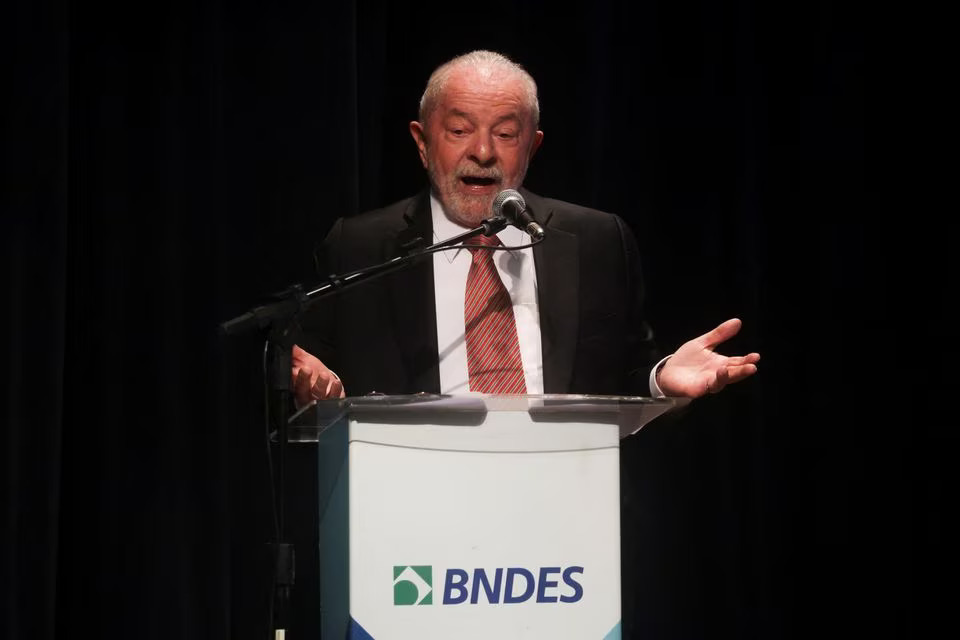
Brazil’s central bank newfound independence that was designed to shield it from politics has turned it into a convenient punching bag for the new government that can use it to fire up its leftist base and blame it for economic woes.
Bank of Japan makes surprise policy tweak

The Bank of Japan has slightly loosened the shackles on its 10-year yield target and said it will review the operation of its yield-curve control policy, surprising financial markets and sending the yen sharply higher.
NatWest shares plunge after warning on rising costs
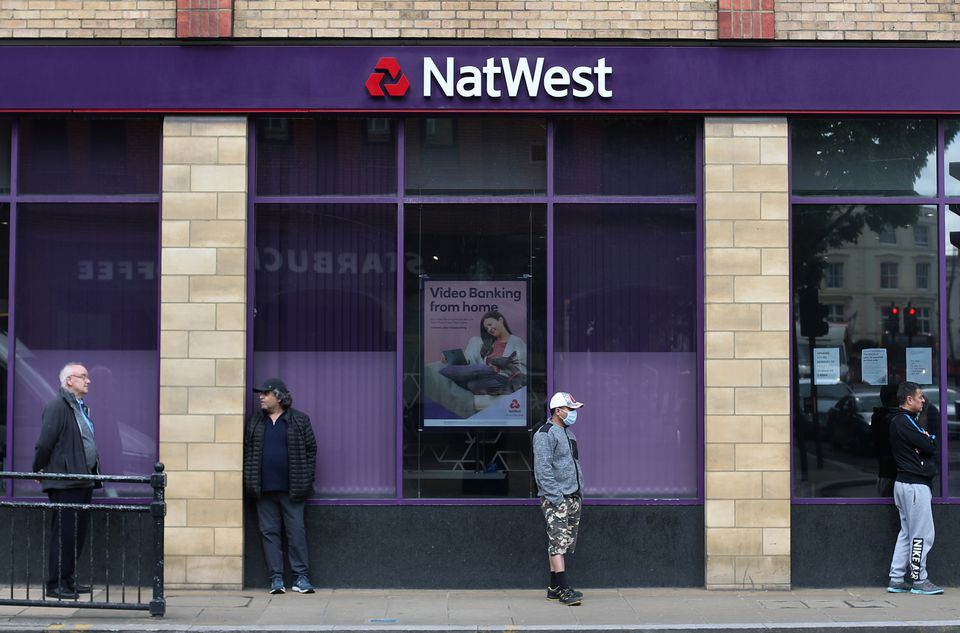
NatWest’s shares fell as much as 9% on Friday after the British bank warned of rising costs, and as its third-quarter results were hit by a deteriorating UK economic outlook that prompted an increase in bad debt provisions.