

Kuwait Seeks Support for UN Human Rights Council Membership

Kuwait’s Prime Minister, Sheikh Ahmad Nawaf Al-Ahmad Al-Jaber Al-Sabah, has passionately appealed to UN member states during the 78th UN General Assembly session in New York. His message urged countries to support Kuwait’s bid for membership in the UN Human Rights Council for the 2024-2026 term, with elections scheduled for October next year. Kuwait’s goal is to represent the developing world and work collaboratively to find equitable solutions to human rights issues in accordance with international law and UN resolutions. This move underscores Kuwait’s commitment to multilateralism and the principles of the United Nations Charter, focusing on international peace, security, and the well-being of humanity. Kuwait’s potential role in the UN Human Rights Council signifies its dedication to advancing global human rights efforts.
Thailand’s New Prime Minister Pledges Swift Action on Economic Challenges

In his inaugural address to Parliament, Thailand’s new Prime Minister, Srettha Thavisin, has set a proactive agenda for addressing the nation’s economic woes. With the pandemic’s impact on the vital tourism industry and rising debt levels, he emphasized the urgency of these measures. Of particular note is the proposed 10,000-baht ($280) handout to stimulate short-term spending, though its long-term effectiveness remains a subject of debate. The government also outlined ambitious long-term goals, including bolstering international trade, supporting start-ups, and enhancing agricultural production, signaling a comprehensive approach to economic revitalization. Additionally, plans for political reforms, particularly involving the military’s role, were diplomatically addressed to ensure transparency and cooperation.
Exclusive: Peru mines on power despite protests, though halt risk looms
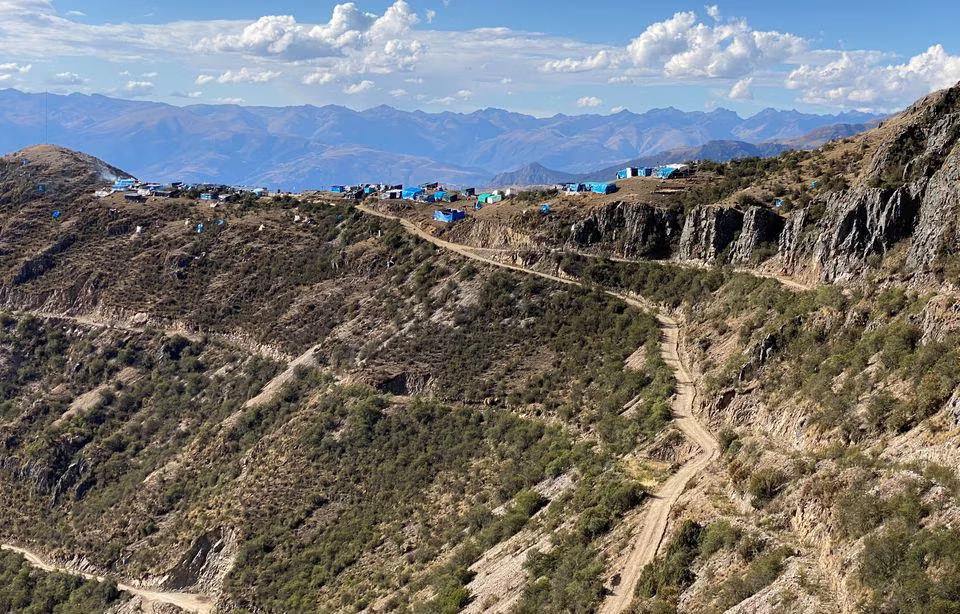
Peru’s biggest copper mines have been able to maintain production despite road blockades, attacks and protests that have roiled the Andean nation for over two months and led to warnings of production halts, an analysis showed on Wednesday.
Shares dip, dollar strengthens as markets eye U.S. inflation data

Shares dipped slightly and the dollar firmed on Thursday, ahead of U.S. inflation data that will influence the Federal Reserve’s rate plans, while the likely collapse of a major digital asset exchange rattled crypto investors.
India’s first fully solar village lights up the lives of poor residents
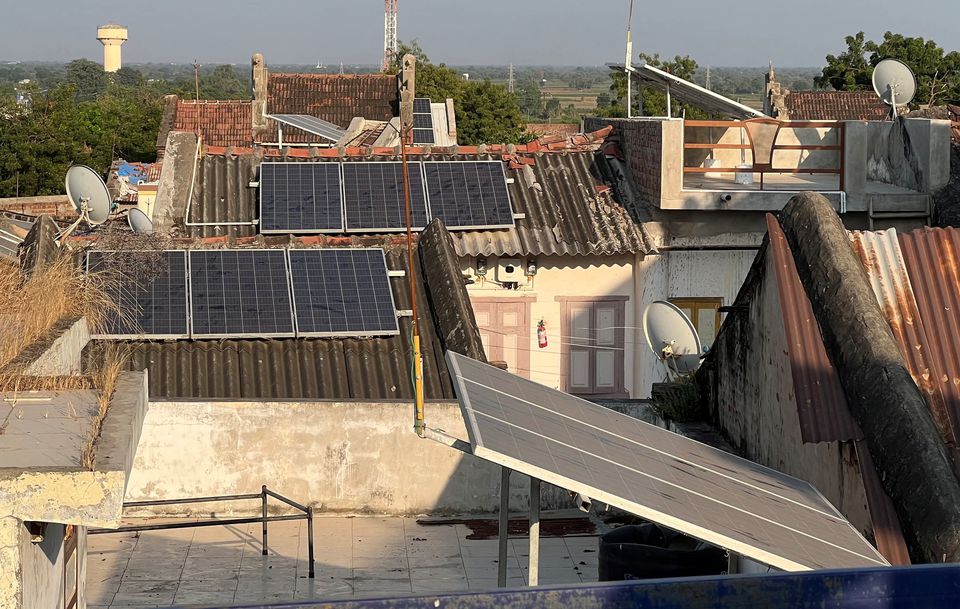
These days, Prajapati, 68, from the village of Modhera in western India’s Gujarat state, has doubled the amount of earthenware he makes compared to a few months ago since he no longer has to turn the wheel manually as he could not then afford high electricity bill that were up to 1,500 Indian rupees ($18.19) a month.
Analysis: Massive turnaround for stocks puts traders on alert for more volatility
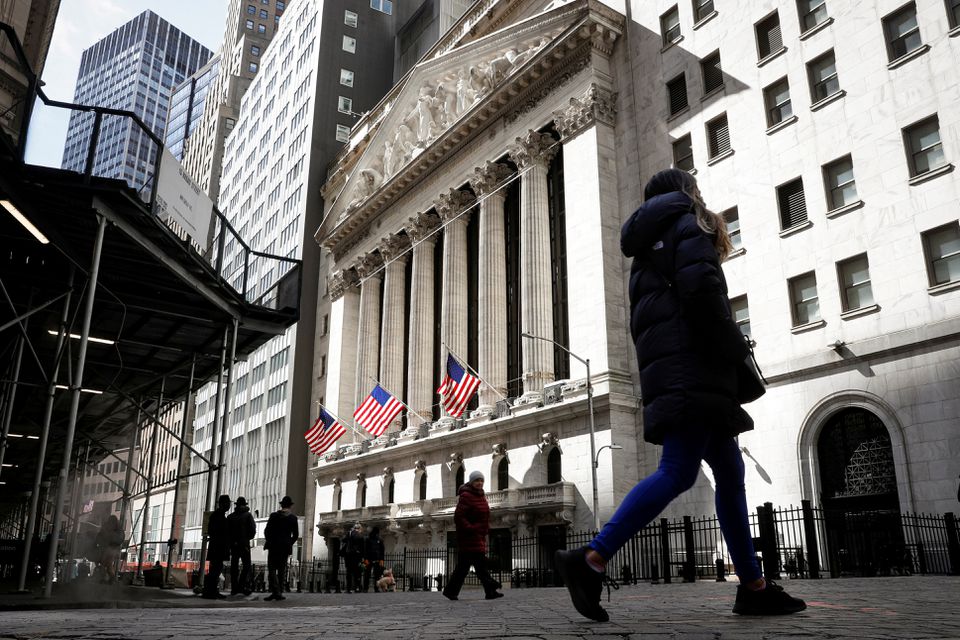
An eye-popping turnaround in stocks may be less bullish than hoped for, with traders saying short-term hedging activity buoyed equities while leaving the market’s grim fundamentals unchanged.
U.S. marshals other nations, challenges OPEC+ with release of oil reserves
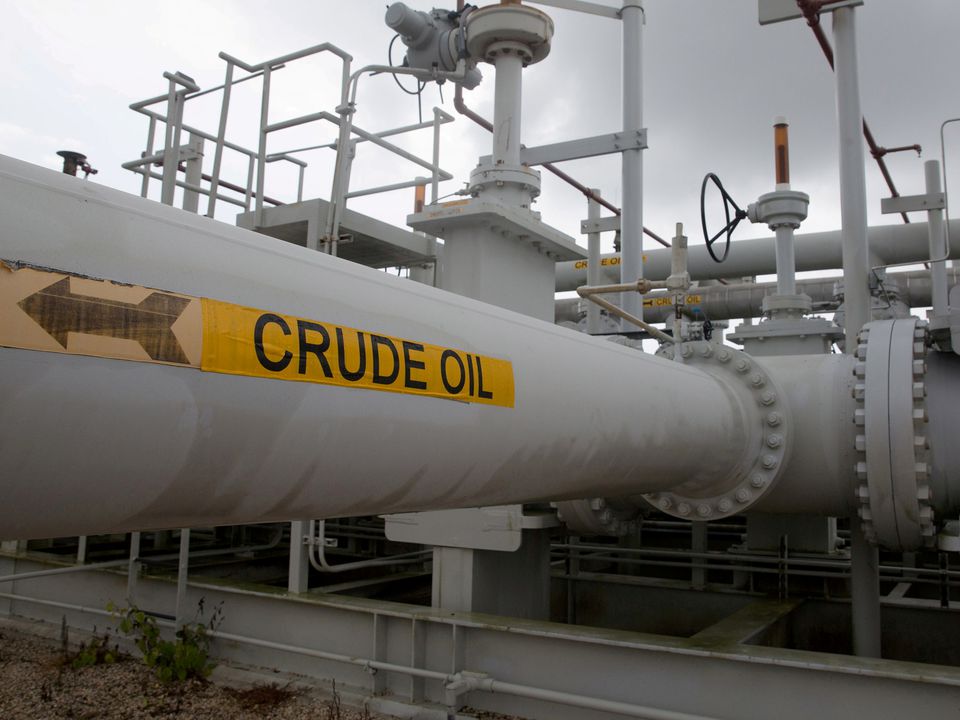
The administration of U.S. President Joe Biden announced on Tuesday it will release millions of barrels of oil from strategic reserves in coordination with China, India, South Korea, Japan and Britain, to try to cool prices after OPEC+ producers repeatedly ignored calls for more crude.
Analysis: Valuing Argentina’s peso: It could cost the Peronists an election
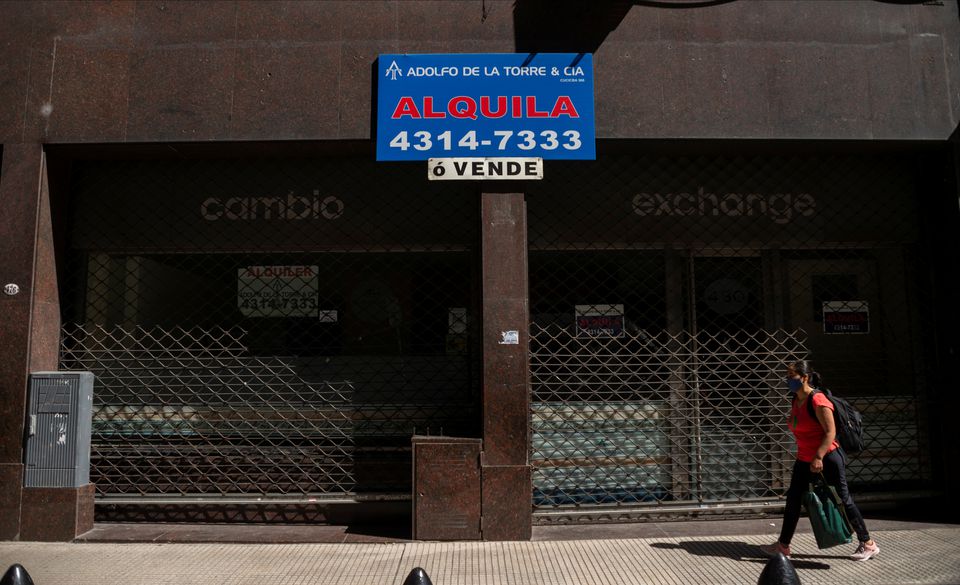
Argentina’s embattled currency could cost the ruling Peronist party an election – and its key majority in the Senate.