

The Case for Lowering Interest Rates Amidst Inflation Concerns

In a delicate economic balancing act, the Bank of England faces a pivotal decision on interest rates. The prevailing debate centers on whether to raise the Bank Rate to 5.5% or keep it at the current 5.25%. However, this discussion may be misdirected. The critical question at hand should be whether a cut to 5% or maintaining the status quo is the more reasonable course of action. This article presents a compelling case for an interest rate cut in a bid to counterbalance the challenges posed by inflation while averting the looming risk of an economic recession.
The Bank of England’s Vigilant Monitoring of Interest Rates Maintains Stability in the Face of Economic Uncertainty

The Bank of England’s upcoming interest rate decision underscores the fine balance it must strike in managing inflation and supporting the economy in the post-pandemic era. Recent comments from officials suggest confidence in the impact of previous rate hikes on tempering inflation, but the economic landscape remains uncertain. With rising inflation and fluctuating economic data, the MPC faces the challenge of making a well-informed decision. While a majority is expected to favor unchanged rates, some more hawkish members will likely push for a slight rate hike. The decision aligns with global central banks’ efforts to combat inflation while nurturing economic growth.
UK Government Appoints Experienced Economist to Budget Responsibility Committee

The UK’s pursuit of economic stability takes a step forward as Finance Minister Jeremy Hunt nominates Tom Josephs for a vital role in the Office for Budget Responsibility (OBR). Josephs’s diverse background, including his current position as Director of Private Pensions at the Department for Work and Pensions, makes him a prime candidate to join the Budget Responsibility Committee (BRC). His experience in domestic and international economic analysis and history at the OBR positions him to provide valuable insights into the country’s fiscal planning. With approval from the Treasury Committee, Josephs’s potential appointment adds a knowledgeable voice to the economic forefront.
India’s retail inflation breaches RBI’s tolerance level first time since October

India’s annual retail inflation in January rose above the central bank’s upper threshold for the first time in three months, on higher food prices, vindicating last week’s hawkish monetary policy stance
Analysis: Brazil central bank autonomy becomes political punching bag for Lula

Brazil’s central bank newfound independence that was designed to shield it from politics has turned it into a convenient punching bag for the new government that can use it to fire up its leftist base and blame it for economic woes.
Swiss National Bank posts record $143 billion loss in 2022
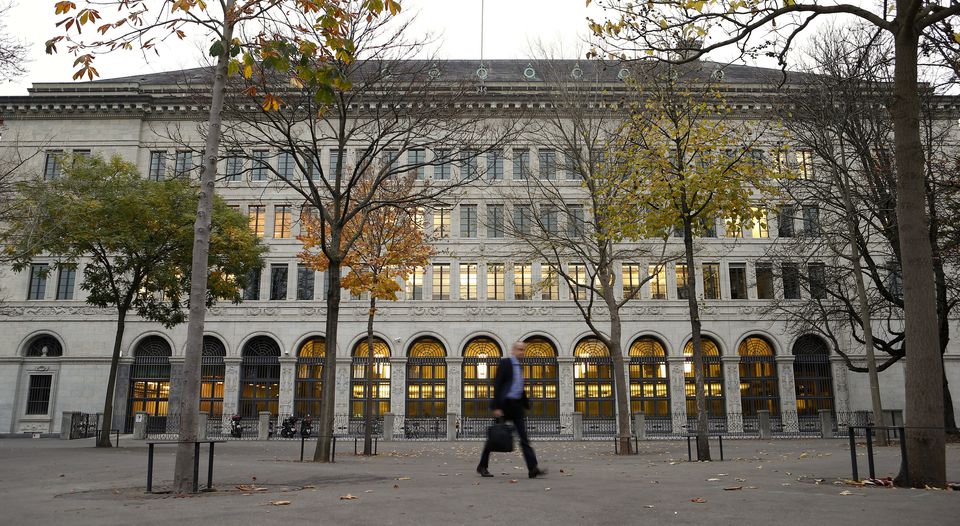
The Swiss National Bank posted an annual loss of 132 billion Swiss francs ($143 billion) in 2022, it said on Monday, the biggest in its 115-year history as falling stock and fixed-income markets hit the value of its share and bond portfolio.
ECB to slow rate hikes and lay out plans to drain cash
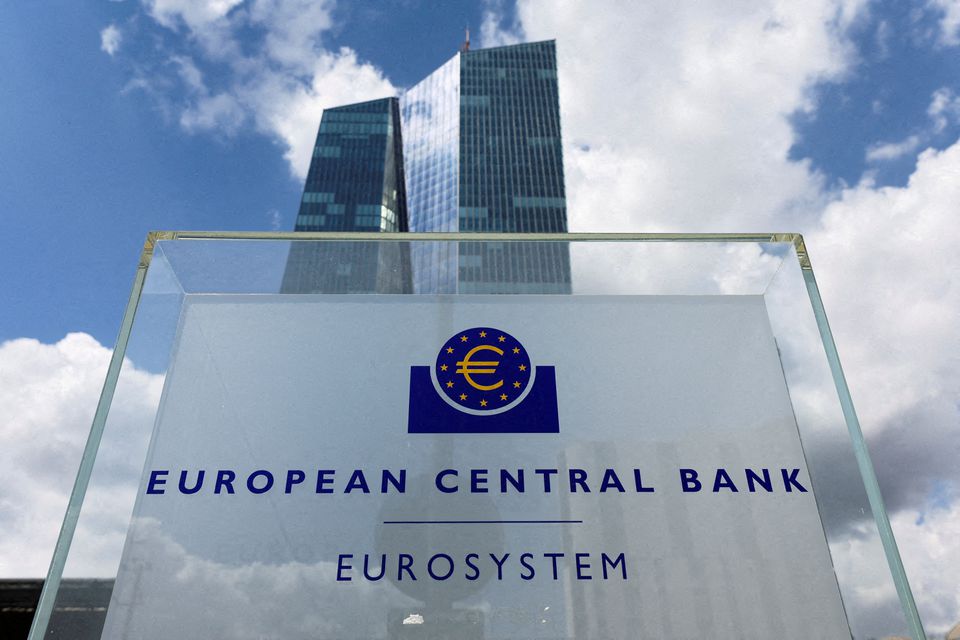
The European Central Bank is set to raise interest rates for the fourth time in a row on Thursday, although by less than at its last two meetings, and lay out plans to drain cash from the financial system as it fights runaway inflation.
UK labour market exodus drives jobless rate down to 3.5%

Britain reported a record jump in the number of people leaving the labour market in the three months to August, adding to the Bank of England’s inflation headaches.
Turkish bank stocks’ rollercoaster ride leaves investors reeling

Head-spinning volatility in Turkey’s banking shares has left investors reeling after a 100% stock market surge this year, driven by the highest available real returns, gave way to a sharp slide this week.
Swiss National Bank posts record H1 loss, says no policy impact

The Swiss National Bank (SNBN.S) reported a first-half loss of 95.2 billion Swiss francs ($100.08 billion) on Friday, the biggest six-month loss since the central bank was founded in 1907.