

Morocco’s Resilient Economic Outlook Amidst Structural Reforms

Amidst challenging economic circumstances, Morocco’s commitment to enacting structural reforms stands as a beacon of hope. Despite figures pointing to a widening budget deficit and high debt-to-GDP ratio, a closer look reveals a nuanced story. With a strategy that includes consolidating VAT rates, introducing a carbon tax, and curbing the public wage bill, Morocco’s approach shows a determined effort to secure its financial future. Backed by an IMF assistance program and a resilient spirit, the nation’s economic trajectory seems poised for positive growth. As Morocco navigates these complex waters, its dedication to reform highlights its potential to overcome obstacles and embrace prosperity.
The Delicate Balancing Act of Interest Rates, Bank of England’s Dilemma Amidst Persistent Inflation

Navigating the complexities of persistent inflation, the Bank of England faces a crucial dilemma. While some economists argue for sustained higher interest rates to combat firmly-rooted inflationary pressures, others predict this may lead to a mild recession. The Bank’s cautious approach, likened to the steady ascent of Table Mountain, aims to strike a balance between inflation control and economic stability. Recent economic resilience, with a 0.5% growth in July, muddles the picture, suggesting that a premature rate reduction might not be warranted. As the Bank monitors these variables, the path forward remains nuanced and pivotal for the UK’s economic trajectory.
India’s retail inflation breaches RBI’s tolerance level first time since October
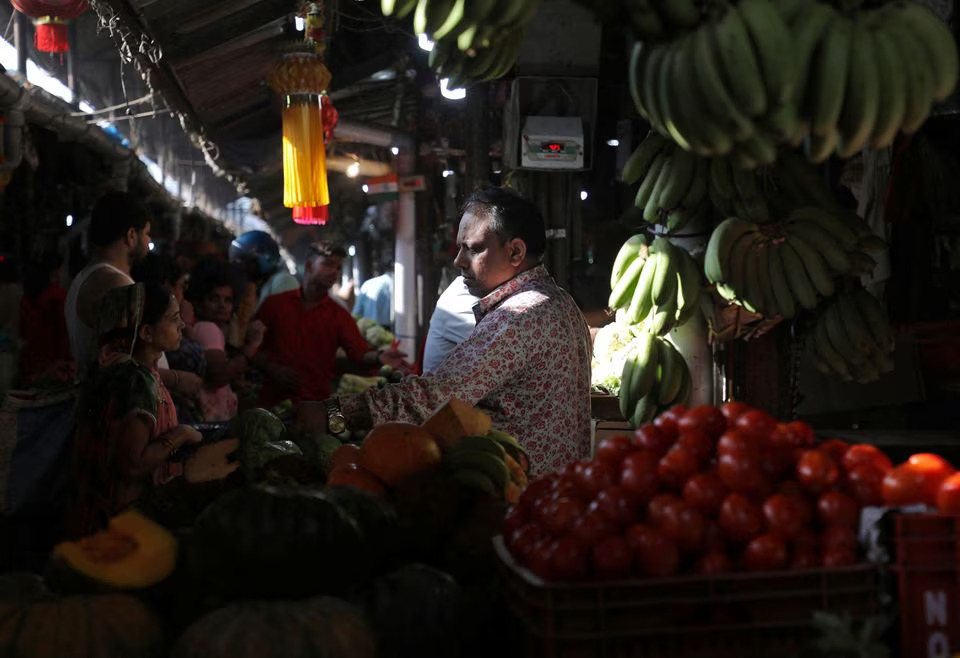
India’s annual retail inflation in January rose above the central bank’s upper threshold for the first time in three months, on higher food prices, vindicating last week’s hawkish monetary policy stance
China’s trade suffers worst slump in 2-1/2 yrs as COVID woes, feeble demand take toll
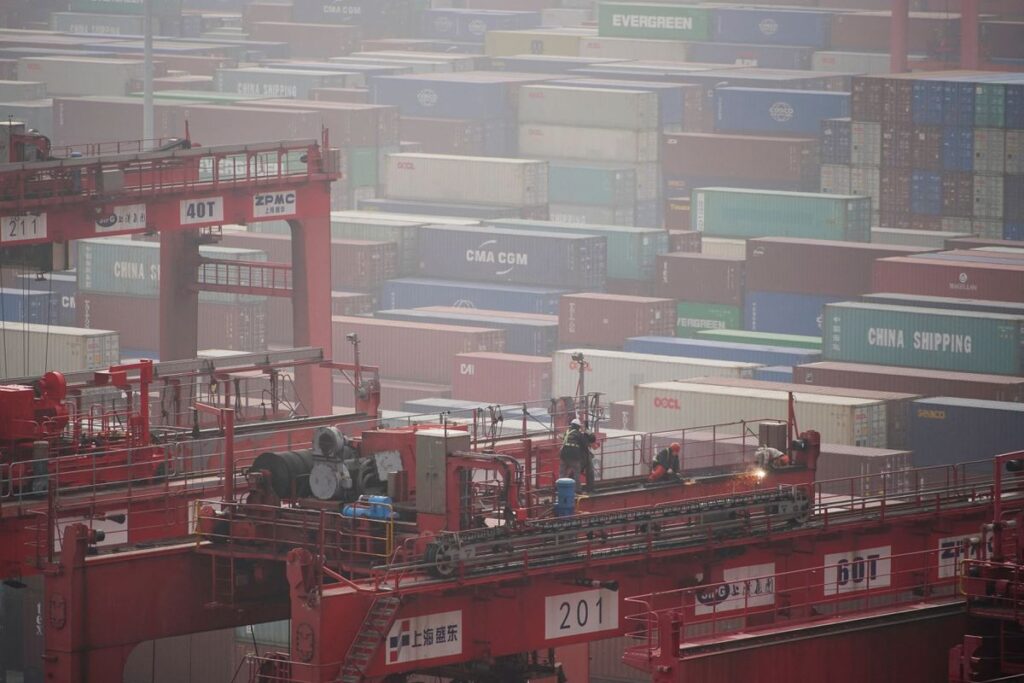
China’s exports and imports shrank at their steepest pace in at least 2-1/2 years in November, as feeble global and domestic demand, COVID-led production disruptions and a property slump at home piled pressure on the world’s second-biggest economy.
UK labour market exodus drives jobless rate down to 3.5%
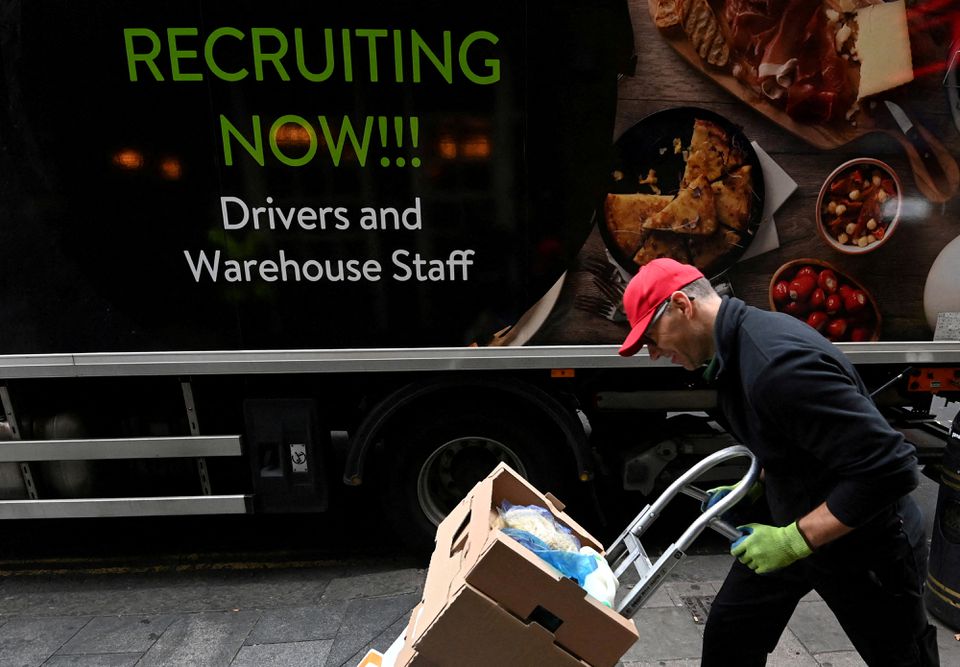
Britain reported a record jump in the number of people leaving the labour market in the three months to August, adding to the Bank of England’s inflation headaches.
Analysis: Sterling returns to the 1980s, and it may get cheaper still
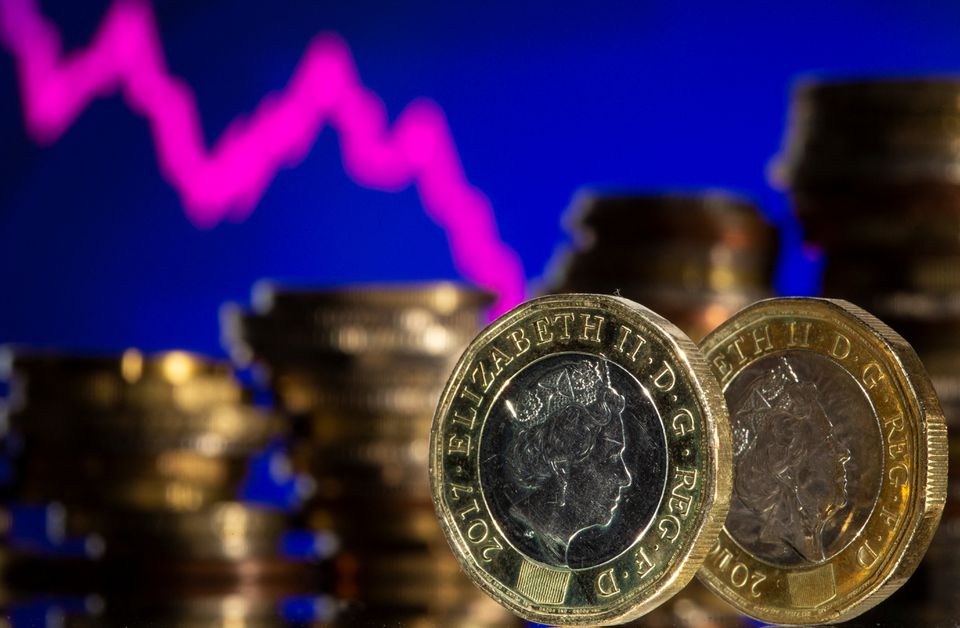
Sterling’s slide against the dollar to a rate last seen in 1985 has sparked talk of a dramatic spiral downwards that ends in a collapse in confidence in British assets and a balance of payments crisis.
European shares drop as policymakers seek to tame hot inflation
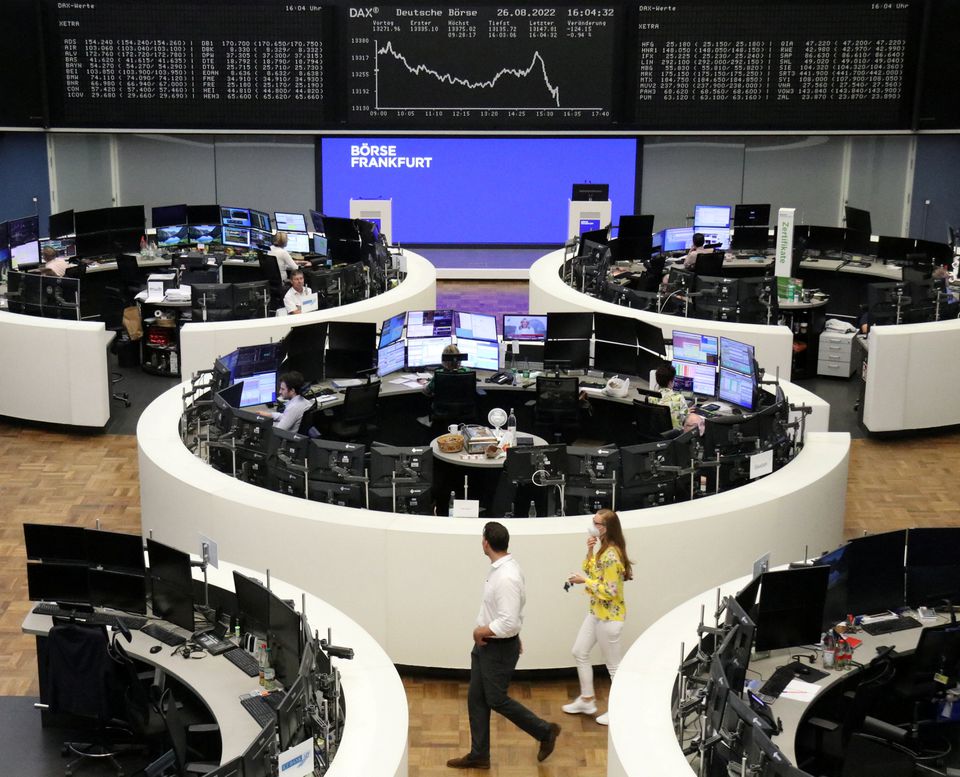
European shares dropped on Monday, while bond yields surged as comments from central bank policymakers heightened fears of aggressive measures to stamp out inflation amid rising risks of a recession.
Analysis: As Ukraine war drags on, Europe’s economy succumbs to crisis
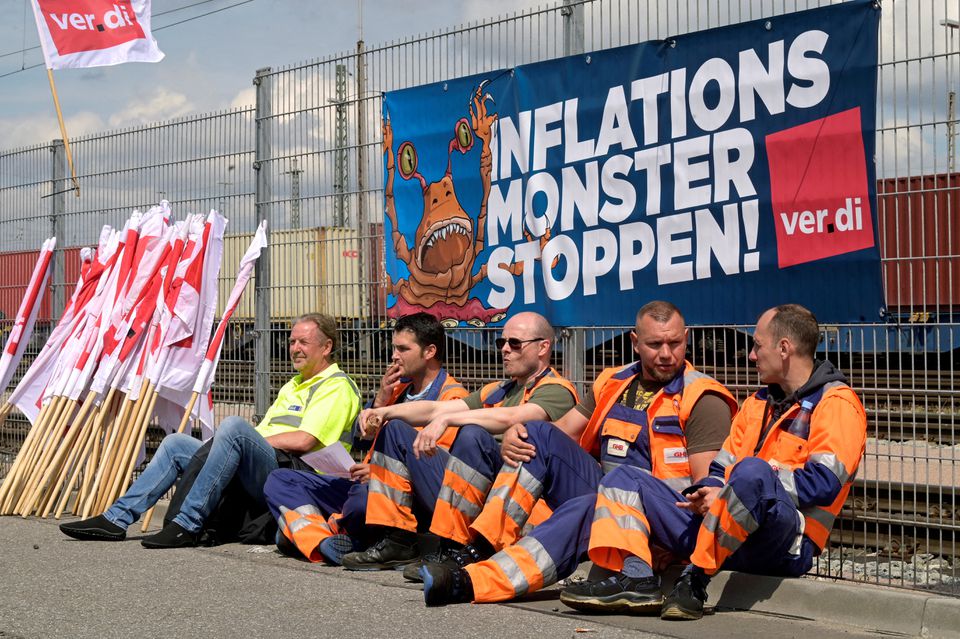
A post-pandemic spending euphoria, supported by copious government spending was set to drive the economy and help fatigued households regain a sense of normality after two dreadful years.
GLOBAL ECONOMY Global slowdown fears darken as cost of living bites
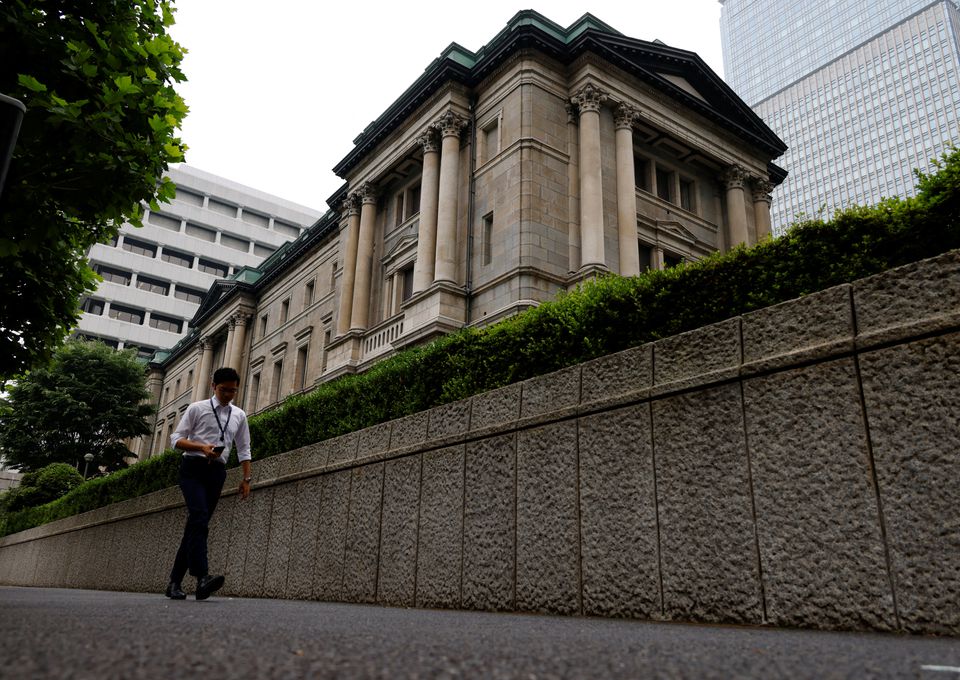
The global economy looks increasingly likely to be heading into a serious slowdown, just as central banks aggressively reverse ultra-loose monetary policy adopted during the pandemic to support growth, data showed on Friday.
Indonesia’s GDP speeds up on easing COVID-19 curbs, brisk exports

Indonesia’s economic growth accelerated in the final quarter of last year as consumption perked up following the easing of anti-virus mobility restrictions and as stronger commodity prices pushed exports to record highs.