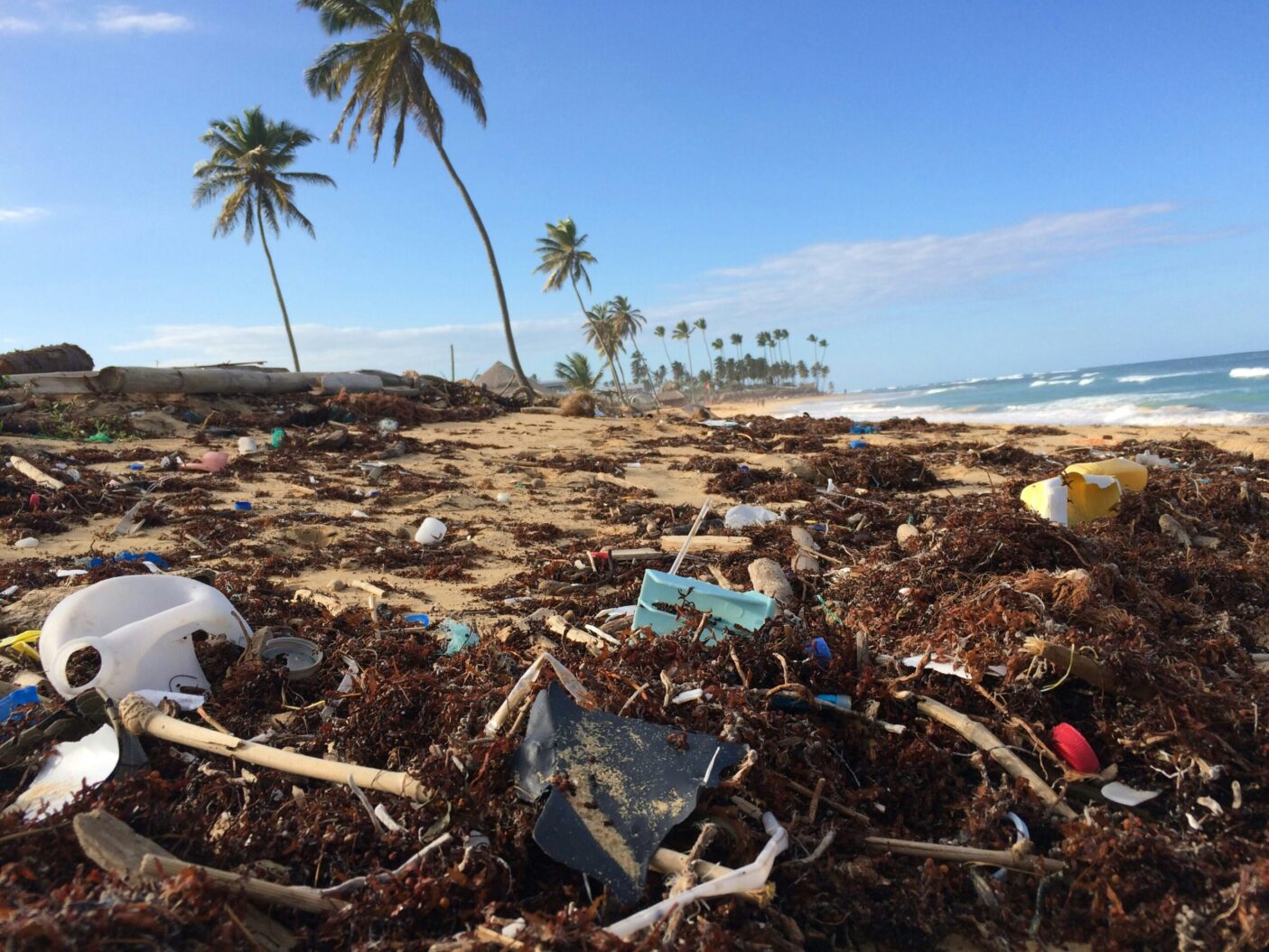
The Plastic Dilemma: America’s Growing Crisis and the Search for Sustainable Solutions
America’s plastic crisis: 40M tons waste yearly, 91% not recycled. Seeking sustainable solutions amid global bans and growing environmental concerns


America’s plastic crisis: 40M tons waste yearly, 91% not recycled. Seeking sustainable solutions amid global bans and growing environmental concerns
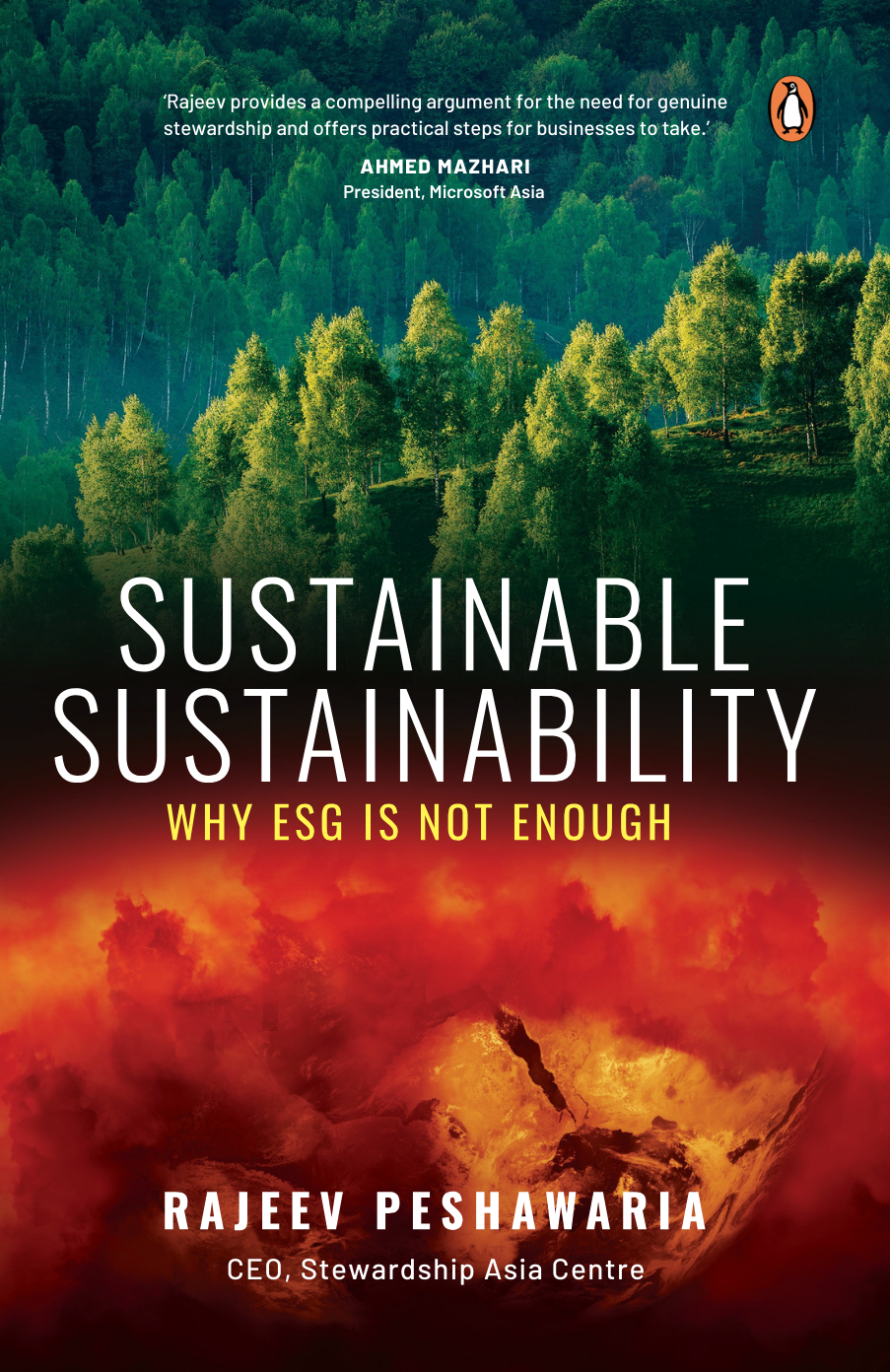
Stewardship Asia Centre (SAC) is pleased to announce that “Sustainable Sustainability: Why ESG Is Not Enough,” published by Penguin Random House, will be available for purchase from 21 November 2023.

The FA’s call for ‘extreme caution’ among football players and staff when commenting on the Middle East conflict reflects the growing importance of social responsibility in the sporting world. The directive highlights the potential impact of words in the era of instant communication and heightened sensitivity surrounding international conflicts. This proactive move serves as a reminder that athletes and public figures carry a broader responsibility in fostering respectful dialogue, even in the face of complex geopolitical issues. By urging restraint and sensitivity, the FA aims to ensure that football remains a unifying force rather than contributing to division. It also serves as a clear stance on potentially divisive phrases in a global sport.

The Sultanate of Oman is facing a formidable challenge with Cyclone Tej, which has intensified into a Category 3 storm and threatens to become a Category 4 cyclone. The region, particularly Dhofar, is on high alert due to the expected heavy rainfall and flash flood warnings. The authorities are actively working to evacuate residents from vulnerable areas, preparing shelters, and ensuring a swift emergency response. Safety measures, such as official holidays for employees and medical preparedness, have been put in place. Cyclone Tej underscores the urgency of climate resilience and proactive disaster management in today’s world.

An extraordinary plankton bloom off Thailand’s eastern coast is triggering concerns of a marine “dead zone,” posing a serious threat to local mussel farmers. The Gulf of Thailand is witnessing plankton levels over ten times the norm, turning the water vibrant green and decimating marine life. These blooms, usually brief, can unleash toxins and deplete oxygen and sunlight, harming the environment. In Chonburi, renowned for mussel farming, over 80% of nearly 300 plots are impacted, causing substantial losses for fishermen like Suchat Buwat, whose earnings have dropped by more than 500,000 baht ($14,000). Pollution and rising sea temperatures linked to climate change are suspected culprits behind this unprecedented event, emphasizing the need for sustainable resource management and climate action.

Bahrain’s agricultural sector has witnessed a remarkable upswing, with an impressive 36 percent rise in production, totaling nearly 13,000 tonnes of crops and fruits in 2022. The surge is attributed to factors such as the expansion of greenhouses, which increased by 54 percent over seven years, creating an ideal environment for year-round cultivation. This growth has been supported by a growing workforce, with over 4,300 individuals employed in the sector, including Bahraini nationals and expatriate workers. The nation’s agricultural success is further highlighted by a substantial export increase, soaring by 220 percent to $159 million in 2022. Amid global challenges, Bahrain’s agricultural achievements underscore its commitment to sustainable growth and food security.

Amidst the UK’s ambitious net zero carbon emissions target by 2050, a recent survey has shed light on the struggle small businesses face to comprehend and embrace the necessary changes. With just 8% of surveyed companies claiming a comprehensive understanding of the net zero implications, the British Chambers of Commerce (BCC) has urged the government for consistent guidance and an end to the “fog of conflicting information.” While more giant corporations are progressively disclosing their climate adaptation strategies, smaller entities are grappling with barriers such as EV charging infrastructure and renewable energy adoption. As the nation strives to achieve its net zero goal, collaboration and clarity are essential to empower businesses of all sizes.

The rise of environmental, social, and governance (ESG) investments has seen an increase in demand for such products in the asset management market. However, concerns around the lack of clear ESG standards and the potential for “greenwashing” have regulators proposing new rules and guidance. Asset managers must ensure their ESG products deliver genuine outcomes to meet regulatory standards, but face challenges in finding enough investable opportunities in the market. The creation of high carbon transition funds by large institutional investors may offer a solution to the traditional divestment approach, contributing to real economy emission reductions. Firms launching new ESG products must stay ahead of the evolving regulatory environment, with KPMG’s Asset Management team offering effective ESG strategies and regulatory analysis to stay competitive.

Democrats scored a major policy victory when the U.S. Senate passed a $430 billion climate change, healthcare and tax bill that will help reduce the carbon emissions that drive climate change while also cutting drug costs for the elderly.

Business associations for top U.S.-listed companies have pushed back against a landmark proposal by the Securities and Exchange Commission (SEC) to make corporate America disclose a range of greenhouse gas emission figures.
America’s plastic crisis: 40M tons waste yearly, 91% not recycled. Seeking sustainable solutions amid global bans and growing environmental concerns
Stewardship Asia Centre (SAC) is pleased to announce that “Sustainable Sustainability: Why ESG Is Not Enough,” published by Penguin Random House, will be available for purchase from 21 November 2023.
The FA’s call for ‘extreme caution’ among football players and staff when commenting on the Middle East conflict reflects the growing importance of social responsibility in the sporting world. The directive highlights the potential impact of words in the era of instant communication and heightened sensitivity surrounding international conflicts. This proactive move serves as a reminder that athletes and public figures carry a broader responsibility in fostering respectful dialogue, even in the face of complex geopolitical issues. By urging restraint and sensitivity, the FA aims to ensure that football remains a unifying force rather than contributing to division. It also serves as a clear stance on potentially divisive phrases in a global sport.
The Sultanate of Oman is facing a formidable challenge with Cyclone Tej, which has intensified into a Category 3 storm and threatens to become a Category 4 cyclone. The region, particularly Dhofar, is on high alert due to the expected heavy rainfall and flash flood warnings. The authorities are actively working to evacuate residents from vulnerable areas, preparing shelters, and ensuring a swift emergency response. Safety measures, such as official holidays for employees and medical preparedness, have been put in place. Cyclone Tej underscores the urgency of climate resilience and proactive disaster management in today’s world.
An extraordinary plankton bloom off Thailand’s eastern coast is triggering concerns of a marine “dead zone,” posing a serious threat to local mussel farmers. The Gulf of Thailand is witnessing plankton levels over ten times the norm, turning the water vibrant green and decimating marine life. These blooms, usually brief, can unleash toxins and deplete oxygen and sunlight, harming the environment. In Chonburi, renowned for mussel farming, over 80% of nearly 300 plots are impacted, causing substantial losses for fishermen like Suchat Buwat, whose earnings have dropped by more than 500,000 baht ($14,000). Pollution and rising sea temperatures linked to climate change are suspected culprits behind this unprecedented event, emphasizing the need for sustainable resource management and climate action.
Bahrain’s agricultural sector has witnessed a remarkable upswing, with an impressive 36 percent rise in production, totaling nearly 13,000 tonnes of crops and fruits in 2022. The surge is attributed to factors such as the expansion of greenhouses, which increased by 54 percent over seven years, creating an ideal environment for year-round cultivation. This growth has been supported by a growing workforce, with over 4,300 individuals employed in the sector, including Bahraini nationals and expatriate workers. The nation’s agricultural success is further highlighted by a substantial export increase, soaring by 220 percent to $159 million in 2022. Amid global challenges, Bahrain’s agricultural achievements underscore its commitment to sustainable growth and food security.
Amidst the UK’s ambitious net zero carbon emissions target by 2050, a recent survey has shed light on the struggle small businesses face to comprehend and embrace the necessary changes. With just 8% of surveyed companies claiming a comprehensive understanding of the net zero implications, the British Chambers of Commerce (BCC) has urged the government for consistent guidance and an end to the “fog of conflicting information.” While more giant corporations are progressively disclosing their climate adaptation strategies, smaller entities are grappling with barriers such as EV charging infrastructure and renewable energy adoption. As the nation strives to achieve its net zero goal, collaboration and clarity are essential to empower businesses of all sizes.
The rise of environmental, social, and governance (ESG) investments has seen an increase in demand for such products in the asset management market. However, concerns around the lack of clear ESG standards and the potential for “greenwashing” have regulators proposing new rules and guidance. Asset managers must ensure their ESG products deliver genuine outcomes to meet regulatory standards, but face challenges in finding enough investable opportunities in the market. The creation of high carbon transition funds by large institutional investors may offer a solution to the traditional divestment approach, contributing to real economy emission reductions. Firms launching new ESG products must stay ahead of the evolving regulatory environment, with KPMG’s Asset Management team offering effective ESG strategies and regulatory analysis to stay competitive.
Democrats scored a major policy victory when the U.S. Senate passed a $430 billion climate change, healthcare and tax bill that will help reduce the carbon emissions that drive climate change while also cutting drug costs for the elderly.
Business associations for top U.S.-listed companies have pushed back against a landmark proposal by the Securities and Exchange Commission (SEC) to make corporate America disclose a range of greenhouse gas emission figures.