
Analysis: Shrink to fit: the year Big Oil starts to become Small Oil
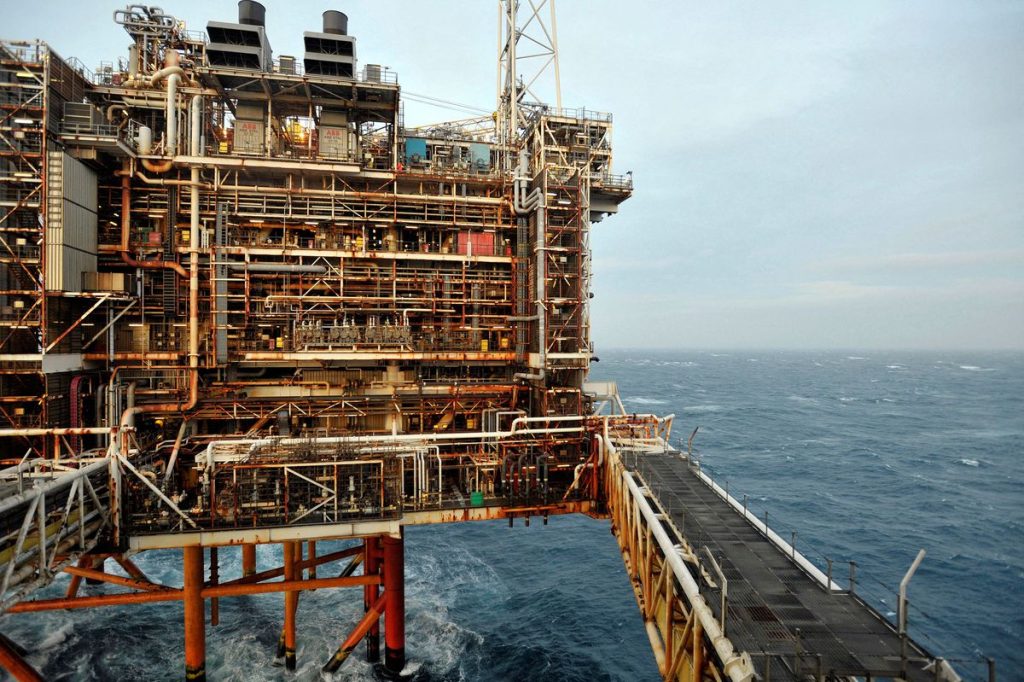
Europe’s Big Oil companies are planning to spend their windfall from high energy prices on becoming Small Oil.

Europe’s Big Oil companies are planning to spend their windfall from high energy prices on becoming Small Oil.

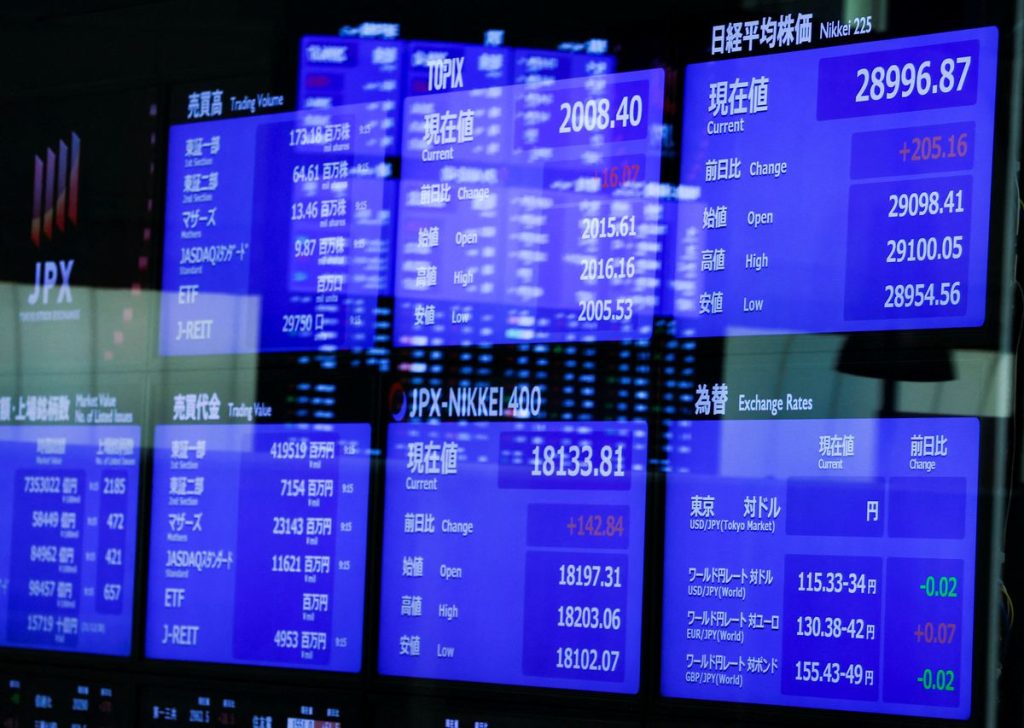
Stock markets struggled on Monday as U.S. Treasury yields reached a new two-year high and investors fretted about the prospect of rising interest rates and a surge in COVID-19 infections.

JPMorgan Chase & Co (JPM.N) plans to boost its private banking business headcount in Asia by more than 100 this year, two people with direct knowledge of the matter said, joining its peers in a push to grab a bigger share of the region’s wealth.

Euro zone inflation rose unexpectedly last month, likely making for more uncomfortable reading at the European Central Bank, which has consistently underestimated price pressures and come under fire for this from some of its own policymakers.

The dollar is set to notch broad weekly gains and could extend its rally if U.S. labour data due on Friday reinforces the case for early Federal Reserve interest rate hikes.

That the U.S. Federal Reserve will hike rates this year is a no brainer, surely? So the key question then is how fast will it tighten policy given uncomfortably high inflation.

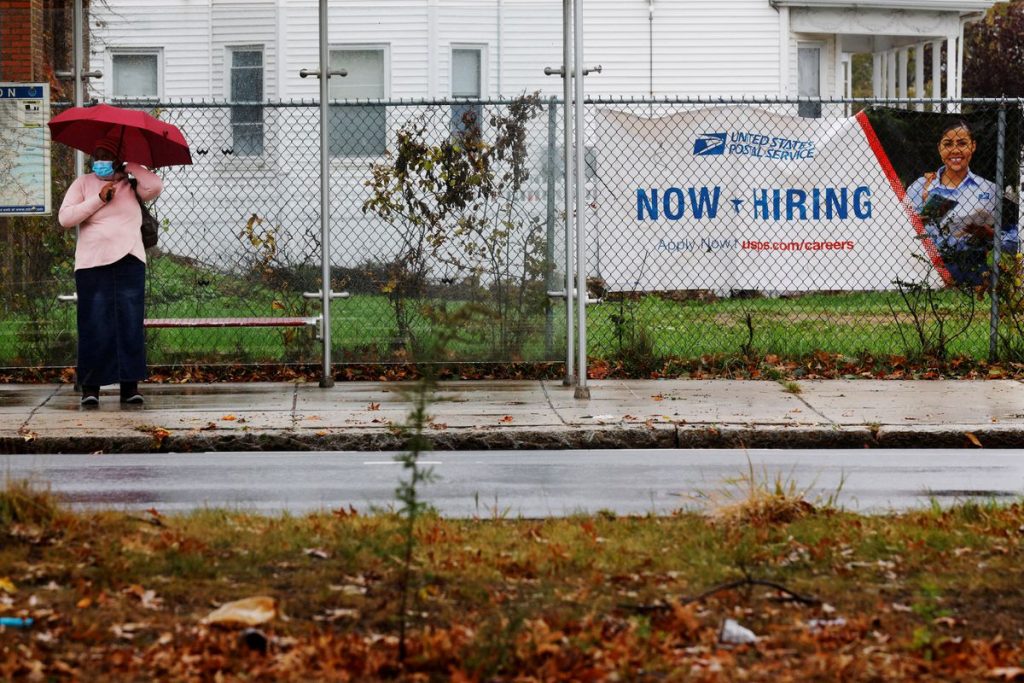
U.S. employment growth likely picked up in December, culminating in record job creation in 2021, but the labor market could temporarily lose its luster as raging COVID-19 infections cause disruptions at businesses and schools.

Royal Dutch Shell said it will pursue “at pace” a $7 billion share buyback largely funded from the sale of its U.S. shale business as it faces liquefied natural gas (LNG) outages and slower fuel sales due to the economic hit from Omicron.

Banks in Hong Kong including HSBC Holdings Plc (HSBA.L) and UBS Group AG (UBSG.S) are taking steps to reduce the number of people at the workplace after having operated at near full capacity for the past few months, as the city faces a spike in COVID-19 cases.

World food prices jumped 28% in 2021 to their highest level in a decade and hopes for a return to more stable market conditions this year are slim, the U.N.’s food agency said on Thursday.

Europe’s Big Oil companies are planning to spend their windfall from high energy prices on becoming Small Oil.

Stock markets struggled on Monday as U.S. Treasury yields reached a new two-year high and investors fretted about the prospect of rising interest rates and a surge in COVID-19 infections.

JPMorgan Chase & Co (JPM.N) plans to boost its private banking business headcount in Asia by more than 100 this year, two people with direct knowledge of the matter said, joining its peers in a push to grab a bigger share of the region’s wealth.

Euro zone inflation rose unexpectedly last month, likely making for more uncomfortable reading at the European Central Bank, which has consistently underestimated price pressures and come under fire for this from some of its own policymakers.

The dollar is set to notch broad weekly gains and could extend its rally if U.S. labour data due on Friday reinforces the case for early Federal Reserve interest rate hikes.

That the U.S. Federal Reserve will hike rates this year is a no brainer, surely? So the key question then is how fast will it tighten policy given uncomfortably high inflation.

U.S. employment growth likely picked up in December, culminating in record job creation in 2021, but the labor market could temporarily lose its luster as raging COVID-19 infections cause disruptions at businesses and schools.

Royal Dutch Shell said it will pursue “at pace” a $7 billion share buyback largely funded from the sale of its U.S. shale business as it faces liquefied natural gas (LNG) outages and slower fuel sales due to the economic hit from Omicron.

Banks in Hong Kong including HSBC Holdings Plc (HSBA.L) and UBS Group AG (UBSG.S) are taking steps to reduce the number of people at the workplace after having operated at near full capacity for the past few months, as the city faces a spike in COVID-19 cases.

World food prices jumped 28% in 2021 to their highest level in a decade and hopes for a return to more stable market conditions this year are slim, the U.N.’s food agency said on Thursday.
© | All rights reserved.