

Eurozone Inflation Eases in June: A Closer Look at Economic Indicators
Eurozone inflation eased to 2.5% in June, driven by slower food and energy price rises. However, inflation remains above the ECB’s 2% target, keeping vigilance high
Rising Global Risks Threaten UK Financial Stability

The Financial Policy Committee (FPC) emphasizes the need for proactive measures to mitigate risks and safeguard the nation’s financial well-being.
PwC Predicts a Turning Point for the UK

In a nuanced economic landscape, PwC’s 2024 forecast offers a beacon of hope for the UK, anticipating an upturn from the challenges of the post-pandemic era. Despite a dip in M&A activity in 2023, the projection outlines a positive shift with improvements in household finances, real incomes, and regional growth. The corporate sector, however, faces a potential rise in insolvencies, particularly affecting smaller businesses. Global defense orders surge amidst geopolitical tensions, adding a layer of complexity to economic predictions. Market dynamics, including a strengthened pound and energy price fluctuations, further contribute to the intricate economic tapestry awaiting the UK in the upcoming year.
Morocco’s Resilient Economic Outlook Amidst Structural Reforms
Amidst challenging economic circumstances, Morocco’s commitment to enacting structural reforms stands as a beacon of hope. Despite figures pointing to a widening budget deficit and high debt-to-GDP ratio, a closer look reveals a nuanced story. With a strategy that includes consolidating VAT rates, introducing a carbon tax, and curbing the public wage bill, Morocco’s approach shows a determined effort to secure its financial future. Backed by an IMF assistance program and a resilient spirit, the nation’s economic trajectory seems poised for positive growth. As Morocco navigates these complex waters, its dedication to reform highlights its potential to overcome obstacles and embrace prosperity.
Europe’s Shifting Stance on Nuclear Power and Its Impact on Clean Energy Goals
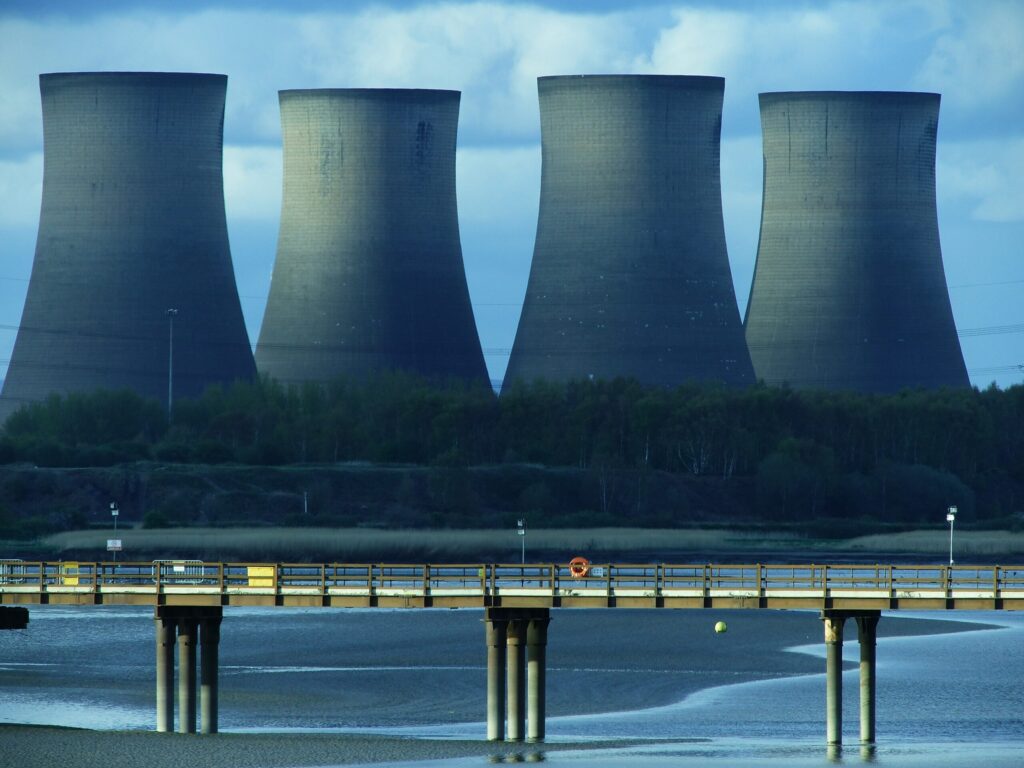
Europe’s evolving approach to nuclear power represents a significant shift in the continent’s clean energy strategy. The recent decision to allow nuclear energy for ammonia and hydrogen production is reshaping the conversation. While France stands to gain considerably due to its robust nuclear sector, the implications transcend its borders. This development has the potential to rejuvenate the nuclear industry across Europe as existing plants seek opportunities in the burgeoning hydrogen and ammonia markets. Despite persistent opposition, the decision underscores nuclear energy’s reemerging significance in Europe’s pursuit of cleaner energy solutions.
Russian Ruble’s Plunge Sparks Economic Concerns Amid Geopolitical Unrest
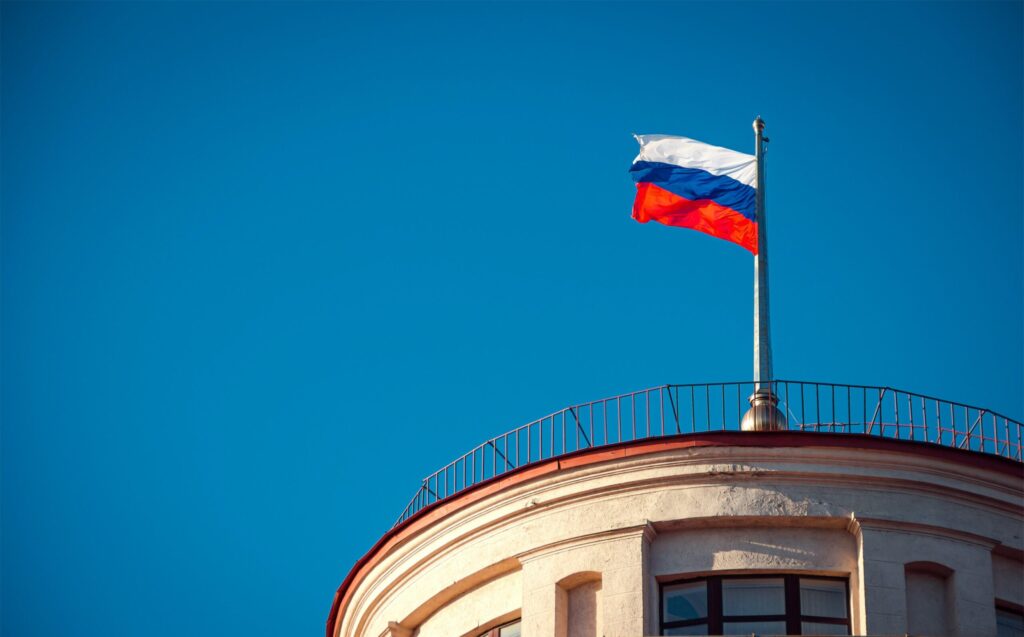
The Russian ruble’s recent nosedive to its lowest level in almost 17 months has raised significant alarm bells within the nation’s economy. As tensions escalate due to the ongoing conflict in Ukraine and the weight of Western sanctions, the ruble’s value has plummeted by more than 25% this year alone. Such a decline prompted the central bank to schedule an emergency meeting to evaluate its key interest rate, hinting at potential efforts to stabilize the currency. As the nation grapples with a complex mix of military expenditures, export challenges, and inflation risks, the future of the ruble and its implications on both the domestic and international fronts remain a pressing concern.
Rethinking the Role of Wage Growth in the UK’s Economic Recovery
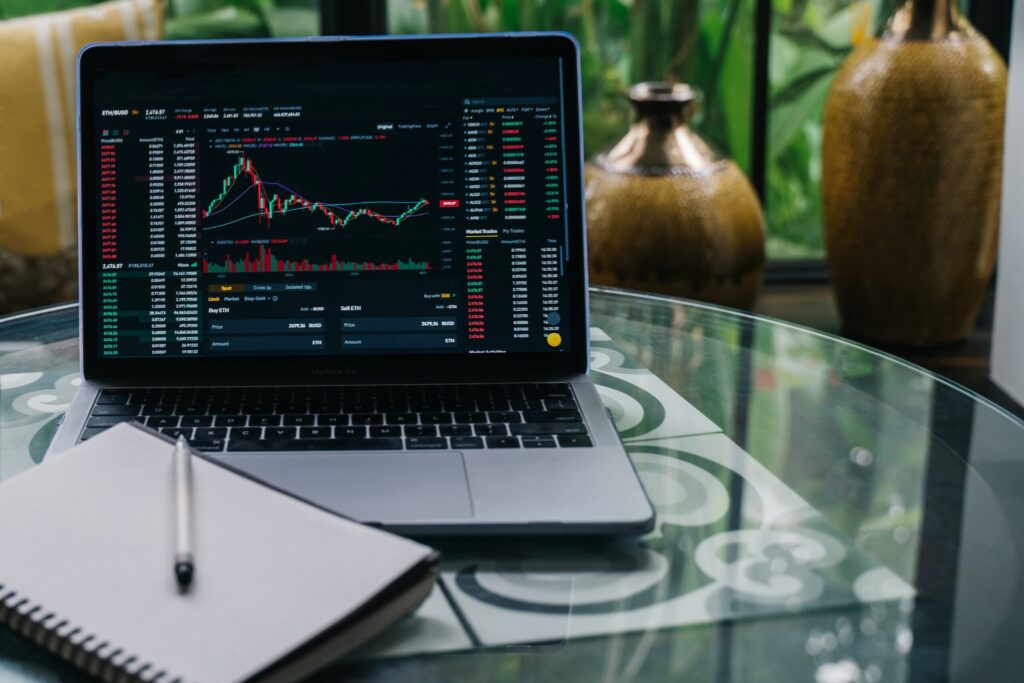
Given the evolving economic landscape, the Bank of England’s current emphasis on restraining wage growth warrants reconsideration. As inflation and the cost of living crisis loom, the approach to curtailing wage increases may need adjustment. Rising import prices, driven by global factors, initially contributed to inflation but have since reversed course. This shift should prompt a broader economic strategy that accounts for various dynamics, including demand, inflation, and policy implications. The Bank of England’s approach must adapt to navigate the intricate factors in the UK’s economic recovery.
Germany’s Battle to End the Ongoing Recession and Energy Crisis
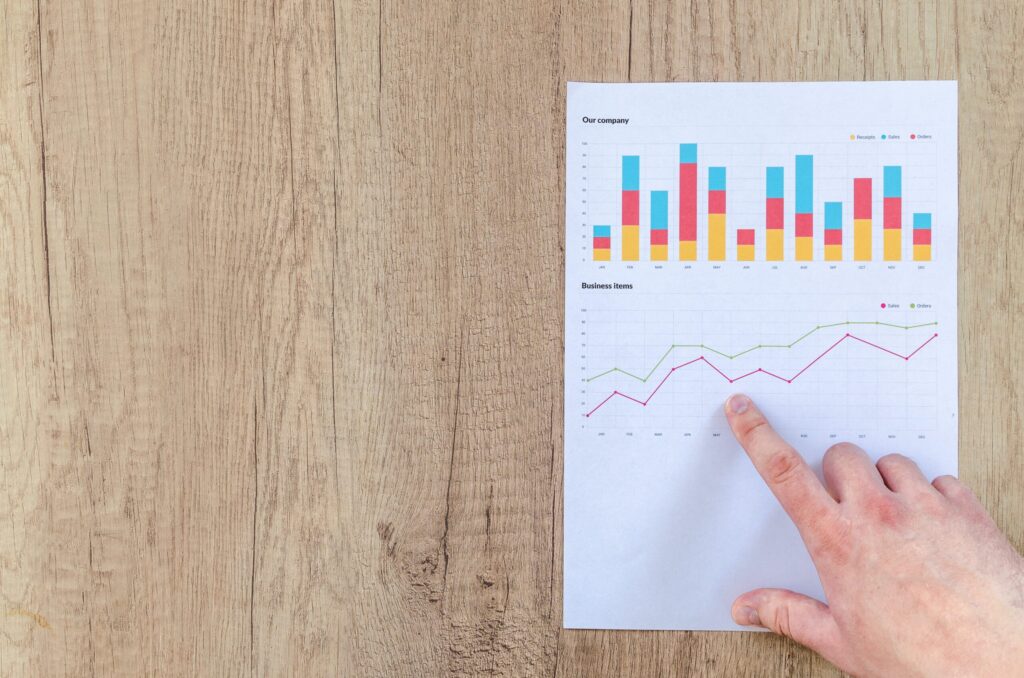
Germany once hailed as an economic powerhouse, now finds itself at a crossroads. Business leaders and experts are sounding the alarm as the nation grapples with a weakening economy and the challenges of transitioning to green energy. Soaring inflation, sluggish export markets, and high energy costs loom over Germany’s economic landscape, raising concerns about its future. Amid these difficulties, Chancellor Olaf Scholz envisions a new era of economic growth through the transition to renewable energy. However, skepticism remains as experts question the immediate benefits and exorbitant costs associated with this green revolution. Germany must confront its structural weaknesses, such as bureaucracy and an ageing population while addressing industry concerns and shifting dynamics. The road ahead may be challenging, but Germany’s resilience and adaptability will determine its success in securing a prosperous future.
St. Petersburg Economic Forum Implements Tighter Security Following Drone Threat Concerns

To prioritize the safety of attendees and high-profile guests, organizers of the St. Petersburg International Economic Forum (SPIEF) have implemented enhanced security measures, including the temporary disruption of mobile web access. The decision comes amid growing concerns over potential drone attacks, especially targeting President Vladimir Putin. As recent incidents have highlighted Russia’s evolving drone threat landscape, security precautions have been significantly heightened, reflecting the need to address these emerging challenges. Such measures aim to ensure a secure environment for participants, underscoring the importance of proactive security protocols in an ever-changing world.
Russia Emerges as India’s Dominant Oil Supplier, Surpassing Traditional Middle Eastern Sources
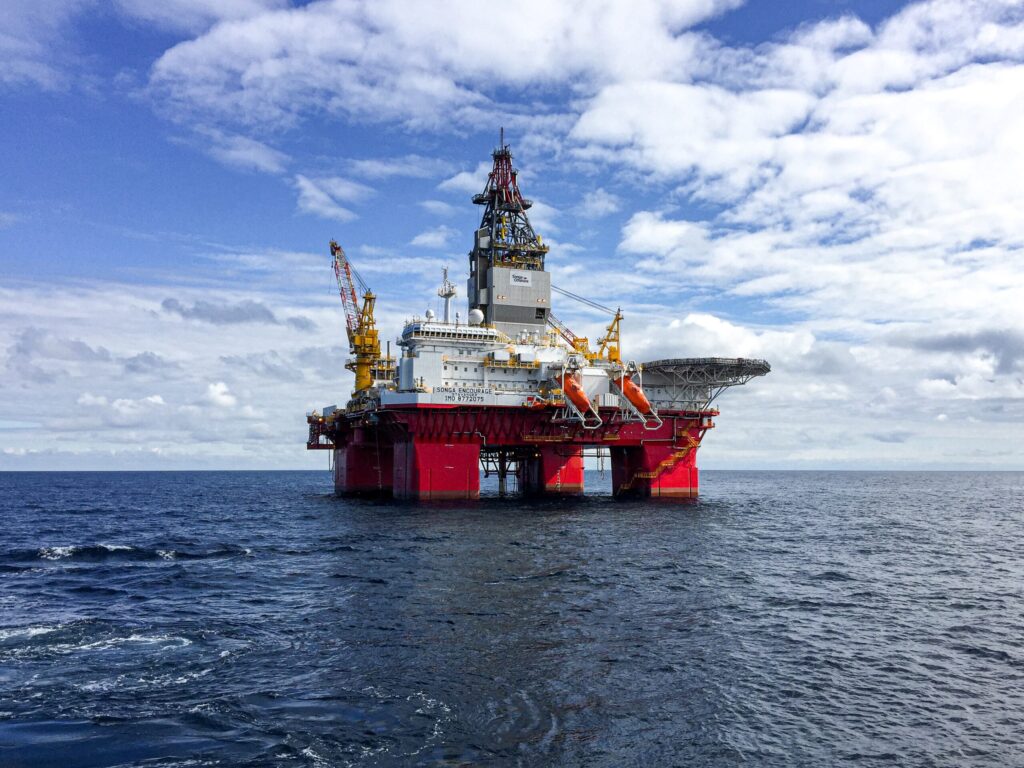
In a significant shift within India’s crude oil market, Russia has surpassed Saudi Arabia, Iraq, the UAE, and the US to become India’s top oil supplier. The import of Russian oil has reached unprecedented levels, reaching nearly 2 million barrels per day in May alone, accounting for approximately 42% of India’s total oil imports that month. This surge in Russia’s dominance has come at the expense of traditional Middle Eastern suppliers, with shipments from Saudi Arabia hitting their lowest level since February 2021.