

Yield Curve Inversion Raises Concerns and Signals Economic Shifts

In a rare occurrence with potentially far-reaching consequences, the U.S. yield curve has experienced its deepest inversion since 1981. This inversion, where short-term Treasury bond yields surpass long-term yields, has historically been associated with economic downturns. Investors and experts are closely monitoring this development, questioning its implications and whether it could signal an upcoming recession. While an inverted yield curve is not unheard of, the magnitude of this inversion is catching attention and prompting careful analysis. Experts suggest that factors such as expectations of further interest rate hikes and concerns about inflation are contributing to this unique situation. As the financial landscape continues to evolve, market participants remain watchful, looking for signs of stabilization or potential shifts that could impact the broader economy.
U.S. Federal Reserve Unveils 2023 Bank Stress Test Results
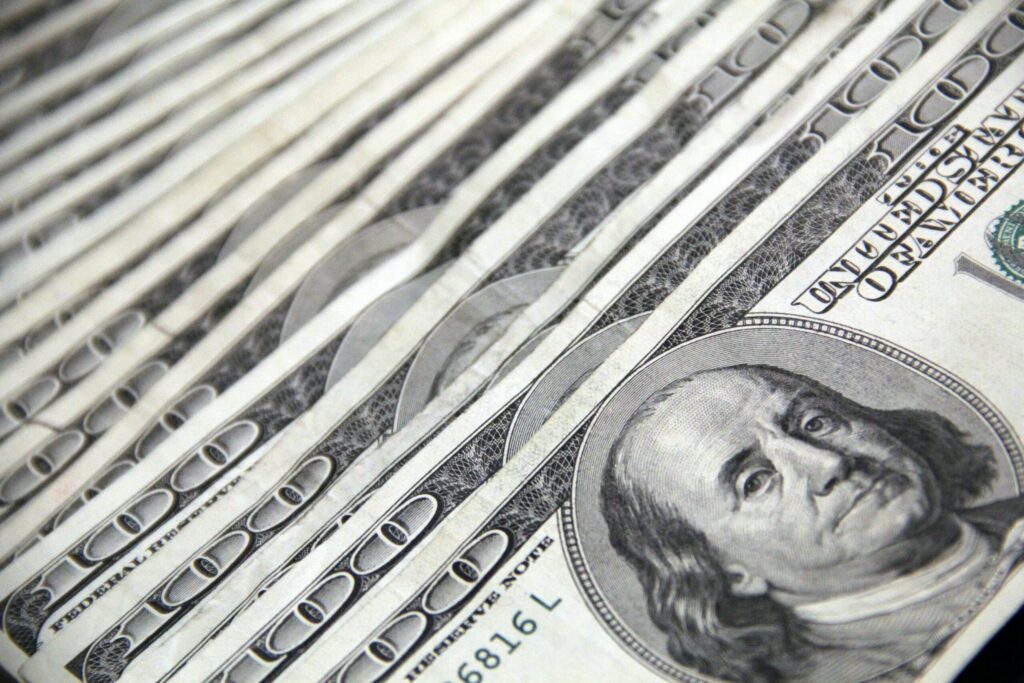
In a testament to the strength of the U.S. banking sector, the Federal Reserve’s unveiling of the 2023 bank stress test results showcased the industry’s resilience while shedding light on potential areas of concern. These annual evaluations, designed to simulate severe economic downturns, have become vital in safeguarding the financial system. While the tests revealed banks’ improved ability to navigate challenging scenarios, they also emphasized the need to address vulnerabilities. With a focus on maintaining stability and preparing for future economic challenges, stress tests play a critical role in shaping the future of the banking industry.
Analysis: G7 Russian oil price cap evolves from revenue squeeze to market anchor

When U.S. officials first floated the idea of capping Russian oil export prices in response to a planned European embargo in March, they pledged to squeeze revenues to Russia’s war machine, while avoiding a devastating oil price spike.
Shares dip, dollar strengthens as markets eye U.S. inflation data

Shares dipped slightly and the dollar firmed on Thursday, ahead of U.S. inflation data that will influence the Federal Reserve’s rate plans, while the likely collapse of a major digital asset exchange rattled crypto investors.
European stocks hit six-week high, investors focus on Fed
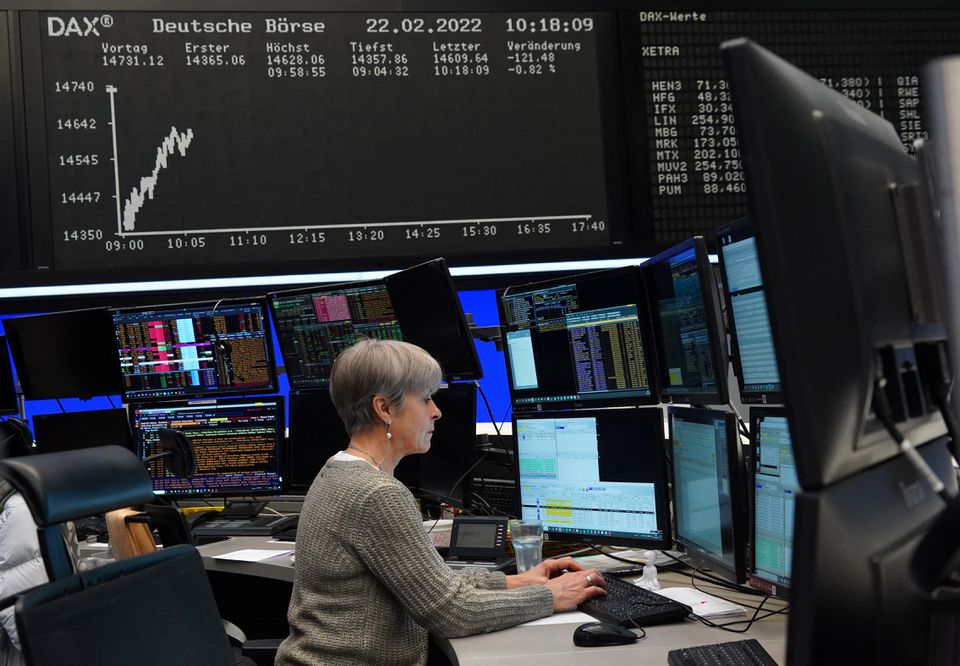
European stocks rose in early trading on Tuesday, supported by speculation among investors that central banks could come to the end of their rate-hiking cycles.
Russia’s Positive Technologies launches secondary share offer

Cybersecurity firm Positive Technologies is launching a secondary public offering (SPO) of up to 2.6 million common shares, it said on Monday, the first share sale by a Russian company since Moscow sent troops into Ukraine in February.
Oil prices rise as supply uncertainty mounts

Oil prices rose on Monday as Iranian nuclear talks appeared to hit obstacles and an embargo on Russian oil shipments loomed, with tight supply struggling to meet still robust demand.
Morning Bid: Yuan, euro and pound head down the Hole
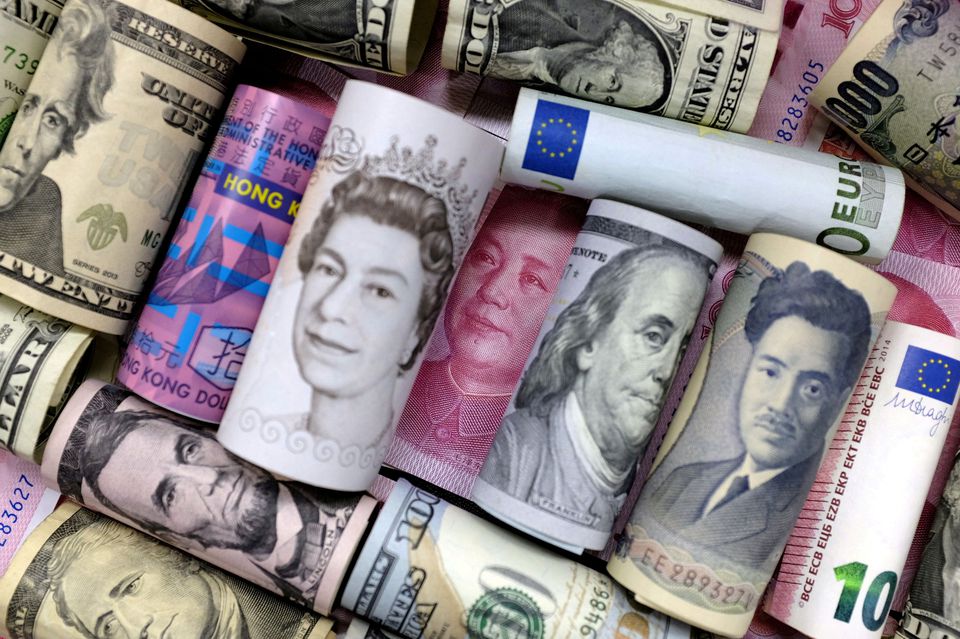
Global central banks are scattering again, propelling a resurgent U.S. dollar to its highest in almost two years against China’s yuan and back through parity against the euro.
Stocks make recovery bid, hemmed in by weakening world economy
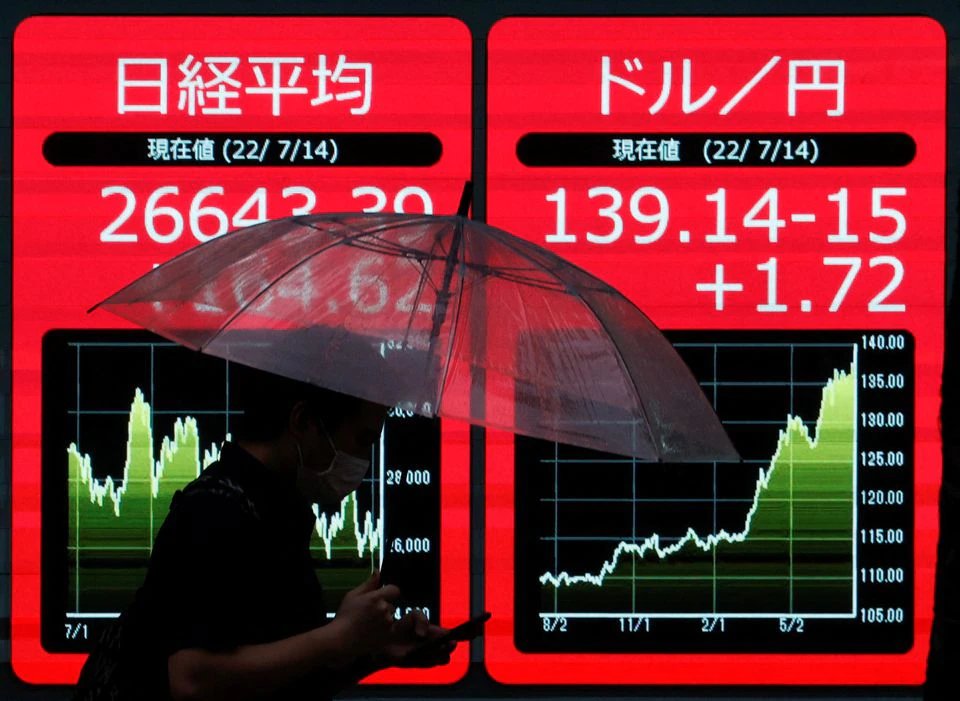
World stocks attempted a move higher on Friday after four days of losses caused by mounting fears of economic downturn, even though the growth concerns were fanned further by data showing a sharp slowdown in China.
Analysis: Scalded by Russia, investment funds tread carefully in China
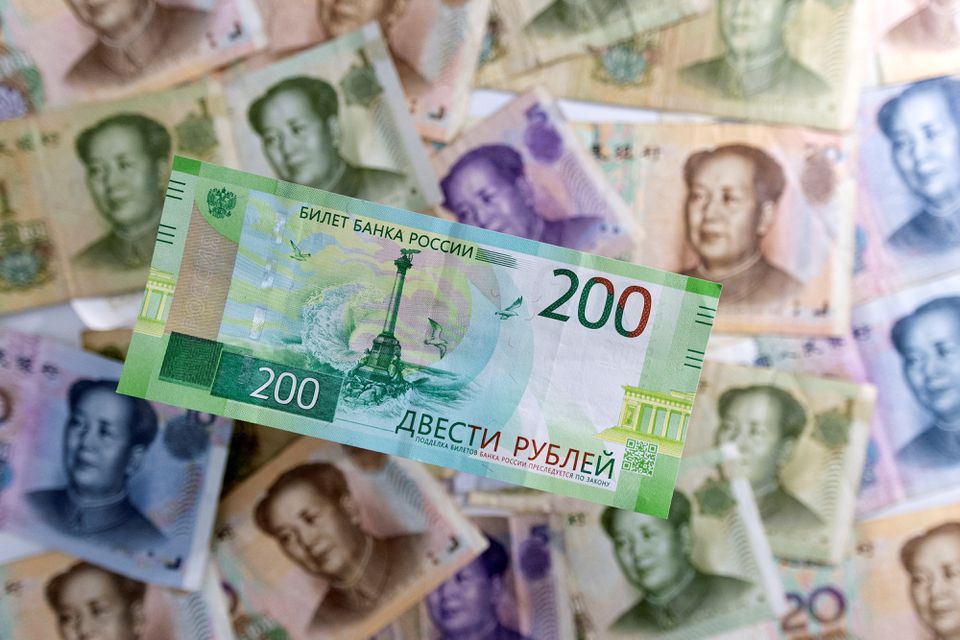
China, the only big economy promising a growth rebound this year, is again luring foreign investors. Yet the fear that Beijing may someday end up as ostracised from global markets as Russia is keeping a lid on demand.