
Morocco’s Ambitious Plans to Revitalize Tourism Sector Post-Earthquake

Ambitious goals and attractive incentives for investors mark Morocco’s determined efforts to revitalize its tourism sector post-earthquake. With plans to double annual tourism investments to $2 billion by 2026, the country aims to welcome millions of tourists, create jobs, and boost foreign exchange earnings. Despite a recent earthquake, Morocco remains an alluring destination, offering diverse landscapes and competitive infrastructure. The nation’s strategic roadmap emphasizes the development of beach resorts and leisure attractions, diversifying its tourism offerings. As Morocco seeks investment from GCC, Asian, and African investors, its stability and global positioning make it a compelling destination for capital inflow.
Morocco’s Ambitious Recovery Plan: Rebuilding After the Earthquake
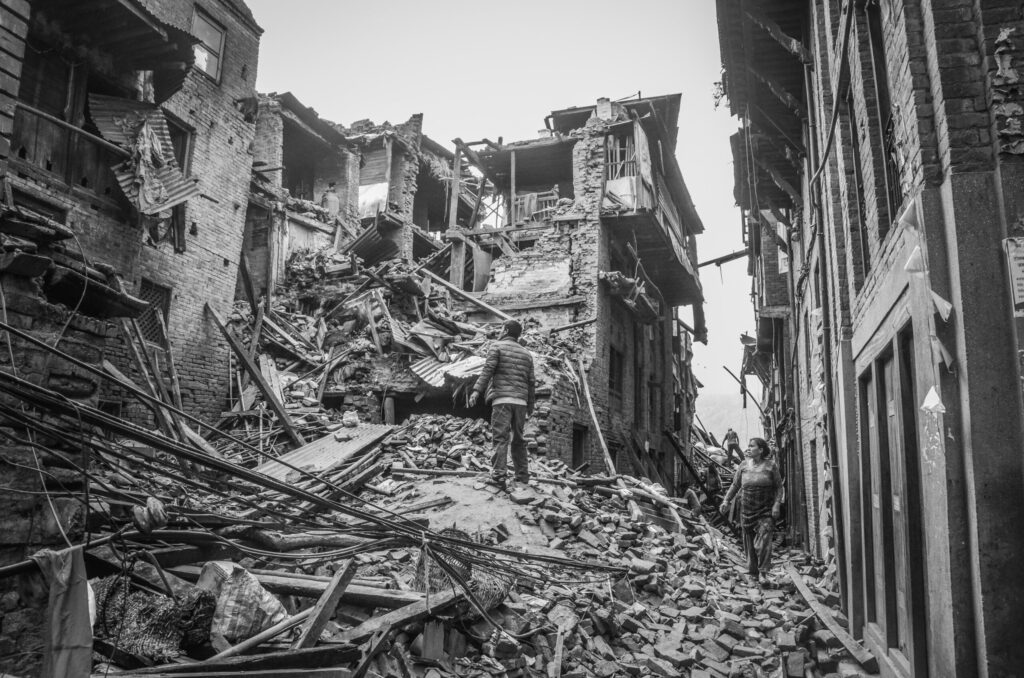
Morocco’s commitment to invest $11.7 billion in earthquake recovery and development over the next five years is a testament to its determination to rebuild after the devastating earthquake that struck in early September. The earthquake, the strongest in Morocco in 120 years, exposed vulnerabilities in several regions, leaving thousands without shelter and underscoring inequalities. This ambitious recovery plan, supported by both government funding and international aid, aims to not only reconstruct infrastructure but also reduce social disparities and enhance access to basic services in affected areas. The annual cost of this plan, around $2.3 billion, is a relatively small fraction of the country’s GDP, signaling Morocco’s dedication to economic growth and development. As the nation embarks on this journey to rebuild, global solidarity and support will be instrumental in achieving a more resilient and prosperous future for the affected communities.
Thailand’s New Prime Minister Pledges Swift Action on Economic Challenges
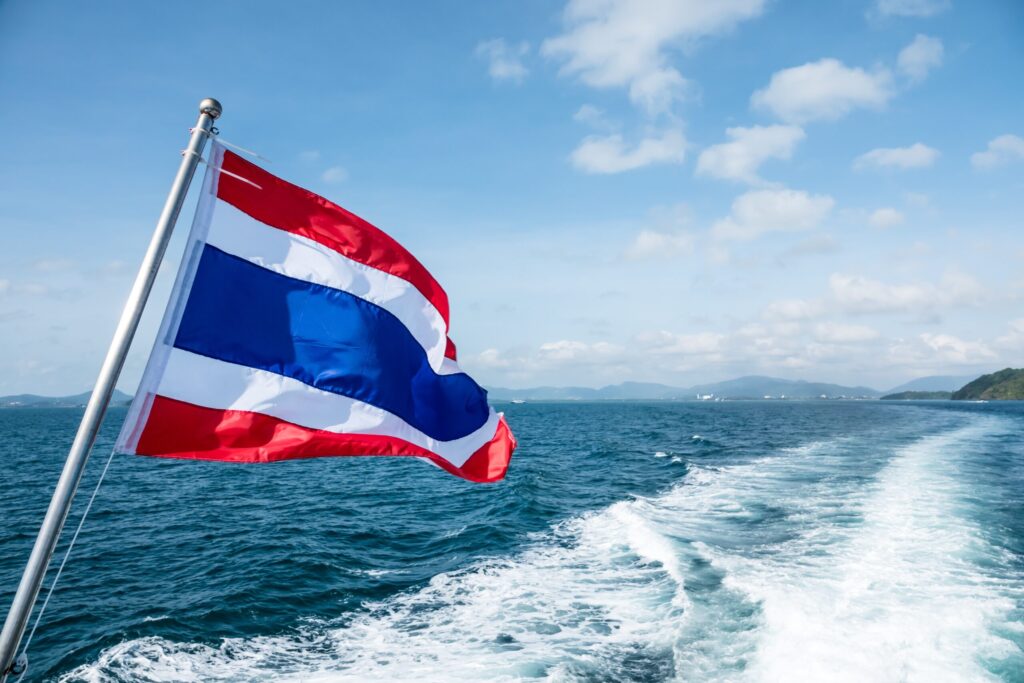
In his inaugural address to Parliament, Thailand’s new Prime Minister, Srettha Thavisin, has set a proactive agenda for addressing the nation’s economic woes. With the pandemic’s impact on the vital tourism industry and rising debt levels, he emphasized the urgency of these measures. Of particular note is the proposed 10,000-baht ($280) handout to stimulate short-term spending, though its long-term effectiveness remains a subject of debate. The government also outlined ambitious long-term goals, including bolstering international trade, supporting start-ups, and enhancing agricultural production, signaling a comprehensive approach to economic revitalization. Additionally, plans for political reforms, particularly involving the military’s role, were diplomatically addressed to ensure transparency and cooperation.
Oman’s Tourism Boom, A Catalyst for Economic Growth and Foreign Exploration
Oman’s tourism sector experienced a remarkable resurgence in 2022, with a 47.3% increase in income, soaring to RO1.9 billion. Domestic tourism contributed a substantial 68% to the sector’s income. Inbound tourism also surged, welcoming 2.9 million visitors, a 348% increase from the previous year. This influx of travellers brought diverse purposes, with leisure and recreation leading at 43.5%. Meanwhile, an unexpected surge in outbound tourism saw 5.2 million Omanis exploring international destinations, significantly impacting Oman’s tourism balance and underscoring the nation’s growing economic narrative.