

Philippines Stresses Diplomatic Nuances Amid President’s Taiwan Congratulation

In a diplomatic dance, the Philippines has reiterated its adherence to the “One China policy” following President Marcos Jr.’s congratulatory message to Taiwan’s President-elect Lai Ching-te. The foreign ministry clarified that the message was a show of gratitude for Taiwan’s role in hosting Filipino workers and not a departure from established diplomatic norms. The delicate balance aims to acknowledge mutual interests, especially the sizable overseas Filipino community in Taiwan while avoiding friction with Beijing, which views Taiwan as part of its territory. This underscores the nuanced diplomatic landscape the Philippines navigates, maintaining ties with both Taipei and mainland China. As global leaders extend congratulations to Lai Ching-te, the Philippines underscores its commitment to regional stability amid rising tensions in the Taiwan Strait.
China-Philippines Tensions Escalate Amid South China Sea Patrols
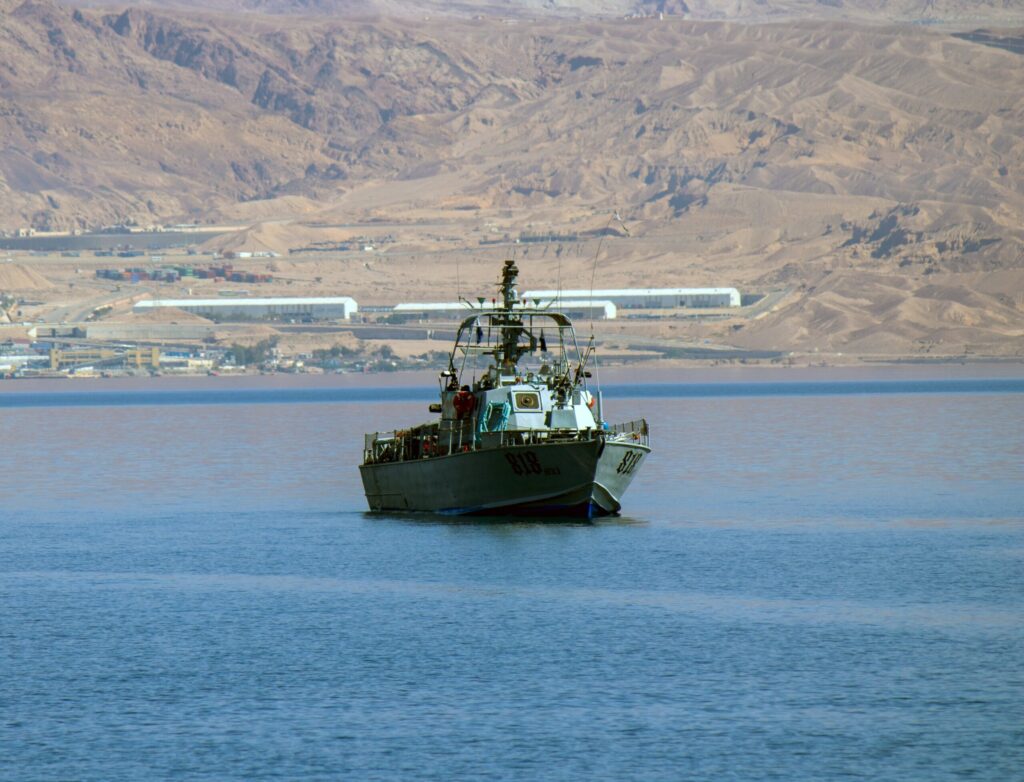
Tensions between China and the Philippines have escalated as China accuses the Philippines of engaging “foreign forces” in patrolling the South China Sea, hinting at potential involvement by the United States. The Chinese military’s southern theatre command stated that the Philippines has been causing disturbances since Tuesday, likely referring to joint patrols conducted near Taiwan in collaboration with the U.S. This accusation comes amid already strained relations over territorial disputes in the South China Sea, with the Philippines leaning towards closer ties with the U.S. under President Ferdinand Marcos Jr. The situation underscores the complex dynamics in the region and the delicate balance of power among nations with overlapping claims in the contested waters.
Philippines Denies Illegal Entry Into Chinese-Controlled Waters

Tensions in the South China Sea continue to simmer as the Philippines denies allegations of illegal entry into Chinese-controlled waters. The Philippines’ steadfast response highlights the persistent disputes over territorial claims in the region. The South China Sea has long been a flashpoint, with multiple nations vying for control of its islands, reefs, and maritime resources. The 2016 Arbitral Ruling invalidated China’s expansive claims, but Beijing has adamantly rejected the decision, exacerbating the conflict. The situation carries significant implications for regional stability, maritime security, and global trade routes, making it a matter of international concern.
China’s Disputed Shoal Encounter Prompts Tensions with Philippines

An incident at the Scarborough Shoal has ratcheted tensions between the Philippines and China as conflicting accounts of a naval encounter emerged. The disputed shoal remains a flashpoint for sovereignty and fishing rights despite international efforts to address these disputes. The ongoing rivalries in the South China Sea pose a significant challenge to regional stability, involving nations like the Philippines, China, Vietnam, and Taiwan. The incident underscores the need for diplomatic solutions to avoid further escalation in this strategically vital and resource-rich region. President Ferdinand Marcos’s pro-U.S. stance adds complexity to the Philippines-China relationship, making this dispute a focal point in the ongoing struggle for control and influence.
Impact of Singapore’s Economic Slowdown on Non-Resident Indians
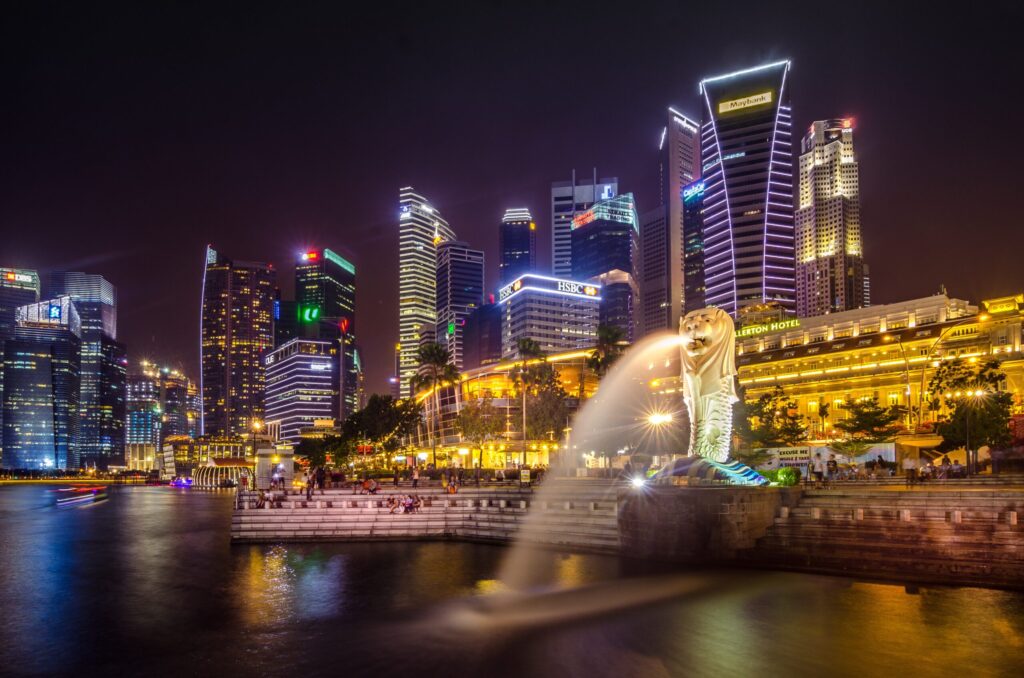
Singapore’s economic slowdown and declining job market have raised concerns among non-resident Indians (NRIs) residing in the city-state. As the country faces challenges such as a contraction in the economy and declining exports, NRIs may find it more challenging to secure employment opportunities. However, amidst these difficulties, there are also opportunities to be found. Sectors like information and communication technologies and financial services continue to show resilience, indicating potential skill-specific job openings. To navigate this changing landscape, NRIs should focus on adapting their skills, networking, and staying updated with industry trends. By doing so, they can position themselves to overcome challenges and contribute meaningfully to Singapore’s economy.
Exclusive: South Korea aims to join AI race as startup Rebellions launches new chip

South Korean startup Rebellions Inc launches an artificial intelligence (AI) chip on Monday, racing to win government contracts as Seoul seeks a place for local companies in the exploding AI industry.
Foxconn fine for unauthorised China investment likely to be imposed soon – source
Foxconn, the world’s largest contract electronics maker, is likely to be fined soon by Taiwan’s government for an unauthorised investment in a Chinese chip maker, a person with direct knowledge of the situation said on Monday.
Taiwan seeks to reassure on TSMC commitment to island despite U.S. investment
Taiwan’s economy minister said on Wednesday that the island remains chipmaker TSMC’s most important production base after the company announced it would more than triple planned investment at its new Arizona plant to $40 billion.
Chipmaker TSMC plans Arizona factory expansion
TSMC, the world’s largest contract chipmaker and a major supplier to Apple Inc, said on Wednesday it was constructing a building that could serve as its second chip factory in Arizona in the United States.
China tech shares sink as U.S. export curbs raise chip sector hurdles
Shares in Chinese tech giants Alibaba Group (9988.HK) and Tencent (0700.HK) as well as in chipmakers slumped on Monday, as investors were spooked by new U.S. export control measures aimed at slowing Beijing’s technological and military advances.