

Bank of England Considers Overhaul of Clearing House Regulations

In summary, the Bank of England is planning “fundamental rules” for clearing and settlement houses in the UK. These rules aim to enhance transparency and provide a clear framework for the industry. The Bank of England will maintain high standards and prioritize safety and reliability, considering the UK’s role as a global financial centre. The move comes as part of a post-Brexit regulatory overhaul.
Philippines Faces Hot Money Outflows Amid Global Economic Uncertainty

Amidst a backdrop of global economic uncertainty, the Philippines has witnessed a notable outflow of speculative funds, totalling $805 million in the first five months of the year. As hot money investments decrease and concerns over inflation and interest rates persist, international investors reevaluate their positions. Despite these challenges, key sectors such as banking, food and beverage, and property continue to attract investments. With the Bangko Sentral ng Pilipinas (BSP) implementing measures to stabilize the economy and inflation, the country’s economic outlook remains cautiously optimistic.
SEBI Aims to Streamline Grievance Redressal for Investors in India’s Financial Markets

SEBI, the guardian of India’s financial markets, is taking bold steps to empower investors and ensure their grievances are swiftly and fairly resolved. By integrating the SEBI Complaint Redress System (SCORES) with the Online Dispute Resolution Mechanism, SEBI provides a seamless platform for investors to seek redressal against regulated entities. This move, coupled with reduced timelines and a two-level review process, signifies SEBI’s commitment to enhancing transparency and accountability. Investors can now embark on their financial journey more confidently, knowing their concerns will be promptly addressed and their rights protected. SEBI’s initiatives lay the foundation for a thriving investment landscape where trust and integrity prevail.
How sanctions complicated day-to-day banking for Russians
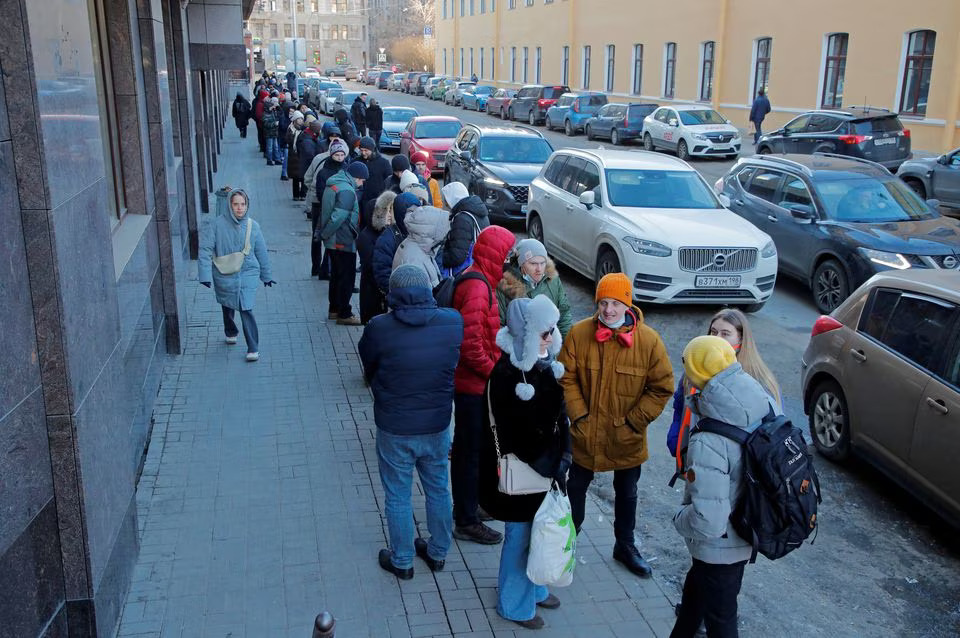
Financial sanctions against Russia have strangled its banks’ profits and wrecked many lenders’ international operations, but one year after Moscow sent its troops into Ukraine how much do they matter for average Russians?
India’s Adani tries to calm investors as market rout continues
India’s Adani Group sought to reassure investors on Monday as a rout in its shares continued, saying its business plans were fully-funded, its cashflows strong and it remained confident of delivering attractive returns to shareholders.
Analysis: Russian law on stock conversion baffles global banks, clients

Global investors and banks have been voicing confusion about their efforts to convert depositary receipts of Russian companies into ordinary shares in compliance with a new Russian law, according to advisors and client communications from the banks.
EXCLUSIVE China in talks with automakers on EV subsidy extension -sources

China is in talks with automakers about extending costly subsidies for electric vehicles (EV) that were set to expire in 2022, aiming to keep a key market growing as the broader economy slows, three people familiar with the matter said.
Exxon signals record quarterly profit from oil and gas prices

Exxon Mobil Corp (XOM.N) on Monday signaled first quarter production results could top a seven-year quarterly record, with operating profits from pumping oil and gas of up to $9.3 billion.
Barclays suspends sales of two products linked to oil, volatility
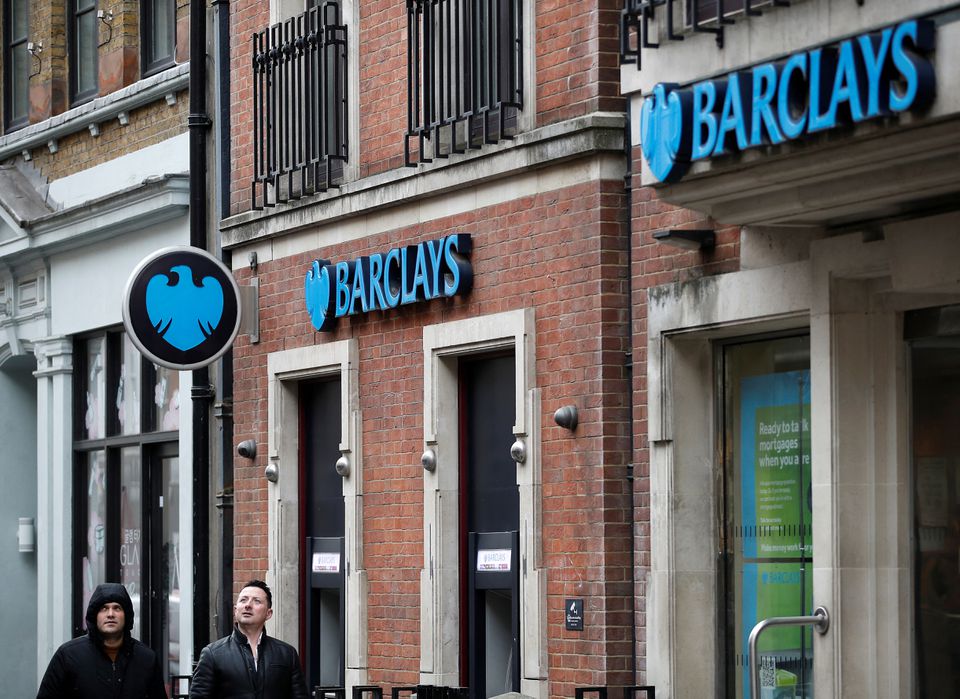
British bank Barclays (BARC.L) said on Monday it had suspended the sales and issuance of two exchange-traded notes (ETNs) with combined assets of about $1 billion – one linked to crude oil and another to a gauge of market volatility – due to capacity constraints, in a move that some investors said could spur big price swings in the products.
Analysis: Investors see risks spiking, fear market-wide liquidity crunch
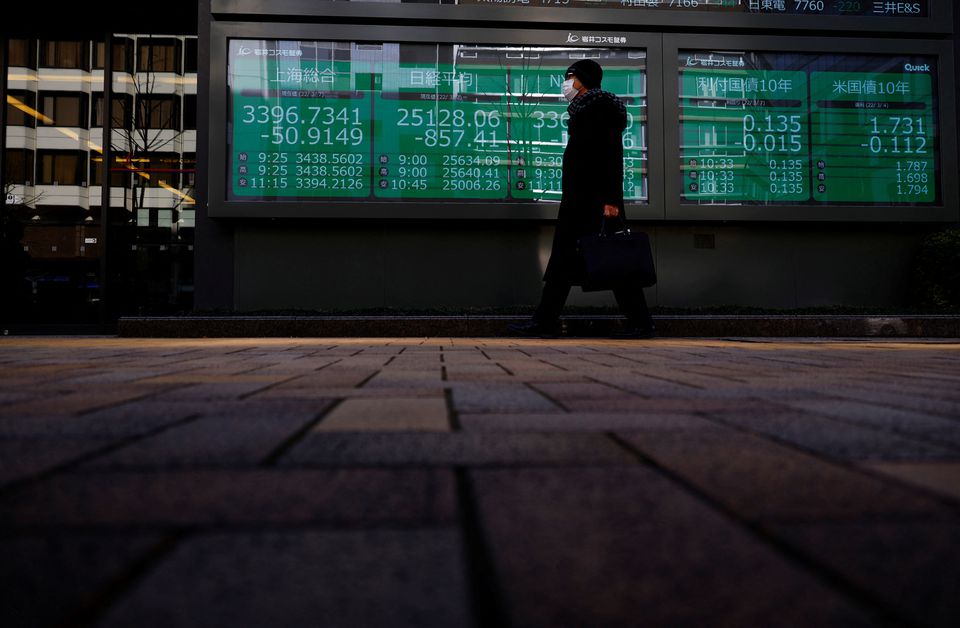
Wild swings in asset prices following Russia’s invasion of Ukraine are prompting some investors to pare risk in their portfolios, fearing that the type of volatility seen in commodities in recent weeks could hit other markets.