
Oman’s Fiscal Turnaround, A Deep Dive into the 2023 Debt Reduction and 2024 Budgetary Plans
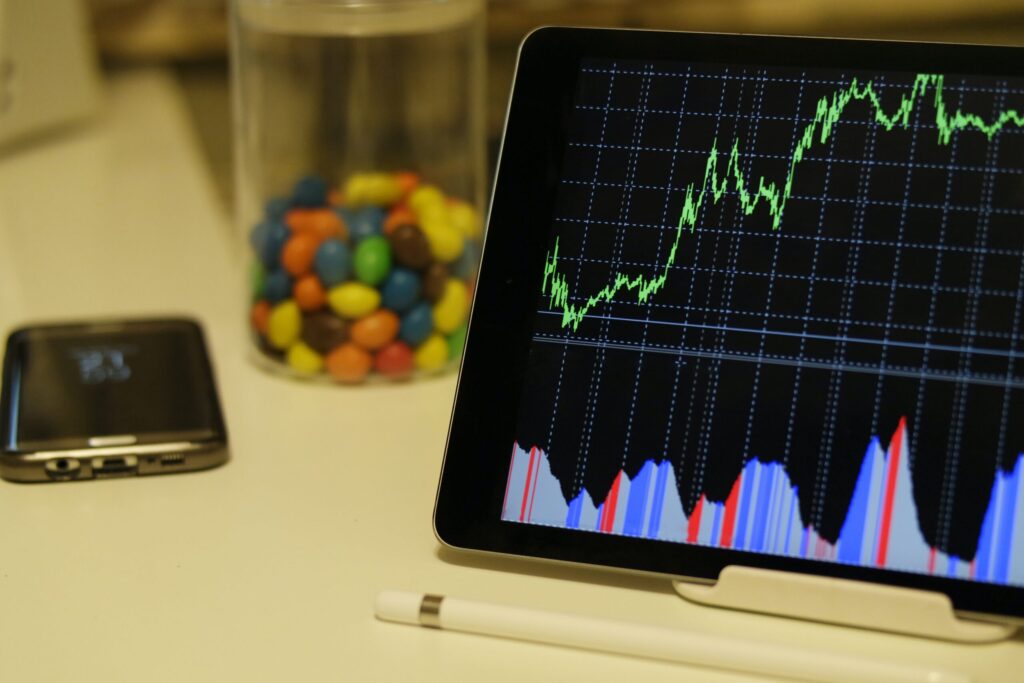
In a noteworthy fiscal turnaround, Oman’s public debt has seen a substantial reduction, dropping to 35% of the GDP in 2023 from nearly 70% in 2020. This commendable shift is attributed to the sultanate’s fiscal reforms and a boost from higher-than-expected oil prices. The 2023 debt-to-GDP ratio of 35% reflects Oman’s commitment to responsible financial management, marking a significant improvement from previous years. The unexpected surplus of approximately RO931 million in the 2023 budget underscores the success of proactive measures and prudent fiscal policies. Looking ahead, Oman’s 2024 budget prioritizes stability, debt reduction, and strategic deficit financing to strengthen the nation’s economic resilience further.
Duqm Economic Forum-Unveiling Oman’s Green Economic Revolution and Investment Potential
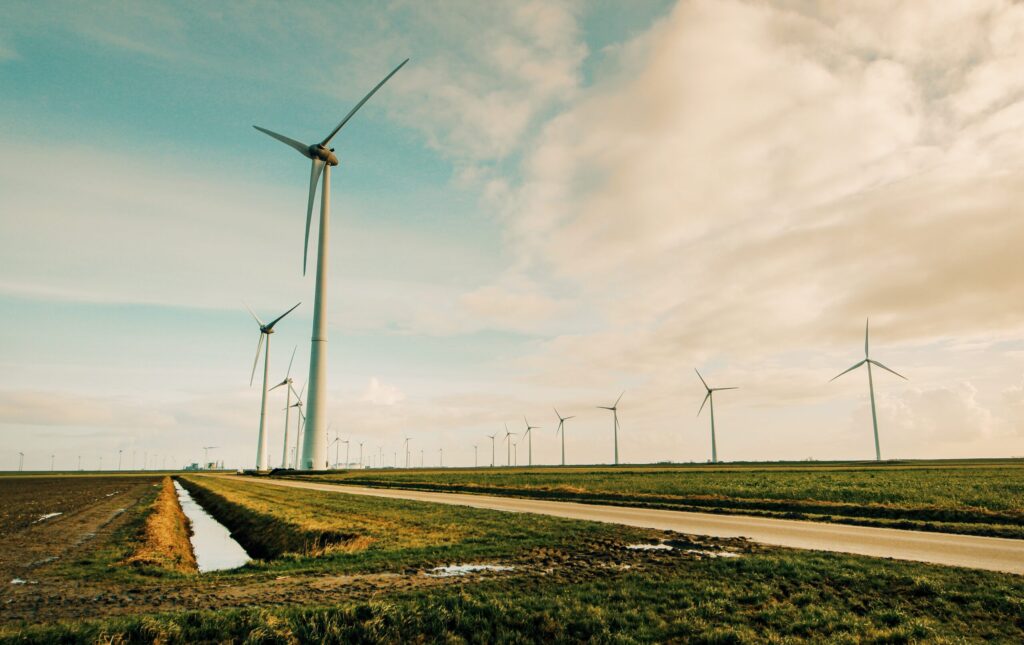
The First Duqm Economic Forum has concluded, leaving a remarkable impact on Oman’s economic vision. It highlighted the pivotal role of the Special Economic Zone at Duqm (SEZAD) in fostering renewable energy, green manufacturing, and global trade. Duqm is pioneering the nation’s journey toward a green economy by utilizing solar and wind-generated energy. The forum showcased Oman’s potential as a future renewable energy superpower, with a special focus on a green steel industry cluster. Young entrepreneurs also took center stage, reflecting the nation’s innovative spirit and ambition. This forum marks a significant step towards Oman’s sustainable and prosperous future.
Oman’s Minister Spearheads Global Economic Dialogue at G20 Summit

Qais al Yousef, Oman’s Minister of Commerce, Industry, and Investment Promotion, is leading a prominent delegation to the G20 Trade and Investment Ministerial Meeting in Jaipur, India, followed by the B20 Forum in New Delhi. Amidst the backdrop of ‘One Earth, One Family, One Future,’ the discussions will rejuvenate multilateral trade for global growth, leverage technology for seamless transactions, and fortify resilient trade mechanisms. Yousef’s participation underscores Oman’s commitment to fair, rules-based global trade, aligning with the visionary Oman Vision 2040 while emphasizing the pivotal role of technology in fostering inclusive economic progress and sustainable development.
Oman Emerges as a Global Leader in Green Hydrogen Production
Oman is making significant strides in the global green hydrogen market, positioning itself as a leader in sustainable energy production. Hydrogen Oman (Hydrom), a subsidiary of Energy Development Oman (EDO), has signed three groundbreaking agreements that mark a major milestone in the country’s pursuit of becoming a hub for green hydrogen production. These agreements, backed by visionary leadership and strong government support, demonstrate Oman’s commitment to renewable energy and attract global investment. With a focus on green steel production, ammonia production, and export, these projects showcase Oman’s potential and contribute to economic diversification. The substantial investments, estimated at over $20 billion, reflect international confidence in Oman’s renewable energy potential and its attractiveness as a business destination. Furthermore, the government’s commitment to a robust regulatory framework and infrastructure development, as well as strategic collaborations and research partnerships, positions Oman as a global player in green hydrogen production. As Oman advances in this sector, it emerges as a beacon of hope and innovation in the global transition to clean energy, demonstrating its dedication to global environmental goals and sustainable development.
GCC Governments Spearhead Efforts to Foster Inclusive Growth and Curtail Shadow Economy

The Gulf Cooperation Council (GCC) countries have made remarkable strides in managing their shadow economies, surpassing the global average significantly. Recent reports indicate that informal businesses in the region account for only 18% of the total GDP, showcasing the success of integration efforts. These achievements reflect the government’s commitment to foster inclusive growth and prioritize small and medium-sized enterprises (SMEs) as key drivers of economic prosperity. The GCC nations are positioning themselves as global leaders in curbing the shadow economy and creating a sustainable economic landscape through effective policies, such as enhanced tax enforcement, digitalization, and financial inclusion. By empowering SMEs and embracing an inclusive growth approach, the region is poised for long-term success and resilience.
Muscat Making Strides Towards Ambitious Renewable Energy Goals for 2040
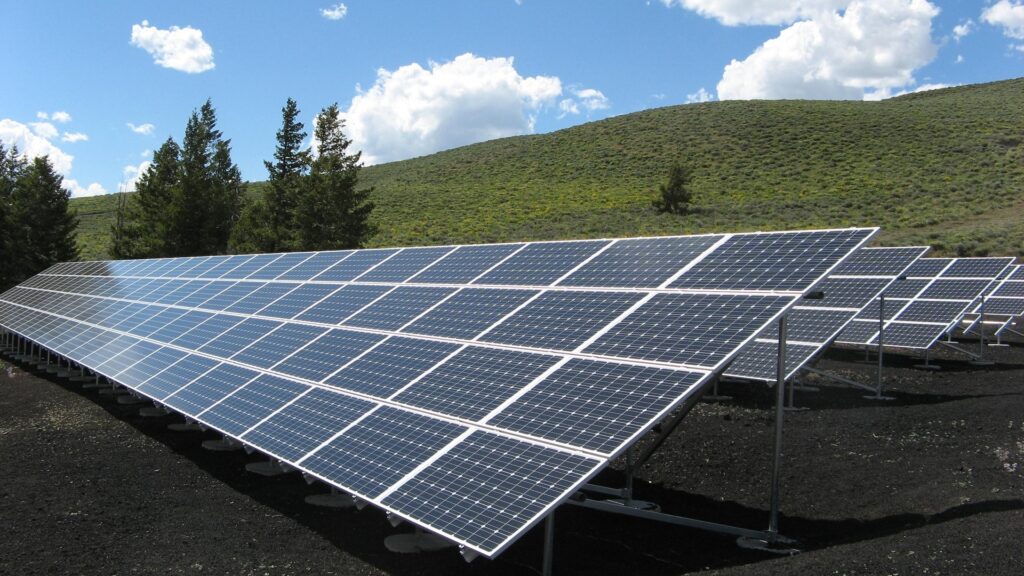
Powering the Future: Muscat’s Bold Move Towards Renewable Energy by 2040. With a remarkable 31.5% increase in renewable electricity production, Muscat sets its sights on an impressive 118.5% growth this year. Solar PV installations surge, showcasing the governorate’s commitment to sustainability and Oman Vision 2040. Muscat drives clean energy adoption, making significant strides towards a greener and more sustainable future.