

The Philippine Economic Landscape, Challenges and Prospects Amidst Shifting Tides

As highlighted by recent OECD adjustments, the Philippine economy stands at a crossroads in 2023. A slightly lowered growth projection of 5.6% reflects the intricate interplay of factors, including the impact of high interest rates on pent-up demand. The first quarter’s robust economic expansion was juxtaposed with higher inflation and borrowing costs, resulting from assertive monetary tightening. The role of government spending is expected to drive recovery in the second semester, countering a second-quarter contraction. Meanwhile, influenced by various factors, inflation dynamics add complexity to the economic landscape, necessitating a careful balance between growth and inflation control.
GCC Governments Spearhead Efforts to Foster Inclusive Growth and Curtail Shadow Economy

The Gulf Cooperation Council (GCC) countries have made remarkable strides in managing their shadow economies, surpassing the global average significantly. Recent reports indicate that informal businesses in the region account for only 18% of the total GDP, showcasing the success of integration efforts. These achievements reflect the government’s commitment to foster inclusive growth and prioritize small and medium-sized enterprises (SMEs) as key drivers of economic prosperity. The GCC nations are positioning themselves as global leaders in curbing the shadow economy and creating a sustainable economic landscape through effective policies, such as enhanced tax enforcement, digitalization, and financial inclusion. By empowering SMEs and embracing an inclusive growth approach, the region is poised for long-term success and resilience.
Bank of England tells lenders to brace for economic storm

The Bank of England warned on Tuesday that the economic outlook for Britain and the world had darkened and told banks to ramp up capital buffers to ensure they can weather the storm.
OECD chief ‘quietly optimistic’ about EU global minimum tax deal approval

The head of the Organisation for Economic Cooperation and Development (OECD) on Tuesday said he was “quietly optimistic” a landmark deal to establish a global minimum tax will be approved by European Union members but implementation may not occur until 2024.
Oil firms amid supply worries, but heads for sharp weekly decline
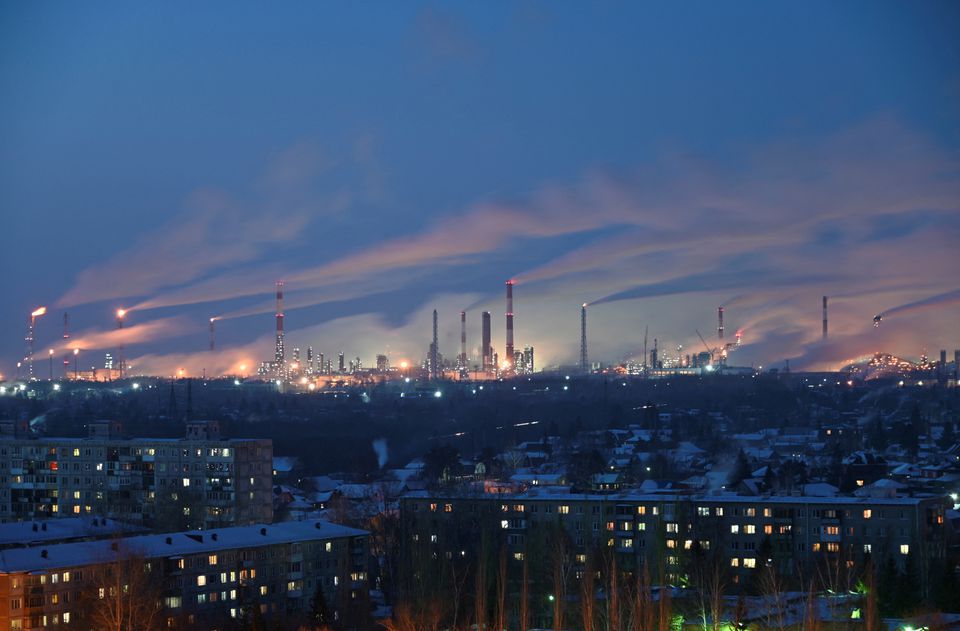
Oil prices rose on Friday but were on track for their biggest weekly declines since November after see-sawing on fears of escalating bans on Russian oil versus efforts to bring more supply to market from other major producers.
Analysis: UAE corporate tax may dilute competitive edge, as Saudi Arabia steps up

The United Arab Emirates’ plans for a corporate tax risk eroding one of its main attractions as the Gulf’s premier destination for foreign firms, at a time when Saudi Arabia is opening up and pressuring multinationals to shift regional headquarters there.
The global economy is in the process of reformation!

After the massive Covid-19 situation, the global economy is returning to normal. The majority of countries are heading to the pre-pandemic economy-related activities. However, the recovery of the economy is still unequal. Unemployment is emerging as one of the major issues. OECD countries despite being economically advanced countries are fighting to strike a balance. The […]
Exclusive: HSBC says clients must have plan to exit coal by end-2023
Europe’s leading banker to corporate Asia, laid out its long-awaited policy on financing thermal coal on Tuesday, and said it expected all its clients to have a plan in place to exit the fossil fuel by the end of 2023.
Analysis: In Japan, a weaker yen may not be the blessing it once was
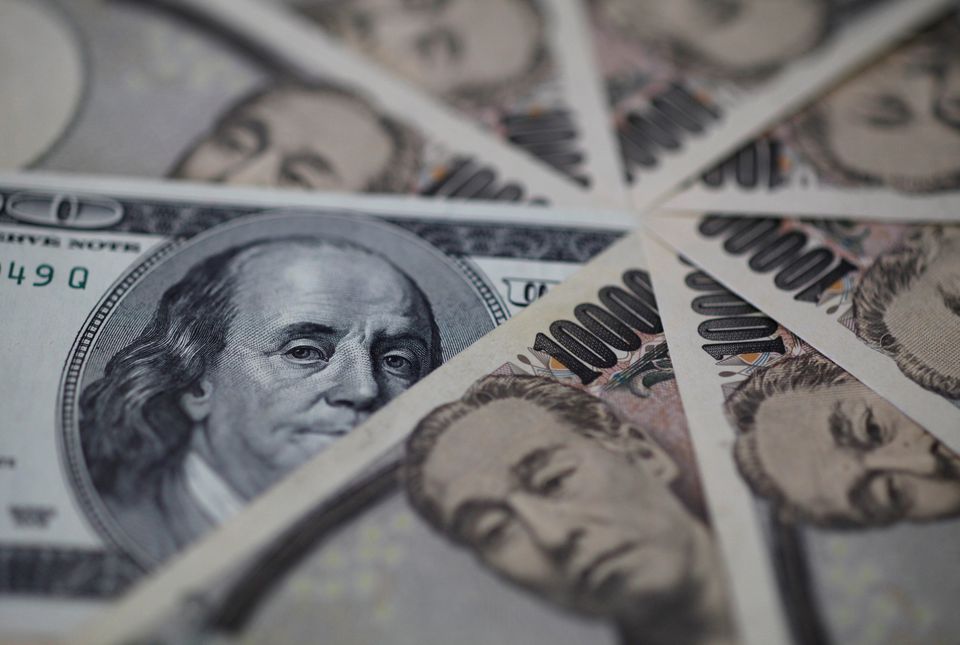
A weak yen, once seen as favourable for Japan’s exports-focused economy, has now become a pain point as it eats into household finances and confounds policymakers.
In 2022, global crude oil prices are expected to fall!
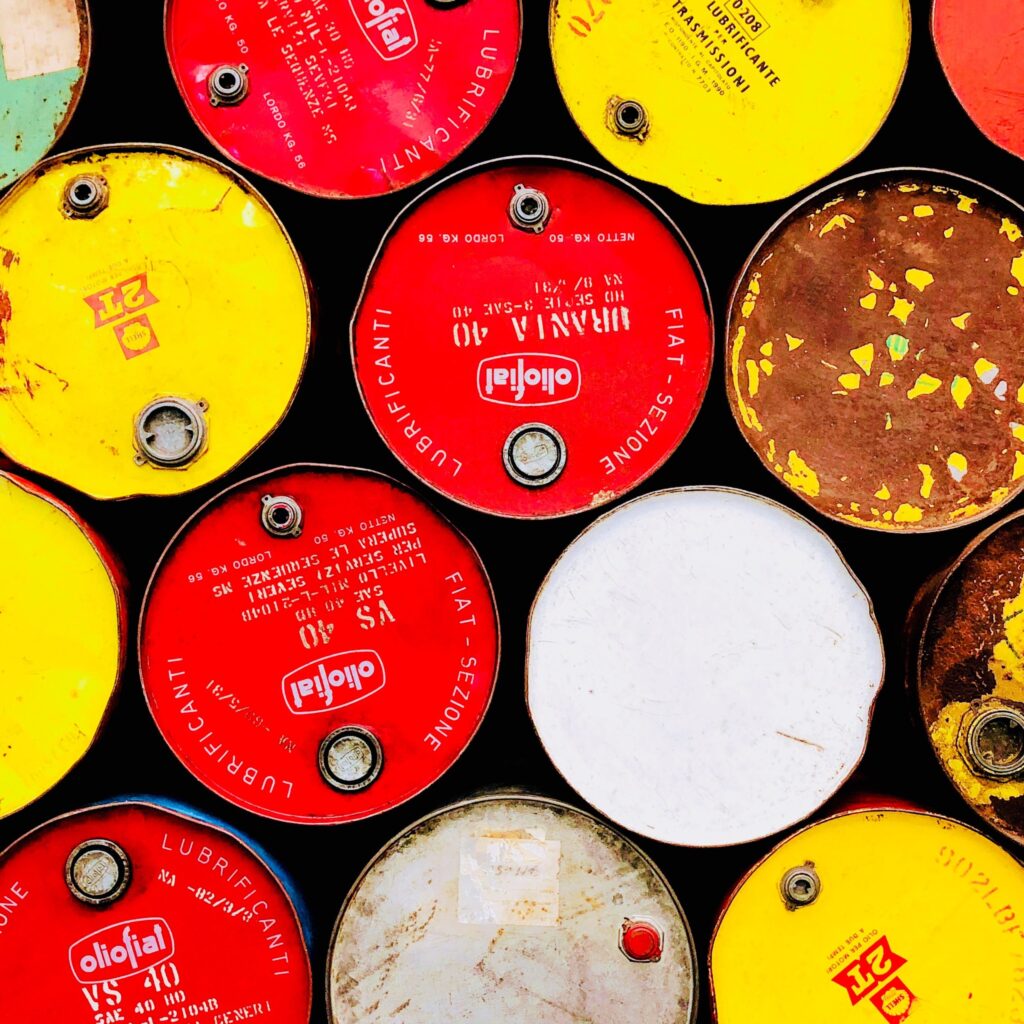
Since the third quarter of 2020, global demand for crude oil and petroleum products has outpaced supply, resulting in lower stock levels and higher crude oil prices. According to the Energy Information Administration’s most recent forecast, Brent crude oil spot prices are expected to remain near current levels through the end of 2021. (EIA). In […]