

Bank of England Considers Overhaul of Clearing House Regulations

In summary, the Bank of England is planning “fundamental rules” for clearing and settlement houses in the UK. These rules aim to enhance transparency and provide a clear framework for the industry. The Bank of England will maintain high standards and prioritize safety and reliability, considering the UK’s role as a global financial centre. The move comes as part of a post-Brexit regulatory overhaul.
India-Middle East-Europe Economic Corridor; A Pathway to Global Connectivity

The India-Middle East-Europe Economic Corridor, an initiative arising from India’s G20 presidency, is gaining momentum with international support. This corridor promises robust infrastructure investments, economic integration, and enhanced connectivity across Asia, West Asia, the Middle East, and Europe. It consists of two key corridors, emphasizing cross-border rail transit networks to boost trade and services. Additionally, the India-US Initiative on Critical and Emerging Technology (iCET) aims to strengthen technology partnerships and resilience in supply chains. These developments underscore India’s active role in global diplomacy and economic growth.
Europe’s Shifting Stance on Nuclear Power and Its Impact on Clean Energy Goals
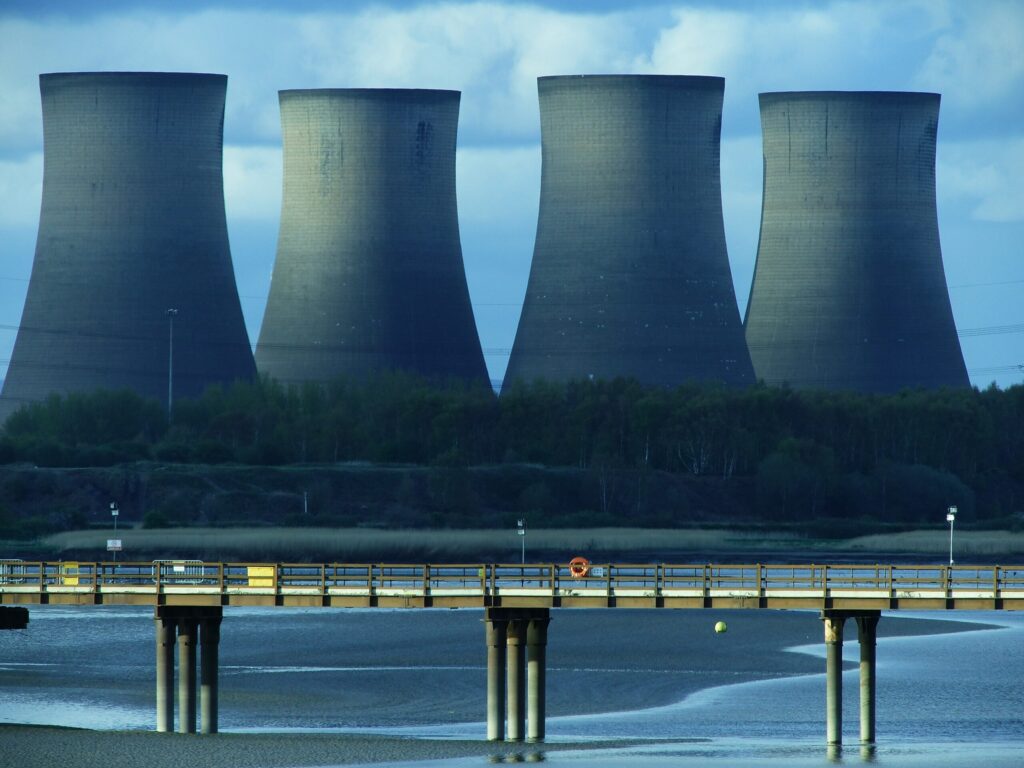
Europe’s evolving approach to nuclear power represents a significant shift in the continent’s clean energy strategy. The recent decision to allow nuclear energy for ammonia and hydrogen production is reshaping the conversation. While France stands to gain considerably due to its robust nuclear sector, the implications transcend its borders. This development has the potential to rejuvenate the nuclear industry across Europe as existing plants seek opportunities in the burgeoning hydrogen and ammonia markets. Despite persistent opposition, the decision underscores nuclear energy’s reemerging significance in Europe’s pursuit of cleaner energy solutions.
Russia Emerges as India’s Dominant Oil Supplier, Surpassing Traditional Middle Eastern Sources

In a significant shift within India’s crude oil market, Russia has surpassed Saudi Arabia, Iraq, the UAE, and the US to become India’s top oil supplier. The import of Russian oil has reached unprecedented levels, reaching nearly 2 million barrels per day in May alone, accounting for approximately 42% of India’s total oil imports that month. This surge in Russia’s dominance has come at the expense of traditional Middle Eastern suppliers, with shipments from Saudi Arabia hitting their lowest level since February 2021.
Lost Russian oil revenue is bonanza for shippers, refiners
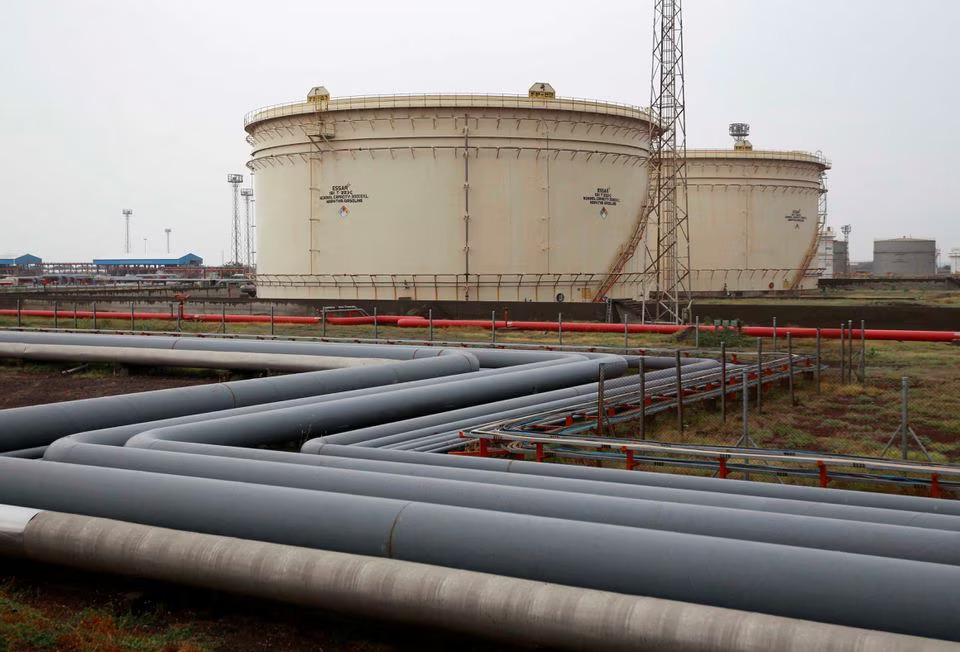
Western sanctions on Russia have significantly reduced state oil revenues and diverted tens of billions of dollars towards shipping and refining firms, some with Russian connections.
Malaysia says it could stop palm oil exports to EU after new curbs
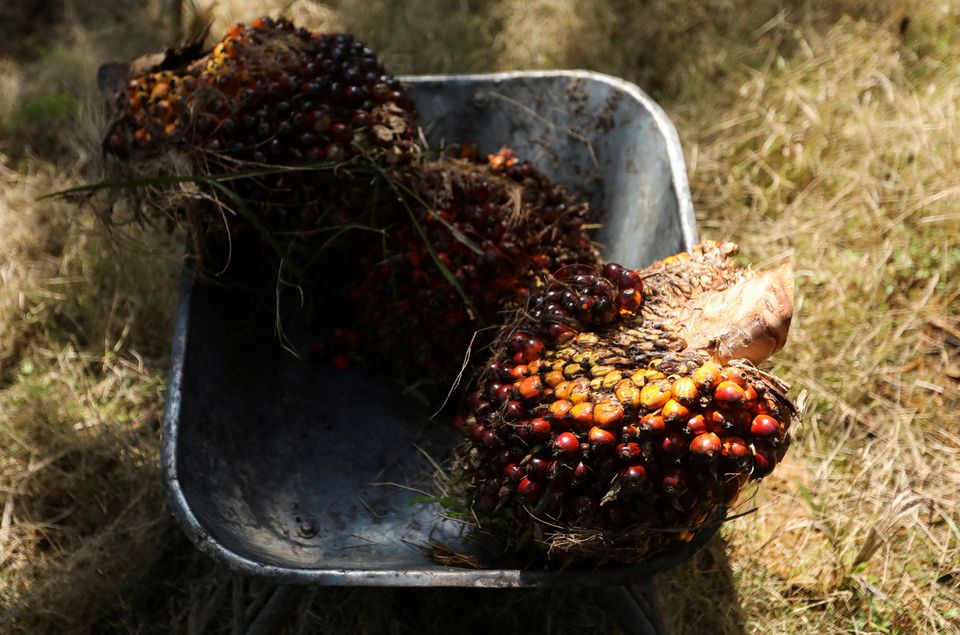
Malaysia said on Thursday it could stop exporting palm oil to the European Union in response to a new EU law aimed at protecting forests by strictly regulating sale of the product.
Shell LNG trading provides quarterly boost despite output drop
Earnings from Shell’s liquefied natural gas (LNG) trading operations are likely to have been significantly higher in the fourth quarter of last year despite a sharp output drop owing to plant outages, it said on Friday.
Analysis: The hardest part is yet to come for gas-hoarding Europe
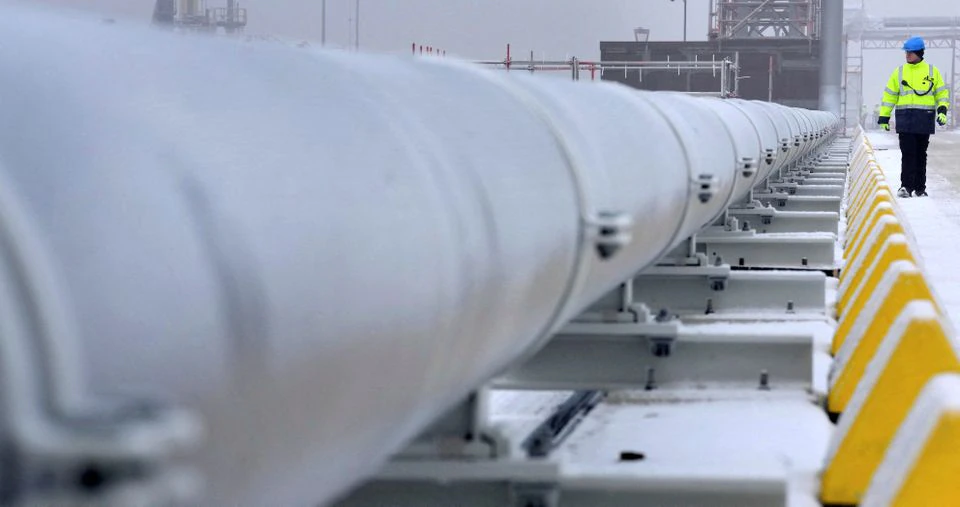
Europe faces a much tougher task to rebuild gas stocks next year compared with this winter, meaning energy bills are likely to stay high and governments could have to implement painful rationing measures they have so far avoided.
Analysis: G7 Russian oil price cap evolves from revenue squeeze to market anchor
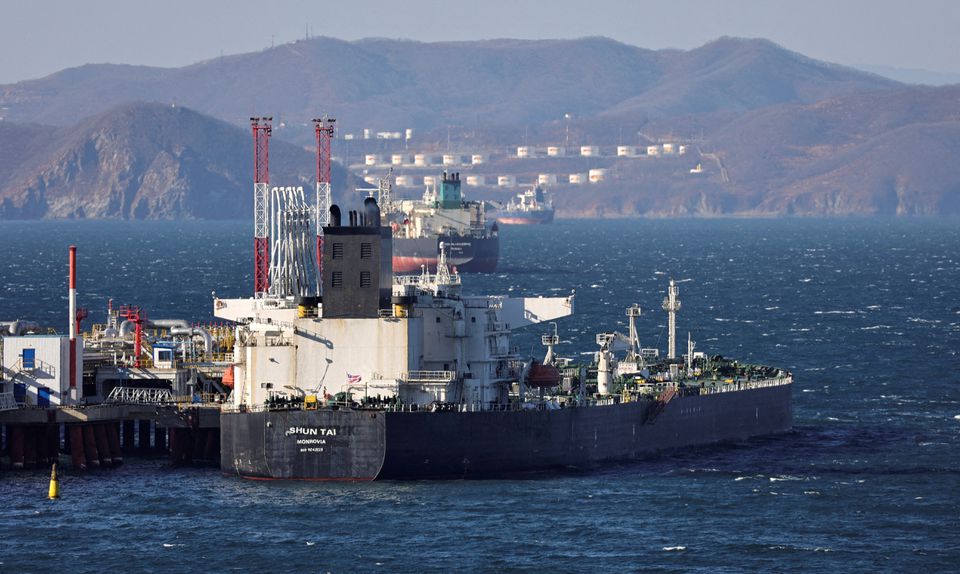
When U.S. officials first floated the idea of capping Russian oil export prices in response to a planned European embargo in March, they pledged to squeeze revenues to Russia’s war machine, while avoiding a devastating oil price spike.
G7 price cap on Russian oil kicks in, Russia will only sell at market price
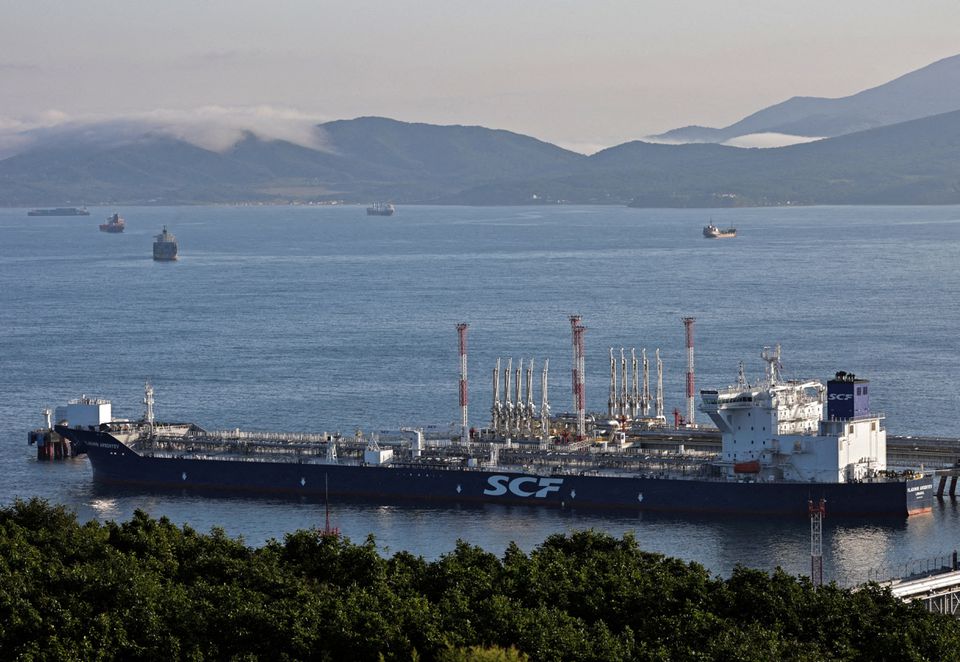
The Group of Seven price cap on Russian seaborne oil came into force on Monday as the West tries to limit Moscow’s ability to finance its war in Ukraine, but Russia has said it will not abide by the measure even if it has to cut production.