

PwC Predicts a Turning Point for the UK

In a nuanced economic landscape, PwC’s 2024 forecast offers a beacon of hope for the UK, anticipating an upturn from the challenges of the post-pandemic era. Despite a dip in M&A activity in 2023, the projection outlines a positive shift with improvements in household finances, real incomes, and regional growth. The corporate sector, however, faces a potential rise in insolvencies, particularly affecting smaller businesses. Global defense orders surge amidst geopolitical tensions, adding a layer of complexity to economic predictions. Market dynamics, including a strengthened pound and energy price fluctuations, further contribute to the intricate economic tapestry awaiting the UK in the upcoming year.
Inflation Eases in October, A Glimmer of Hope for Consumers Amidst Economic Uncertainties

In October, consumer prices in the U.S. rose by 3.2% compared to the previous year, signaling a noteworthy slowdown and offering respite for consumers. The data reflects a 0.5% decline from September, showcasing progress in the Federal Reserve’s campaign to curb inflation. While the drop in gas prices contributed to this decline, core inflation, excluding food and energy prices, only slightly decreased to 4.0% in October. The positive development comes amid robust economic growth, with the GDP expanding at a rate of 4.9% over the three months ending in September. However, challenges such as rising long-term borrowing costs and record-high credit card debt pose potential risks to sustained economic growth.
Bank of England Holds Steady Amidst Economic Challenges

The Bank of England’s recent decision to maintain historically high-interest rates reflects its commitment to navigating a challenging economic landscape. Despite acknowledging the potential for a recession and minimal growth, the bank reiterated its stance with a 6-3 vote. Their primary concern is addressing soaring inflation levels, with no immediate plans for rate cuts, according to BoE Governor Andrew Bailey. The bank, however, remains cautious due to global uncertainties, such as the Middle East conflict and strong wage growth, which may sustain inflationary pressures. Despite this caution, it anticipates a return to its 2 percent inflation target by the end of 2025.
The Delicate Balancing Act of Interest Rates, Bank of England’s Dilemma Amidst Persistent Inflation

Navigating the complexities of persistent inflation, the Bank of England faces a crucial dilemma. While some economists argue for sustained higher interest rates to combat firmly-rooted inflationary pressures, others predict this may lead to a mild recession. The Bank’s cautious approach, likened to the steady ascent of Table Mountain, aims to strike a balance between inflation control and economic stability. Recent economic resilience, with a 0.5% growth in July, muddles the picture, suggesting that a premature rate reduction might not be warranted. As the Bank monitors these variables, the path forward remains nuanced and pivotal for the UK’s economic trajectory.
Rethinking the Role of Wage Growth in the UK’s Economic Recovery

Given the evolving economic landscape, the Bank of England’s current emphasis on restraining wage growth warrants reconsideration. As inflation and the cost of living crisis loom, the approach to curtailing wage increases may need adjustment. Rising import prices, driven by global factors, initially contributed to inflation but have since reversed course. This shift should prompt a broader economic strategy that accounts for various dynamics, including demand, inflation, and policy implications. The Bank of England’s approach must adapt to navigate the intricate factors in the UK’s economic recovery.
Shell makes record $40 bln profit in tumultuous 2022

Shell delivered a record $40 billion profit in 2022, the energy giant said on Thursday, capping a tumultuous year in which a surge in energy prices after Russia’s invasion of Ukraine allowed it to hand shareholders unprecedented returns.
Morning Bid: Oil and jobs
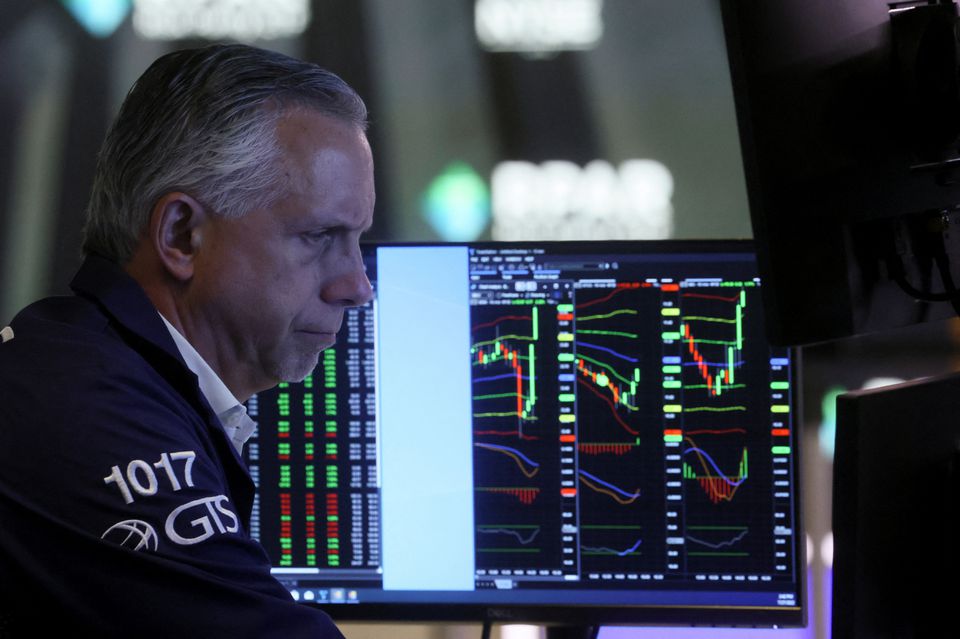
World markets calmed a bit on Wednesday after a tumultuous couple of weeks – but a focus on energy prices and U.S. employment promised more tension ahead.
Exclusive: Shell’s CEO van Beurden prepares to step down next year -sources
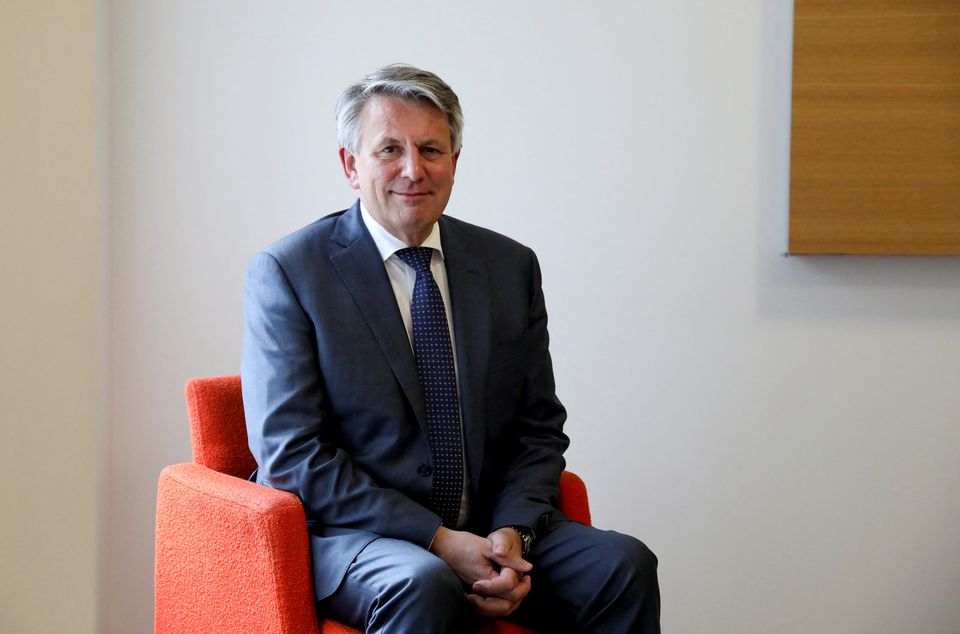
Shell (SHEL.L) has shortlisted four candidates to succeed Chief Executive Ben van Beurden who is preparing to step down next year after nearly a decade at the helm of the giant energy firm, two company sources told Reuters.
Analysis: As Ukraine war drags on, Europe’s economy succumbs to crisis

A post-pandemic spending euphoria, supported by copious government spending was set to drive the economy and help fatigued households regain a sense of normality after two dreadful years.
UK midcaps at three-week low as recession fears grow

UK midcaps hit a three-week trough on Monday while the export-centric FTSE 100 eased from its recent peak on fears of aggressive interest rate hikes by major central banks and slowing economic growth.