

Assessing Canada’s Economic Challenges Amidst the Threat of Recession

The Canadian economy’s recent performance paints a sobering picture, with stagnant GDP figures in August and a looming threat of recession in the third quarter. These challenges have arisen in the wake of the Bank of Canada’s decision to maintain interest rates, a reflection of the economic slowdown. While high inflation and forest fires have played a role in this predicament, the unexpected nature of this economic struggle has caught many by surprise. It remains to be seen how the central bank will navigate these turbulent waters, with market sentiments signaling increased uncertainty about Canada’s economic future.
Bank of England’s Monetary Policy Holds Steady Amid Economic Uncertainty

The Bank of England has opted to keep the Bank Rate at 5.25% until at least July, marking a pause in its tightening cycle, according to a Reuters poll of economists. This decision comes after last week’s surprising move by the BoE to hold rates, citing a slowing economy and lower-than-expected inflation. The central bank has gradually increased rates by 515 basis points in 14 consecutive moves since December 2021 to combat soaring inflation. While the recent decision may offer some respite to borrowers, there’s still a divided opinion among experts on whether further rate hikes are necessary later this year.
Global Financial Landscape Awaits Bank of England’s Decision Amid US Rate Hikes

As economic observers hold their breath, the Bank of England stands at a critical crossroads, its response poised to resonate worldwide. After a series of interest rate hikes over the last two years, the Bank faces the prospect of aligning its policies with the potential rate increases by the US Federal Reserve. This juncture underscores the intricate dance of central banks in grappling with inflation and economic stability. The synchronicity between these key institutions amplifies the significance of their decisions, impacting currencies, trade, and investment strategies on a global scale. In an era of interconnected financial systems, the choices made by these central banks extend far beyond their borders.
Bank of England Faces Dilemma as Inflation Unexpectedly Falls in August

The unexpected drop in UK inflation for August has thrown the Bank of England’s upcoming interest rate decision into uncertainty. Official data revealed a slight decrease in the consumer price index (CPI), from 6.8 percent in July to 6.7 percent, contrary to economists’ predictions of a seven percent figure. This surprising decline is attributed to lower food prices and reduced costs for overnight accommodation, somewhat offsetting the rising energy expenses. Core inflation, which excludes volatile components, experienced a more significant drop, falling to 6.2 percent in August. As the Bank of England faces this dilemma, observers are keen to see how they will balance economic recovery with inflation management.
US FED Hikes Interest Rate for Tenth Time in a Row
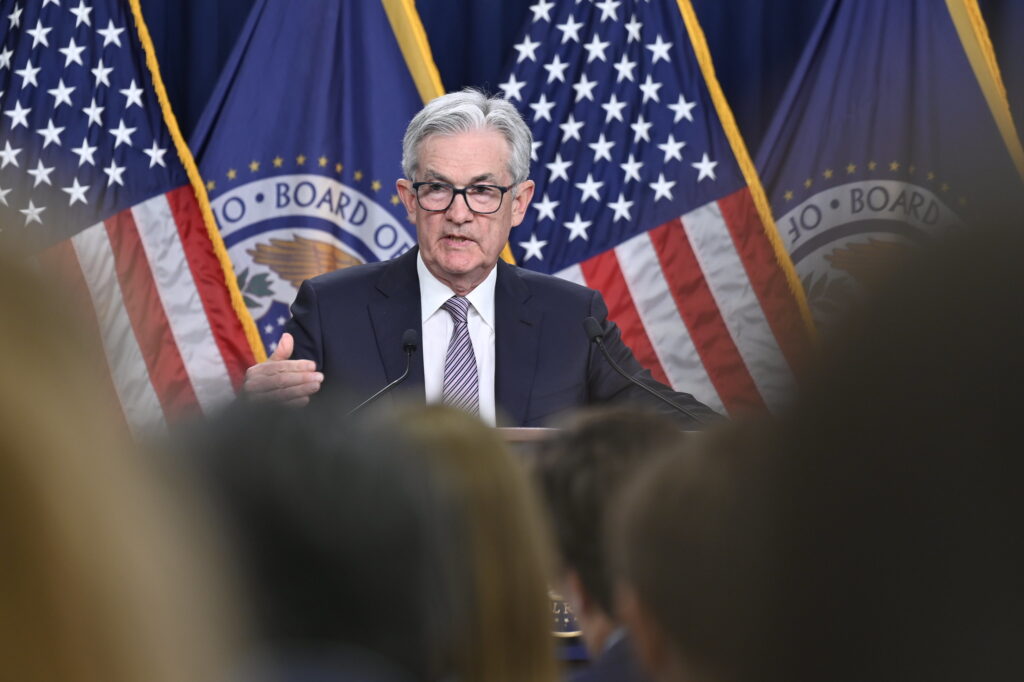
The US Federal Reserve (US FED) has hiked interest rates for the tenth time in a row, bringing the key lending rate to its highest level since 2007. However, the US FED signalled it could pause further rate hikes, as inflation eases and turmoil continues to spread across the American banking sector.
India’s retail inflation breaches RBI’s tolerance level first time since October
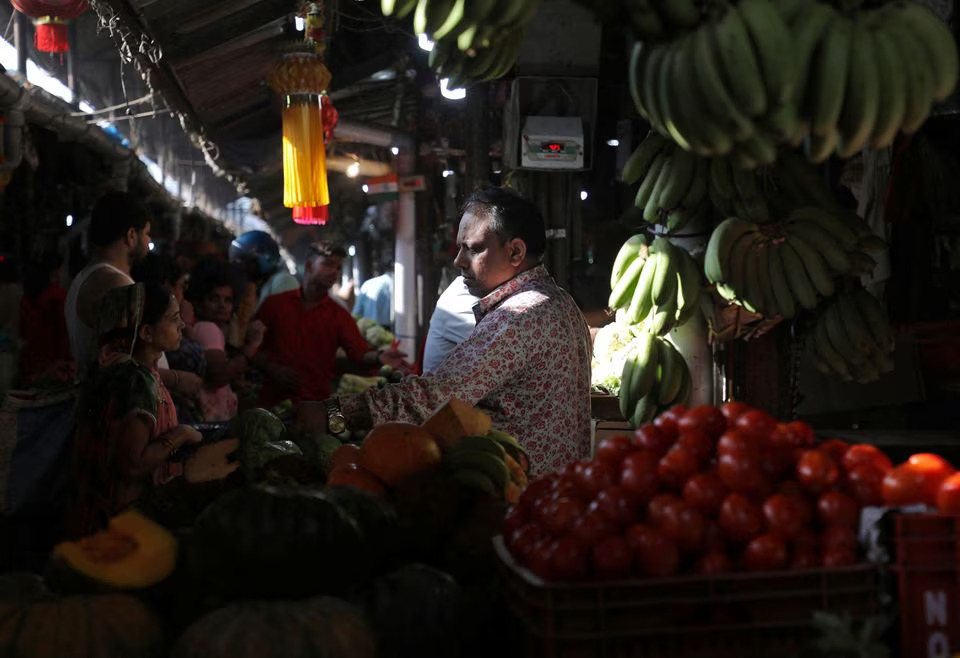
India’s annual retail inflation in January rose above the central bank’s upper threshold for the first time in three months, on higher food prices, vindicating last week’s hawkish monetary policy stance
ECB to slow rate hikes and lay out plans to drain cash
The European Central Bank is set to raise interest rates for the fourth time in a row on Thursday, although by less than at its last two meetings, and lay out plans to drain cash from the financial system as it fights runaway inflation.
Germany’s half-a-trillion dollar energy bazooka may not be enough

Germany is bleeding cash to keep the lights on. Almost half a trillion dollars, and counting, since the Ukraine war jolted it into an energy crisis nine months ago.
China’s trade suffers worst slump in 2-1/2 yrs as COVID woes, feeble demand take toll
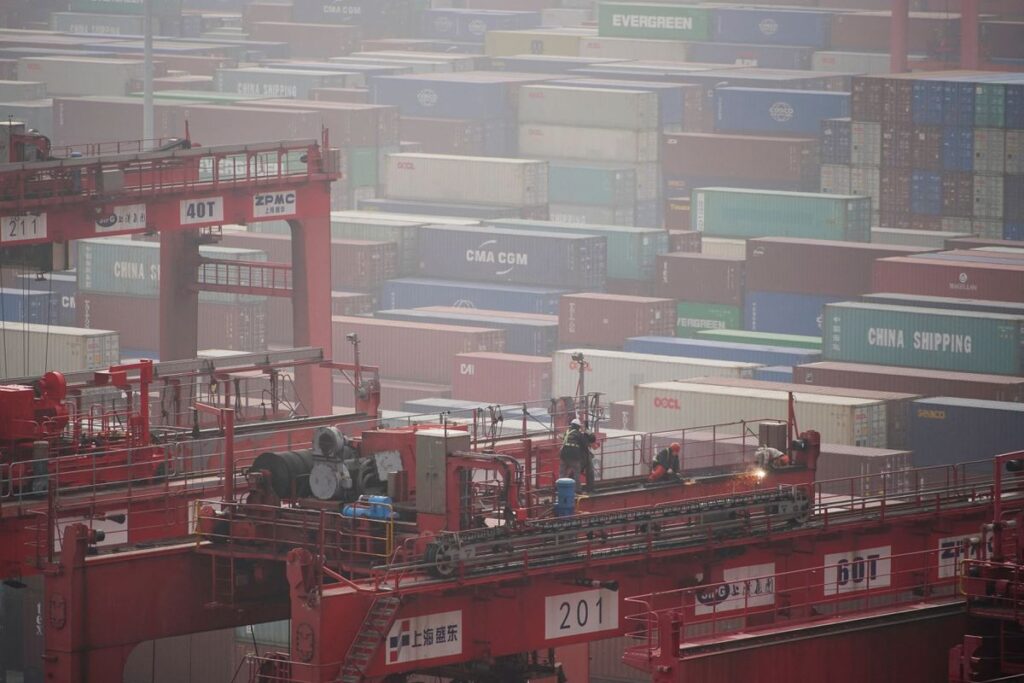
China’s exports and imports shrank at their steepest pace in at least 2-1/2 years in November, as feeble global and domestic demand, COVID-led production disruptions and a property slump at home piled pressure on the world’s second-biggest economy.
UK labour market exodus drives jobless rate down to 3.5%

Britain reported a record jump in the number of people leaving the labour market in the three months to August, adding to the Bank of England’s inflation headaches.