

Focusing on Green Finance and Governance, Exploring Future Cooperation and Development, SMU and RUC to co-host a Global Forum

On 21 November 2023, Singapore Management University (SMU) and Renmin University of China (RUC) will co-host a high-profile Global Forum on the theme of “Green Finance and Governance: From Commitments to Actions” at Culture Square, Haidian District, Beijing, China.
Trudeau’s Policy Pivot; The Canadian Carbon Price Suspension and Its Implications

Prime Minister Justin Trudeau’s suspension of the carbon tax on home heating oil in Canada’s eastern provinces demonstrates a significant policy shift. This decision, a response to political pressure and the concerns of voters, grants residents in the Atlantic region a three-year window to transition to electric heat pumps. The move aims to alleviate the rising cost of living and energy expenses, particularly in the Atlantic provinces, where the carbon tax only recently came into effect. While the suspension signifies a deviation from Trudeau’s climate policies, it underscores the government’s commitment to supporting residents in adapting to cleaner heating methods. However, it also raises questions about the long-term effectiveness of carbon pricing in driving sustainable investments.
Bank of England’s Monetary Policy Holds Steady Amid Economic Uncertainty

The Bank of England has opted to keep the Bank Rate at 5.25% until at least July, marking a pause in its tightening cycle, according to a Reuters poll of economists. This decision comes after last week’s surprising move by the BoE to hold rates, citing a slowing economy and lower-than-expected inflation. The central bank has gradually increased rates by 515 basis points in 14 consecutive moves since December 2021 to combat soaring inflation. While the recent decision may offer some respite to borrowers, there’s still a divided opinion among experts on whether further rate hikes are necessary later this year.
Economic Resilience Amidst Oil Output Cuts: GCC Growth Prospects

The Gulf Cooperation Council (GCC) economies faced an intricate economic landscape in the second quarter of 2023, marked by reduced oil production. This led to a 0.5 percentage point downward revision in growth forecasts for the GCC, setting the growth rate at 1.4% for the year. However, the region’s non-energy sectors have shown resilience, with robust growth in tourism-related industries. Rising energy prices, driven by global factors, have also played a pivotal role, with Brent oil reaching $90 per barrel. The impending inclusion of Saudi Arabia and the UAE into the BRICS group offers a ray of hope, fostering economic diversification and reducing reliance on the US dollar, setting the stage for a more optimistic future.
Morocco’s Resilient Economic Outlook Amidst Structural Reforms

Amidst challenging economic circumstances, Morocco’s commitment to enacting structural reforms stands as a beacon of hope. Despite figures pointing to a widening budget deficit and high debt-to-GDP ratio, a closer look reveals a nuanced story. With a strategy that includes consolidating VAT rates, introducing a carbon tax, and curbing the public wage bill, Morocco’s approach shows a determined effort to secure its financial future. Backed by an IMF assistance program and a resilient spirit, the nation’s economic trajectory seems poised for positive growth. As Morocco navigates these complex waters, its dedication to reform highlights its potential to overcome obstacles and embrace prosperity.
Jordanian Dinar Shows Resilience; Exchange Rate Trends in 2022
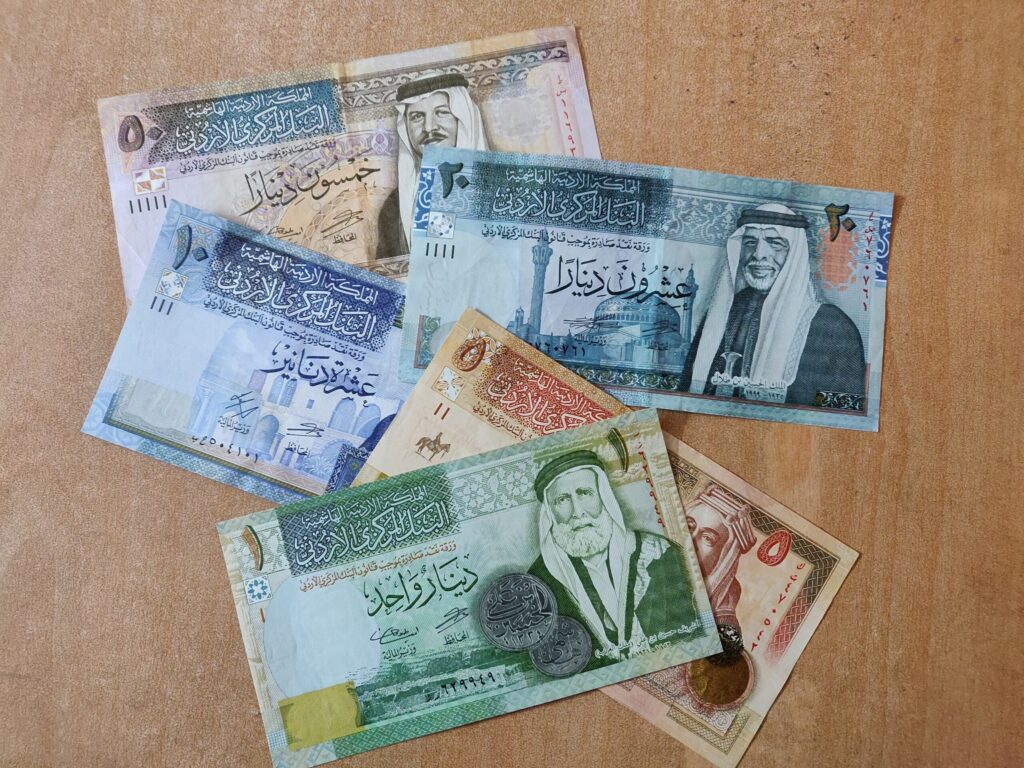
The Jordanian Dinar showcased its resilience in 2022, with a notable rise in its exchange rate against major global currencies. The annual report from the Jordanian Central Bank unveiled an increase of 6.9 percent against the Euro, 9.1 percent against the British Pound, and a significant 18.6 percent against the Japanese Yen. This positive trend reflects Jordan’s stable economic foundation and well-considered monetary policies. The Central Bank’s steadfast commitment to a fixed exchange rate policy against the US Dollar since 1995 has bolstered economic stability and instilled investor confidence in the country’s financial landscape.
Economic Headwinds Challenge Philippines’ Growth Prospects in Q3

As the Philippines confronts economic headwinds, concerns of a potential modest recession in Q3 have emerged. The Pantheon Macroeconomics report indicates that the recent GDP growth of 4.3 percent falls far short of the expected 6 percent, signaling economic turbulence. A contraction of 0.9 percent in the domestic economy during Q2 and weakening private consumption have added to the uncertainties. Despite these challenges, Finance Secretary Benjamin Diokno remains cautiously optimistic about achieving the government’s growth target of 6 to 7 percent, citing the impact of monetary tightening and inflation mitigation measures.
Russian Ruble’s Plunge Sparks Economic Concerns Amid Geopolitical Unrest

The Russian ruble’s recent nosedive to its lowest level in almost 17 months has raised significant alarm bells within the nation’s economy. As tensions escalate due to the ongoing conflict in Ukraine and the weight of Western sanctions, the ruble’s value has plummeted by more than 25% this year alone. Such a decline prompted the central bank to schedule an emergency meeting to evaluate its key interest rate, hinting at potential efforts to stabilize the currency. As the nation grapples with a complex mix of military expenditures, export challenges, and inflation risks, the future of the ruble and its implications on both the domestic and international fronts remain a pressing concern.
Bank of England Governor Suggests Peak in Interest Rates Nearing Amid Stubborn Inflation
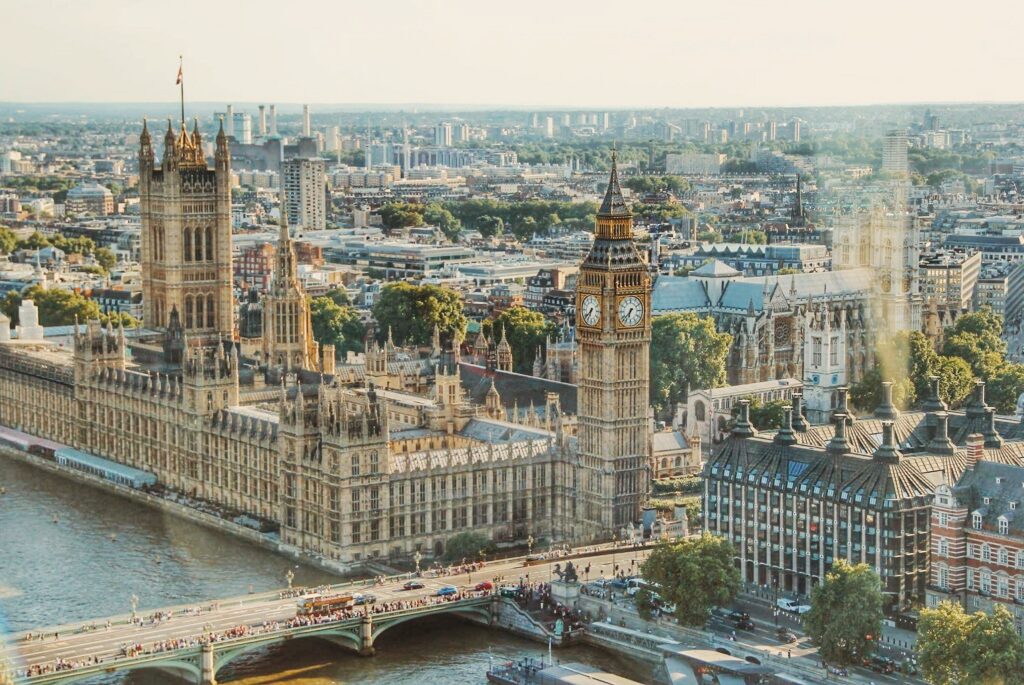
In Governor Andrew Bailey’s recent statement, we see the Bank of England navigating a challenging economic terrain, striving to combat surging inflation while maintaining economic stability. Bailey’s acknowledgement that the peak in interest rates is drawing near reflects the central bank’s cautious approach to rate hikes. The UK’s persistent inflation pressures have necessitated 14 consecutive rate increases, with another one expected soon. The delicate dance between taming inflation and sustaining robust wage growth remains a central concern for policymakers. Swati Dhingra’s dissenting viewpoint underscores the complexities of the policy decisions ahead as the BoE seeks to strike the right balance.
Bank of England Set to Tackle Inflationary Pressures with Potential Interest Rate Hike

The Bank of England’s potential interest rate hike reflects its commitment to tackling inflationary challenges and ensuring economic stability. As global central banks grapple with rising inflation, striking the right balance between curbing consumer spending and supporting sustainable growth remains a top priority. The UK’s economic resilience, as forecasted by the IMF, presents a glimmer of hope amid uncertainties. The BoE’s measured approach in implementing interest rate adjustments will be instrumental in steering the economy towards a path of long-term prosperity and financial well-being.