

Oman’s Economic Landscape, Navigating the Growth Trajectory in Q3 2023

In Q3 2023, Oman’s economy displayed resilience with a 2.2% growth in real GDP, marking a positive rebound from a slight contraction earlier in the year. The non-hydrocarbon sector played a pivotal role, growing at a commendable rate of 3.9%, offsetting a 0.9% dip in hydrocarbon GDP. Notably, the services sector emerged as a key driver, showcasing a robust 6.5% growth during this period. While challenges in the hydrocarbon industry persist, international entities like the IMF express confidence in Oman’s economic recovery, citing favorable oil prices and ongoing reform efforts. As Oman navigates this economic landscape, a nuanced approach to diversification and global oil dynamics remains crucial.
China’s Industrial Output and Retail Sales Surge, Boosting Recovery Hopes

China’s economic outlook shows improvement as industrial output and retail sales beat expectations in October. Industrial output accelerated to 4.6%, the highest since April, surpassing the forecasted 4.4%. Retail sales, a key consumption indicator, rose by 7.6%, outperforming predictions and marking the fastest growth since May. Despite these positive signals, analysts remain cautious, citing challenges in the property sector and the need for major reforms. The government’s efforts to stimulate the economy, including potential reserve requirement ratio cuts, indicate a proactive approach to sustaining growth amid persistent uncertainties.
Redefining the Bank of England’s Role-A Deeper Look at the Resolution Foundation’s Proposals

The Resolution Foundation’s bold proposals for reshaping the Bank of England’s role could mark a significant turning point in the UK’s economic strategy. Their call to increase the inflation target to 3% seeks to equip the bank with enhanced tools to manage future economic shocks effectively. Although unconventional, the notion of employing negative interest rates as a monetary policy tool could potentially breathe new life into the country’s economic recovery efforts. However, this transformation would mark a radical shift, potentially significantly reshaping the financial landscape. As the world grapples with ongoing economic uncertainties, the call for a “policy reset” echoes the necessity for adaptability and resilience in a rapidly changing financial environment.
Economic Headwinds Challenge Philippines’ Growth Prospects in Q3

As the Philippines confronts economic headwinds, concerns of a potential modest recession in Q3 have emerged. The Pantheon Macroeconomics report indicates that the recent GDP growth of 4.3 percent falls far short of the expected 6 percent, signaling economic turbulence. A contraction of 0.9 percent in the domestic economy during Q2 and weakening private consumption have added to the uncertainties. Despite these challenges, Finance Secretary Benjamin Diokno remains cautiously optimistic about achieving the government’s growth target of 6 to 7 percent, citing the impact of monetary tightening and inflation mitigation measures.
Bank of England Faces Dilemma as Inflation Unexpectedly Falls in August

The unexpected drop in UK inflation for August has thrown the Bank of England’s upcoming interest rate decision into uncertainty. Official data revealed a slight decrease in the consumer price index (CPI), from 6.8 percent in July to 6.7 percent, contrary to economists’ predictions of a seven percent figure. This surprising decline is attributed to lower food prices and reduced costs for overnight accommodation, somewhat offsetting the rising energy expenses. Core inflation, which excludes volatile components, experienced a more significant drop, falling to 6.2 percent in August. As the Bank of England faces this dilemma, observers are keen to see how they will balance economic recovery with inflation management.
Rethinking the Role of Wage Growth in the UK’s Economic Recovery

Given the evolving economic landscape, the Bank of England’s current emphasis on restraining wage growth warrants reconsideration. As inflation and the cost of living crisis loom, the approach to curtailing wage increases may need adjustment. Rising import prices, driven by global factors, initially contributed to inflation but have since reversed course. This shift should prompt a broader economic strategy that accounts for various dynamics, including demand, inflation, and policy implications. The Bank of England’s approach must adapt to navigate the intricate factors in the UK’s economic recovery.
Analysis: Scalded by Russia, investment funds tread carefully in China
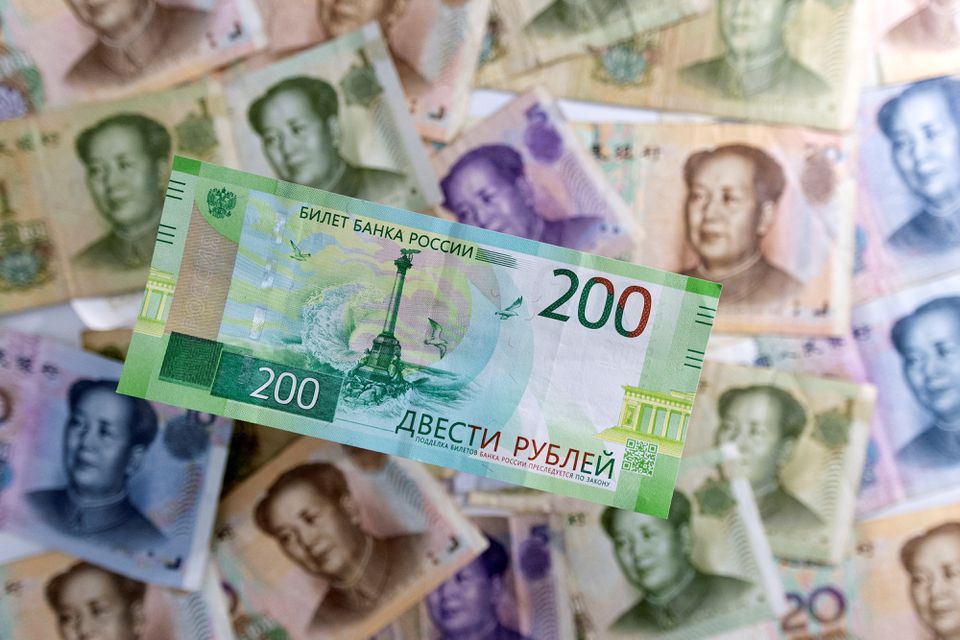
China, the only big economy promising a growth rebound this year, is again luring foreign investors. Yet the fear that Beijing may someday end up as ostracised from global markets as Russia is keeping a lid on demand.
Caixabank ups profitability target, unveils $1.9 billion share buyback

Caixabank (CABK.MC) raised its key profitability target for 2024 and announced a 1.8 billion euro ($1.88 billion) share buy-back programme, expecting higher interest rates and economic recovery to boost banking revenue.
Global bond sales to cross $10 trillion in 2022, S&P Global Ratings says

Global sovereign borrowing will reach $10.4 trillion in 2022, nearly a third above the average before the coronavirus pandemic, S&P Global Ratings said in a report.
NatWest earnings soar but rising prices bite

British bank NatWest (NWG.L) swung to a hefty profit on the back of the country’s economic recovery but said rising prices will make it harder to cut overheads, prompting it to lower its cost-cutting target.