

The Philippine Economic Landscape, Challenges and Prospects Amidst Shifting Tides
As highlighted by recent OECD adjustments, the Philippine economy stands at a crossroads in 2023. A slightly lowered growth projection of 5.6% reflects the intricate interplay of factors, including the impact of high interest rates on pent-up demand. The first quarter’s robust economic expansion was juxtaposed with higher inflation and borrowing costs, resulting from assertive monetary tightening. The role of government spending is expected to drive recovery in the second semester, countering a second-quarter contraction. Meanwhile, influenced by various factors, inflation dynamics add complexity to the economic landscape, necessitating a careful balance between growth and inflation control.
Philippine Economy Leads Amidst Southeast Asian Growth Challenges

The Philippines is a shining example of resilience amidst challenging regional economic conditions. The ADB’s positive growth forecast for the country reflects the unwavering strength of its consumer spending and the potential for significant contributions from the tourism and BPO sectors. However, as Southeast Asia navigates the headwinds of weakening global demand and inflationary pressures, continued vigilance and innovative strategies will be crucial to sustaining growth and promoting economic prosperity in the region.
India pushes oil refiners to diversify after surprise OPEC+ cuts
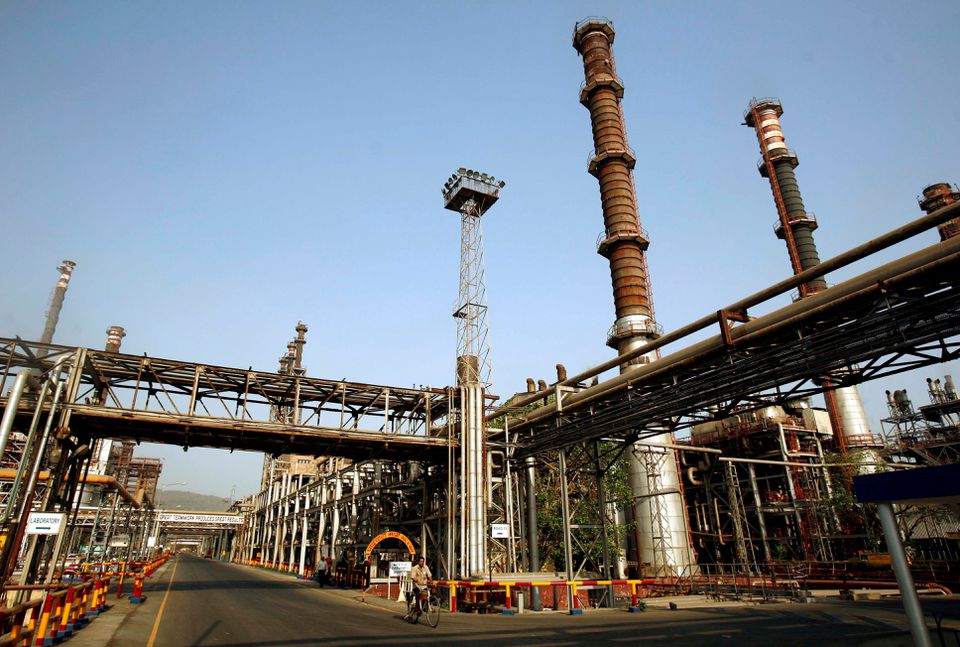
India said it will speed up its diversification of oil imports to hedge against any surprise output cuts by the Organization of the Petroleum Exporting Countries and its allies.
Recession fears creep into ECB thinking at summer conference

European Central Bank policymakers put on a brave face at their annual gathering in the hills above the Portuguese capital and forecast further economic expansion despite looming gas shortages, but in private conversations recession fears were increasingly dominant.
COVID-19 threatens to knock away Germany’s last pillar of growth

A surge in coronavirus infections in Germany is weighing on consumer morale in Europe’s largest economy, dampening business prospects in the Christmas shopping season and threatening to kick away its last remaining pillar of growth.