

The Case for Lowering Interest Rates Amidst Inflation Concerns

In a delicate economic balancing act, the Bank of England faces a pivotal decision on interest rates. The prevailing debate centers on whether to raise the Bank Rate to 5.5% or keep it at the current 5.25%. However, this discussion may be misdirected. The critical question at hand should be whether a cut to 5% or maintaining the status quo is the more reasonable course of action. This article presents a compelling case for an interest rate cut in a bid to counterbalance the challenges posed by inflation while averting the looming risk of an economic recession.
Yield Curve Inversion Raises Concerns and Signals Economic Shifts

In a rare occurrence with potentially far-reaching consequences, the U.S. yield curve has experienced its deepest inversion since 1981. This inversion, where short-term Treasury bond yields surpass long-term yields, has historically been associated with economic downturns. Investors and experts are closely monitoring this development, questioning its implications and whether it could signal an upcoming recession. While an inverted yield curve is not unheard of, the magnitude of this inversion is catching attention and prompting careful analysis. Experts suggest that factors such as expectations of further interest rate hikes and concerns about inflation are contributing to this unique situation. As the financial landscape continues to evolve, market participants remain watchful, looking for signs of stabilization or potential shifts that could impact the broader economy.
Germany’s Battle to End the Ongoing Recession and Energy Crisis

Germany once hailed as an economic powerhouse, now finds itself at a crossroads. Business leaders and experts are sounding the alarm as the nation grapples with a weakening economy and the challenges of transitioning to green energy. Soaring inflation, sluggish export markets, and high energy costs loom over Germany’s economic landscape, raising concerns about its future. Amid these difficulties, Chancellor Olaf Scholz envisions a new era of economic growth through the transition to renewable energy. However, skepticism remains as experts question the immediate benefits and exorbitant costs associated with this green revolution. Germany must confront its structural weaknesses, such as bureaucracy and an ageing population while addressing industry concerns and shifting dynamics. The road ahead may be challenging, but Germany’s resilience and adaptability will determine its success in securing a prosperous future.
Bank of Japan makes surprise policy tweak
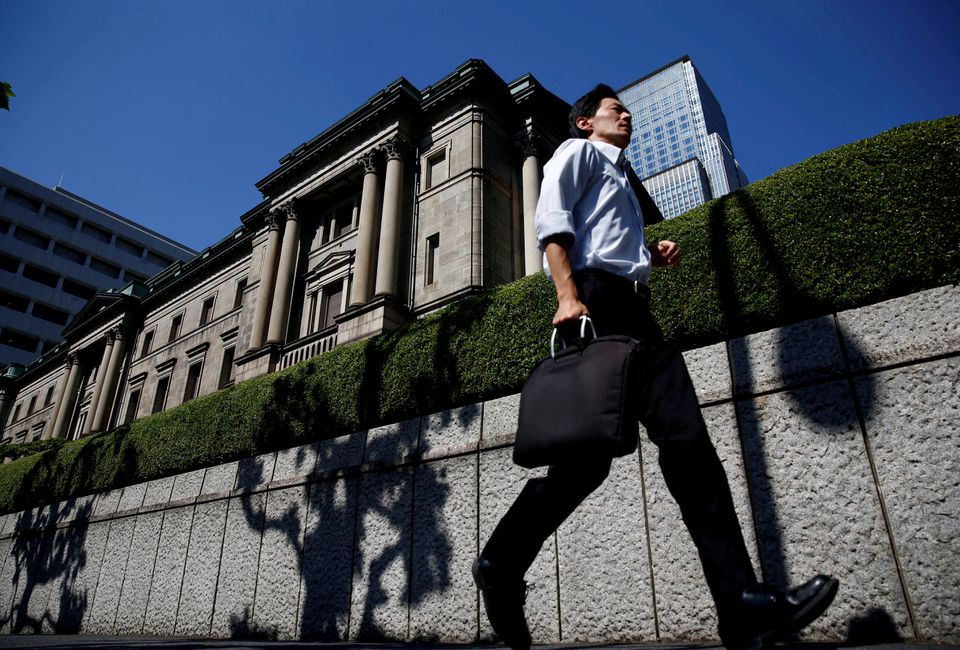
The Bank of Japan has slightly loosened the shackles on its 10-year yield target and said it will review the operation of its yield-curve control policy, surprising financial markets and sending the yen sharply higher.
Euro zone banks not facing up to reality of downturn, ECB says
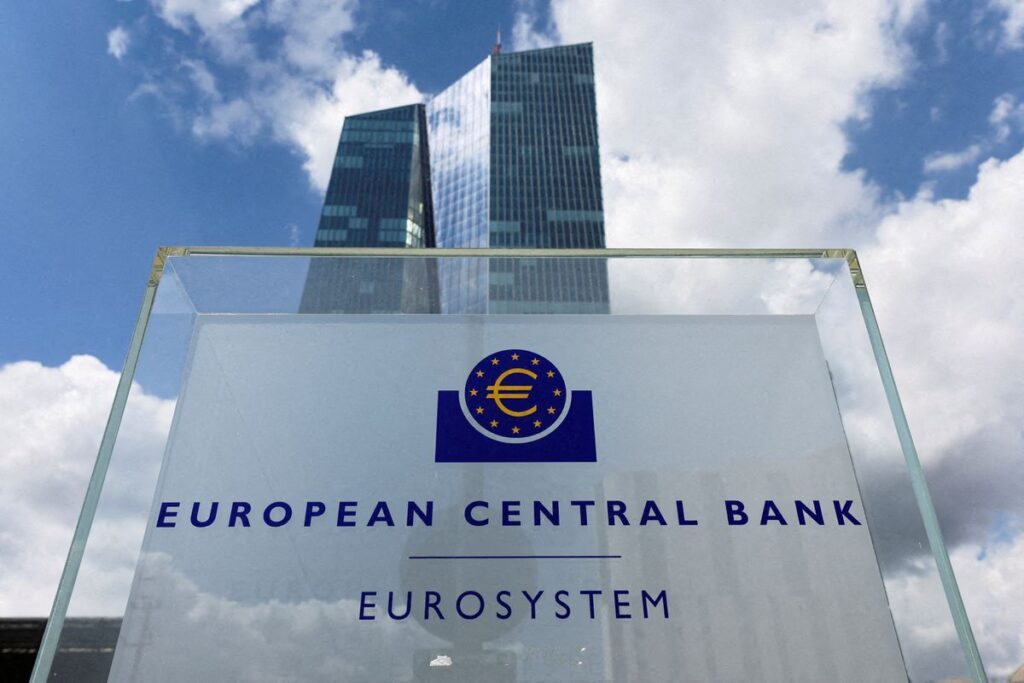
Euro zone banks have not yet fully faced up to the reality of an economic downturn, so finance industry supervisors will need to force them to be more conservative in managing capital, ECB supervisory chief Andrea Enria said on Thursday.
Exclusive: China’s state banks seen acquiring dollars in swaps market to stabilise yuan
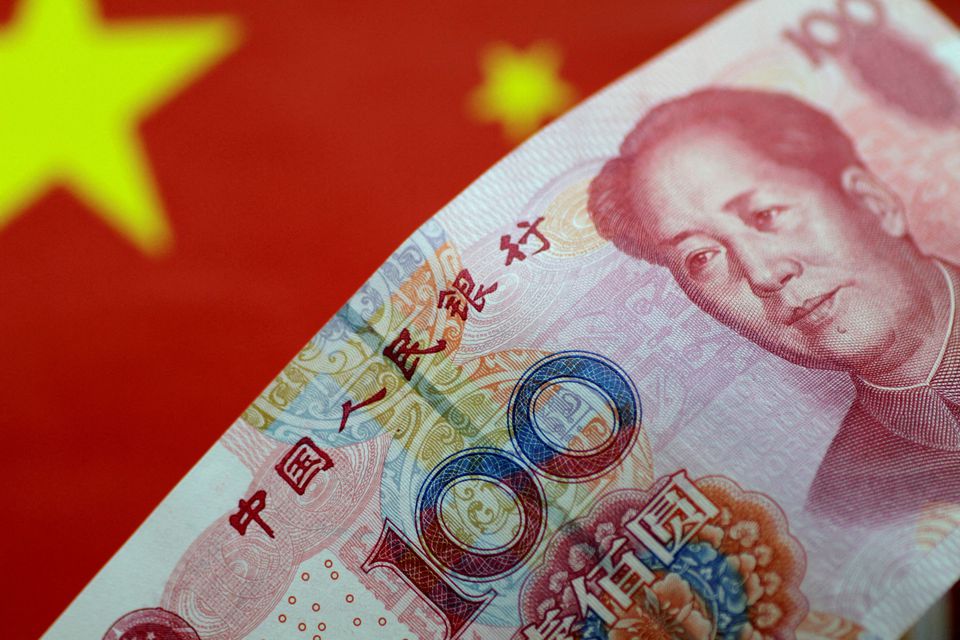
China’s state banks stepped up their intervention to defend a weakening yuan on Monday, with banking sources telling Reuters these banks sold a high volume of U.S. dollars and used a combination of swaps and spot trades.
Samsung quarterly profit set to slump 25%, first decline in nearly three years

Samsung Electronics Co Ltd’s (005930.KS) third-quarter profit could tumble 25%, the first year-on-year decline in nearly three years, as an economic downturn saps demand for electronic devices and the chips that power them.
Stocks make recovery bid, hemmed in by weakening world economy
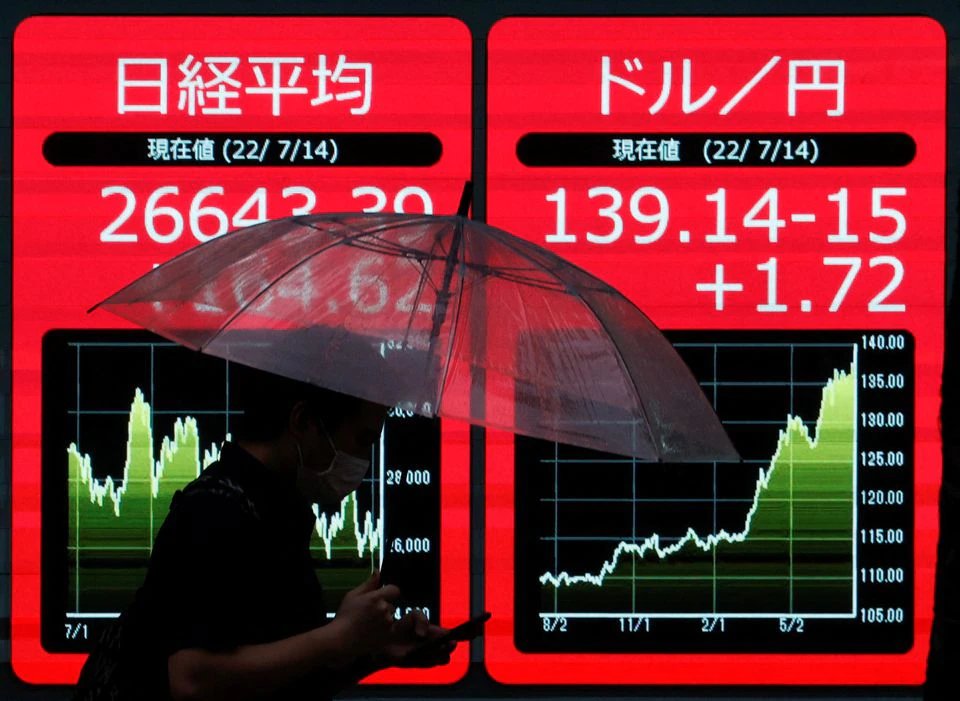
World stocks attempted a move higher on Friday after four days of losses caused by mounting fears of economic downturn, even though the growth concerns were fanned further by data showing a sharp slowdown in China.
Futures fall with investors wary ahead of earnings

U.S. stock index futures fell on Monday, bracing for the start of the earnings season which could see profits come under pressure at a time of growing fears of an economic downturn due to aggressive interest rate hikes.
Bank of England tells lenders to brace for economic storm
The Bank of England warned on Tuesday that the economic outlook for Britain and the world had darkened and told banks to ramp up capital buffers to ensure they can weather the storm.